Public Steam disclosure research25,383 disclosures tracked
Where do games disclose AI use?
Search developers’ Steam disclosures, compare classified AI use across
games, and follow recorded changes.
This index adds cross-game classifications and statistics to
statements published on individual store pages.
Groups reflect automatic analysis of public disclosures; mature records are excluded. These counts do not measure AI use across all of Steam.
Missing or unclear statements cannot establish whether a game uses AI.
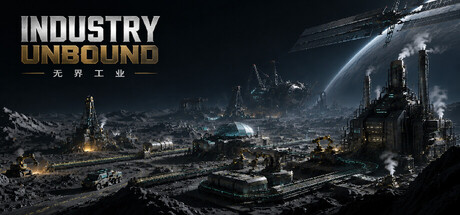
Industry Unbound includes a limited number of pre-generated visual assets created with the assistance of generative AI. Each asset was selected, reviewed, and edited by the developer before release. Generative AI is not used to generate content in real time during gameplay.
Generative AI was used selectively as a development tool to assist with some textures and selected 3D assets. All assets were reviewed, refined where needed, and integrated by the developer. The game does not use live-generated AI content.
HaddyForge utilizes PixelLab AI as part of our development workflow to assist with the prototyping and production of select pixel-art sprites, character concepts, and animation frames.
AI-assisted output is primarily used as a starting point for development and is not typically considered game-ready in its initial form. Assets are reviewed, refined, edited, and iterated upon by the developer using PixelLab, Aseprite, and our broader pixel-art workflow until they meet the visual, animation, and technical requirements of the game.
As an independent studio combining pixel-art creation and software development, HaddyForge uses AI-assisted tools to accelerate experimentation and prototyping while maintaining direct creative control over the final assets included in the game.
AI-assisted development tools have also been used during software development to help review and iterate on game systems, identify potential bugs, improve testing, and increase development efficiency. All resulting game systems and implementations are reviewed, tested, and integrated by the developer before release.
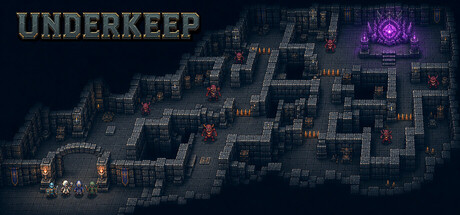
Underkeep's visual assets — character and monster sprites, traps, tiles, effects, UI art, and store artwork — were produced using generative AI image tools. The developer selected, adjusted, and quality-checked every asset before it went into the game.
The English and Spanish text was machine-translated from the original Korean.
Parts of the source code were written with an AI coding assistant, under the developer's direction and review.
Music and sound effects are not AI-generated. They are human-made CC0 assets from Kenney and OpenGameArt, and the in-game font (Galmuri) is a human-made open-source font.
Underkeep does not use generative AI while you play. The game runs fully offline and generates no content at runtime.
Generative AI tools were used during development to assist with the creation of pre-generated visual assets, including some game artwork and Steam store/marketing assets. All generated content is reviewed and curated before inclusion in the game or its marketing materials. The game does not generate AI content during gameplay.
We use generative AI in two limited ways.
Translation. Simplified Chinese, German, Japanese, and Brazilian Portuguese were machine-translated so the story reaches more players. English, Turkish, French, and Spanish were localized by our international friends and us. However, AI translation can miss nuance, so we warmly welcome player feedback to improve it.
Placeholder art. Three images are AI-generated: the Prologue background and the Mentor and Player portraits. They are placeholders. We believe in human expression and will replace them with commissioned art once the game has an audience.
Everything else (code, design, and all other artwork) is made by human hands.
AI image tools supported the creation of some 2D illustrations and promotional assets. Every asset was designed, reworked, and finished by our artists, and all writing, game design, and code are entirely human-made. Nothing in the game is AI-generated at runtime.
Some store copy, localization, and in-game Field Guide text were drafted with generative AI and then edited. No AI content is generated live in the game. Character/environment art and audio are not AI-generated unless noted.
Generative AI tools were used during development to assist in creating and refining some pre-generated 2D artwork and Steam store marketing assets. All AI-assisted content was reviewed and edited by the development team. The game does not generate AI content during gameplay.
The 2D art in this game — character and enemy sprites, weapon and UI icons, visual effects, tilesets, the title screen, and the store artwork — was produced with the help of generative AI image tools. Every asset was then processed by hand for the game: sliced, colour-keyed, scaled with nearest-neighbour, and assembled into sprite sheets by the developer.
All audio is synthesised procedurally by the developer's own scripts — it is not AI generated. The game's code and design are written by the developer.
Nothing is generated by AI while you play. All content ships with the game and never changes.
Generative AI tools were used during development to assist in creating various game assets, including visual assets, UI elements, and some audio content. All AI-assisted content was reviewed, selected, and integrated by the developer as part of the game's overall creative direction. The game does not use generative AI to create content in real time during gameplay.
Some images and translations used in the game and its marketing materials were created or assisted using generative AI tools only when necessary. The majority of the assets were created by human artists and contributors. All AI-assisted content was reviewed and integrated by the development team before inclusion.
We use AI to generate content for the game such as text descriptions, some images like npc portraits and ware items and to generate some stories to create immersion in the game.
We also generate some voicing for dialogs using licensed voices.
We also generate some other sounds such as sound effects (wind, sea waves)
All content text, images, voices or sounds are reviewed manually by a human to verify the content and licensing aspects.
Generative AI was used during development to create initial visual concepts and source imagery. These images were then substantially edited, redrawn, and altered by the developer before being included in the final game.
Aftergrowth's code was written with the help of an AI coding assistant, and some of the game's text — including parts of this store page — was first drafted with it and then edited by hand.
Nothing you see or hear is AI-generated. Every sprite, tile and icon is drawn by deterministic Python scripts rather than by an image model. The music is synthesised and the sound effects are CC0 recordings by Kenney, both credited in the game's CREDITS file. No generative AI runs while you play: nothing is generated live, and the game makes no request to any AI service.
Generative AI was used during development to create selected pre-generated store graphics, story illustrations, and in-game art. These assets were reviewed and edited before inclusion. The game does not generate AI content at runtime and does not send player input or personal data to AI services.
Generative AI was used to write, edit, and translate text on this Steam store page. It is not used during gameplay, and no AI-generated images, audio, or in-game assets are included.
The written text for Rikogol — this store page, its marketing copy and the game's in-game text — was drafted with AI assistance. No generative AI model produced any of the game's visuals or audio: everything you see in a match is drawn at runtime by our own code from plain geometric shapes, every sound effect is synthesised procedurally in code, and the store artwork comes from a deterministic drawing script. The game generates no content while you play and connects to no AI service.
Generative AI was used selectively during development for certain materials; all final content was refined by the developer. No real-time AI generation is used.
Some 2D‑art assets in this game are created with the assistance of generative‑AI tools. These assets have been filtered, edited, composited and manually reviewed by the developer before being used in‑game. The game does not perform real‑time content generation based on player input during runtime, nor does it send any player input to generative‑AI services.
Text content only, all pre-generated during development and reviewed by the developer. AI assistance was used to write the in-game story text, the user interface translations for the 8 supported languages, the achievement names and descriptions, and the store page copy. Nothing is generated live at runtime and the game does not connect to any AI service. Art, sprites, capsule images, icons and the soundtrack are NOT AI-generated: they are produced by procedural scripts written by the developer and included in the project source.
All AI involvement is pre-generated and human-reviewed: nothing is generated while you play, the game runs no AI models, and it never sends your data anywhere.
The in-game voiceover is generated in real-time by a text-to-speech AI model running entirely on your computer. This model only narrates built-in, pre-approved game text. None of your inputs will be sent to the AI model. The entire process runs locally offline.
This game uses generative AI to assist with some translations. All AI-assisted translations were reviewed, edited, and approved by the developer before being included in the game.
Generative AI tools were used during development to assist with programming and to create some pre-generated 2D visual assets, including icons and promotional artwork. All AI-assisted code and generated assets were reviewed, tested, edited, and integrated by the developer. No generative AI is used while the game is running, and no content is generated live.
Symbiosis: Criticality's narrative and dialogue were developed with the assistance of generative AI as part of an iterative, human-directed writing process. All in-game art, audio, and code were authored directly by the development team.
Some of the store promotional materials for this game (including the cover, main key visual, and some 2D UI elements) were created with the assistance of generative AI. In-game visual effects, programming, gameplay, and all other game content were developed entirely by human developers. The game does not use generative AI during runtime, nor does it collect or upload player data.
Generative AI tools were used during development to assist with code and selected pre-generated game and marketing content. All shipped content was reviewed by the developer. No AI content is generated during gameplay.
Generative AI may have been used in creating pre-rendered content for this game. All such content is the result of a human-led artistic and creative process
Generative AI was used for selected visual assets during development. All AI-assisted content was reviewed by the developer. No AI content is generated during gameplay.
The game's software architecture, logic scripts, and localization texts were drafted and optimized during the development process with the assistance of Rosebud AI. All assets, graphics, and code within the final application package are static, pre-rendered, and permanently compiled. No live or real-time AI generation occurs during gameplay, and the application does not connect to any external AI services.
Some visual assets, music, sound effects, and text used in this game and its Steam store page were created or assisted by generative AI. All AI-generated content has been reviewed, edited, and integrated by the developer to ensure it meets the artistic vision and quality standards of the game.
Generative AI was used during the development of this game to assist with programming and English localization. Generative AI was not used to create in-game assets such as images, music, or sound effects.
Generative AI was used during development to create all visual art assets and music featured in the game. The generated content was reviewed, selected, and integrated by the developer. The game does not generate AI content during gameplay.
Industry Unbound includes a limited number of pre-generated visual assets created with the assistance of generative AI. Each asset was selected, reviewed, and edited by the developer before release. Generative AI is not used to generate content in real time during gameplay.
Generative AI was used selectively as a development tool to assist with some textures and selected 3D assets. All assets were reviewed, refined where needed, and integrated by the developer. The game does not use live-generated AI content.
HaddyForge utilizes PixelLab AI as part of our development workflow to assist with the prototyping and production of select pixel-art sprites, character concepts, and animation frames.
AI-assisted output is primarily used as a starting point for development and is not typically considered game-ready in its initial form. Assets are reviewed, refined, edited, and iterated upon by the developer using PixelLab, Aseprite, and our broader pixel-art workflow until they meet the visual, animation, and technical requirements of the game.
As an independent studio combining pixel-art creation and software development, HaddyForge uses AI-assisted tools to accelerate experimentation and prototyping while maintaining direct creative control over the final assets included in the game.
AI-assisted development tools have also been used during software development to help review and iterate on game systems, identify potential bugs, improve testing, and increase development efficiency. All resulting game systems and implementations are reviewed, tested, and integrated by the developer before release.
Underkeep's visual assets — character and monster sprites, traps, tiles, effects, UI art, and store artwork — were produced using generative AI image tools. The developer selected, adjusted, and quality-checked every asset before it went into the game.
The English and Spanish text was machine-translated from the original Korean.
Parts of the source code were written with an AI coding assistant, under the developer's direction and review.
Music and sound effects are not AI-generated. They are human-made CC0 assets from Kenney and OpenGameArt, and the in-game font (Galmuri) is a human-made open-source font.
Underkeep does not use generative AI while you play. The game runs fully offline and generates no content at runtime.
Generative AI tools were used during development to assist with the creation of pre-generated visual assets, including some game artwork and Steam store/marketing assets. All generated content is reviewed and curated before inclusion in the game or its marketing materials. The game does not generate AI content during gameplay.
We use generative AI in two limited ways.
Translation. Simplified Chinese, German, Japanese, and Brazilian Portuguese were machine-translated so the story reaches more players. English, Turkish, French, and Spanish were localized by our international friends and us. However, AI translation can miss nuance, so we warmly welcome player feedback to improve it.
Placeholder art. Three images are AI-generated: the Prologue background and the Mentor and Player portraits. They are placeholders. We believe in human expression and will replace them with commissioned art once the game has an audience.
Everything else (code, design, and all other artwork) is made by human hands.
AI image tools supported the creation of some 2D illustrations and promotional assets. Every asset was designed, reworked, and finished by our artists, and all writing, game design, and code are entirely human-made. Nothing in the game is AI-generated at runtime.
Some store copy, localization, and in-game Field Guide text were drafted with generative AI and then edited. No AI content is generated live in the game. Character/environment art and audio are not AI-generated unless noted.
Generative AI tools were used during development to assist in creating and refining some pre-generated 2D artwork and Steam store marketing assets. All AI-assisted content was reviewed and edited by the development team. The game does not generate AI content during gameplay.
The 2D art in this game — character and enemy sprites, weapon and UI icons, visual effects, tilesets, the title screen, and the store artwork — was produced with the help of generative AI image tools. Every asset was then processed by hand for the game: sliced, colour-keyed, scaled with nearest-neighbour, and assembled into sprite sheets by the developer.
All audio is synthesised procedurally by the developer's own scripts — it is not AI generated. The game's code and design are written by the developer.
Nothing is generated by AI while you play. All content ships with the game and never changes.
Generative AI tools were used during development to assist in creating various game assets, including visual assets, UI elements, and some audio content. All AI-assisted content was reviewed, selected, and integrated by the developer as part of the game's overall creative direction. The game does not use generative AI to create content in real time during gameplay.
Some images and translations used in the game and its marketing materials were created or assisted using generative AI tools only when necessary. The majority of the assets were created by human artists and contributors. All AI-assisted content was reviewed and integrated by the development team before inclusion.
We use AI to generate content for the game such as text descriptions, some images like npc portraits and ware items and to generate some stories to create immersion in the game.
We also generate some voicing for dialogs using licensed voices.
We also generate some other sounds such as sound effects (wind, sea waves)
All content text, images, voices or sounds are reviewed manually by a human to verify the content and licensing aspects.
Generative AI was used during development to create initial visual concepts and source imagery. These images were then substantially edited, redrawn, and altered by the developer before being included in the final game.
Aftergrowth's code was written with the help of an AI coding assistant, and some of the game's text — including parts of this store page — was first drafted with it and then edited by hand.
Nothing you see or hear is AI-generated. Every sprite, tile and icon is drawn by deterministic Python scripts rather than by an image model. The music is synthesised and the sound effects are CC0 recordings by Kenney, both credited in the game's CREDITS file. No generative AI runs while you play: nothing is generated live, and the game makes no request to any AI service.
Generative AI was used during development to create selected pre-generated store graphics, story illustrations, and in-game art. These assets were reviewed and edited before inclusion. The game does not generate AI content at runtime and does not send player input or personal data to AI services.
Generative AI was used to write, edit, and translate text on this Steam store page. It is not used during gameplay, and no AI-generated images, audio, or in-game assets are included.
The written text for Rikogol — this store page, its marketing copy and the game's in-game text — was drafted with AI assistance. No generative AI model produced any of the game's visuals or audio: everything you see in a match is drawn at runtime by our own code from plain geometric shapes, every sound effect is synthesised procedurally in code, and the store artwork comes from a deterministic drawing script. The game generates no content while you play and connects to no AI service.
Generative AI was used selectively during development for certain materials; all final content was refined by the developer. No real-time AI generation is used.
Some 2D‑art assets in this game are created with the assistance of generative‑AI tools. These assets have been filtered, edited, composited and manually reviewed by the developer before being used in‑game. The game does not perform real‑time content generation based on player input during runtime, nor does it send any player input to generative‑AI services.
Text content only, all pre-generated during development and reviewed by the developer. AI assistance was used to write the in-game story text, the user interface translations for the 8 supported languages, the achievement names and descriptions, and the store page copy. Nothing is generated live at runtime and the game does not connect to any AI service. Art, sprites, capsule images, icons and the soundtrack are NOT AI-generated: they are produced by procedural scripts written by the developer and included in the project source.
All AI involvement is pre-generated and human-reviewed: nothing is generated while you play, the game runs no AI models, and it never sends your data anywhere.
The in-game voiceover is generated in real-time by a text-to-speech AI model running entirely on your computer. This model only narrates built-in, pre-approved game text. None of your inputs will be sent to the AI model. The entire process runs locally offline.
This game uses generative AI to assist with some translations. All AI-assisted translations were reviewed, edited, and approved by the developer before being included in the game.
Generative AI tools were used during development to assist with programming and to create some pre-generated 2D visual assets, including icons and promotional artwork. All AI-assisted code and generated assets were reviewed, tested, edited, and integrated by the developer. No generative AI is used while the game is running, and no content is generated live.
Symbiosis: Criticality's narrative and dialogue were developed with the assistance of generative AI as part of an iterative, human-directed writing process. All in-game art, audio, and code were authored directly by the development team.
Some of the store promotional materials for this game (including the cover, main key visual, and some 2D UI elements) were created with the assistance of generative AI. In-game visual effects, programming, gameplay, and all other game content were developed entirely by human developers. The game does not use generative AI during runtime, nor does it collect or upload player data.
Generative AI tools were used during development to assist with code and selected pre-generated game and marketing content. All shipped content was reviewed by the developer. No AI content is generated during gameplay.
Generative AI may have been used in creating pre-rendered content for this game. All such content is the result of a human-led artistic and creative process
Generative AI was used for selected visual assets during development. All AI-assisted content was reviewed by the developer. No AI content is generated during gameplay.
The game's software architecture, logic scripts, and localization texts were drafted and optimized during the development process with the assistance of Rosebud AI. All assets, graphics, and code within the final application package are static, pre-rendered, and permanently compiled. No live or real-time AI generation occurs during gameplay, and the application does not connect to any external AI services.
Some visual assets, music, sound effects, and text used in this game and its Steam store page were created or assisted by generative AI. All AI-generated content has been reviewed, edited, and integrated by the developer to ensure it meets the artistic vision and quality standards of the game.
Generative AI was used during the development of this game to assist with programming and English localization. Generative AI was not used to create in-game assets such as images, music, or sound effects.
Generative AI was used during development to create all visual art assets and music featured in the game. The generated content was reviewed, selected, and integrated by the developer. The game does not generate AI content during gameplay.