Public Steam disclosure research25,394 disclosures tracked
Where do games disclose AI use?
Search developers’ Steam disclosures, compare classified AI use across
games, and follow recorded changes.
This index adds cross-game classifications and statistics to
statements published on individual store pages.
Groups reflect automatic analysis of public disclosures; mature records are excluded. These counts do not measure AI use across all of Steam.
Missing or unclear statements cannot establish whether a game uses AI.
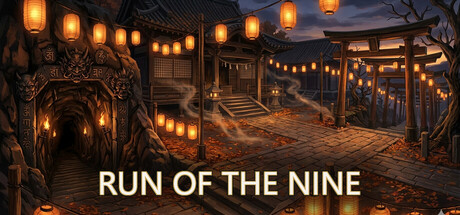
I used generative AI tools (specifically Fooocus) to help paint and generate my static 2D game backgrounds and concept/icon art. I also utilized AI-collaboration platforms to assist with audio synthesis composition and programming codebase layouts. All generated assets were fully curated, conceptualized, and processed under my own direct creative control and creative direction before building.
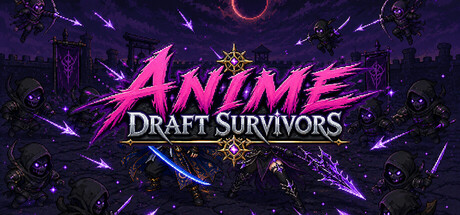
Some of the visual assets in Anime Draft Survivors — including character and enemy artwork, stage backgrounds, UI ornamentation, marketing/capsule images and some audio, were created with the help of generative AI image tools, then hand edited, composited, and integrated by the developer. All game code, design, and gameplay systems are human authored. All AI assisted content is pre-rendered and fixed in the build; the game does not generate any content live during gameplay.
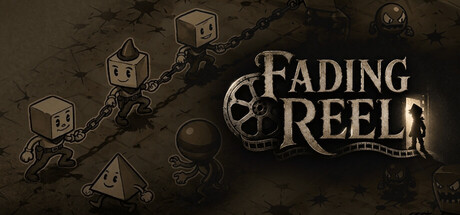
Fading Reel uses machine translation (automated translation software) to provide in-game interface text in languages other than English. English menus, upgrades, tutorials, and story intertitles were written by the developer; non-English versions were generated from that English source and may contain errors.
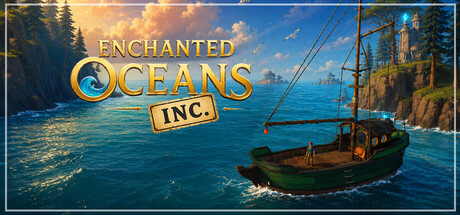
Game art, audio, gameplay, store screenshots, and the trailer were not created with generative AI.
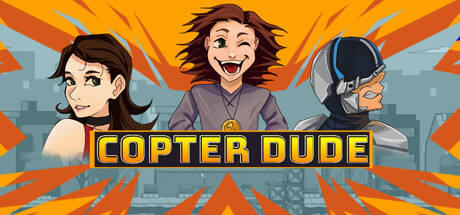
AI was used to create initial concept images for the main character (the funny copter). These images were then edited, redrawn and polished by a human artist. All other sprites, animations, backgrounds, sounds, music, and code in the game have nothing to do with AI.
Some assets in BRICK BUSTERS were created with the help of generative AI tools — including parts of the pixel art, some sound effects and music, and the translations of the in-game text. All AI-assisted content was reviewed and edited by hand before release.
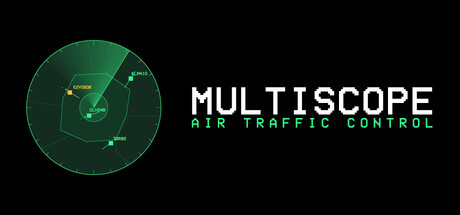
MultiScope Air Traffic Control uses a local neural text-to-speech model (Piper) to generate the pilot voice read-backs in real time on your own machine. It runs entirely offline, no voice input or player data is sent anywhere or used to train any AI model. Your spoken commands are recognized locally by your operating system, not by generative AI.
Some of the 3D models in the game were generated with the assistance of artificial intelligence, and were reviewed and modified by humans before being used as game assets.
Generative AI tools were used during development to assist with programming, concept art, marketing artwork, and the creation of some 3D assets. All AI-assisted content was reviewed, modified where necessary, and approved by the developer before being included in the game.
The game does not use generative AI to create content in real time for players.
Generative AI was used only as a development aid during production. All content included in the final game was reviewed and approved by the developer. The released game does not generate content using AI.
This game utilizes generative artificial intelligence tools in its development to assist our small team. Specifically, AI was used to help localize our Steam store listing text into multiple languages to reach a broader audience. Additionally, AI tools were used to help refine and format certain store promotional images and icons, which are strictly based on and adapted from our original, human-created hand-drawn concept art. No live-generated AI content is used during active gameplay.
We currently use AI for some of the audio dialogue as well as some of the placeholder 2D art assets. Our goal is to get art made for these where possible and we already have a voice actor and musician on board who is working on our audio.
Dungeon Door utilizes generative AI to enhance creative expression and development efficiency as follows:
Artwork and Visual Assets: Generative AI was used in the conceptualization of character designs and the creation of marketing assets for the Steam store page. Every asset has been carefully reviewed and manually refined to ensure it adheres to the intended classic pixel art aesthetic.
Text and Narrative: AI tools assisted in drafting store descriptions, synopses, and localizing in-game text to provide a consistent experience across different languages.
Generative AI was used to create the music and for text translation. Distant views in the image were partially edited using generative AI but manually edited for the final product.
Some store page assets and library assets (marketing banner etc), as well as some artwork and maybe 10% of the sound effects, were created with the assistance of AI.
The music is entirely human. No AI music in the game.
Some 2D art (icons and illustrations) was created with the help of generative AI tools and refined by the developer. No AI content is generated during gameplay.
Some visual assets in the game may have been generated or assisted by AI tools. This includes certain textures, logos, shop signs, and some localized translations. All AI-generated or AI-assisted content has been reviewed and integrated into the game by the developer.
My game currently uses generative AI only to assist with temporary localization and translation work, mainly as a placeholder until the translations can be reviewed and replaced by professional human translators.
Hollow Signal contains pre-generated AI-assisted content, including portions of visual artwork, promotional imagery, and certain game assets. All content has been reviewed, curated, edited, and integrated into the final game by the solo developer.
This game was developed using an agentic AI coding tool, the code was written with AI assistance, under the design, direction, and review of the developer. The game contains no AI-generated assets — models and textures are generated procedurally in-engine, audio (sound effects and music) is pre-synthesized with the developer's own non-AI DSP tools, and UI text uses system fonts. No AI content is generated at runtime.
Ultimate Jam uses generative AI for all coding and select pre-made assets (announcer voice and/or music), created from robot-human-written scripts and prompts, then edited by the team. Gameplay, controls, and AI opponents use traditional code — not generative AI. Nothing is generated live while you play.
Generative AI technology is used in a supplementary capacity during the localization of select languages. Any such languages are indicated in the in-game language selection menu.
This game contains pre-generated AI content. Certain in-game dialogue voice lines were created using AI-generated voices. No live AI generation occurs during gameplay, and no user-generated AI content is included.
Dark Dream contains pre-generated AI-assisted content used exclusively for marketing and promotional materials. This includes certain Steam store assets such as capsules, banners, promotional artwork, and the game's promotional trailer.
The trailer was created using AI-assisted tools based on original characters, creatures, and creative concepts designed and owned by the studio.
The in-game experience does not generate content using AI, and no AI systems are used during gameplay.
During development, procedural and AI-assisted tools may be used to support certain content creation tasks. All content is reviewed, refined, and integrated by the developer. Examples include artwork coloring and sound effect generation.
I have used generative AI tools to assist with localization of in-game text into additional languages, as I am a native English speaker. Source text (UI strings, menus, tutorial/coaching content) is authored in English; AI is used to produce initial translations, which are then reviewed and edited before shipping. The game contains no live/real-time AI-generated content. All other game content including artwork, audio and design, is created by real humans. This includes assets from the Unity store, Synty store, Humble Bundles and Fiverr artists.
AI was used to assist in producing the in-game user-interface text translations for French, Spanish, German and Italian, which were then reviewed for accuracy. The English and Portuguese text is human-authored. All visual art, sound effects and music in NEON SURGE are generated procedurally by our own code — no AI models were used to create art, audio or gameplay assets.
Some of this game's assets were created with the assistance of generative AI tools. Character, enemy, and background artwork was created using Stable Diffusion and then manually edited and retouched by the developer. Background music and the ending theme songs were generated using ACE-Step v1.5. All AI-assisted assets were reviewed and curated by the developer. No content is generated by AI during gameplay.
Due to the very short development time frame (1 month) with a 1 man team some icons and images were AI generated and will be modified before the release.
LAST RITE TD uses generative AI tools during development to assist with creating and iterating some visual concepts, marketing artwork, store capsule images, trailer-related promotional materials, voice/audio elements, and certain worldbuilding or text-drafting support.
Some voice/audio elements may also be AI-assisted. All AI-assisted content is reviewed, selected, edited, and integrated by the developer before being used in the game or on the Steam store page.
The game does not use generative AI to create unpredictable real-time gameplay content for players during normal play.
This game was developed by a solo developer with the assistance of generative AI tools in areas including programming logic, visual asset creation, and music and sound effects. Not all content was AI-generated — game design, mechanics, systems, level structure, and overall creative direction were conceived and built by the developer. All AI-assisted content was curated, directed, and refined to serve the game's creative vision.
I used generative AI tools (specifically Fooocus) to help paint and generate my static 2D game backgrounds and concept/icon art. I also utilized AI-collaboration platforms to assist with audio synthesis composition and programming codebase layouts. All generated assets were fully curated, conceptualized, and processed under my own direct creative control and creative direction before building.
Some of the visual assets in Anime Draft Survivors — including character and enemy artwork, stage backgrounds, UI ornamentation, marketing/capsule images and some audio, were created with the help of generative AI image tools, then hand edited, composited, and integrated by the developer. All game code, design, and gameplay systems are human authored. All AI assisted content is pre-rendered and fixed in the build; the game does not generate any content live during gameplay.
Fading Reel uses machine translation (automated translation software) to provide in-game interface text in languages other than English. English menus, upgrades, tutorials, and story intertitles were written by the developer; non-English versions were generated from that English source and may contain errors.
Game art, audio, gameplay, store screenshots, and the trailer were not created with generative AI.
AI was used to create initial concept images for the main character (the funny copter). These images were then edited, redrawn and polished by a human artist. All other sprites, animations, backgrounds, sounds, music, and code in the game have nothing to do with AI.
Some assets in BRICK BUSTERS were created with the help of generative AI tools — including parts of the pixel art, some sound effects and music, and the translations of the in-game text. All AI-assisted content was reviewed and edited by hand before release.
MultiScope Air Traffic Control uses a local neural text-to-speech model (Piper) to generate the pilot voice read-backs in real time on your own machine. It runs entirely offline, no voice input or player data is sent anywhere or used to train any AI model. Your spoken commands are recognized locally by your operating system, not by generative AI.
Some of the 3D models in the game were generated with the assistance of artificial intelligence, and were reviewed and modified by humans before being used as game assets.
Generative AI tools were used during development to assist with programming, concept art, marketing artwork, and the creation of some 3D assets. All AI-assisted content was reviewed, modified where necessary, and approved by the developer before being included in the game.
The game does not use generative AI to create content in real time for players.
Generative AI was used only as a development aid during production. All content included in the final game was reviewed and approved by the developer. The released game does not generate content using AI.
This game utilizes generative artificial intelligence tools in its development to assist our small team. Specifically, AI was used to help localize our Steam store listing text into multiple languages to reach a broader audience. Additionally, AI tools were used to help refine and format certain store promotional images and icons, which are strictly based on and adapted from our original, human-created hand-drawn concept art. No live-generated AI content is used during active gameplay.
We currently use AI for some of the audio dialogue as well as some of the placeholder 2D art assets. Our goal is to get art made for these where possible and we already have a voice actor and musician on board who is working on our audio.
Dungeon Door utilizes generative AI to enhance creative expression and development efficiency as follows:
Artwork and Visual Assets: Generative AI was used in the conceptualization of character designs and the creation of marketing assets for the Steam store page. Every asset has been carefully reviewed and manually refined to ensure it adheres to the intended classic pixel art aesthetic.
Text and Narrative: AI tools assisted in drafting store descriptions, synopses, and localizing in-game text to provide a consistent experience across different languages.
Generative AI was used to create the music and for text translation. Distant views in the image were partially edited using generative AI but manually edited for the final product.
Some store page assets and library assets (marketing banner etc), as well as some artwork and maybe 10% of the sound effects, were created with the assistance of AI.
The music is entirely human. No AI music in the game.
Some 2D art (icons and illustrations) was created with the help of generative AI tools and refined by the developer. No AI content is generated during gameplay.
Some visual assets in the game may have been generated or assisted by AI tools. This includes certain textures, logos, shop signs, and some localized translations. All AI-generated or AI-assisted content has been reviewed and integrated into the game by the developer.
My game currently uses generative AI only to assist with temporary localization and translation work, mainly as a placeholder until the translations can be reviewed and replaced by professional human translators.
Hollow Signal contains pre-generated AI-assisted content, including portions of visual artwork, promotional imagery, and certain game assets. All content has been reviewed, curated, edited, and integrated into the final game by the solo developer.
This game was developed using an agentic AI coding tool, the code was written with AI assistance, under the design, direction, and review of the developer. The game contains no AI-generated assets — models and textures are generated procedurally in-engine, audio (sound effects and music) is pre-synthesized with the developer's own non-AI DSP tools, and UI text uses system fonts. No AI content is generated at runtime.
Ultimate Jam uses generative AI for all coding and select pre-made assets (announcer voice and/or music), created from robot-human-written scripts and prompts, then edited by the team. Gameplay, controls, and AI opponents use traditional code — not generative AI. Nothing is generated live while you play.
Generative AI technology is used in a supplementary capacity during the localization of select languages. Any such languages are indicated in the in-game language selection menu.
This game contains pre-generated AI content. Certain in-game dialogue voice lines were created using AI-generated voices. No live AI generation occurs during gameplay, and no user-generated AI content is included.
Dark Dream contains pre-generated AI-assisted content used exclusively for marketing and promotional materials. This includes certain Steam store assets such as capsules, banners, promotional artwork, and the game's promotional trailer.
The trailer was created using AI-assisted tools based on original characters, creatures, and creative concepts designed and owned by the studio.
The in-game experience does not generate content using AI, and no AI systems are used during gameplay.
During development, procedural and AI-assisted tools may be used to support certain content creation tasks. All content is reviewed, refined, and integrated by the developer. Examples include artwork coloring and sound effect generation.
I have used generative AI tools to assist with localization of in-game text into additional languages, as I am a native English speaker. Source text (UI strings, menus, tutorial/coaching content) is authored in English; AI is used to produce initial translations, which are then reviewed and edited before shipping. The game contains no live/real-time AI-generated content. All other game content including artwork, audio and design, is created by real humans. This includes assets from the Unity store, Synty store, Humble Bundles and Fiverr artists.
AI was used to assist in producing the in-game user-interface text translations for French, Spanish, German and Italian, which were then reviewed for accuracy. The English and Portuguese text is human-authored. All visual art, sound effects and music in NEON SURGE are generated procedurally by our own code — no AI models were used to create art, audio or gameplay assets.
Some of this game's assets were created with the assistance of generative AI tools. Character, enemy, and background artwork was created using Stable Diffusion and then manually edited and retouched by the developer. Background music and the ending theme songs were generated using ACE-Step v1.5. All AI-assisted assets were reviewed and curated by the developer. No content is generated by AI during gameplay.
Due to the very short development time frame (1 month) with a 1 man team some icons and images were AI generated and will be modified before the release.
LAST RITE TD uses generative AI tools during development to assist with creating and iterating some visual concepts, marketing artwork, store capsule images, trailer-related promotional materials, voice/audio elements, and certain worldbuilding or text-drafting support.
Some voice/audio elements may also be AI-assisted. All AI-assisted content is reviewed, selected, edited, and integrated by the developer before being used in the game or on the Steam store page.
The game does not use generative AI to create unpredictable real-time gameplay content for players during normal play.
This game was developed by a solo developer with the assistance of generative AI tools in areas including programming logic, visual asset creation, and music and sound effects. Not all content was AI-generated — game design, mechanics, systems, level structure, and overall creative direction were conceived and built by the developer. All AI-assisted content was curated, directed, and refined to serve the game's creative vision.