








Disclosure
This game uses AI-generated audio content, including some music, sound, and voice elements.
- Creator
- Kevuru Games
- Reviews
- -
- Added
- Aug 2, 2026
Public Steam disclosure research 25,394 disclosures tracked
Search developers’ Steam disclosures, compare classified AI use across games, and follow recorded changes. This index adds cross-game classifications and statistics to statements published on individual store pages.
Code help, debugging and other development work.
Capsule art, trailers and promotional material.
Pre-made art, audio, writing and other game assets.
Interactive or runtime AI features disclosed by the developer.
Groups reflect automatic analysis of public disclosures; mature records are excluded. These counts do not measure AI use across all of Steam. Missing or unclear statements cannot establish whether a game uses AI.
This game uses AI-generated audio content, including some music, sound, and voice elements.
The store page and in-game localized text have been translated using AI.
AI-assisted tools are becoming part of modern game development, and we believe in being transparent about how we use them. Aviator combines AI-assisted workflows with human creative direction, design, review, and final decision-making throughout development.
AI was used to create character art, splashes, and maps. Includes additional music and codes.
Generative AI tools were used during development to assist with programming and drafts of some user-interface text and localization. All shipped content was reviewed and edited by the developer. The animated cat artwork is licensed human-created pixel art. Taskbar Cats does not generate AI content during use and does not connect to external AI services.
This game uses generative AI tools to assist with the creation of visual art, written text, and audio, all reviewed and curated by the developer.
Store Assets; Game Graphics
Pre-release, temporary audio and visual publicly available assets have been used that may be AI generated. Programming and localization are LLM assisted. Custom creative content (artwork, sprites, narrative, etc.) is all handcrafted.
localization
Johnny Jagung uses generative AI across much of its content. The visual art (character, enemy, boss, and UI artwork), music, sound effects, in-game text, and Indonesian translation were all created with the help of generative AI tools, then reviewed, curated, and assembled into the game by the developer — for instance, character art is hand-edited, composited, and animated from generated source images. All AI-generated content is created during development; the game does not generate anything live while you play.
Generative AI was used during the early development phase to create placeholders, concept art base layers, and certain visual assets/sprites. As a solo developer working alongside a demanding full-time job, this technology served as a vital tool to help bring the project's vision to life within limited hours. All AI-generated art has been manually edited, stylized, and integrated by the developer to fit the game's pixel art aesthetic. Note on Future Development: The developer is fully committed to replacing 100% of the AI-generated visual content with handcrafted, original artwork by the time of the full 1.0 release.
Generative AI tools were used during development to assist with selected pre-generated visual assets and portions of the programming work. All AI-assisted content is manually reviewed, edited, and integrated by the developer. Visual assets are repainted, adjusted, and brought into a consistent art style before being used in the game or promotional materials. The game does not generate AI content during gameplay and does not connect to any external AI services.
This game uses pre-generated AI content for a small number of UI button press sound effects created during development using ElevenLabs. These audio assets are included in the shipped game and do not generate dynamically during gameplay. The game does not use live generative AI to create player-facing content while the game is running.
No AI was used in the game itself, only to generate marketing images and logos.
The hero image, small capsule, main capsule, vertical capsule, library capsule, library hero image, library logo and library home page art were created with AI assistance. The in-game warning UI and spray decals are AI-generated. Besides this, all gameplay videos and screenshots you see in the store are captured from actual gameplay footage, with no retouching or AI generation applied.
Some BGM, Images made with AI
Currently I am developing this game as a solo self-funded "indie dev" and games need a lot of assets to be fun. I currently have used free (Creative Commons Zero) assets for audio, and generative AI for some placeholders in the game. I am currently in the process of finding both audio and visual artists to replace the AI generated assets, it takes time and resources, but ultimately I want all the assets to be hand authored by humans.
Generative AI was used for UI/UX, coding, and artwork
This game contains pre-generated AI-assisted visual assets, including promotional store images, character illustrations, icons, backgrounds, and other artwork used in the game. All AI-generated assets have been reviewed, selected, and edited by the developer before being included in the final product. The game does not use live or runtime AI or external AI services during gameplay.
Song of Larithea is made by a solo developer using generative AI across the pipeline: the artwork is AI-generated and then hand-edited in Photoshop, and the voice lines, music, and sound are AI-generated as well. The story is the author's own, adapted from her own novel, with AI helping polish the English text - and future translations will be AI-assisted too. Every asset is reviewed, corrected, and finished by hand before it ships.
We used generative AI tools (such as Midjourney) to pre-generate some background illustrations and story artworks. All generated assets have been carefully reviewed and edited to ensure they do not violate any copyright or community guidelines.
Generative AI was used to assist with the creation of code-based 3D geometry built in Three.js, as well as some sound assets included in the game. These assets are reviewed, adjusted, and integrated by the developer, and may be revised or replaced throughout development.
Note: some imagery for the store page, in-game and marketing is pre-rendered by AI.
Generative AI tools were used to assist with drafting and editing Steam store page text and marketing copy. The game does not use generative AI to create live gameplay content.
Shadow Slayer is built almost entirely in code. The character and enemy art is drawn procedurally as vector graphics, and the sound effects and adaptive music layers are synthesized in real time in the browser - none of that is AI-generated. Generative AI tools were used to help create some of the content that ships with the game: - Music: several of the recorded background-music tracks were produced with the help of generative AI music tools. - Localization: the non-English translations were produced with AI-assisted translation and reviewed by the developer. - Store page & marketing images: some capsule/promotional artwork was created with generative AI image tools. All AI-assisted content was selected, edited, and integrated by a human developer. No AI content is generated live while you play - everything ships pre-made and reviewed.
Pre-rendered content used to fill in game for testing and early access as development and artistic design are completed for full release in 2027
This game may use AI tools to help create some map and UI assets used inside the game, along with sound effects, since the small development team does not include a dedicated UI or sound designer. All content assisted by AI is reviewed and adjusted by the developer before being included in the game. No AI is used to generate content in real time during gameplay, and core visual art is created without AI. We are working to remove all AI visuals before the full release.
Some of this game's assets were created with the assistance of generative AI tools during development, and were curated and edited by the developer.
Generative AI was used to create a small portion of the game’s artwork.
During the process of production, generative AI may be used in following processes: coding and debugging, production of conceptual art of game assets, production of rough models of game assets, production of simple animation effects, restoration of image, audio or video quality, localization and translation. All AI generated game assets that appear directly in game are revised and finalized by real human artists.
This game uses AI-generated music (Suno) and AI-generated voice acting (ElevenLabs). All AI-generated content has been reviewed and curated by the developer before inclusion in the game.
We use generative AI to generate and enchance existing UI Assets as well as helping us generate our logos and sprites as we don't have a artist for this.
Generative AI was used to assist in creating some UI elements and sound effects. All AI-generated assets were reviewed and edited by the developer before being included in the game.
About the Use of AI in the Game AI-assisted tools have been used in various aspects of this project's development process. Programming: AI-assisted tools were used during the development of game systems, user interfaces, and various technical features. The generated code was reviewed, edited, tested, and adapted to the project's needs by the development team. Visuals: AI tools were used in the creation of certain concept designs, environment artwork, and visual content. However, all content was reviewed, refined, and adapted to fit the artistic direction of the project by the development team. Creative Process: The development process generally follows three stages. First, the game concept, environment designs, and core creative decisions are created by the team. AI tools are then used to generate alternative ideas, variations, and more detailed iterations of existing concepts. Finally, all results are reviewed, refined, and improved through manual quality control processes. For example, some environment designs begin with compositions and layouts created by the team. AI tools may then be used to assist with additional detailing, after which the final adjustments and refinements are completed manually. Our goal is to use AI as a tool that supports the creative process while ensuring that all creative decisions, project direction, and final quality control remain under human supervision.
Generative AI was used to assist with initial drafts of some localized text. All final translations were manually reviewed and edited. No AI-generated artwork, animation, audio, code, or live-generated content is included in the game. All visual assets shown in the game and on the store page were created by human artists.
The visual and audio assets in Lv Down RPG were created with the assistance of generative AI tools during development. All assets were selected, reviewed, edited, and integrated by the developer. Game design, programming, systems, and balancing were created by the developer. No AI content is generated during gameplay.
This game uses a mix of human and generative AI tools. AI was used in some visual art assets, code generation, and portions of the store page text. All writing in the game, voice acting, and music are fully human-created.
Some item names and interface translations into languages other than English were created with AI assistance, then carefully reviewed and edited by the developer. Parts of the 2D artwork were created with image generation tools, then carefully curated, edited, and composited by hand. Audio was created by people and comes from CC0-licensed sources with attribution. No AI content is generated during gameplay. The game does not generate AI content at runtime, and no player data is ever sent to any AI service.
This game uses generative AI tools (such as PixelLab) during development to create or assist with some pre-rendered pixel art: enemy/character sprites, UI panels, visual effects, and certain store or marketing stills. There is no live generative AI during gameplay. The game does not generate images, text, or audio with AI while you play.
AI tools were used during development to assist with writing code, and to produce two categories of content shipped with the game: the original synthwave soundtrack (composed with AI music generation, curated and selected by the developer) and the interface translations for the non-English languages (reviewed by the developer). Some store page text was also drafted with AI assistance. All in-game worlds are generated procedurally by hand-written algorithms — no AI content is generated at runtime.
Some pre-rendered 2D artwork (several of the optional tile-art style packs, plus store capsule and marketing images) was created with generative AI image tools, then curated, edited and integrated by the developer. Portions of the game's code and text were written with AI coding assistance under full human review. The game does not generate any content with AI at runtime, and contains no AI chat features.
This game uses generative AI. Some art, UI text and pet quotes were made with AI assistance and human-reviewed. The optional AI Fusion feature uses your own local Claude Code / Codex CLI to design creatures (restricted parametric vector art, schema-validated), shown on your machine and optionally shared via Steam Workshop. No online AI service, no API key.
After the creation of assets by an artist, the team used gen AI to generate backdrops for assets, and general backgrounds. Gen AI was used to amalgamate artist created assets into grouped assets. E.g. the aliens which were created by the artist are then rendered together by AI for a promotional image. This means only the back scape mainly promotional artwork and character backgrounds were generated by AI.
Some material images and sound effects are AI-generated.
Only the store capsule images and marketing assets were created with the assistance of AI tools to enhance visual quality. No in-software code, gameplay mechanics, or core content is AI-generated. We have ensured that these images do not infringe on any third-party IP.
Assets, Pictures, Sounds, translation
Generative AI tools were used to help create some of StarFrame's content: certain promotional artwork on the store page, and some in-game text such as tutorial instructions and item descriptions. These were reviewed, adjusted, and finalized by the development team manually.
This game contains some assets produced with the assistance of AI tools
We use AI for marketing materials, localization and music.
What type of code? Game logic, UI systems, audio management, and narrative engine code written in Python with PySide6. How are you using it? AI (Claude) was used as a coding assistant during development. The developer directed all features, reviewed all generated code, tested functionality, and made final implementation decisions. The AI assisted with writing and debugging code based on human specifications. (AI was used as a coding assistant. All code was human-reviewed, tested, and approved before implementation. The game is offline single-player with no features that could enable malicious use.)
| Title⇅ | Disclosure | Creator⇅ | Src | Reviews⇅ | Added↓ |
|---|---|---|---|---|---|
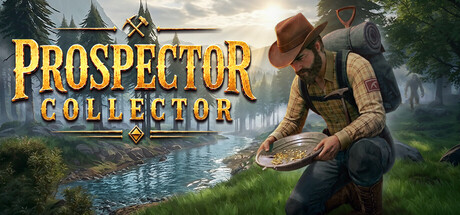 Prospector Collector In-game content audio | This game uses AI-generated audio content, including some music, sound, and voice elements. | Kevuru Games | - | Aug 2, 2026 | |
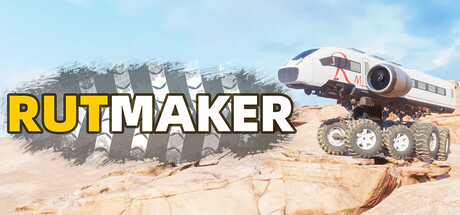 RutMaker In-game content text | The store page and in-game localized text have been translated using AI. | 雷都打不醒 | - | Aug 2, 2026 | |
 Aviator Dev only | AI-assisted tools are becoming part of modern game development, and we believe in being transparent about how we use them. Aviator combines AI-assisted workflows with human creative direction, design, review, and final decision-making throughout development. | Mood for Games | - | Aug 1, 2026 | |
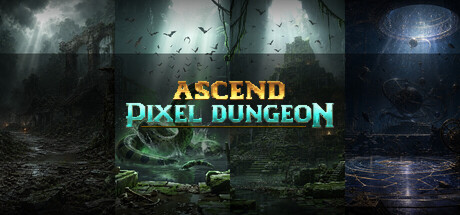 Ascend Pixel Dungeon In-game content artaudiocode | AI was used to create character art, splashes, and maps. Includes additional music and codes. | Heaven's door | - | Aug 1, 2026 | |
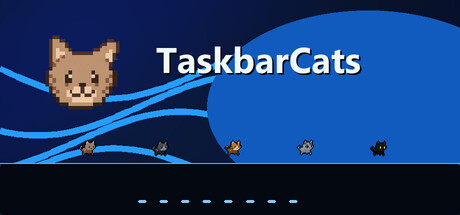 작업표시줄 고양이 In-game content codetext | Generative AI tools were used during development to assist with programming and drafts of some user-interface text and localization. All shipped content was reviewed and edited by the developer. The animated cat artwork is licensed human-created pixel art. Taskbar Cats does not generate AI content during use and does not connect to external AI services. | TSBACK | - | Aug 1, 2026 | |
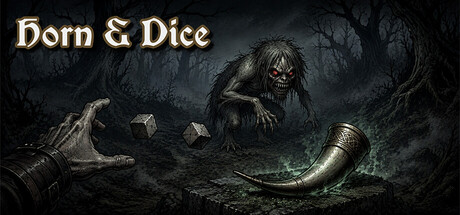 Horn & Dice In-game content arttextaudio | This game uses generative AI tools to assist with the creation of visual art, written text, and audio, all reviewed and curated by the developer. | NookCrew | - | Aug 1, 2026 | |
 MapCity Store/marketing art | Store Assets; Game Graphics | Permadyn Interactive | - | Aug 1, 2026 | |
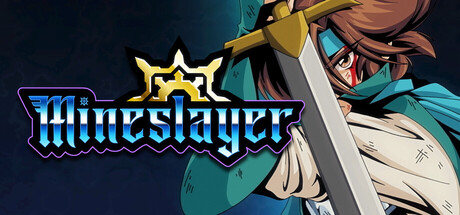 Mineslayer In-game content codetextartaudio | Pre-release, temporary audio and visual publicly available assets have been used that may be AI generated. Programming and localization are LLM assisted. Custom creative content (artwork, sprites, narrative, etc.) is all handcrafted. | Hunny Crystal Games | - | Aug 1, 2026 | |
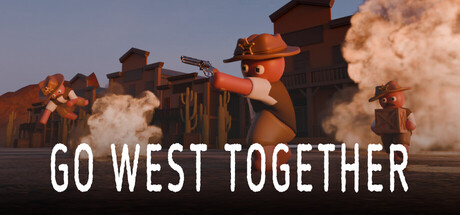 Go West Together In-game content text | localization | MAD Studio | - | Aug 1, 2026 | |
 Corny Johnny In-game content artaudiotext | Johnny Jagung uses generative AI across much of its content. The visual art (character, enemy, boss, and UI artwork), music, sound effects, in-game text, and Indonesian translation were all created with the help of generative AI tools, then reviewed, curated, and assembled into the game by the developer — for instance, character art is hand-edited, composited, and animated from generated source images. All AI-generated content is created during development; the game does not generate anything live while you play. | DozBroz Studio | - | Aug 1, 2026 | |
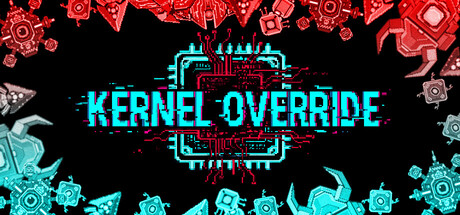 Kernel Override In-game content art | Generative AI was used during the early development phase to create placeholders, concept art base layers, and certain visual assets/sprites. As a solo developer working alongside a demanding full-time job, this technology served as a vital tool to help bring the project's vision to life within limited hours. All AI-generated art has been manually edited, stylized, and integrated by the developer to fit the game's pixel art aesthetic.
Note on Future Development: The developer is fully committed to replacing 100% of the AI-generated visual content with handcrafted, original artwork by the time of the full 1.0 release. | Crimson Riff Games | - | Aug 1, 2026 | |
 MeowWorld In-game content artcode | Generative AI tools were used during development to assist with selected pre-generated visual assets and portions of the programming work. All AI-assisted content is manually reviewed, edited, and integrated by the developer. Visual assets are repainted, adjusted, and brought into a consistent art style before being used in the game or promotional materials. The game does not generate AI content during gameplay and does not connect to any external AI services. | orangelo | - | Aug 1, 2026 | |
 Launch Window In-game content audio | This game uses pre-generated AI content for a small number of UI button press sound effects created during development using ElevenLabs. These audio assets are included in the shipped game and do not generate dynamically during gameplay. The game does not use live generative AI to create player-facing content while the game is running. | Ben Hamilton | - | Aug 1, 2026 | |
 Survive The Oasis Store/marketing art | No AI was used in the game itself, only to generate marketing images and logos. | DHG Game Studio | - | Aug 1, 2026 | |
 FIRE STATE In-game content art | The hero image, small capsule, main capsule, vertical capsule, library capsule, library hero image, library logo and library home page art were created with AI assistance.
The in-game warning UI and spray decals are AI-generated.
Besides this, all gameplay videos and screenshots you see in the store are captured from actual gameplay footage, with no retouching or AI generation applied. | UnderFire | 273 | Jul 31, 2026 | |
 Typing Clash In-game content artaudio | Some BGM, Images made with AI | Yong Games | - | Jul 31, 2026 | |
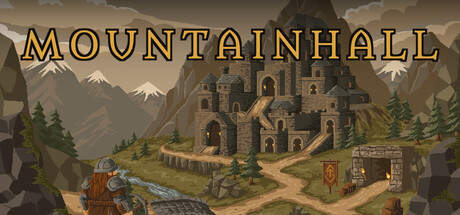 Mountainhall In-game content artaudio | Currently I am developing this game as a solo self-funded "indie dev" and games need a lot of assets to be fun. I currently have used free (Creative Commons Zero) assets for audio, and generative AI for some placeholders in the game. I am currently in the process of finding both audio and visual artists to replace the AI generated assets, it takes time and resources, but ultimately I want all the assets to be hand authored by humans. | Deepmountain Studios | - | Jul 31, 2026 | |
 HALFTIME Manager In-game content artcode | Generative AI was used for UI/UX, coding, and artwork | Lazybraindev | - | Jul 31, 2026 | |
 Political Survival - Head of State In-game content art | This game contains pre-generated AI-assisted visual assets, including promotional store images, character illustrations, icons, backgrounds, and other artwork used in the game. All AI-generated assets have been reviewed, selected, and edited by the developer before being included in the final product. The game does not use live or runtime AI or external AI services during gameplay. | plausegame7 | - | Jul 30, 2026 | |
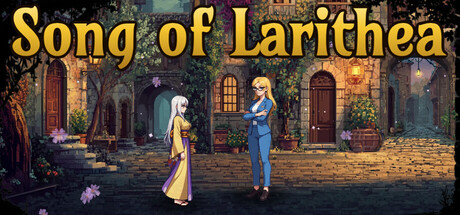 Song of Larithea In-game content artaudiotext | Song of Larithea is made by a solo developer using generative AI across the pipeline: the artwork is AI-generated and then hand-edited in Photoshop, and the voice lines, music, and sound are AI-generated as well. The story is the author's own, adapted from her own novel, with AI helping polish the English text - and future translations will be AI-assisted too. Every asset is reviewed, corrected, and finished by hand before it ships. | Inga Pflaumer | - | Jul 30, 2026 | |
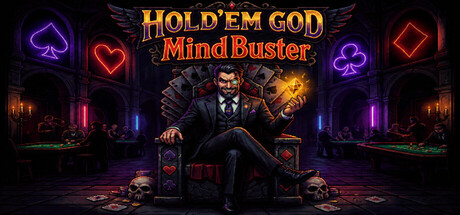 Holdem God - MindBuster In-game content art | We used generative AI tools (such as Midjourney) to pre-generate some background illustrations and story artworks. All generated assets have been carefully reviewed and edited to ensure they do not violate any copyright or community guidelines. | [STUDIO]GreenSkin | - | Jul 30, 2026 | |
 Agon Protocol In-game content artaudio | Generative AI was used to assist with the creation of code-based 3D geometry built in Three.js, as well as some sound assets included in the game. These assets are reviewed, adjusted, and integrated by the developer, and may be revised or replaced throughout development. | Atrimn | - | Jul 30, 2026 | |
 Blue Guy Must Die In-game content art | Note: some imagery for the store page, in-game and marketing is pre-rendered by AI. | Gravistar Games | - | Jul 30, 2026 | |
 Huff & Puff Store/marketing text | Generative AI tools were used to assist with drafting and editing Steam store page text and marketing copy. The game does not use generative AI to create live gameplay content. | RubyxQube Games | - | Jul 30, 2026 | |
 Shadow Slayer | Shadow Slayer is built almost entirely in code. The character and enemy art is
drawn procedurally as vector graphics, and the sound effects and adaptive music
layers are synthesized in real time in the browser - none of that is AI-generated.
Generative AI tools were used to help create some of the content that ships with
the game:
- Music: several of the recorded background-music tracks were produced with the
help of generative AI music tools.
- Localization: the non-English translations were produced with AI-assisted
translation and reviewed by the developer.
- Store page & marketing images: some capsule/promotional artwork was created
with generative AI image tools.
All AI-assisted content was selected, edited, and integrated by a human
developer. No AI content is generated live while you play - everything ships
pre-made and reviewed. | Solvaris | - | Jul 30, 2026 | |
 xvorogue Dev only | Pre-rendered content used to fill in game for testing and early access as development and artistic design are completed for full release in 2027 | aerbuf | - | Jul 30, 2026 | |
 Prison Cook Simulator In-game content artaudio | This game may use AI tools to help create some map and UI assets used inside the game, along with sound effects, since the small development team does not include a dedicated UI or sound designer. All content assisted by AI is reviewed and adjusted by the developer before being included in the game. No AI is used to generate content in real time during gameplay, and core visual art is created without AI. We are working to remove all AI visuals before the full release. | Alpak Games | - | Jul 30, 2026 | |
 修仙·卦象录 In-game content art | Some of this game's assets were created with the assistance of generative AI tools during development, and were curated and edited by the developer. | Bixie Games | - | Jul 30, 2026 | |
 中国篮球经理:王朝之路 In-game content art | Generative AI was used to create a small portion of the game’s artwork. | DaiFire | - | Jul 30, 2026 | |
 星塔游戈 Celestial Sentinel In-game content artaudiocodetext | During the process of production, generative AI may be used in following processes: coding and debugging, production of conceptual art of game assets, production of rough models of game assets, production of simple animation effects, restoration of image, audio or video quality, localization and translation. All AI generated game assets that appear directly in game are revised and finalized by real human artists. | 野象游戏工作室 Elephas Game Studio | - | Jul 30, 2026 | |
 Desert Echo In-game content audio | This game uses AI-generated music (Suno) and AI-generated voice acting (ElevenLabs). All AI-generated content has been reviewed and curated by the developer before inclusion in the game. | DevTraum GmbH | - | Jul 30, 2026 | |
 Seyrfall Online In-game content art | We use generative AI to generate and enchance existing UI Assets as well as helping us generate our logos and sprites as we don't have a artist for this. | Shaken Studio | - | Jul 30, 2026 | |
 SIQIL In-game content artaudio | Generative AI was used to assist in creating some UI elements and sound effects. All AI-generated assets were reviewed and edited by the developer before being included in the game. | Arcerus | - | Jul 30, 2026 | |
 Phase Party Dev only artcode | About the Use of AI in the Game
AI-assisted tools have been used in various aspects of this project's development process.
Programming: AI-assisted tools were used during the development of game systems, user interfaces, and various technical features. The generated code was reviewed, edited, tested, and adapted to the project's needs by the development team.
Visuals: AI tools were used in the creation of certain concept designs, environment artwork, and visual content. However, all content was reviewed, refined, and adapted to fit the artistic direction of the project by the development team.
Creative Process: The development process generally follows three stages. First, the game concept, environment designs, and core creative decisions are created by the team. AI tools are then used to generate alternative ideas, variations, and more detailed iterations of existing concepts. Finally, all results are reviewed, refined, and improved through manual quality control processes.
For example, some environment designs begin with compositions and layouts created by the team. AI tools may then be used to assist with additional detailing, after which the final adjustments and refinements are completed manually.
Our goal is to use AI as a tool that supports the creative process while ensuring that all creative decisions, project direction, and final quality control remain under human supervision. | Estimado Studio | - | Jul 30, 2026 | |
 Ricochet Abyss In-game content text | Generative AI was used to assist with initial drafts of some localized text. All final translations were manually reviewed and edited.
No AI-generated artwork, animation, audio, code, or live-generated content is included in the game. All visual assets shown in the game and on the store page were created by human artists. | DreamForge | 65 | Jul 30, 2026 | |
 Lv Down RPG In-game content artaudio | The visual and audio assets in Lv Down RPG were created with the assistance of generative AI tools during development. All assets were selected, reviewed, edited, and integrated by the developer. Game design, programming, systems, and balancing were created by the developer. No AI content is generated during gameplay. | FlashForm | - | Jul 29, 2026 | |
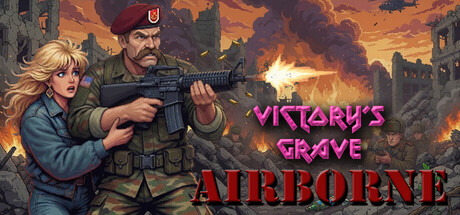 Victory's Grave: Airborne In-game content artcodetext | This game uses a mix of human and generative AI tools. AI was used in some visual art assets, code generation, and portions of the store page text. All writing in the game, voice acting, and music are fully human-created. | Old Glory Studios | - | Jul 29, 2026 | |
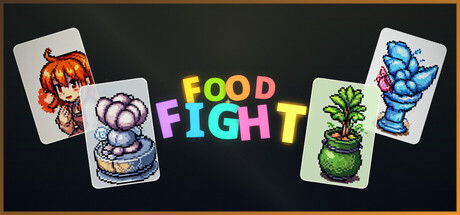 Food Fight In-game content textart | Some item names and interface translations into languages other than English were created
with AI assistance, then carefully reviewed and edited by the developer. Parts of the 2D
artwork were created with image generation tools, then carefully curated, edited, and
composited by hand. Audio was created by people and comes from CC0-licensed sources with
attribution. No AI content is generated during gameplay. The game does not generate AI
content at runtime, and no player data is ever sent to any AI service. | Midnight Pixel | - | Jul 29, 2026 | |
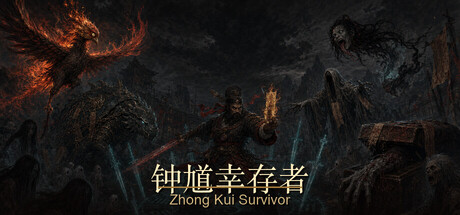 钟馗幸存者 In-game content art | This game uses generative AI tools (such as PixelLab) during development to create or assist with some pre-rendered pixel art: enemy/character sprites, UI panels, visual effects, and certain store or marketing stills.
There is no live generative AI during gameplay. The game does not generate images, text, or audio with AI while you play. | fanyifan | - | Jul 29, 2026 | |
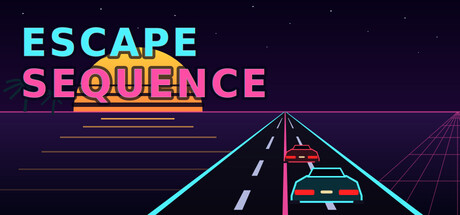 Escape Sequence In-game content audiotext | AI tools were used during development to assist with writing code, and to produce two categories of content shipped with the game: the original synthwave soundtrack (composed with AI music generation, curated and selected by the developer) and the interface translations for the non-English languages (reviewed by the developer). Some store page text was also drafted with AI assistance. All in-game worlds are generated procedurally by hand-written algorithms — no AI content is generated at runtime. | One Mind Games | - | Jul 29, 2026 | |
 Caribbean Prospector In-game content artcodetext | Some pre-rendered 2D artwork (several of the optional tile-art style packs, plus store capsule and marketing images) was created with generative AI image tools, then curated, edited and integrated by the developer. Portions of the game's code and text were written with AI coding assistance under full human review. The game does not generate any content with AI at runtime, and contains no AI chat features. | Denis Salanta | - | Jul 29, 2026 | |
 Gulugulu Live AI arttext | This game uses generative AI. Some art, UI text and pet quotes were made with AI assistance and human-reviewed. The optional AI Fusion feature uses your own local Claude Code / Codex CLI to design creatures (restricted parametric vector art, schema-validated), shown on your machine and optionally shared via Steam Workshop. No online AI service, no API key. | Mobi Studio | - | Jul 29, 2026 | |
 A Sector Darkly Store/marketing art | After the creation of assets by an artist, the team used gen AI to generate backdrops for assets, and general backgrounds.
Gen AI was used to amalgamate artist created assets into grouped assets. E.g. the aliens which were created by the artist are then rendered together by AI for a promotional image.
This means only the back scape mainly promotional artwork and character backgrounds were generated by AI. | A Paradise Lost Studios | - | Jul 29, 2026 | |
 TEST 5 In-game content artaudio | Some material images and sound effects are AI-generated. | wanghaoran | - | Jul 29, 2026 | |
 Game Frame Store/marketing art | Only the store capsule images and marketing assets were created with the assistance of AI tools to enhance visual quality. No in-software code, gameplay mechanics, or core content is AI-generated. We have ensured that these images do not infringe on any third-party IP. | Stone Pit Sons | - | Jul 29, 2026 | |
 End of War: Global Front Unclear artaudiotext | Assets, Pictures, Sounds, translation | Ironpathgames | - | Jul 29, 2026 | |
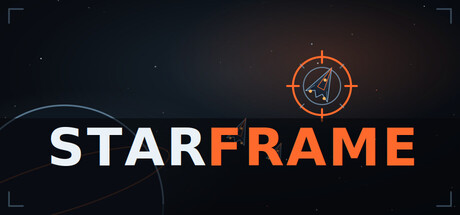 StarFrame In-game content arttext | Generative AI tools were used to help create some of StarFrame's content: certain promotional artwork on the store page, and some in-game text such as tutorial instructions and item descriptions. These were reviewed, adjusted, and finalized by the development team manually. | StarFrame Development Team | - | Jul 29, 2026 | |
 一把菜刀打天下 Unclear | This game contains some assets produced with the assistance of AI tools | 社會菜刀 | - | Jul 29, 2026 | |
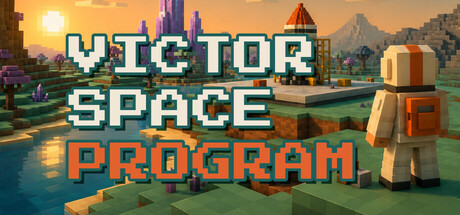 Victor Space Program In-game content audiotextart | We use AI for marketing materials, localization and music. | Victor Game Studio | - | Jul 28, 2026 | |
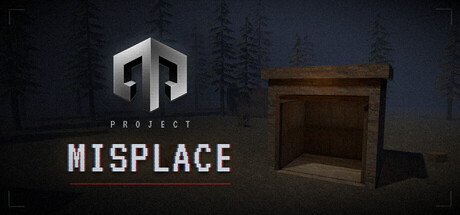 Project MISPLACE Dev only code | What type of code?
Game logic, UI systems, audio management, and narrative engine code written in Python with PySide6.
How are you using it?
AI (Claude) was used as a coding assistant during development. The developer directed all features, reviewed all generated code, tested functionality, and made final implementation decisions. The AI assisted with writing and debugging code based on human specifications.
(AI was used as a coding assistant. All code was human-reviewed, tested, and approved before implementation. The game is offline single-player with no features that could enable malicious use.) | MelloTodd | - | Jul 28, 2026 |


