Public Steam disclosure research25,383 disclosures tracked
Where do games disclose AI use?
Search developers’ Steam disclosures, compare classified AI use across
games, and follow recorded changes.
This index adds cross-game classifications and statistics to
statements published on individual store pages.
Groups reflect automatic analysis of public disclosures; mature records are excluded. These counts do not measure AI use across all of Steam.
Missing or unclear statements cannot establish whether a game uses AI.
We used AI in some of the UI assets of the game. It was used for ideas as well as to generate some of the icons that would then be cleaned up by us and added in.
Our main programmer didn't use any AI for code, but our newbie programmer did use it to help with learning code and to develop/help with smaller portions of the game.
Some illustrations such as backgrounds or monsters were created using AI-based tools during development, and were modified before use.
No live generation or AI-based interaction is included in the gameplay itself.
Our team utilizes generative AI tools during the art creation process for concept prototyping and base asset generation. All AI-generated content has been extensively refined, repainted, and polished by hand to ensure a consistent visual style, originality, and high artistic quality.
Generative AI tools were used as part of the development process to assist with idea exploration, writing support, localization support, and the creation or refinement of some visual and marketing materials. All final content was reviewed, edited, and implemented by the developer.
All pixel art in the game is designed, hand-drawn and animated by our artists. No generative AI is used in any step of this process.
However, we use generative AI for promotional material. The concepts are first custom designed by our artists, and generative AI is used in an assistive role (e.g. sharpening, upscaling, etc.) to realize their artistic vision.
The 'Battle' framework is a separate game mode, but uses references to the 'Collectible' framework and vice versa. The 'Battle' framework was created with AI assistance; the Collectible framework was not, though they work in tandem. Additionally, there are card arts which were created humans, and card arts which were created with AI, though edited manually by humans. You can toggle between them in settings.
We used AI to generate game icon, in-game start menu background and all promotional images (except for in-game screenshots) for the store page, including cover, banner, library cover, game icon, and character illustration in the description.
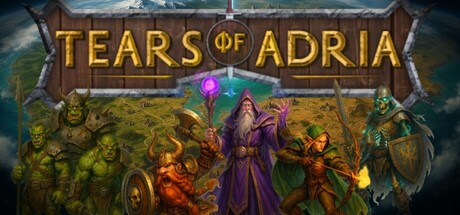
Tears of Adria was created by a very small team.
We used our resources to work with three talented artists. Most portraits along with some icons and images are AI-created.
Voice lines are primarily performed by real voice actors, very few are generated and some are AI enhanced.
Generative AI tools are used as part of our development workflow to support concept exploration, character design, visual development, marketing media, video production, 3D modeling workflows, and code assistance. All AI-assisted content is reviewed, edited, and integrated by our development team before being included in the game or store materials. The game does not generate AI content live during gameplay.
We don't use "black box" models trained on stolen art. Our generative models are trained exclusively on our own proprietary assets, sketches, and source material. If the AI didn't learn it from our own artists, it doesn't exist in our pipeline. No scraping, no copyright infringement, no "oops, that looks like a famous illustrator's style" moments.
We aren't using AI to write our stories or paint our worlds we still prefer the human touch for that. Generative technology is strictly limited to in-game animations.
We built our own "brain," fed it only our own art, and it only helps with the "wiggly bits" (animations). Everything else is pure, unadulterated human effort.
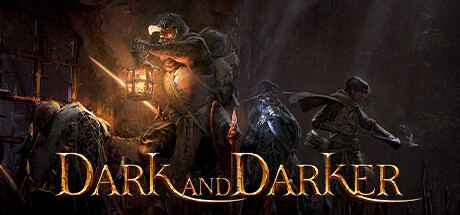
Dark and Darker has begun utilizing AI-powered tools in the content creation process. All elements that make up the essence of the game are still done by the people who make this game.
AI was used to generate some basic art assets, which were then modified by humans.AI was used to generate some basic art assets, which were then modified by humans.
How we use artificial intelligence:
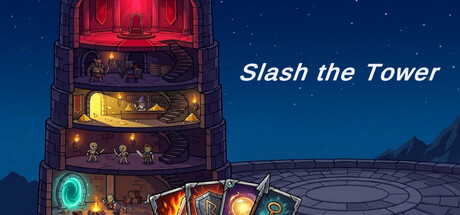
Some creative assets in Slash The Tower were created with the help of generative AI.
Art and music were produced using Google Gemini (AI-assisted generation). Those assets are pre-made and shipped with the game—they are not generated live while you play.
Game code and parts of the user interface were developed with assistance from Cursor (an AI-enabled editor) together with Unity. That means design and implementation were guided by us as developers, with AI helping draft or refine code and UI-related work—not replacing human creative direction for the whole game.
We do not use generative AI to create personalized or real-time content for each player session beyond what is described above. If we add AI-generated material to the Steam store page, community hubs, or marketing, we will treat it the same way: clearly labeled and consistent with this approach.
This game uses AI-generated content in the following areas: select voice lines were produced using text-to-speech, and some store page artwork and marketing capsule images were created with the assistance of AI image generation tools. All core gameplay art, sprites, game mechanics, code, and level design were not generated by AI.
Mystic Grove uses generative AI in a limited supporting role for certain pre-rendered content, including music and some 2D visual assets such as skill images, spec node images, and related artwork. The core game itself — including gameplay systems, programming, combat, level design, map creation, and overall development — is solely created by the developer. Mystic Grove does not use live-generated AI content during gameplay.
I used a text-based generative AI (LLM) to assist with the English translation (localization) of all in-game text (dialogue, UI, system messages) and to help write the English descriptions for the Steam store page.
Some visual assets in the game, including icons and promotional illustrations (splash art), were created with the assistance of AI tools and were then edited and integrated into the game by the developer.
Some of the game's art, audio, video and code logic were developed with the assistance of AI tools. All AI-assisted content has been manually reviewed and modified by the developer to ensure quality and creative integrity.
This game uses AI-generated visual content in both the store page and in-game assets. Specifically: store page artwork (header, capsule images, and screenshots backgrounds), in-game character sprites, enemy sprites, background art, visual effects, item icons, and sprite-based animations were created with the assistance of AI image generation tools. All AI-generated content was reviewed, selected, edited, and refined by the development team to fit the game's art style. No AI-generated content is produced during gameplay — all assets are pre-rendered and curated before distribution.
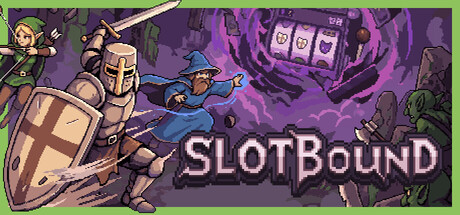
Some visual assets and promotional materials for Slotbound were created with the assistance of generative AI tools.
All AI-generated content was reviewed, refined, and integrated by the developer to ensure consistency with the game's artistic direction and quality standards.
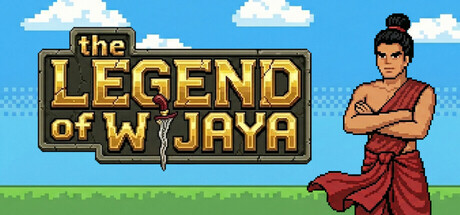
The Legend of Wijaya utilizes pre-generated AI tools strictly as an assistive foundation for a minor portion of background environmental assets and foundational music tracks. All AI-assisted content is heavily manually edited, polished, and arranged by the developer to ensure it strictly matches the handcrafted pixel-art aesthetic and historical tone of the game.
"Approximately 30 static monster sprites were created using the Nana Banana AI tool to serve as high-fidelity placeholders for this solo-developed project. These assets are a temporary measure to realize the game's tactical scope; we are committed to replacing them with handcrafted human artwork as development milestones are met. We confirm these materials do not contain illegal content or infringe on existing intellectual property."
This game uses AI-generated content. Marketing artwork and store capsule images were created using image generation. Voice narration audio was generated using text-to-speech AI. Game code was developed with AI assistance. All AI-generated content was reviewed and curated by the developer.
We used AI in some of the UI assets of the game. It was used for ideas as well as to generate some of the icons that would then be cleaned up by us and added in.
Our main programmer didn't use any AI for code, but our newbie programmer did use it to help with learning code and to develop/help with smaller portions of the game.
Some illustrations such as backgrounds or monsters were created using AI-based tools during development, and were modified before use.
No live generation or AI-based interaction is included in the gameplay itself.
Our team utilizes generative AI tools during the art creation process for concept prototyping and base asset generation. All AI-generated content has been extensively refined, repainted, and polished by hand to ensure a consistent visual style, originality, and high artistic quality.
Generative AI tools were used as part of the development process to assist with idea exploration, writing support, localization support, and the creation or refinement of some visual and marketing materials. All final content was reviewed, edited, and implemented by the developer.
All pixel art in the game is designed, hand-drawn and animated by our artists. No generative AI is used in any step of this process.
However, we use generative AI for promotional material. The concepts are first custom designed by our artists, and generative AI is used in an assistive role (e.g. sharpening, upscaling, etc.) to realize their artistic vision.
The 'Battle' framework is a separate game mode, but uses references to the 'Collectible' framework and vice versa. The 'Battle' framework was created with AI assistance; the Collectible framework was not, though they work in tandem. Additionally, there are card arts which were created humans, and card arts which were created with AI, though edited manually by humans. You can toggle between them in settings.
We used AI to generate game icon, in-game start menu background and all promotional images (except for in-game screenshots) for the store page, including cover, banner, library cover, game icon, and character illustration in the description.
Tears of Adria was created by a very small team.
We used our resources to work with three talented artists. Most portraits along with some icons and images are AI-created.
Voice lines are primarily performed by real voice actors, very few are generated and some are AI enhanced.
Generative AI tools are used as part of our development workflow to support concept exploration, character design, visual development, marketing media, video production, 3D modeling workflows, and code assistance. All AI-assisted content is reviewed, edited, and integrated by our development team before being included in the game or store materials. The game does not generate AI content live during gameplay.
We don't use "black box" models trained on stolen art. Our generative models are trained exclusively on our own proprietary assets, sketches, and source material. If the AI didn't learn it from our own artists, it doesn't exist in our pipeline. No scraping, no copyright infringement, no "oops, that looks like a famous illustrator's style" moments.
We aren't using AI to write our stories or paint our worlds we still prefer the human touch for that. Generative technology is strictly limited to in-game animations.
We built our own "brain," fed it only our own art, and it only helps with the "wiggly bits" (animations). Everything else is pure, unadulterated human effort.
Dark and Darker has begun utilizing AI-powered tools in the content creation process. All elements that make up the essence of the game are still done by the people who make this game.
AI was used to generate some basic art assets, which were then modified by humans.AI was used to generate some basic art assets, which were then modified by humans.
How we use artificial intelligence:
Some creative assets in Slash The Tower were created with the help of generative AI.
Art and music were produced using Google Gemini (AI-assisted generation). Those assets are pre-made and shipped with the game—they are not generated live while you play.
Game code and parts of the user interface were developed with assistance from Cursor (an AI-enabled editor) together with Unity. That means design and implementation were guided by us as developers, with AI helping draft or refine code and UI-related work—not replacing human creative direction for the whole game.
We do not use generative AI to create personalized or real-time content for each player session beyond what is described above. If we add AI-generated material to the Steam store page, community hubs, or marketing, we will treat it the same way: clearly labeled and consistent with this approach.
This game uses AI-generated content in the following areas: select voice lines were produced using text-to-speech, and some store page artwork and marketing capsule images were created with the assistance of AI image generation tools. All core gameplay art, sprites, game mechanics, code, and level design were not generated by AI.
Mystic Grove uses generative AI in a limited supporting role for certain pre-rendered content, including music and some 2D visual assets such as skill images, spec node images, and related artwork. The core game itself — including gameplay systems, programming, combat, level design, map creation, and overall development — is solely created by the developer. Mystic Grove does not use live-generated AI content during gameplay.
I used a text-based generative AI (LLM) to assist with the English translation (localization) of all in-game text (dialogue, UI, system messages) and to help write the English descriptions for the Steam store page.
Some visual assets in the game, including icons and promotional illustrations (splash art), were created with the assistance of AI tools and were then edited and integrated into the game by the developer.
Some of the game's art, audio, video and code logic were developed with the assistance of AI tools. All AI-assisted content has been manually reviewed and modified by the developer to ensure quality and creative integrity.
This game uses AI-generated visual content in both the store page and in-game assets. Specifically: store page artwork (header, capsule images, and screenshots backgrounds), in-game character sprites, enemy sprites, background art, visual effects, item icons, and sprite-based animations were created with the assistance of AI image generation tools. All AI-generated content was reviewed, selected, edited, and refined by the development team to fit the game's art style. No AI-generated content is produced during gameplay — all assets are pre-rendered and curated before distribution.
Some visual assets and promotional materials for Slotbound were created with the assistance of generative AI tools.
All AI-generated content was reviewed, refined, and integrated by the developer to ensure consistency with the game's artistic direction and quality standards.
The Legend of Wijaya utilizes pre-generated AI tools strictly as an assistive foundation for a minor portion of background environmental assets and foundational music tracks. All AI-assisted content is heavily manually edited, polished, and arranged by the developer to ensure it strictly matches the handcrafted pixel-art aesthetic and historical tone of the game.
"Approximately 30 static monster sprites were created using the Nana Banana AI tool to serve as high-fidelity placeholders for this solo-developed project. These assets are a temporary measure to realize the game's tactical scope; we are committed to replacing them with handcrafted human artwork as development milestones are met. We confirm these materials do not contain illegal content or infringe on existing intellectual property."
This game uses AI-generated content. Marketing artwork and store capsule images were created using image generation. Voice narration audio was generated using text-to-speech AI. Game code was developed with AI assistance. All AI-generated content was reviewed and curated by the developer.