Public Steam disclosure research25,383 disclosures tracked
Where do games disclose AI use?
Search developers’ Steam disclosures, compare classified AI use across
games, and follow recorded changes.
This index adds cross-game classifications and statistics to
statements published on individual store pages.
Groups reflect automatic analysis of public disclosures; mature records are excluded. These counts do not measure AI use across all of Steam.
Missing or unclear statements cannot establish whether a game uses AI.
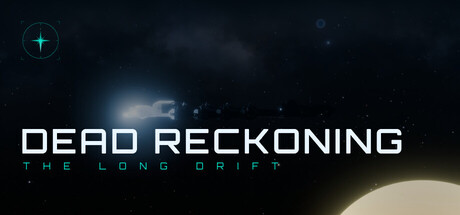
Dead Reckoning is written, and designed by one person. I want to be precise about where AI tools do and don't appear in it.
Creative content — no generative AI. All writing, narrative, and design is mine. I've worked as a technical writer for twelve years; the game's voice is my own. All art and visual assets are hand-made or licensed from named human artists. All music and sound effects are licensed from named human creators (public domain / Creative Commons) — none of it is AI-generated. This is a hard line and I intend to keep it.
Development & release tooling — where AI assists. I use AI in the engineering and release pipeline only, never to author the game itself:
- Coding assistance while writing the game's GDScript.
- An automated QA/test harness that plays the simulation thousands of times to catch crashes and balance regressions.
- Assistance in building linters (Valve YAML sheets) that check the project's text.
- Drafting and summarizing the release notes (patch notes) from the project's changelog.
None of this creates any of the writing, art, audio, or design inside the game.
Localization. The four translations (German, French, Italian, Spanish) are machine-translated by DeepL from my English source, with automated guards that fall back to English wherever a translation would break. This is an accessibility vs. quality decision, and I decided on the former. Proper localizations are planned and will be contracted out if the budget allows.
Artificial intelligence tools were used during the development of this game.
AI-assisted tools were utilized in certain parts of the coding process and for generating some visual assets.
All AI-generated content has been reviewed, modified, and integrated by the developer to ensure consistency and quality.
The in-game character sprites and 2D scene graphics are created using AI and subsequently refined in post-production. They have been labeled during the game review process. Please exercise caution when making purchases.
AI tools were used to accelerate game development and localization.
No real-time AI generation during gameplay.
The game contains a humorous nod to AI culture inspired by the development process.
This game uses AI-generated imagery for store page assets and marketing materials. Including, capsule art and banner images. AI-generated music was used in the trailer and promotional materials. All in-game content is crated by developer.
AI-generated images were used during the concept and reference phase. All final in-game artwork, including card illustrations, backgrounds, UI elements, and promotional materials, was hand-crafted and finalized by the developer.
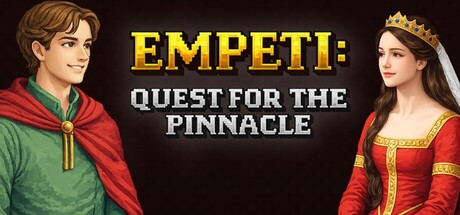
Empetiti: Quest for the Pinnacle uses generative AI as part of the production pipeline for selected images and voice-over/audio assets appearing in the game and some promotional materials. These assets are reviewed and refined by the development team before being published. The game does not use live-generated AI during gameplay.
THE GAME IS CONSTANTLY BEING REWORKED TO FURTHER MINIMISE THE USE OF AI-GENERATED IMAGES AND VOICES.
Character portraits, battle scene backgrounds, and promotional artwork were created using AI image generation (Midjourney). All game design, narrative, code, and music are human-created.
We use AI to improve our work in all spheres of the game. We generate images where appropriate and enhance them where it makes the game better. AI helps us with animations and in-between frames in cutscenes, and also assists in writing music
Some visual assets and artwork in this game were created with the assistance of generative AI tools and then curated, edited, and integrated by the developer.
All final content has been reviewed and adjusted to ensure consistency, quality, and compliance with Steam guidelines.
Some visual and textual elements of this game were initially created using generative artificial intelligence tools as part of the development process. All content has subsequently been reviewed, edited, and manually refined by the team to ensure its quality, consistency, and suitability for the final game experience.
The promotional video visuals, character portrait concepts, and trailer voiceovers for this game were assisted by generative AI tools (such as Midjourney and ElevenLabs). All AI-generated assets have been strictly curated, manually edited, and composited by the developer to ensure they match the game's creative vision.
AI-powered image generation tools were used to create the game's visual elements, including character and environment images. AI tools were also used to support translations into multiple languages.
This game was made using tools like Photoshop, Chat GPT and Grok. As a solo developer it is useful to have these tools available to create games like this one.
This game utilizes AI technology to generate certain image assets used for illustrative and descriptive purposes (e.g., item descriptions and UI-based visuals)
Some visual assets used in this game were created with the help of AI-assisted tools during development. AI-assisted tools were also used for parts of the programming process. No AI is used during gameplay, and the game does not generate live content for players.
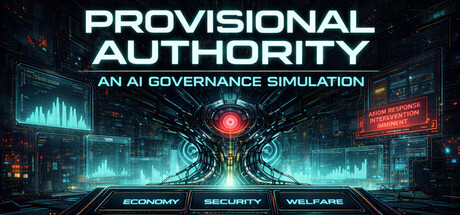
An AI was consulted for ideas on how an AI would act if taking over the world. Game logo image was generated using generative artificial intelligence. Music before remixing/producing created with generative AI.
This game extensively uses generative AI in its development, including:
- Visual art creation (backgrounds, character sprites, interfaces, and icons)
- Music composition and audio effects
- Narrative development, dialogues, and script
All AI-generated content was curated, reviewed, edited, and manually integrated by the developer to ensure narrative coherence, artistic quality, and smooth gameplay experience. Creative direction, gameplay design, technical implementation, programming, and design decisions were made by humans.
As the developer, I am responsible for the game's scenario and overall production.
AI tools were used to generate the character assets, background images, and BGM, all of which were then customized for the game.
Sound effects were sourced from free material libraries.
Some visual assets, such as store capsule images and in-game card illustrations, were created with the assistance of generative AI tools. All gameplay and code are original.
Exactly half of this game's content is AI-generated.This is intentional, and part of the gameplay - designed to convey the difference between AI-created and human-made works.[AI Usage] - AI Mode character graphics: AI-generated - AI Mode scenario / script: AI-generated - AI Mode audio: AI-generated - The giraffe - Any other elements necessary for in-game[Non-AI Usage] - Organic Mode character art: Human-made - Organic Mode story: Human-made - Organic Mode music / sound effects: Human-made - Any other elements necessary for in-game cinematics※ All content was pre-produced during development. No real-time AI generation is used during gameplay.
We use generative AI only for temporary placeholder images during development. All AI-generated placeholders will be removed and replaced with human-created artwork before release.
Some localization for languages other than Japanese was initially created using machine translation tools.
These translations may be revised or replaced with human translations in future updates.
No AI-generated content was used for the game's artwork, audio, or story.
This game uses generative AI for dynamic dialogue and narrative progression with the main character, "Lily." Instead of relying on pre-set options, this technology allows the character to generate natural responses and take appropriate actions based on the specific context of the player's real-time voice input.
This game uses generative artificial intelligence (AI) in limited aspects of its development.
Some background images in the game were created with the assistance of AI tools. In addition, AI was used to help translate in-game text into multiple languages. All AI-generated content has been reviewed and integrated by the developer to ensure quality and consistency.
Dead Reckoning is written, and designed by one person. I want to be precise about where AI tools do and don't appear in it.
Creative content — no generative AI. All writing, narrative, and design is mine. I've worked as a technical writer for twelve years; the game's voice is my own. All art and visual assets are hand-made or licensed from named human artists. All music and sound effects are licensed from named human creators (public domain / Creative Commons) — none of it is AI-generated. This is a hard line and I intend to keep it.
Development & release tooling — where AI assists. I use AI in the engineering and release pipeline only, never to author the game itself:
- Coding assistance while writing the game's GDScript.
- An automated QA/test harness that plays the simulation thousands of times to catch crashes and balance regressions.
- Assistance in building linters (Valve YAML sheets) that check the project's text.
- Drafting and summarizing the release notes (patch notes) from the project's changelog.
None of this creates any of the writing, art, audio, or design inside the game.
Localization. The four translations (German, French, Italian, Spanish) are machine-translated by DeepL from my English source, with automated guards that fall back to English wherever a translation would break. This is an accessibility vs. quality decision, and I decided on the former. Proper localizations are planned and will be contracted out if the budget allows.
Artificial intelligence tools were used during the development of this game.
AI-assisted tools were utilized in certain parts of the coding process and for generating some visual assets.
All AI-generated content has been reviewed, modified, and integrated by the developer to ensure consistency and quality.
The in-game character sprites and 2D scene graphics are created using AI and subsequently refined in post-production. They have been labeled during the game review process. Please exercise caution when making purchases.
AI tools were used to accelerate game development and localization.
No real-time AI generation during gameplay.
The game contains a humorous nod to AI culture inspired by the development process.
This game uses AI-generated imagery for store page assets and marketing materials. Including, capsule art and banner images. AI-generated music was used in the trailer and promotional materials. All in-game content is crated by developer.
AI-generated images were used during the concept and reference phase. All final in-game artwork, including card illustrations, backgrounds, UI elements, and promotional materials, was hand-crafted and finalized by the developer.
Empetiti: Quest for the Pinnacle uses generative AI as part of the production pipeline for selected images and voice-over/audio assets appearing in the game and some promotional materials. These assets are reviewed and refined by the development team before being published. The game does not use live-generated AI during gameplay.
THE GAME IS CONSTANTLY BEING REWORKED TO FURTHER MINIMISE THE USE OF AI-GENERATED IMAGES AND VOICES.
Character portraits, battle scene backgrounds, and promotional artwork were created using AI image generation (Midjourney). All game design, narrative, code, and music are human-created.
We use AI to improve our work in all spheres of the game. We generate images where appropriate and enhance them where it makes the game better. AI helps us with animations and in-between frames in cutscenes, and also assists in writing music
Some visual assets and artwork in this game were created with the assistance of generative AI tools and then curated, edited, and integrated by the developer.
All final content has been reviewed and adjusted to ensure consistency, quality, and compliance with Steam guidelines.
Some visual and textual elements of this game were initially created using generative artificial intelligence tools as part of the development process. All content has subsequently been reviewed, edited, and manually refined by the team to ensure its quality, consistency, and suitability for the final game experience.
The promotional video visuals, character portrait concepts, and trailer voiceovers for this game were assisted by generative AI tools (such as Midjourney and ElevenLabs). All AI-generated assets have been strictly curated, manually edited, and composited by the developer to ensure they match the game's creative vision.
AI-powered image generation tools were used to create the game's visual elements, including character and environment images. AI tools were also used to support translations into multiple languages.
This game was made using tools like Photoshop, Chat GPT and Grok. As a solo developer it is useful to have these tools available to create games like this one.
This game utilizes AI technology to generate certain image assets used for illustrative and descriptive purposes (e.g., item descriptions and UI-based visuals)
Some visual assets used in this game were created with the help of AI-assisted tools during development. AI-assisted tools were also used for parts of the programming process. No AI is used during gameplay, and the game does not generate live content for players.
An AI was consulted for ideas on how an AI would act if taking over the world. Game logo image was generated using generative artificial intelligence. Music before remixing/producing created with generative AI.
This game extensively uses generative AI in its development, including:
- Visual art creation (backgrounds, character sprites, interfaces, and icons)
- Music composition and audio effects
- Narrative development, dialogues, and script
All AI-generated content was curated, reviewed, edited, and manually integrated by the developer to ensure narrative coherence, artistic quality, and smooth gameplay experience. Creative direction, gameplay design, technical implementation, programming, and design decisions were made by humans.
As the developer, I am responsible for the game's scenario and overall production.
AI tools were used to generate the character assets, background images, and BGM, all of which were then customized for the game.
Sound effects were sourced from free material libraries.
Some visual assets, such as store capsule images and in-game card illustrations, were created with the assistance of generative AI tools. All gameplay and code are original.
Exactly half of this game's content is AI-generated.This is intentional, and part of the gameplay - designed to convey the difference between AI-created and human-made works.[AI Usage] - AI Mode character graphics: AI-generated - AI Mode scenario / script: AI-generated - AI Mode audio: AI-generated - The giraffe - Any other elements necessary for in-game[Non-AI Usage] - Organic Mode character art: Human-made - Organic Mode story: Human-made - Organic Mode music / sound effects: Human-made - Any other elements necessary for in-game cinematics※ All content was pre-produced during development. No real-time AI generation is used during gameplay.
We use generative AI only for temporary placeholder images during development. All AI-generated placeholders will be removed and replaced with human-created artwork before release.
Some localization for languages other than Japanese was initially created using machine translation tools.
These translations may be revised or replaced with human translations in future updates.
No AI-generated content was used for the game's artwork, audio, or story.
This game uses generative AI for dynamic dialogue and narrative progression with the main character, "Lily." Instead of relying on pre-set options, this technology allows the character to generate natural responses and take appropriate actions based on the specific context of the player's real-time voice input.
This game uses generative artificial intelligence (AI) in limited aspects of its development.
Some background images in the game were created with the assistance of AI tools. In addition, AI was used to help translate in-game text into multiple languages. All AI-generated content has been reviewed and integrated by the developer to ensure quality and consistency.