








Disclosure
Some card‑art images were initially generated by generative‑AI tools, then manually edited, redrawn and processed by developers. No AI‑generated content is created during gameplay.
- Creator
- SU HANTIAN
- Reviews
- -
- Added
- Aug 11, 2026
Public Steam disclosure research 25,383 disclosures tracked
Search developers’ Steam disclosures, compare classified AI use across games, and follow recorded changes. This index adds cross-game classifications and statistics to statements published on individual store pages.
Code help, debugging and other development work.
Capsule art, trailers and promotional material.
Pre-made art, audio, writing and other game assets.
Interactive or runtime AI features disclosed by the developer.
Groups reflect automatic analysis of public disclosures; mature records are excluded. These counts do not measure AI use across all of Steam. Missing or unclear statements cannot establish whether a game uses AI.
Some card‑art images were initially generated by generative‑AI tools, then manually edited, redrawn and processed by developers. No AI‑generated content is created during gameplay.
Generative artificial intelligence was used to create the artwork for HexLight’s Steam achievement icons. The resulting images were reviewed and prepared for use by the developer.
AI Generated illustrations
The game contains a few voice lines that where generated using a text-to-speech service. I assume this service used some sort of gen-AI. For some translations an AI was used for proofreading.
Game includes translations made with AI tools
All ideas and features of the game where designed by the development team, but AI has been used in the actual generation of the images/textures, smoothing images/textures for final review and release to include the assets seen in the trailer. AI has also been used to find crucial bugs before release of the game.
Some code and marketing content may be generated by AI.
AI translation tools were used to produce the localized text for the game. Additionally, initial concept drafts for select visual assets were generated using AI, but were subsequently heavily modified, painted over, and finalized by human artists.
Some of this game's artwork (including store capsules and background art) was created with the help of generative AI image tools. All AI-assisted content was reviewed, edited, and curated by the developer. The game generates no AI content at runtime; opponent behavior uses traditional, hand-authored game logic
Operation: Horumus is a "vibe coding" experiment. Most of the game's content — code, game design, pixel art, sound effects, procedural music, narrative writing, and all four language localizations (English, Korean, Japanese, Simplified Chinese) — was developed with extensive use of generative AI tools, under the developer's direction. Every creative and technical decision was made by the developer, and all AI-generated output was reviewed and curated before inclusion. No AI is invoked during gameplay. The game runs entirely offline and makes no calls to external AI services. This is a parody experiment, and the use of AI is part of the experiment itself. We disclose it here so you can decide whether that approach is interesting to you.
The Hero Capsule and main logo was created using AI tools only. The other assets of the game were not created using AI tools.
Pre-rendered content: 2D artwork (character sprites, backgrounds, marketing art) and music were created with the assistance of generative AI tools, then manually curated, edited and composited by the developer. The game does not generate any content at runtime (no live AI).
Coding
Generative AI tools were used to create part of this game's visual assets: 2D unit and building sprites, terrain textures, background art, and 3D models. Some store page and marketing images were created the same way. Every generated asset was selected, edited and assembled by hand, and the game generates no content at runtime.
This game uses generative artificial intelligence in its development. Some visual assets — including character sprites, unit artwork, and related game graphics — were created or assisted with generative AI tools and then integrated into the game. AI was also used during development to assist with programming and production workflows. Generative AI is not used to create content live during gameplay. The game does not connect to external AI services while you are playing.
All 2D artwork (hwatu card illustrations, character portraits, backgrounds) and music tracks were created using generative AI tools, then curated, edited, and assembled by the developer. All AI content is pre-rendered during development — nothing is generated live at runtime. Localization was machine-assisted and human-reviewed. Store page assets were produced the same way.
[Pre-Generated AI Content] Generative AI (Anthropic Claude) was used during development to write game code, to create the BGM (note data transcribed from a public-domain piece and procedurally generated music), and to compose store artwork from in-game assets. No content is generated by AI at runtime.
Portions of the game’s art assets, including environments, title artwork and several icons, were created and revised with AI tools. All background music in the game, including main menu music and combat soundtracks, is AI-generated.
Procession Engine is a hand-designed game that uses AI tools to speed up development. Every card, faction, and system was designed, balanced, and playtested by its developer. Generative AI tools were used under human direction as part of the production pipeline: 2D artwork (card illustrations and icons) and 3D model bases were generated to the developer's specifications and then reviewed, curated, and integrated by hand. Sound effects were produced with AI audio tools and individually selected and mixed. Portions of the game code were written with AI assistance and reviewed by a human. No AI content is generated at runtime.
Generative AI tools were used during development to assist with the creation and iteration of some 2D visual assets, UI elements, concept artwork, and selected audio assets. All AI-assisted content was reviewed, edited, and integrated by the developer. The game does not generate AI content during gameplay.
This game uses content created or assisted by generative AI. Generative AI was used to help create and edit some visual assets, music/sound materials, and scripts. All final content was reviewed, selected, and adjusted by the developer before being included in the game.
* Localization done with the help of generative AI
Generative AI tools were used during development to assist with the refinement of certain visual assets and to improve the quality and consistency of translations. All AI-assisted content was reviewed and edited by the developer before being included in the final game. No generative AI is used to create content dynamically during gameplay.
Some character portrait sprite sheets and brand/division imagery shipped with Bankr are produced with generative AI tools during development, then reviewed and edited by the team before inclusion. All game text, simulation code, balance-sheet math, ratio logic, and gameplay systems are human-authored. No content is AI-generated at runtime — every asset is pre-rendered and pinned in the build.
Generative AI was used to create some base assets, which were subsequently heavily edited by hand. All final assets included in the game have undergone substantial manual editing.
I used generative AI tools to help create some of the game's art — including certain UI elements (buttons and icons), backgrounds, story illustrations, and marketing images — which I then edited and finished by hand in Photoshop.
This game uses AI for art, music, and localization.
Some of this game's assets were made with the assistance of generative AI tools and were reviewed, curated and hand-finished by the developer. No content is generated while you play.
During the development of this game, pre-generated AI tools were utilized to assist with text translations, programming scripts and optimization, and the creation of 2D artwork assets. All AI-generated content was directly reviewed, refined, and applied to the game by the developer.
This game was developed with the assistance of generative AI tools during production. AI-generated 2D artwork (building icons, unit portraits, background illustrations, and UI elements) was created and curated by the development team as part of the game's visual assets. AI is not used to generate content dynamically during gameplay -- all art assets are fixed and shipped with the game. In-game opponent behavior uses traditional programmed game logic, not generative AI.
Some artwork, music, and sound effects were created with the assistance of AI tools, then curated and edited by the developer.
We use generative AI tools to assist in creating some of the store artwork and in-game visual assets
Some of the game's 2D artwork (illustrations, icons, and backgrounds) was created with the assistance of generative AI tools and then curated and edited by the development team. Some non-English text is translated with AI assistance and reviewed before shipping. No AI content is generated live during gameplay.
AI tools were used as assistive tools during development, specifically for code writing and text proofreading. No AI-generated content is used in the game's art assets, sound effects, or music.
This game uses content created or assisted by generative AI. Generative AI was used to help create and edit some visual assets, music/sound materials, and scripts. All final content was reviewed, selected, and adjusted by the developer before being included in the game.
Holiday Alliance uses generative AI to help produce character art, map backgrounds, and music/SFX. All game design, level design, balance, dialogue, and final art/audio selection were done by the developer, with every AI-generated asset reviewed and revised before inclusion.
Some assets were created with the help of AI serving mainly as inspiration.
This game contains AI-generated 2D artwork, while all 3D models were created by hand.
Generative AI was used during development to support early concept exploration and rapid prototyping, including testing visual directions, compositions, and placeholder ideas. All AI-assisted material was reviewed and refined by the development team, with final creative and design decisions made by humans. The game does not generate content using AI during gameplay.
Some minor UI decorative elements were created with reference to AI-generated images and were manually redrawn and refined by the developer.
This game includes some character artwork and UI elements created with the assistance of generative AI.
The key art on this store page, on the splash screen and on the menu cards was created using generative AI tools and then edited by hand. Nothing inside the game itself is AI-generated. Every visual in play is procedural — drawn by code at runtime — and all audio is ynthesised in real time. The build ships with no textures, no meshes, no sprites and no audio files.
AI-assisted tools were used during development. All final content was reviewed and approved by the developer. No AI content is generated during gameplay.
This is not actually required to disclose but since it crosses the line for some people, I should admit that AI coding tools were used during the game's production. No AI was used to generate any images, audio, text, or design. Its purpose was to help code mechanics according to my design, assist in debugging, and (most importantly) eliminate crunch.
Pre-generated AI image tools were used to assist in creating concepts and final assets for the game's logo, store capsule images, and promotional graphics. No live-generated AI content is used within the actual gameplay.
Generative AI tools assisted with parts of the development, iteration, and production process. The foundation of The Helios Accord—including its original concept, core ideas, world, systems, and narrative—was conceived, designed, and originally written by me. I direct, review, revise, and take responsibility for all AI-assisted material included in the game and its store presentation
Some of the game's resources (art assets, some promotional images on the store page, code, etc.) were completed with the help of AI to achieve better artistic effects.
Some of the game’s visual assets were created with the assistance of generative AI. All generated artwork is reviewed, edited, refined, and adapted by the development team to maintain a consistent visual identity and ensure that it matches the game’s artistic direction and design choices. This approach was necessary due to the high cost of commissioning the full amount of artwork required from one or more professional artists or illustrators. Using AI-assisted tools helped keep the project financially viable, speed up production, and bring the game to players sooner while preserving a cohesive and recognizable style.
These translations were generated with the help of AI. As an indie developer, I currently don't have the budget to hire professional translators, but I hope to do so in the future.
Some in-game artwork—including characters, monsters, weapons, backgrounds, card illustrations, and UI assets—as well as some store page images, was created using pre-generated AI tools. All generated assets were selected, edited, adjusted, and reviewed by the developer before being included in the game. The game does not generate AI content during gameplay.
| Title⇅ | Disclosure | Creator⇅ | Src | Reviews⇅ | Added↓ |
|---|---|---|---|---|---|
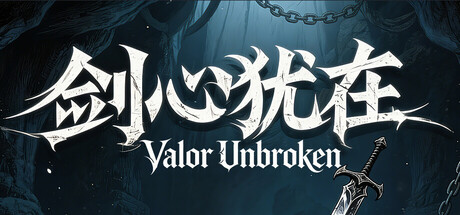 剑心犹在 In-game content art | Some card‑art images were initially generated by generative‑AI tools, then manually edited, redrawn and processed by developers. No AI‑generated content is created during gameplay. | SU HANTIAN | - | Aug 11, 2026 | |
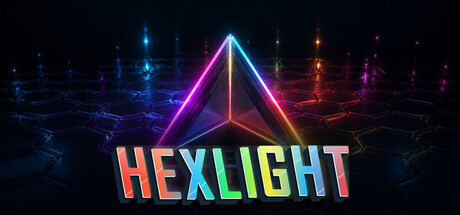 HexLight In-game content art | Generative artificial intelligence was used to create the artwork for HexLight’s Steam achievement icons. The resulting images were reviewed and prepared for use by the developer. | Cameron Olson | - | Aug 11, 2026 | |
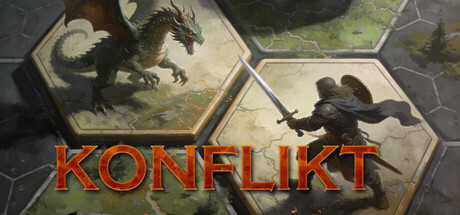 Konflikt Unclear art | AI Generated illustrations | Michal Mlejnek | - | Aug 11, 2026 | |
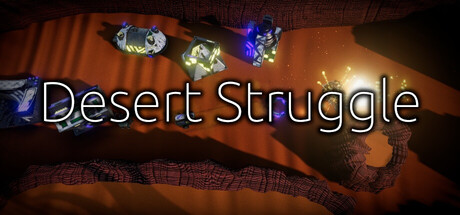 Desert Struggle In-game content audiotext | The game contains a few voice lines that where generated using a text-to-speech service. I assume this service used some sort of gen-AI. For some translations an AI was used for proofreading. | CrashDumpSoftware | - | Aug 11, 2026 | |
 States of Power In-game content text | Game includes translations made with AI tools | Sarunas | - | Aug 11, 2026 | |
 Sudoku Mania In-game content art | All ideas and features of the game where designed by the development team, but AI has been used in the actual generation of the images/textures, smoothing images/textures for final review and release to include the assets seen in the trailer. AI has also been used to find crucial bugs before release of the game. | Scadu Games | - | Aug 10, 2026 | |
 Rat Hunt Store/marketing codeart | Some code and marketing content may be generated by AI. | Watashi Games | - | Aug 10, 2026 | |
 Tactician In-game content textart | AI translation tools were used to produce the localized text for the game. Additionally, initial concept drafts for select visual assets were generated using AI, but were subsequently heavily modified, painted over, and finalized by human artists. | Interlink Games | - | Aug 10, 2026 | |
 Yathsel Store/marketing art | Some of this game's artwork (including store capsules and background art) was created with the help of generative AI image tools. All AI-assisted content was reviewed, edited, and curated by the developer. The game generates no AI content at runtime; opponent behavior uses traditional, hand-authored game logic | urdentstudios | - | Aug 10, 2026 | |
 Operation: Horumus In-game content artaudiotextcode | Operation: Horumus is a "vibe coding" experiment. Most of the game's content — code, game design, pixel art, sound effects, procedural music, narrative writing, and all four language localizations (English, Korean, Japanese, Simplified Chinese) — was developed with extensive use of generative AI tools, under the developer's direction. Every creative and technical decision was made by the developer, and all AI-generated output was reviewed and curated before inclusion.
No AI is invoked during gameplay. The game runs entirely offline and makes no calls to external AI services.
This is a parody experiment, and the use of AI is part of the experiment itself. We disclose it here so you can decide whether that approach is interesting to you. | Park JongHwa | - | Aug 10, 2026 | |
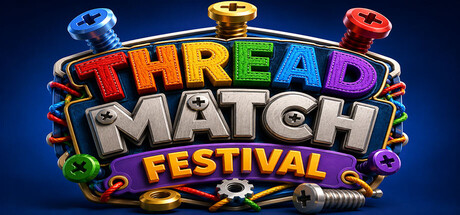 Thread Match Festival Store/marketing art | The Hero Capsule and main logo was created using AI tools only. The other assets of the game were not created using AI tools. | Tuga Studios | - | Aug 8, 2026 | |
 Wardspire In-game content artaudio | Pre-rendered content: 2D artwork (character sprites, backgrounds, marketing art) and music were created with the assistance of generative AI tools, then manually curated, edited and composited by the developer. The game does not generate any content at runtime (no live AI). | SoftForge IT Kft. | - | Aug 8, 2026 | |
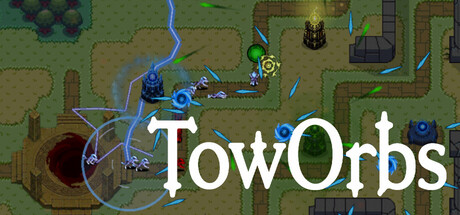 TowOrbs Unclear code | Coding | Exaltes | - | Aug 8, 2026 | |
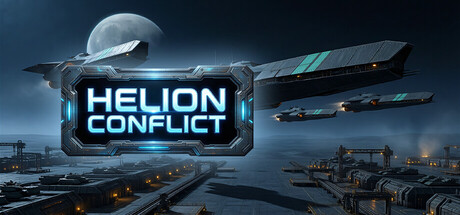 Helion Conflict In-game content art | Generative AI tools were used to create part of this game's visual assets: 2D unit and building sprites, terrain textures, background art, and 3D models. Some store page and marketing images were created the same way. Every generated asset was selected, edited and assembled by hand, and the game generates no content at runtime. | GoraGames | - | Aug 8, 2026 | |
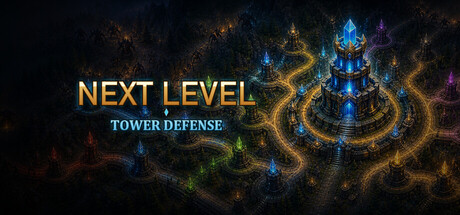 Next Level: Tower Defense In-game content artcode | This game uses generative artificial intelligence in its development.
Some visual assets — including character sprites, unit artwork, and related
game graphics — were created or assisted with generative AI tools and then
integrated into the game. AI was also used during development to assist with
programming and production workflows.
Generative AI is not used to create content live during gameplay. The game
does not connect to external AI services while you are playing. | Ronnie | - | Aug 8, 2026 | |
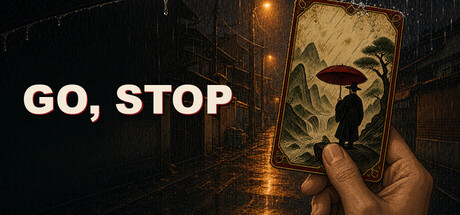 GO, STOP In-game content artaudiotext | All 2D artwork (hwatu card illustrations, character portraits, backgrounds) and music tracks were created using generative AI tools, then curated, edited, and assembled by the developer. All AI content is pre-rendered during development — nothing is generated live at runtime. Localization was machine-assisted and human-reviewed. Store page assets were produced the same way. | Moon Shin Ho | - | Aug 8, 2026 | |
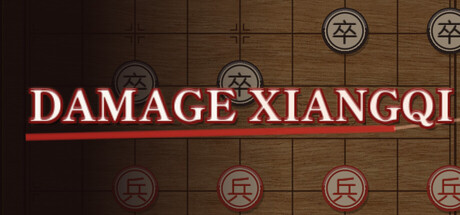 Damage Xiangqi In-game content codeaudioart | [Pre-Generated AI Content] Generative AI (Anthropic Claude) was used during development to write game code, to create the BGM (note data transcribed from a public-domain piece and procedurally generated music), and to compose store artwork from in-game assets. No content is generated by AI at runtime. | Ichigeki Games | - | Aug 8, 2026 | |
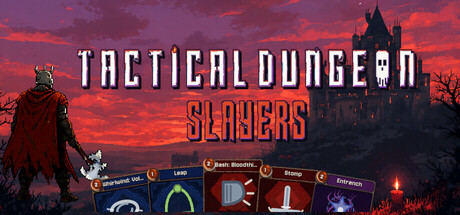 Tactical Dungeon Slayers In-game content artaudio | Portions of the game’s art assets, including environments, title artwork and several icons, were created and revised with AI tools. All background music in the game, including main menu music and combat soundtracks, is AI-generated. | Futurebun | - | Aug 8, 2026 | |
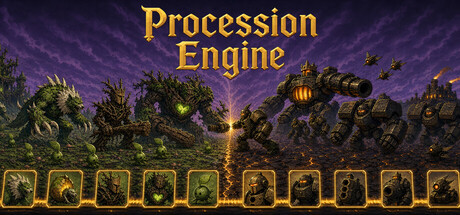 Procession Engine In-game content artaudiocode | Procession Engine is a hand-designed game that uses AI tools to speed up development. Every card, faction, and system was designed, balanced, and playtested by its developer. Generative AI tools were used under human direction as part of the production pipeline: 2D artwork (card illustrations and icons) and 3D model bases were generated to the developer's specifications and then reviewed, curated, and integrated by hand. Sound effects were produced with AI audio tools and individually selected and mixed. Portions of the game code were written with AI assistance and reviewed by a human. No AI content is generated at runtime. | Not Applicable Games | - | Aug 8, 2026 | |
 Pachinko Forge In-game content artaudio | Generative AI tools were used during development to assist with the creation and iteration of some 2D visual assets, UI elements, concept artwork, and selected audio assets. All AI-assisted content was reviewed, edited, and integrated by the developer. The game does not generate AI content during gameplay. | Cow Horse Studio | - | Aug 8, 2026 | |
 Door Code In-game content artaudiotext | This game uses content created or assisted by generative AI. Generative AI was used to help create and edit some visual assets, music/sound materials, and scripts. All final content was reviewed, selected, and adjusted by the developer before being included in the game. | P.E.G | - | Aug 8, 2026 | |
 A Wizard-Chess Tournament In-game content text | * Localization done with the help of generative AI | Stefan Badenhorst | - | Aug 8, 2026 | |
 Frontactics In-game content arttext | Generative AI tools were used during development to assist with the refinement of certain visual assets and to improve the quality and consistency of translations. All AI-assisted content was reviewed and edited by the developer before being included in the final game. No generative AI is used to create content dynamically during gameplay. | Molba Studio | - | Aug 8, 2026 | |
 Bankr In-game content art | Some character portrait sprite sheets and brand/division imagery shipped with Bankr are produced with generative AI tools during development, then reviewed and edited by the team before inclusion. All game text, simulation code, balance-sheet math, ratio logic, and gameplay systems are human-authored. No content is AI-generated at runtime — every asset is pre-rendered and pinned in the build. | Wend Games & Entertainment | - | Aug 8, 2026 | |
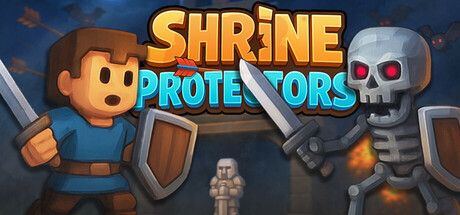 Shrine Protectors In-game content art | Generative AI was used to create some base assets, which were subsequently heavily edited by hand. All final assets included in the game have undergone substantial manual editing. | VSolStudio | - | Aug 8, 2026 | |
 Evilos In-game content art | I used generative AI tools to help create some of the game's art — including certain UI elements (buttons and icons), backgrounds, story illustrations, and marketing images — which I then edited and finished by hand in Photoshop. | Bunch of Idiots Studio | - | Aug 7, 2026 | |
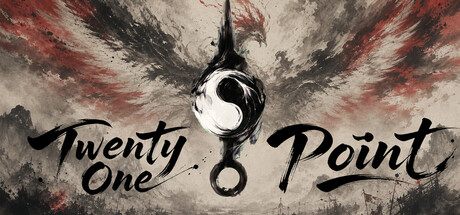 Twenty One Points In-game content artaudiotext | This game uses AI for art, music, and localization. | 浮生若琉璃 | - | Aug 7, 2026 | |
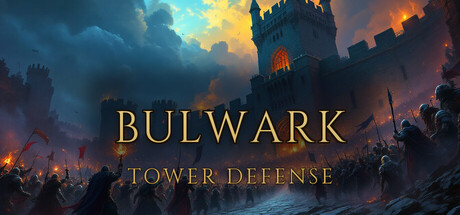 Bulwark Tower Defense In-game content art | Some of this game's assets were made with the assistance of generative AI tools and were reviewed, curated and hand-finished by the developer. No content is generated while you play. | Meridian Studios | - | Aug 7, 2026 | |
 Planet Inc In-game content textcodeart | During the development of this game, pre-generated AI tools were utilized to assist with text translations, programming scripts and optimization, and the creation of 2D artwork assets. All AI-generated content was directly reviewed, refined, and applied to the game by the developer. | Saeron | - | Aug 7, 2026 | |
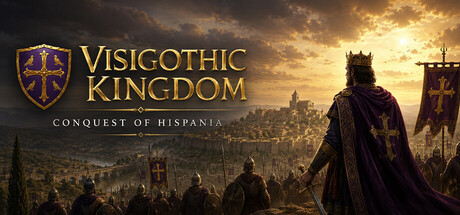 Reino Visigodo: Conquista de Hispania In-game content art | This game was developed with the assistance of generative AI tools during production. AI-generated 2D artwork (building icons, unit portraits, background illustrations, and UI elements) was created and curated by the development team as part of the game's visual assets. AI is not used to generate content dynamically during gameplay -- all art assets are fixed and shipped with the game. In-game opponent behavior uses traditional programmed game logic, not generative AI. | MMF Games | - | Aug 7, 2026 | |
 Slay Sean, Save The World! In-game content artaudio | Some artwork, music, and sound effects were created with the assistance of AI tools, then curated and edited by the developer. | Christopher Pufan | - | Aug 7, 2026 | |
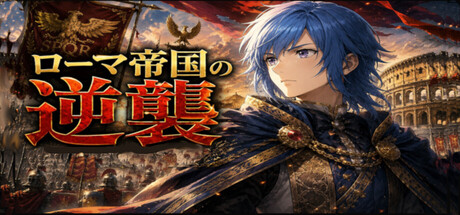 ローマ帝国の逆襲 In-game content art | We use generative AI tools to assist in creating some of the store artwork and in-game visual assets | 杉浦秀樹 | - | Aug 7, 2026 | |
 Ashen Throne In-game content arttext | Some of the game's 2D artwork (illustrations, icons, and backgrounds) was created with the assistance of generative AI tools and then curated and edited by the development team. Some non-English text is translated with AI assistance and reviewed before shipping. No AI content is generated live during gameplay. | Ashen Throne Games | - | Aug 7, 2026 | |
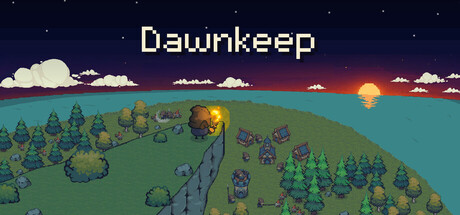 Dawnkeep Dev only codetext | AI tools were used as assistive tools during development, specifically for code writing and text proofreading. No AI-generated content is used in the game's art assets, sound effects, or music. | Zang | - | Aug 7, 2026 | |
 Road to FIRE In-game content artaudiotext | This game uses content created or assisted by generative AI. Generative AI was used to help create and edit some visual assets, music/sound materials, and scripts. All final content was reviewed, selected, and adjusted by the developer before being included in the game. | P.E.G | - | Aug 7, 2026 | |
 Holiday Alliance In-game content artaudio | Holiday Alliance uses generative AI to help produce character art, map backgrounds, and music/SFX. All game design, level design, balance, dialogue, and final art/audio selection were done by the developer, with every AI-generated asset reviewed and revised before inclusion. | Joyner Labs | - | Aug 7, 2026 | |
 Bid Wars Dev only | Some assets were created with the help of AI serving mainly as inspiration. | Fat Dragon Studios | - | Aug 7, 2026 | |
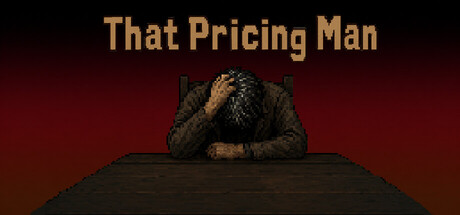 That pricing man 定价人 In-game content art | This game contains AI-generated 2D artwork, while all 3D models were created by hand. | Roundabout Game | - | Aug 7, 2026 | |
 Bramble Guard Dev only art | Generative AI was used during development to support early concept exploration and rapid prototyping, including testing visual directions, compositions, and placeholder ideas. All AI-assisted material was reviewed and refined by the development team, with final creative and design decisions made by humans. The game does not generate content using AI during gameplay. | Bugged Games | - | Aug 7, 2026 | |
 デコって!ホロライブ シールバトル In-game content art | Some minor UI decorative elements were created with reference to AI-generated images and were manually redrawn and refined by the developer. | Preapp Partners | - | Aug 7, 2026 | |
 The Fallen Chronicles In-game content art | This game includes some character artwork and UI elements created with the assistance of generative AI. | Neler93 | - | Aug 7, 2026 | |
 DICEBONE In-game content art | The key art on this store page, on the splash screen and on the menu cards was created using generative AI tools and then edited by hand. Nothing inside the game itself is AI-generated. Every visual in play is procedural — drawn by code at runtime — and all audio is ynthesised in real time. The build ships with no textures, no meshes, no sprites and no audio files. | VOXELMANA | - | Aug 6, 2026 | |
 Grave Orbit Dev only | AI-assisted tools were used during development. All final content was reviewed and approved by the developer. No AI content is generated during gameplay. | Polarity Games | - | Aug 5, 2026 | |
 CURB SERVICE Dev only code | This is not actually required to disclose but since it crosses the line for some people, I should admit that AI coding tools were used during the game's production.
No AI was used to generate any images, audio, text, or design.
Its purpose was to help code mechanics according to my design, assist in debugging, and (most importantly) eliminate crunch. | GamesCorp | - | Aug 5, 2026 | |
 Throneguard: Last Stand Store/marketing art | Pre-generated AI image tools were used to assist in creating concepts and final assets for the game's logo, store capsule images, and promotional graphics. No live-generated AI content is used within the actual gameplay. | Ahmet Enes Cakir | - | Aug 5, 2026 | |
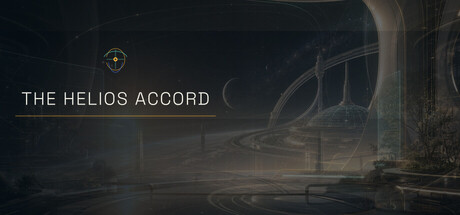 The Helios Accord In-game content text | Generative AI tools assisted with parts of the development, iteration, and production process. The foundation of The Helios Accord—including its original concept, core ideas, world, systems, and narrative—was conceived, designed, and originally written by me. I direct, review, revise, and take responsibility for all AI-assisted material included in the game and its store presentation | ZOA LLC | - | Aug 5, 2026 | |
 狂赌转轮 Store/marketing artcode | Some of the game's resources (art assets, some promotional images on the store page, code, etc.) were completed with the help of AI to achieve better artistic effects. | lv12games | - | Aug 5, 2026 | |
 Mercenary Guild Manager In-game content art | Some of the game’s visual assets were created with the assistance of generative AI. All generated artwork is reviewed, edited, refined, and adapted by the development team to maintain a consistent visual identity and ensure that it matches the game’s artistic direction and design choices.
This approach was necessary due to the high cost of commissioning the full amount of artwork required from one or more professional artists or illustrators. Using AI-assisted tools helped keep the project financially viable, speed up production, and bring the game to players sooner while preserving a cohesive and recognizable style. | Code Dunamis | - | Aug 5, 2026 | |
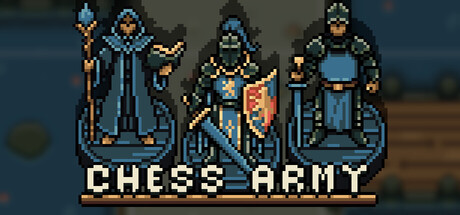 Chess Army In-game content text | These translations were generated with the help of AI. As an indie developer, I currently don't have the budget to hire professional translators, but I hope to do so in the future. | ChaNoCreArt | - | Aug 5, 2026 | |
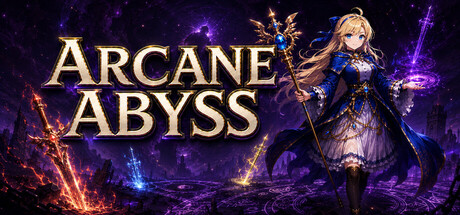 Arcane Abyss In-game content art | Some in-game artwork—including characters, monsters, weapons, backgrounds, card illustrations, and UI assets—as well as some store page images, was created using pre-generated AI tools. All generated assets were selected, edited, adjusted, and reviewed by the developer before being included in the game. The game does not generate AI content during gameplay. | SSF Works | - | Aug 5, 2026 |


