Public Steam disclosure research25,986 disclosures tracked
Where do games disclose AI use?
Search developers’ Steam disclosures, compare classified AI use across
games, and follow recorded changes.
This index adds cross-game classifications and statistics to
statements published on individual store pages.
Groups reflect automatic analysis of public disclosures; mature records are excluded. These counts do not measure AI use across all of Steam.
Missing or unclear statements cannot establish whether a game uses AI.
This game uses pre-generated visual assets, including images and cinematic sequences created with external tools. These assets are used for environmental storytelling and menu presentation, and do not involve real-time AI generation.
AI Disclosure:
Generative AI tools were used during development to assist in creating some visual assets and refining animations. Additionally, AI-assisted tools were utilized for technical optimization to ensure a stable gameplay experience. All results were manually reviewed and finalized by the developer. This game does not use any live-generated AI content.
Certain visual and audio assets were created with the assistance of generative AI tools during development and were manually edited and refined by the developer. All gameplay content is handcrafted, and no generative AI is used during gameplay.
Football Conquerors uses generative AI tools during development for some pre-generated assets and iteration workflows, including concept visuals, selected card/store artwork drafts, music drafts, and writing/code assistance.
All AI-assisted outputs are reviewed, edited, and approved by the developer before release.
The released game does not generate player-facing content or code in real time during gameplay, and it does not require a live third-party generative AI service during play.
When creating this game, our team utilized the support from Trippo AI for modeling, and Doubao for concept artist. We finally created the whole level design by UE5.
During the early prototyping phase, I use AI tools to visualize initial concepts and create temporary placeholders. All of these have been completely replaced in the final game with hand-crafted art created by myself and talented freelancers.
Generative AI was used during development to draft initial art concepts and assist with the foundation of text localization. All final in-game visual assets were manually refined, edited, and finished in Photoshop to ensure a high-quality, hand-crafted aesthetic. Localization was human-reviewed to ensure accuracy for players.
Some promotional assets created during development, including certain store-page media, used generative AI-assisted artwork. The shipped game does not use live AI-generated gameplay content, and it does not connect to any external AI service during play.
AI is only used to create art assets, backgrounds, and visual materials during the development of the game. It is not used for any in-game mechanics, NPC behaviors, or real-time interactions with players.
I used AI for debugging game build errors. Going through thousands lines of error logs and call stacks is not a total nightmare once I get pointed to the right direction.
I also localized steam page using it to some languages.
This app includes pre-generated content created or assisted using generative AI.
This includes the game logo, title screen, certain story-related images used during key moments of the game, a majority of item-related visuals (such as weapons, armors, accessories, and quest items), and approximately 60% of character portraits used in dialogue.
All such content was selected, reviewed, and in many cases manually edited and integrated by the developer before being included in the game or on the store page.
Additionally, most of the game's plugins were developed with the assistance of AI tools. No AI is used at runtime or during gameplay.
Some visual assets (such as promotional images and artwork) were created or enhanced using AI tools. All in-game content and functionality are implemented by the developer.
Generative AI was utilized in the process of creating and optimizing UI background images and certain in-game text content, such as item descriptions and lore. All AI-generated assets were carefully reviewed, retouched, and edited by the developer to ensure they align with the game's unique atmosphere and artistic vision.
The game's translation was partially assisted by AI, but all in-game text was created and edited by real people. AI was used to enhance a small portion of the textures, but these were always manually refined afterward and served only as one method to make the textures sharper alongside other hand-made improvements in graphic editors. All images, including signs and drawings on the walls, were commissioned from real artists.
This app includes pre-generated AI-assisted visual assets used in store/marketing materials and some in-game 2D visuals. No generative AI features are available to players during gameplay, and the game does not accept user prompts for AI generation.
Generative AI was used to create several pre-generated assets within the game, including:
- Environmental assets such as in-game posters.
- Character face textures.
- Voice-over audio for English and Chinese languages.
These assets were generated during the development process and are included as static files in the game build. No AI content is generated in real-time during gameplay.
Some visual assets were generated with the assistance of AI tools, and OpenClaw has been integrated as the underlying logic framework for the NPC companion system.
Generative AI tools, including ChatGPT, were used as development assistance for programming support, debugging, design iteration, writing assistance, and workflow planning.
All final implementation, integration, testing, and creative decisions were manually reviewed and assembled by the developer.
SKYOS does not use live generative AI during gameplay, and players cannot generate AI content in-game.
AI was used to generate art pieces for the Steam Store Page as placeholder. As the developing continues and feedback from the community comes, those placeholders will be changed to real art done by real persons.
BROKEN SOUL : Boss Rush is a solo-developed game, and generative AI tools were used during development to assist with the creation of some visual assets and promotional materials. However, the game’s ideas, combat design, and system logic were all personally conceived and implemented, and every piece of content that appears in the final game was also directly selected, edited, and reviewed before completion. This is not a game that was made easily, but rather one that was brought to completion by making full use of every available tool and resource. If the game receives greater support in the future, there are plans to further expand and improve various elements, including the art assets, to an even higher level of quality. The game does not include any functionality that generates content with generative AI in real time during gameplay.
AI is used to generate in-game characters, including their visual traits, background concepts, and gameplay attributes. When players create a character, the Gen-AI system produces unique variations based on predefined rules and developer-designed parameters.
The AI functions solely as a content generation tool to enhance gameplay variety. It does not collect, store, or learn from personal player data.
Generative AI tools were used during the development of this game to create some of the 2D visual assets, such as background art and certain environmental textures. All AI-generated content has been reviewed and manually edited by the development team to ensure quality and consistency with the game's overall artistic style.
Generative AI tools may be used during production for some localization and minor audio elements. Core gameplay content and game artwork are not created using AI.
I use token-prediction tools to help create certain in-game background assets, including environment textures, secondary NPC voices, parts of the soundtrack, and translations into several languages.
My Music Label leverages generative artificial intelligence to enhance your gaming experience. All in-game images, music-related assets, and even parts of the code are generated using AI technology.
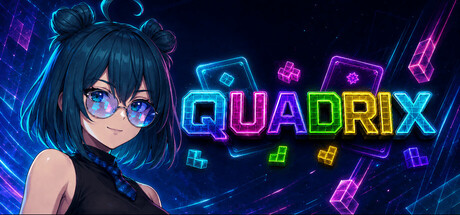
Some of the pre-made visual elements used in Quadrix—including certain card images/templates, game music, and some game mode icons—were created with the help of generative AI tools. These elements were reviewed, selected, and refined by the developer before being added to the game to ensure they align with the game’s visual style and usability requirements. Quadrix does not use real-time generative AI during gameplay, and players cannot generate AI-generated content within the game.
Some background scenes, supporting character artwork, music, and localization text in this game were created with the assistance of AI generation tools. All main character artwork, UI design, and core visual assets were created by human artists.
The game features a multilingual system, with some languages processed using AI.
Some UI elements and game scene components were designed with AI assistance.
Game plugin code was processed using AI.
Some game music, sound effects, and trailer music were also processed using AI.
This game uses pre-generated visual assets, including images and cinematic sequences created with external tools. These assets are used for environmental storytelling and menu presentation, and do not involve real-time AI generation.
AI Disclosure:
Generative AI tools were used during development to assist in creating some visual assets and refining animations. Additionally, AI-assisted tools were utilized for technical optimization to ensure a stable gameplay experience. All results were manually reviewed and finalized by the developer. This game does not use any live-generated AI content.
Certain visual and audio assets were created with the assistance of generative AI tools during development and were manually edited and refined by the developer. All gameplay content is handcrafted, and no generative AI is used during gameplay.
Football Conquerors uses generative AI tools during development for some pre-generated assets and iteration workflows, including concept visuals, selected card/store artwork drafts, music drafts, and writing/code assistance.
All AI-assisted outputs are reviewed, edited, and approved by the developer before release.
The released game does not generate player-facing content or code in real time during gameplay, and it does not require a live third-party generative AI service during play.
When creating this game, our team utilized the support from Trippo AI for modeling, and Doubao for concept artist. We finally created the whole level design by UE5.
During the early prototyping phase, I use AI tools to visualize initial concepts and create temporary placeholders. All of these have been completely replaced in the final game with hand-crafted art created by myself and talented freelancers.
Generative AI was used during development to draft initial art concepts and assist with the foundation of text localization. All final in-game visual assets were manually refined, edited, and finished in Photoshop to ensure a high-quality, hand-crafted aesthetic. Localization was human-reviewed to ensure accuracy for players.
Some promotional assets created during development, including certain store-page media, used generative AI-assisted artwork. The shipped game does not use live AI-generated gameplay content, and it does not connect to any external AI service during play.
AI is only used to create art assets, backgrounds, and visual materials during the development of the game. It is not used for any in-game mechanics, NPC behaviors, or real-time interactions with players.
I used AI for debugging game build errors. Going through thousands lines of error logs and call stacks is not a total nightmare once I get pointed to the right direction.
I also localized steam page using it to some languages.
This app includes pre-generated content created or assisted using generative AI.
This includes the game logo, title screen, certain story-related images used during key moments of the game, a majority of item-related visuals (such as weapons, armors, accessories, and quest items), and approximately 60% of character portraits used in dialogue.
All such content was selected, reviewed, and in many cases manually edited and integrated by the developer before being included in the game or on the store page.
Additionally, most of the game's plugins were developed with the assistance of AI tools. No AI is used at runtime or during gameplay.
Some visual assets (such as promotional images and artwork) were created or enhanced using AI tools. All in-game content and functionality are implemented by the developer.
Generative AI was utilized in the process of creating and optimizing UI background images and certain in-game text content, such as item descriptions and lore. All AI-generated assets were carefully reviewed, retouched, and edited by the developer to ensure they align with the game's unique atmosphere and artistic vision.
The game's translation was partially assisted by AI, but all in-game text was created and edited by real people. AI was used to enhance a small portion of the textures, but these were always manually refined afterward and served only as one method to make the textures sharper alongside other hand-made improvements in graphic editors. All images, including signs and drawings on the walls, were commissioned from real artists.
This app includes pre-generated AI-assisted visual assets used in store/marketing materials and some in-game 2D visuals. No generative AI features are available to players during gameplay, and the game does not accept user prompts for AI generation.
Generative AI was used to create several pre-generated assets within the game, including:
- Environmental assets such as in-game posters.
- Character face textures.
- Voice-over audio for English and Chinese languages.
These assets were generated during the development process and are included as static files in the game build. No AI content is generated in real-time during gameplay.
Some visual assets were generated with the assistance of AI tools, and OpenClaw has been integrated as the underlying logic framework for the NPC companion system.
Generative AI tools, including ChatGPT, were used as development assistance for programming support, debugging, design iteration, writing assistance, and workflow planning.
All final implementation, integration, testing, and creative decisions were manually reviewed and assembled by the developer.
SKYOS does not use live generative AI during gameplay, and players cannot generate AI content in-game.
AI was used to generate art pieces for the Steam Store Page as placeholder. As the developing continues and feedback from the community comes, those placeholders will be changed to real art done by real persons.
BROKEN SOUL : Boss Rush is a solo-developed game, and generative AI tools were used during development to assist with the creation of some visual assets and promotional materials. However, the game’s ideas, combat design, and system logic were all personally conceived and implemented, and every piece of content that appears in the final game was also directly selected, edited, and reviewed before completion. This is not a game that was made easily, but rather one that was brought to completion by making full use of every available tool and resource. If the game receives greater support in the future, there are plans to further expand and improve various elements, including the art assets, to an even higher level of quality. The game does not include any functionality that generates content with generative AI in real time during gameplay.
AI is used to generate in-game characters, including their visual traits, background concepts, and gameplay attributes. When players create a character, the Gen-AI system produces unique variations based on predefined rules and developer-designed parameters.
The AI functions solely as a content generation tool to enhance gameplay variety. It does not collect, store, or learn from personal player data.
Generative AI tools were used during the development of this game to create some of the 2D visual assets, such as background art and certain environmental textures. All AI-generated content has been reviewed and manually edited by the development team to ensure quality and consistency with the game's overall artistic style.
Generative AI tools may be used during production for some localization and minor audio elements. Core gameplay content and game artwork are not created using AI.
I use token-prediction tools to help create certain in-game background assets, including environment textures, secondary NPC voices, parts of the soundtrack, and translations into several languages.
My Music Label leverages generative artificial intelligence to enhance your gaming experience. All in-game images, music-related assets, and even parts of the code are generated using AI technology.
Some of the pre-made visual elements used in Quadrix—including certain card images/templates, game music, and some game mode icons—were created with the help of generative AI tools. These elements were reviewed, selected, and refined by the developer before being added to the game to ensure they align with the game’s visual style and usability requirements. Quadrix does not use real-time generative AI during gameplay, and players cannot generate AI-generated content within the game.
Some background scenes, supporting character artwork, music, and localization text in this game were created with the assistance of AI generation tools. All main character artwork, UI design, and core visual assets were created by human artists.
The game features a multilingual system, with some languages processed using AI.
Some UI elements and game scene components were designed with AI assistance.
Game plugin code was processed using AI.
Some game music, sound effects, and trailer music were also processed using AI.