








Disclosure
Generative AI was used by an artist to support visual aspects. The creative process was entirely human-led.
- Creator
- Cosnyx Studios
- Reviews
- -
- Added
- Sep 28, 2026
Public Steam disclosure research 25,376 disclosures tracked
Search developers’ Steam disclosures, compare classified AI use across games, and follow recorded changes. This index adds cross-game classifications and statistics to statements published on individual store pages.
Code help, debugging and other development work.
Capsule art, trailers and promotional material.
Pre-made art, audio, writing and other game assets.
Interactive or runtime AI features disclosed by the developer.
Groups reflect automatic analysis of public disclosures; mature records are excluded. These counts do not measure AI use across all of Steam. Missing or unclear statements cannot establish whether a game uses AI.
Generative AI was used by an artist to support visual aspects. The creative process was entirely human-led.
Generative AI was used during development to create and refine some 2D visual assets, such as building artwork, icons, and promotional graphics. All AI-generated content was reviewed, edited, and integrated by the developer. The game does not generate AI content during gameplay.
Parts of this game's content were produced with generative AI tools. No content is generated at runtime. Every asset shipped with the game was produced, reviewed and approved prior to release.
Bloodlines & Banners is designed, architected, and coded by one person. Generative AI is used as a production tool for volume, with portraits, illustration, music, cinematics, voice, and a share of the in-game prose, at a scale a solo developer could not otherwise afford or commission. It is not used to make creative decisions. The art direction is a single locked style anchor authored by hand and enforced across every asset. The game design, the systems architecture, the historical research, the balance, and every line of the server and client are human work. In-game text is a mixed case, and we set that out plainly rather than round it up to “human-written”. We are stating this up front, unprompted, because we would rather a partner evaluate the game knowing exactly what it is than discover it later.
Generative AI was used during development to assist with the creation and refinement of some visual assets. All AI-assisted content was selected, reviewed, edited, and integrated by the development team. The game does not use generative AI in real time during gameplay.
Generative AI was used to create three pre-generated images used in the game: the splash screen, loading screen, and main menu background. No other game content was generated using AI, and the game does not generate AI content during gameplay.
Some game art created by generative AI
Some store page promotional images and capsule artwork were created with generative AI. All in-game assets, models and UI graphics are manually created by the development team. No AI-generated content will be produced during gameplay.
This game's cat characters are based on art assets we created, expanded with generative AI into a variety of patterns and colors. Generative AI image tools were also used at the concept stage for the store page's capsule images and icons. Players can also optionally register their own free Google API key to chat with their cats or check today's fortune. This feature connects live to Google's Gemini API while the game is running to generate responses; the rest of the game can be enjoyed the same way without registering a key.
AI has been used to create certain assets for Bonsai Life. These assets include Japanese interior models, lanterns and benches.
Generative AI was used in the editing of the main visual image and in the prototyping of some of the music tracks.
The game was 100% designed and tested by me and my kids. I did use AI tools to help create the logo, some of the 3d objects in the game (portion of the buildings) and the voice narration in the trailer.
Some pre-production assets were generated with AI tools and then hand-finished by the team: 3D character bodies (Tripo) that were re-rigged, textured and animated by hand; concept and brand imagery (OpenAI image generation) redrawn or composited by hand; voice lines and sound effects (ElevenLabs); and music (Suno) under a commercial licence. No AI content is generated during gameplay, and the game connects to no AI service.
Interface text and the English translation were drafted with an AI assistant and reviewed by the developer. No art, audio or content is AI generated, and nothing is generated at runtime.
Generative AI was used during development to create visual and 3D assets, background music, sound effects, and localized text, including store and marketing materials. The game does not generate AI content during gameplay or connect to external AI services.
Assets in Graphical Assets, including Store assets and Library assets, are used AI to design.
Part of this game's written content was drafted with generative AI tools — some of the in-game text and the English and Japanese localisations — and was then reviewed and edited by the developer. All of it is pre-generated: the game calls no AI model at runtime, nothing is created live by AI while you play, and the computer-controlled opponents are a hand-written, rule-based system. In-game art is original procedural drawing or licensed third-party assets (a third-party icon library under CC BY 3.0); music is licensed from Kevin MacLeod (CC BY 3.0); sound effects are CC0; and the store capsule images are drawn procedurally inside the engine. Full asset credits are shown in the game's "Assets & License" screen.
Generative AI was used during development to create pre-made content: concept and reference images, character sprites, textures and UI graphics (OpenAI image generation), the game logo (Google Gemini), some 3D model drafts (Tripo) and sound effects (ElevenLabs). All AI-generated material was selected, edited, modelled and integrated by the developer in Blender and Unity. The game does not generate any content with AI while you play and does not connect to AI services.
Some 3D character and prop models were generated with 3D AI Studio during development. Some player-facing text was drafted with AI assistance. All content is prepared in advance; no generative AI runs during gameplay.
Generative AI tools were used during development to assist with the creation of some visual assets, textures, and promotional artwork. All AI-assisted content was reviewed, selected, edited where appropriate, and integrated by the developer.
The assets on the store page are created with AI assistance.
AI assisted coding is used to create the game. The game contains no AI generated art or assets. The game may contain optional AI generated voiceover.
Generative AI tools were used throughout development: the game's code and its in-game text, the paintings, achievement icons and interface art, the 3D models, and the music and sound effects. Everything was reviewed, edited and tested, and ships as fixed content. Nothing is generated while you play: the game runs no model and makes no network call.
Game illustrations and some sound effects, as well as part of the text and localization, are created using generative AI tools, then manually refined and validated. No content is generated by AI in real time, and the game design is human-made.
Generative AI tools were used during development to assist with programming, writing in-game dialogue and descriptive text, translation into multiple languages, implementing graphics and sound effects, and creating promotional artwork and descriptions for the Steam store page. These materials were created and incorporated during development. The game does not use generative AI to create new dialogue, images, or audio during gameplay. The autonomous behavior of residents and monsters, as well as their context-sensitive conversations, is driven by pre-programmed game logic and pre-written dialogue.
Some of the icons and UI assets in the game are created with the assistance of AI tools.
some art and description might be ai generated
Generative AI tools were used during the development of Lugano Bay Tycoon to assist with the creation and refinement of some visual content, text elements, and localization. All AI-assisted content was subsequently selected, reviewed, and, where necessary, edited by the developer before being included in the product. The game does not use live generative AI systems during gameplay and does not autonomously generate new content for players.
I am a solo developer leveraging AI to improve my efficiency while moonlighting this project. Hence, many temporary AI-generated assets make their way into the game but I hope to replace over 90% of those with handcrafted assets over time.
AI assisted with coding and some graphic design.
Some of the 2D art in Cidle Online was created with the help of generative AI image tools. This includes parts of the sprite work for buildings, points of interest and item icons, as well as some store page artwork. Every generated image was reviewed, edited and adjusted by hand before it went into the game, and assets are checked so they do not reproduce existing works. All of this art is produced during development. Nothing is generated by AI while you play, and the game does not send any of your data to an AI service.
Some of this game's content was created with generative AI and then reworked and adjusted by hand by the developer. This applies in particular to code, the 3D models and textures, and the music and sound effects. Animations, game rules, simulation, balance and the structure of the game come entirely from the developer.
Splash Park Tycoon features artwork developed with generative AI.
This game is handcrafted by indie developers. Generative tools were used only to support the creation of specific assets, while the final game reflects the developers’ own creative vision.
The store page images for Timberland — the key art, capsules, logo and icon — were created with generative AI tools and then edited by hand. The screenshots are real gameplay, unretouched. Part of the code was also written with the help of an AI assistant. Game design, world generation, mechanics and the remaining textures are the developer's own work.
Some non-interactive artwork was created with generative AI (Midjourney): the main menu, research, and codex background illustrations, the introduction portrait, and store capsule art derived from those illustrations.
Generative AI was used to assist with bug fixes, text editing, and portions of the game's music. Generative AI was not used for the game's direction, art direction, or gameplay mechanics.
Tools improving development efficiency together with different assets.
The pre-rendered achievement images and music are AI-generated. No AI-generation code or content will be used during gameplay.
Generative AI tools were used to create and edit selected pre-rendered visual assets, animations, and marketing materials. The game does not use live-generated AI content during gameplay.
We used generative AI tools during development to assist with some pre-rendered content: drafting store page text, producing UI layout mockups and some UI sprite assets, and generating base meshes for a portion of 3D props (which were then reviewed and edited by the team). All gameplay, code logic, and final art direction were created and approved by the developers. The game does not generate any content with AI at runtime.
Store marketing images (Steam capsule art — header, main, small, and vertical capsules) were created with AI image generation tools and then edited/reviewed by the development team. In-game screenshots and gameplay footage represent the actual game.
按钮、图标、合成物品、背景使用了AI技术
AI was used as a coding assistance tool and to create some assets.
Used for Textures.
This game is currently in pre-alpha, and its visual assets are still evolving. Generative AI has been used as part of the asset creation process to help achieve more detailed and varied visuals than a purely simplistic low-poly approach. AI-generated elements are extensively iterated, customized, and integrated specifically for this game under direct developer oversight. The current assets should not be considered final. As development progresses, we plan to replace and improve them with better versions as the game's visual direction and production evolve.
Some code is aided by claude code
AI is unsed for translation, proofreading and improving of the artwork
Pixel Metropolis is a human-designed, AI-implemented game. As its sole human creator, I am responsible for the game’s design, systems, architecture, quality assurance, extensive testing, art direction, and sound direction. Codex, primarily using OpenAI’s GPT-5.6 Sol model, has generated all of the game’s code and has been used to direct the creation and implementation of its visual and sound assets. The only non-generated assets are a small selection of CC0 sounds.
Some graphics, illustrations, and text used in the game were pre-generated with the help of generative AI during development and were subsequently reviewed, selected, and edited by the developer. No content is generated by AI during gameplay.
| Title⇅ | Disclosure | Creator⇅ | Src | Reviews⇅ | Added↓ |
|---|---|---|---|---|---|
 Soap Soup Tycoon Dev only art | Generative AI was used by an artist to support visual aspects. The creative process was entirely human-led. | Cosnyx Studios | - | Sep 28, 2026 | |
 Metromino In-game content art | Generative AI was used during development to create and refine some 2D visual assets, such as building artwork, icons, and promotional graphics. All AI-generated content was reviewed, edited, and integrated by the developer. The game does not generate AI content during gameplay. | codebooster | - | Sep 27, 2026 | |
 Wars of Empire In-game content | Parts of this game's content were produced with generative AI tools.
No content is generated at runtime. Every asset shipped with the game was produced, reviewed and approved prior to release. | A.Gökhan SATMAN | - | Sep 27, 2026 | |
 Bloodlines & Banners In-game content artaudiotext | Bloodlines & Banners is designed, architected, and coded by one person. Generative AI is used as a production tool for volume, with portraits, illustration, music, cinematics, voice, and a share of the in-game prose, at a scale a solo developer could not otherwise afford or commission. It is not used to make creative decisions. The art direction is a single locked style anchor authored by hand and enforced across every asset. The game design, the systems architecture, the historical research, the balance, and every line of the server and client are human work. In-game text is a mixed case, and we set that out plainly rather than round it up to “human-written”. We are stating this up front, unprompted, because we would rather a partner evaluate the game knowing exactly what it is than discover it later. | Synprax Labs | - | Sep 27, 2026 | |
 The Mayor’s Hand In-game content art | Generative AI was used during development to assist with the creation and refinement of some visual assets. All AI-assisted content was selected, reviewed, edited, and integrated by the development team. The game does not use generative AI in real time during gameplay. | JustCodeIt | - | Sep 27, 2026 | |
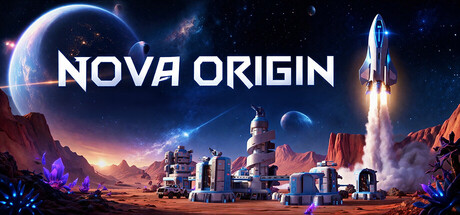 Nova Origin In-game content art | Generative AI was used to create three pre-generated images used in the game: the splash screen, loading screen, and main menu background. No other game content was generated using AI, and the game does not generate AI content during gameplay. | ZapNova Games | - | Sep 26, 2026 | |
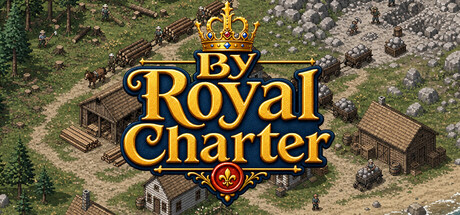 By Royal Charter In-game content art | Some game art created by generative AI | Dovren Games | - | Sep 25, 2026 | |
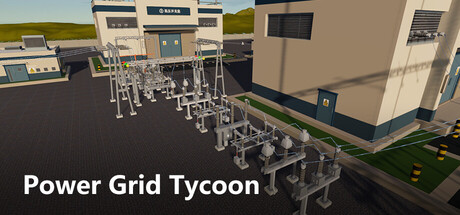 电网大亨 Store/marketing art | Some store page promotional images and capsule artwork were created with generative AI. All in-game assets, models and UI graphics are manually created by the development team. No AI-generated content will be produced during gameplay. | ITCG | - | Sep 25, 2026 | |
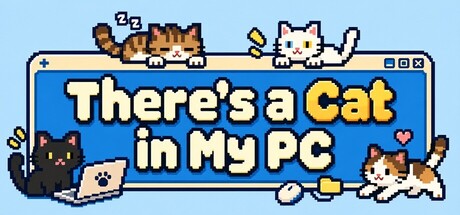 There's a Cat in My PC Live AI art | This game's cat characters are based on art assets we created, expanded with generative AI into a variety of patterns and colors. Generative AI image tools were also used at the concept stage for the store page's capsule images and icons.
Players can also optionally register their own free Google API key to chat with their cats or check today's fortune. This feature connects live to Google's Gemini API while the game is running to generate responses; the rest of the game can be enjoyed the same way without registering a key. | Dopamine | - | Sep 25, 2026 | |
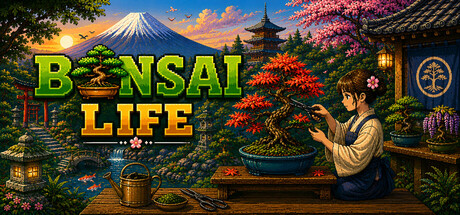 Bonsai Life In-game content art | AI has been used to create certain assets for Bonsai Life. These assets include Japanese interior models, lanterns and benches. | Alexander Johnston | - | Sep 25, 2026 | |
 A-Train 9 PRIME LINE In-game content artaudio | Generative AI was used in the editing of the main visual image and in the prototyping of some of the music tracks. | ARTDINK | - | Sep 25, 2026 | |
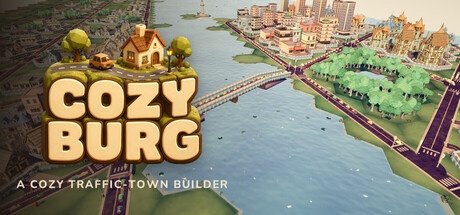 Cozy Burg In-game content artaudio | The game was 100% designed and tested by me and my kids. I did use AI tools to help create the logo, some of the 3d objects in the game (portion of the buildings) and the voice narration in the trailer. | Noise Harbor | - | Sep 25, 2026 | |
 Dawn of Embers In-game content artaudio | Some pre-production assets were generated with AI tools and then hand-finished by the team: 3D character bodies (Tripo) that were re-rigged, textured and animated by hand; concept and brand imagery (OpenAI image generation) redrawn or composited by hand; voice lines and sound effects (ElevenLabs); and music (Suno) under a commercial licence. No AI content is generated during gameplay, and the game connects to no AI service. | DTX Studios | - | Sep 24, 2026 | |
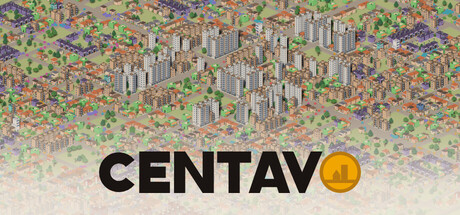 CENTAVO In-game content text | Interface text and the English translation were drafted with an AI assistant and reviewed by the developer. No art, audio or content is AI generated, and nothing is generated at runtime. | Trocado Studio | - | Sep 24, 2026 | |
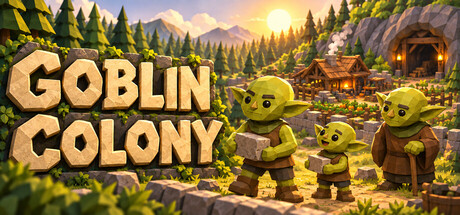 Goblin Colony In-game content artaudiotext | Generative AI was used during development to create visual and 3D assets, background music, sound effects, and localized text, including store and marketing materials. The game does not generate AI content during gameplay or connect to external AI services. | Quench Forge | - | Sep 24, 2026 | |
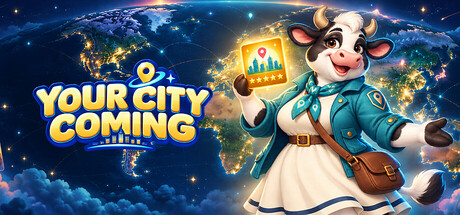 Your City Coming Store/marketing art | Assets in Graphical Assets, including Store assets and Library assets, are used AI to design. | Alright Peaches Studio | - | Sep 24, 2026 | |
 迷你文明 In-game content text | Part of this game's written content was drafted with generative AI tools — some of the in-game text and the English and Japanese localisations — and was then reviewed and edited by the developer. All of it is pre-generated: the game calls no AI model at runtime, nothing is created live by AI while you play, and the computer-controlled opponents are a hand-written, rule-based system. In-game art is original procedural drawing or licensed third-party assets (a third-party icon library under CC BY 3.0); music is licensed from Kevin MacLeod (CC BY 3.0); sound effects are CC0; and the store capsule images are drawn procedurally inside the engine. Full asset credits are shown in the game's "Assets & License" screen. | yyyz26 | - | Sep 24, 2026 | |
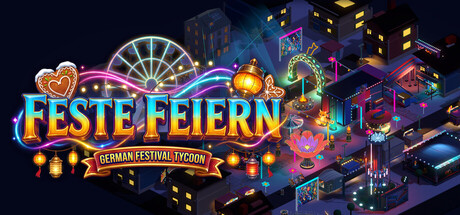 Feste Feiern: German Festival Tycoon In-game content artaudio | Generative AI was used during development to create pre-made content: concept and reference images, character sprites, textures and UI graphics (OpenAI image generation), the game logo (Google Gemini), some 3D model drafts (Tripo) and sound effects (ElevenLabs). All AI-generated material was selected, edited, modelled and integrated by the developer in Blender and Unity. The game does not generate any content with AI while you play and does not connect to AI services. | Jodelsoft | - | Sep 22, 2026 | |
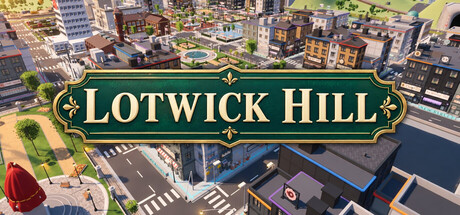 Lotwick Hill In-game content arttext | Some 3D character and prop models were generated with 3D AI Studio during development. Some player-facing text was drafted with AI assistance. All content is prepared in advance; no generative AI runs during gameplay. | Lasse Bjørge | - | Sep 22, 2026 | |
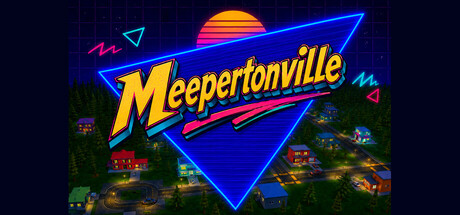 Meepertonville In-game content art | Generative AI tools were used during development to assist with the creation of some visual assets, textures, and promotional artwork. All AI-assisted content was reviewed, selected, edited where appropriate, and integrated by the developer. | SunlightTrippin | - | Sep 22, 2026 | |
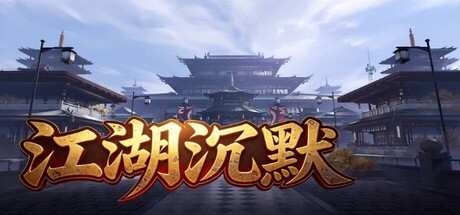 江湖沉默 Store/marketing art | The assets on the store page are created with AI assistance. | 江湖沉默 | - | Sep 22, 2026 | |
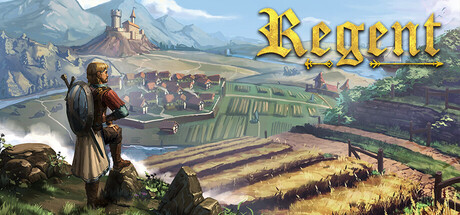 Regent In-game content codeaudio | AI assisted coding is used to create the game.
The game contains no AI generated art or assets.
The game may contain optional AI generated voiceover. | SourGhost | - | Sep 22, 2026 | |
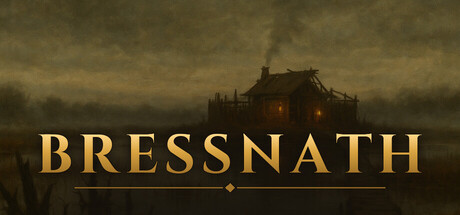 Bressnath In-game content arttextcodeaudio | Generative AI tools were used throughout development: the game's code and its in-game text, the paintings, achievement icons and interface art, the 3D models, and the music and sound effects. Everything was reviewed, edited and tested, and ships as fixed content. Nothing is generated while you play: the game runs no model and makes no network call. | Morass | - | Sep 21, 2026 | |
 Beyond Realm In-game content artaudiotext | Game illustrations and some sound effects, as well as part of the text and localization, are created using generative AI tools, then manually refined and validated. No content is generated by AI in real time, and the game design is human-made. | Power Spike | - | Sep 21, 2026 | |
 7 days in a little world In-game content artaudiotext | Generative AI tools were used during development to assist with programming, writing in-game dialogue and descriptive text, translation into multiple languages, implementing graphics and sound effects, and creating promotional artwork and descriptions for the Steam store page.
These materials were created and incorporated during development. The game does not use generative AI to create new dialogue, images, or audio during gameplay. The autonomous behavior of residents and monsters, as well as their context-sensitive conversations, is driven by pre-programmed game logic and pre-written dialogue. | kumashin | - | Sep 21, 2026 | |
 Unmoored Isle In-game content art | Some of the icons and UI assets in the game are created with the assistance of AI tools. | liuliu | - | Sep 21, 2026 | |
 Shire Kings Store/marketing arttext | some art and description might be ai generated | Julien Nicolas | - | Sep 21, 2026 | |
 LUGANO BAY TYCOON In-game content arttext | Generative AI tools were used during the development of Lugano Bay Tycoon to assist with the creation and refinement of some visual content, text elements, and localization.
All AI-assisted content was subsequently selected, reviewed, and, where necessary, edited by the developer before being included in the product.
The game does not use live generative AI systems during gameplay and does not autonomously generate new content for players. | Zoran Pavlovic | - | Sep 19, 2026 | |
 Aubelys In-game content artaudiocodetext | I am a solo developer leveraging AI to improve my efficiency while moonlighting this project. Hence, many temporary AI-generated assets make their way into the game but I hope to replace over 90% of those with handcrafted assets over time. | Doom | - | Sep 19, 2026 | |
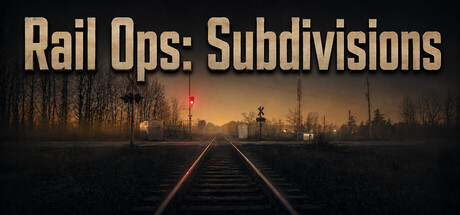 Rail Ops: Subdivisions Dev only codeart | AI assisted with coding and some graphic design. | Roadwolf Games | - | Sep 19, 2026 | |
 Cidle art | Some of the 2D art in Cidle Online was created with the help of generative AI
image tools. This includes parts of the sprite work for buildings, points of
interest and item icons, as well as some store page artwork. Every generated
image was reviewed, edited and adjusted by hand before it went into the game,
and assets are checked so they do not reproduce existing works.
All of this art is produced during development. Nothing is generated by AI
while you play, and the game does not send any of your data to an AI service. | Chop | - | Sep 19, 2026 | |
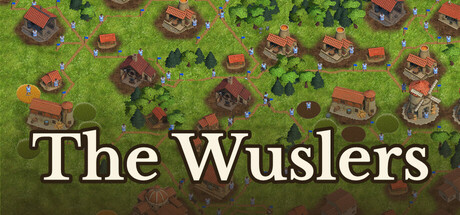 The Wuslers In-game content artaudiocode | Some of this game's content was created with generative AI and then reworked and adjusted by hand by the developer. This applies in particular to code, the 3D models and textures, and the music and sound effects. Animations, game rules, simulation, balance and the structure of the game come entirely from the developer. | Quolz-Systems | - | Sep 18, 2026 | |
 Splash Park Tycoon In-game content art | Splash Park Tycoon features artwork developed with generative AI. | Recoil Mojo | - | Sep 18, 2026 | |
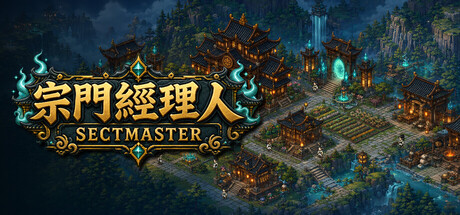 宗门经理人 - sect In-game content art | This game is handcrafted by indie developers. Generative tools were used only to support the creation of specific assets, while the final game reflects the developers’ own creative vision. | Tiec Games | - | Sep 16, 2026 | |
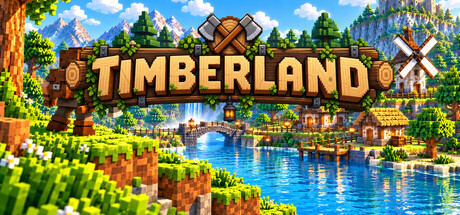 Timberland In-game content artcode | The store page images for Timberland — the key art, capsules, logo and icon — were created with generative AI tools and then edited by hand. The screenshots are real gameplay, unretouched.
Part of the code was also written with the help of an AI assistant. Game design, world generation, mechanics and the remaining textures are the developer's own work. | LSM Games Studio | - | Sep 15, 2026 | |
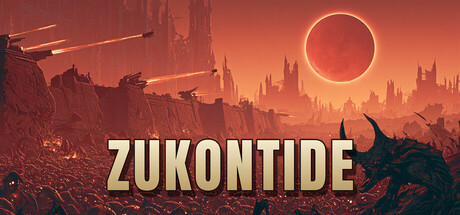 Zukontide In-game content art | Some non-interactive artwork was created with generative AI (Midjourney): the main menu, research, and codex background illustrations, the introduction portrait, and store capsule art derived from those illustrations. | Sindre | - | Sep 15, 2026 | |
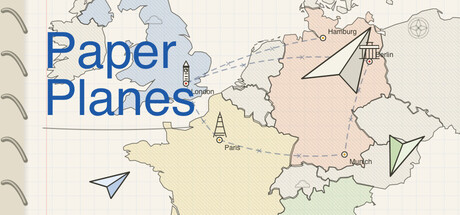 Paper Planes In-game content textaudio | Generative AI was used to assist with bug fixes, text editing, and portions of the game's music. Generative AI was not used for the game's direction, art direction, or gameplay mechanics. | Holly Gaming Studios | - | Sep 15, 2026 | |
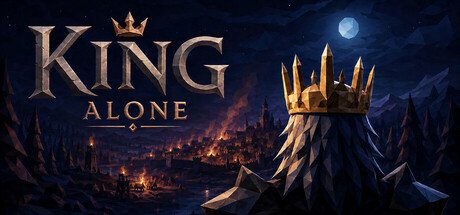 King Alone Unclear | Tools improving development efficiency together with different assets. | root gang | - | Sep 15, 2026 | |
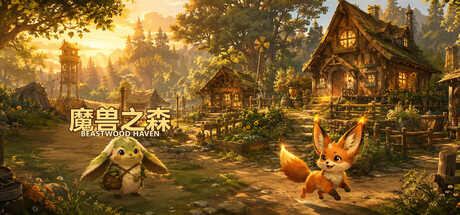 Beastwood Haven In-game content artaudio | The pre-rendered achievement images and music are AI-generated. No AI-generation code or content will be used during gameplay. | 9.9 studio | - | Sep 13, 2026 | |
 Sarmatian Heroes In-game content art | Generative AI tools were used to create and edit selected pre-rendered visual assets, animations, and marketing materials. The game does not use live-generated AI content during gameplay. | Kajetan Hrynczuk | - | Sep 12, 2026 | |
 Cat Undead Island In-game content arttext | We used generative AI tools during development to assist with some pre-rendered content: drafting store page text, producing UI layout mockups and some UI sprite assets, and generating base meshes for a portion of 3D props (which were then reviewed and edited by the team). All gameplay, code logic, and final art direction were created and approved by the developers. The game does not generate any content with AI at runtime. | SG GAMES | - | Sep 12, 2026 | |
 TileCity In-game content art | Store marketing images (Steam capsule art — header, main, small, and vertical capsules) were created with AI image generation tools and then edited/reviewed by the development team. In-game screenshots and gameplay footage represent the actual game. | KIDTAIN GAME | - | Sep 12, 2026 | |
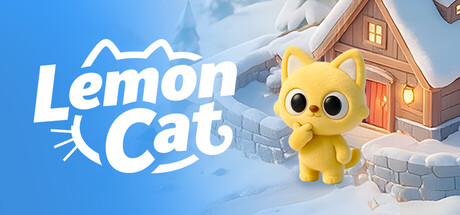 lemon cat In-game content art | 按钮、图标、合成物品、背景使用了AI技术 | zhangmeng | - | Sep 12, 2026 | |
 Battle for Everworld In-game content art | AI was used as a coding assistance tool and to create some assets. | GATO PRETO GAMES LTDA | - | Sep 12, 2026 | |
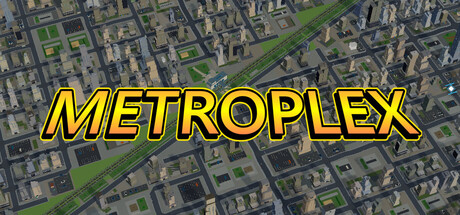 Metroplex In-game content art | Used for Textures. | Infinite Error Industries | - | Sep 12, 2026 | |
 Project Oasis In-game content art | This game is currently in pre-alpha, and its visual assets are still evolving.
Generative AI has been used as part of the asset creation process to help achieve more detailed and varied visuals than a purely simplistic low-poly approach. AI-generated elements are extensively iterated, customized, and integrated specifically for this game under direct developer oversight.
The current assets should not be considered final. As development progresses, we plan to replace and improve them with better versions as the game's visual direction and production evolve. | Magma Studios | - | Sep 12, 2026 | |
 Logistica: Under Glass Dev only code | Some code is aided by claude code | Flirp | - | Sep 10, 2026 | |
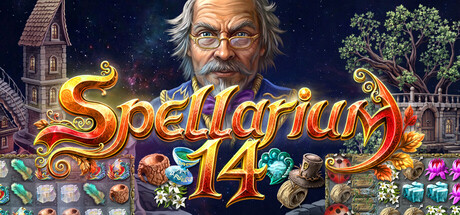 Spellarium 14 SE | AI is unsed for translation, proofreading and improving of the artwork | LGT SIA | - | Sep 10, 2026 | |
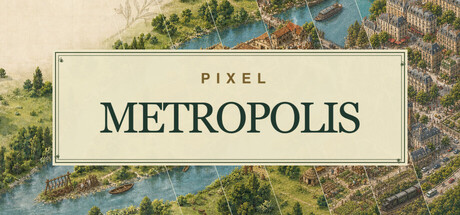 Pixel Metropolis In-game content artaudiocode | Pixel Metropolis is a human-designed, AI-implemented game. As its sole human creator, I am responsible for the game’s design, systems, architecture, quality assurance, extensive testing, art direction, and sound direction.
Codex, primarily using OpenAI’s GPT-5.6 Sol model, has generated all of the game’s code and has been used to direct the creation and implementation of its visual and sound assets. The only non-generated assets are a small selection of CC0 sounds. | Shamaan | - | Sep 10, 2026 | |
 Realm & Renown In-game content arttext | Some graphics, illustrations, and text used in the game were pre-generated with the help of generative AI during development and were subsequently reviewed, selected, and edited by the developer. No content is generated by AI during gameplay. | Apokus | - | Sep 9, 2026 |


