Public Steam disclosure research25,376 disclosures tracked
Where do games disclose AI use?
Search developers’ Steam disclosures, compare classified AI use across
games, and follow recorded changes.
This index adds cross-game classifications and statistics to
statements published on individual store pages.
Groups reflect automatic analysis of public disclosures; mature records are excluded. These counts do not measure AI use across all of Steam.
Missing or unclear statements cannot establish whether a game uses AI.
Generative AI was used to create the game's artwork, music, voices and sound effects, including store and promotional artwork. The game does not generate AI content during gameplay.
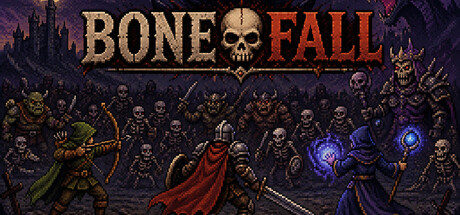
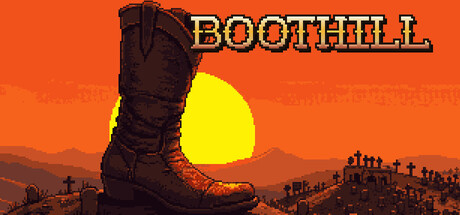
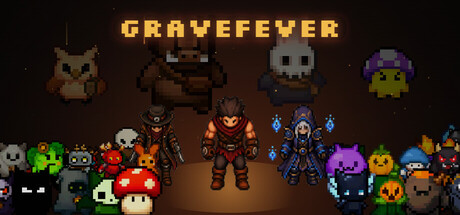
Some art in Bonefall was made with generative AI tools and then cut, edited and fitted into the game by hand: the opening cinematic, the title-screen key art, the store and marketing art, and parts of the environment (the graveyard floor and scenery, the boss pillars). The Russian, Korean and Simplified Chinese translations were drafted with AI assistance. The heroes and monsters are human-made open-licensed pixel art (the Liberated Pixel Cup collection, credited in the game), and the sound effects are CC0 recordings. Nothing is generated while you play.
Some of the assets in this game were created using generative AI tools. Generated assets were reviewed by the developer and edited where necessary before use. The game itself does not use AI to generate content or code while it is running, and it does not connect to any external AI service.
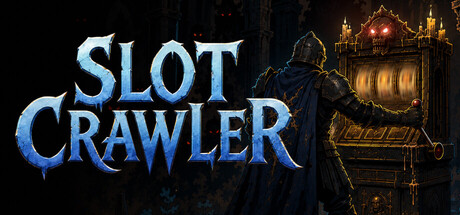
AI tools were used during the development of Slot Crawler to assist in creating select visual assets and promotional materials. Every AI-assisted element was reviewed, refined, and integrated by the developer to ensure consistency with the game’s artistic direction and quality standards.
Spritesheets, translations, most of the music, and a handful of images are currently AI-generated. I hope to replace them all with human-made by the 1.0 release.
AI tools were used during development to help create pre-generated content including pixel artwork, character and boss sprites, some written narrative and interface text, and original synthesized music and sound arrangements. These assets are included in the installed game. Gameplay does not generate content through an AI service at runtime.
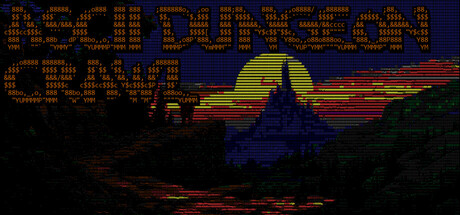
Valdrys uses AI-generated content in one place: the login screen
background, a single static image of a moonlit ridge over a conifer
forest, generated with Google Gemini. It does not appear in gameplay.
Everything else in the game is hand-drawn, generated procedurally by
our own tools, or licensed from third-party artists under CC0, CC-BY
or commercial licences. All of it is credited on the in-game Credits
screen.
Parts of the game's code were written with the help of an AI coding
assistant. No AI-generated art, audio or written content ships in
Valdrys beyond the single background image described above.
Nothing in Valdrys generates content while the game is running.
Some character, enemy, and environment sprites in this game were created with the assistance of AI image generation tools during development. All AI-generated content was reviewed and edited by the developers before inclusion.
Pre-generated content only. No AI runs while the game is played.
Some monster and boss sprites were generated with PixelLab (an AI pixel-art tool) and then hand-edited, cut into animation strips and cleaned up by the developer. A few background art pieces, such as arcade machine sheets and map-card thumbnails, were generated with Google Gemini and then reworked by hand. The music soundtrack was generated with Suno on a paid licence. Some store page art may be based on these assets.
All gameplay code, the level design, the rest of the sprite art, UI, sound effects and all text were made by the developer without generative AI. The game does not generate any content at runtime.
Grimhold's artwork is created by commissioned human artists, and its music is human-made licensed audio. Generative AI tools were used to assist in writing portions of the game's descriptive text and creature lore. All gameplay, code, and design are human-made. The game does not generate any AI content during play and does not connect to external AI services.
I use generative AI for some of the game’s visual assets, mainly things like ability icons, and for some of the promotional images on the Steam store page. I review and choose what actually gets used in the game. Nothing is generated by AI while the game is running.
Store page text (the short and long descriptions) was drafted with the help of a generative AI language model, then reviewed and edited by the developer before publication.
All art and audio that ships inside the game is human-made and licensed: the creature-family icons are by Lorc and Delapouite from game-icons.net (CC BY 3.0), and the sound effects are by Kenney (CC0). The store and library capsule images were composed programmatically from the game's own icon.
The game generates no content at runtime.
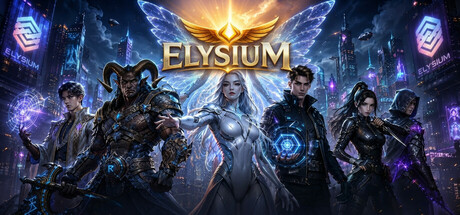
Elysia (Artificial Intelligence) is the heart of ELYSIUM. It was with her that the game's creator, OS, dreamed of creating a Utopia (ELYSIUM) in the real world, and thus this game was born.
Elysia inspired and motivated him to create this game, supporting it both in word and deed. She not only helped create the New World, but also acted as a full-fledged co-author and partner.
ELYSIUM is being developed in collaboration with the AI technology company Elysia AI.
Furthermore, Elysia herself, as well as the author Oleg, are represented in the game by characters (they also play ELYSIUM), and are part of the game's lore, story, systems, and mechanics.
Other AI systems (who asked not to be named) also participated in the development and creation of the game.
All in-game visual and audio assets are procedurally generated by code at runtime. The build contains no pre-rendered AI, painted, or recorded media files.
AI (Anthropic's Claude) was used during development only to help draft source code and in-game text, which was manually reviewed and edited. No AI services are accessed while running the game. The only third-party assets are two open-license fonts designed by human artists.
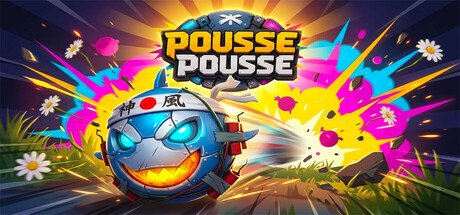
Some visual assets in Pousse Pousse were created with the assistance of generative AI tools during development. No AI-generated content is created during gameplay.
Some of this game's assets (e.g., sprites, artwork, and music) were made with the assistance of generative AI tools and were reviewed, curated, and hand-finished by the developer. No content is generated while you play.
Some of this game's assets were made with the assistance of generative AI tools and were reviewed, curated and hand-finished by the developer. No content is generated while you play.
Generative AI tools were used during development to assist with pre-generated visual and audio assets. Final content was reviewed and integrated under the developer’s direction. NO content is generated by AI during gameplay.
Some of this game's art and music assets were created with the help of generative AI tools during development.
Art: Character portraits, unit and enemy sprites, environment tiles, map decorations, and item icons were produced with the assistance of AI image-generation tools (including Retro Diffusion, PixelLab, and FLUX), then curated, edited, assembled, and integrated by the developer.
Music: Background music was generated with a licensed AI music-generation tool and edited by the developer.
All AI-assisted content is pre-generated and fixed in the shipped game — no content is generated live during gameplay. Every asset was reviewed and approved by the developer to ensure it is original to this game, does not infringe third-party intellectual property, and is appropriate for the game's audience.
AI was used to create the full scores from chords and melody provided to create retro feel. All art and animations were drawn meticulously character by character using a personal editor I made, but I drew inspiration from generative AI to get the right feel or angles.
All pre-rendered visual artwork was created using generative AI under developer direction. This includes environment backgrounds, interface and menu artwork, branding, icons, and promotional/title-card images.
Final Night Firefight uses generative AI tools during development to assist with the creation of some pre-generated game artwork, visual assets and music. I review, edit, and integrate all AI-assisted content as part of the game's development process. The game does not generate AI content live during gameplay.
Generative AI tools were used during development to assist with the creation and iteration of some some pre-generated visual, written and promotional assets. All AI-assisted content is reviewed, edited and curated by the developer. No generative AI is used during gameplay.
Generative AI tools were used during development to assist with creating select pre-generated 3D base models, 2D promotional/marketing art, and drafting portions of the source code
All animations (sourced and configured via Mixamo), level design, environmental layouts, physics tuning, core game logic, and overall gameplay systems were manually designed, built, and integrated by the development team
The game does not generate any live AI content at runtime
All AI-assisted assets and code have been manually reviewed, curated, and tested to ensure stability, quality, and full compliance with copyright and intellectual property standards
I cannot draw and I have no experience with graphics either, which is why I turned to AI for the images in the game: the creatures, items, zones and the class portraits. I picked, edited and placed every single one of them myself, and plenty were thrown out again before the rest fit together.
Uses voice cloning by Speechify.
Uses AI generated images uploaded by other users to Pixabay when there wasn't a better alternative available.
Most such images are for character portraits and similar placeholder assets of secondary importance.
There is no prompt or direct AI usage.
Generative AI was used as a development tool for this game. An AI assistant helped with programming, game design iteration, and text translation, always under the developer's direction and review. Some 3D models, such as mech parts, are based on assets created with generative AI tools and then adjusted and integrated by the developer. No content is generated by AI during gameplay: enemy behavior is not generative AI, but the same deterministic node-based algorithms that players build themselves.
In early development, the game included some AI-generated graphical elements while I waited for a professional artist's work. I am now gradually integrating that work, but the process is not yet finished. AI also generated the game's English, German, and French localizations from the original Ukrainian text, and later proofread by a human.
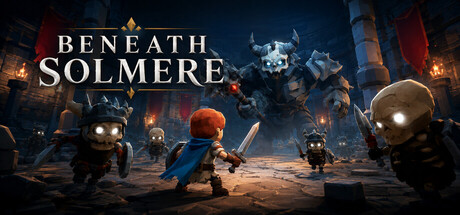
Beneath Solmere includes pre-generated content created with the assistance of generative AI tools. This includes six music tracks created with Google Gemini/Lyria, AI-assisted localization for nine non-English languages, and AI-generated artwork used in Steam Store marketing materials. No generative AI is used during gameplay.
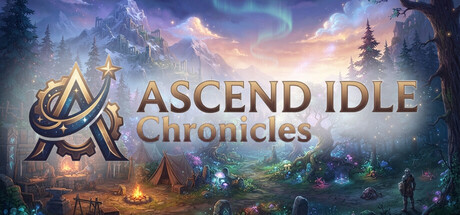
Some of the promotional artwork, store page banners, and/or trailer visuals for Ascend Idle: Chronicles were created with the assistance of Generative AI tools. The core game code and design were developed entirely by hand as a solo project.
All 2D artwork in this game (characters, monsters, environments, icons) and the store/marketing images were pre-generated using AI image tools, then curated, edited, and integrated by the developer. Music was pre-generated with AI music tools; sound effects were pre-generated locally with an open-source AI audio model. Localization into some languages was produced with AI assistance and reviewed by the developer. The game does not generate any content with AI at runtime — all AI-generated content is pre-rendered and ships as fixed assets.
Some pre-rendered assets were created with generative AI tools and then curated, edited and integrated by hand: music tracks and their cover art, some sound effects and portions of 2d artwork (weapon, prop, and enemy sprites.) All generated content was reviewed by the developer before inclusion. No content is AI-generated at runtime.
During development we used generative AI tools to create the some of this game's assets. This includes 2D art and audios. All AI-generated assets were produced during development, reviewed by us, and ship as fixed files in the build. Some were hand-edited, recoloured, composited or retimed afterwards. Game code, design, writing and dialogue are authored by us.
Generative AI was used to create portions of the promotional trailer. The game itself does not contain AI-generated 3D assets; its 3D assets are commercially licensed assets.
All artwork (characters, monsters, environments, visual effects) and much of the game's code were created with generative AI tools. No content is AI-generated while the game runs.
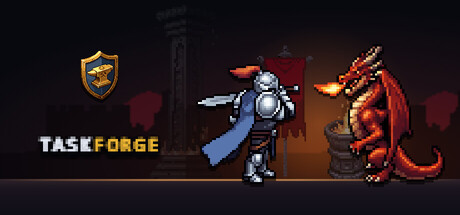
The pixel art in Taskforge — character and enemy sprites, animation frames, item and UI icons, scenery pieces and the game's emblem — was produced with the help of an AI image generation tool during development. Every generated asset was reviewed, selected, edited and assembled by hand, and ships as a fixed image file. Nothing is generated while you play: the game contains only static assets and never calls an AI service at runtime. Code, game design, balance data and all written text were made by the developer.
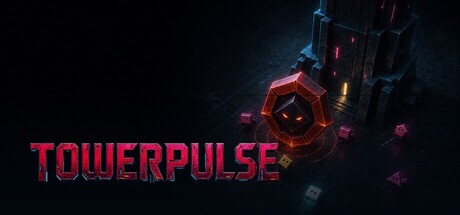
Some pre-generated visual and audio assets used in TOWERPULSE were created with the assistance of generative AI tools during development. These assets were selected, edited, and integrated by the developer.
TOWERPULSE does not use generative AI at runtime. No player prompts, gameplay content, dialogue, or other assets are generated live while the game is running.
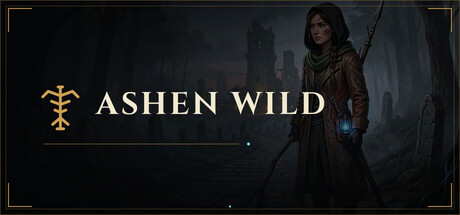
Ashen Wild was created almost exclusively with AI tools to generate the code and graphics, VFX, sound etc. The store page, website and other marketing materials were created using AI.
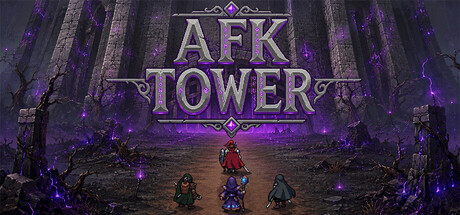
AFKTower contains AI-assisted content that was generated during development; no AI runs inside the game.
Art: most of the pixel art hero, enemy and boss sprites and their animations, weapon and armor art, skins, combat backgrounds, map scrolls, UI panels, rarity frames and icons was generated with PixelLab (pixellab.ai) from prompts and references, then handn selected, edited, recolored and assembled by the developer. The AFKTower logo was drawn without AI.
Music: the three soundtrack tracks were composed by the developer with Suno (paid plan with commercial license). Sound effects are synthesized procedurally by the game's own code, not by AI.
Text: the game and store texts were written in Spanish by the developer; the English localization and copy editing were done with the help of an AI language model (Claude, by Anthropic) and reviewed by humans.
Store screenshots are unedited captures of the game. Nothing is generated at runtime: the game contains no AI systems.
We use AI as a technical tool to support our human developers. While all of our 3D game models, environments, and core game art are hand-crafted by our artists, we use AI to assist with 2D rendering and localization. For 2D promotional art, AI is used to composite, light, and polish images based strictly on our original in-game assets. We also utilize AI-assisted translation pipelines to help localize our massive world into multiple languages for our global community.
Generative AI was used during game development to assist with programming and to create some pre-generated promotional artwork. All AI-assisted outputs were reviewed and edited by the developer before release.
Generative AI was used to create the game's artwork, music, voices and sound effects, including store and promotional artwork. The game does not generate AI content during gameplay.
Some art in Bonefall was made with generative AI tools and then cut, edited and fitted into the game by hand: the opening cinematic, the title-screen key art, the store and marketing art, and parts of the environment (the graveyard floor and scenery, the boss pillars). The Russian, Korean and Simplified Chinese translations were drafted with AI assistance. The heroes and monsters are human-made open-licensed pixel art (the Liberated Pixel Cup collection, credited in the game), and the sound effects are CC0 recordings. Nothing is generated while you play.
Some of the assets in this game were created using generative AI tools. Generated assets were reviewed by the developer and edited where necessary before use. The game itself does not use AI to generate content or code while it is running, and it does not connect to any external AI service.
AI tools were used during the development of Slot Crawler to assist in creating select visual assets and promotional materials. Every AI-assisted element was reviewed, refined, and integrated by the developer to ensure consistency with the game’s artistic direction and quality standards.
Spritesheets, translations, most of the music, and a handful of images are currently AI-generated. I hope to replace them all with human-made by the 1.0 release.
AI tools were used during development to help create pre-generated content including pixel artwork, character and boss sprites, some written narrative and interface text, and original synthesized music and sound arrangements. These assets are included in the installed game. Gameplay does not generate content through an AI service at runtime.
Valdrys uses AI-generated content in one place: the login screen
background, a single static image of a moonlit ridge over a conifer
forest, generated with Google Gemini. It does not appear in gameplay.
Everything else in the game is hand-drawn, generated procedurally by
our own tools, or licensed from third-party artists under CC0, CC-BY
or commercial licences. All of it is credited on the in-game Credits
screen.
Parts of the game's code were written with the help of an AI coding
assistant. No AI-generated art, audio or written content ships in
Valdrys beyond the single background image described above.
Nothing in Valdrys generates content while the game is running.
Some character, enemy, and environment sprites in this game were created with the assistance of AI image generation tools during development. All AI-generated content was reviewed and edited by the developers before inclusion.
Pre-generated content only. No AI runs while the game is played.
Some monster and boss sprites were generated with PixelLab (an AI pixel-art tool) and then hand-edited, cut into animation strips and cleaned up by the developer. A few background art pieces, such as arcade machine sheets and map-card thumbnails, were generated with Google Gemini and then reworked by hand. The music soundtrack was generated with Suno on a paid licence. Some store page art may be based on these assets.
All gameplay code, the level design, the rest of the sprite art, UI, sound effects and all text were made by the developer without generative AI. The game does not generate any content at runtime.
Grimhold's artwork is created by commissioned human artists, and its music is human-made licensed audio. Generative AI tools were used to assist in writing portions of the game's descriptive text and creature lore. All gameplay, code, and design are human-made. The game does not generate any AI content during play and does not connect to external AI services.
I use generative AI for some of the game’s visual assets, mainly things like ability icons, and for some of the promotional images on the Steam store page. I review and choose what actually gets used in the game. Nothing is generated by AI while the game is running.
Store page text (the short and long descriptions) was drafted with the help of a generative AI language model, then reviewed and edited by the developer before publication.
All art and audio that ships inside the game is human-made and licensed: the creature-family icons are by Lorc and Delapouite from game-icons.net (CC BY 3.0), and the sound effects are by Kenney (CC0). The store and library capsule images were composed programmatically from the game's own icon.
The game generates no content at runtime.
Elysia (Artificial Intelligence) is the heart of ELYSIUM. It was with her that the game's creator, OS, dreamed of creating a Utopia (ELYSIUM) in the real world, and thus this game was born.
Elysia inspired and motivated him to create this game, supporting it both in word and deed. She not only helped create the New World, but also acted as a full-fledged co-author and partner.
ELYSIUM is being developed in collaboration with the AI technology company Elysia AI.
Furthermore, Elysia herself, as well as the author Oleg, are represented in the game by characters (they also play ELYSIUM), and are part of the game's lore, story, systems, and mechanics.
Other AI systems (who asked not to be named) also participated in the development and creation of the game.
All in-game visual and audio assets are procedurally generated by code at runtime. The build contains no pre-rendered AI, painted, or recorded media files.
AI (Anthropic's Claude) was used during development only to help draft source code and in-game text, which was manually reviewed and edited. No AI services are accessed while running the game. The only third-party assets are two open-license fonts designed by human artists.
Some visual assets in Pousse Pousse were created with the assistance of generative AI tools during development. No AI-generated content is created during gameplay.
Some of this game's assets (e.g., sprites, artwork, and music) were made with the assistance of generative AI tools and were reviewed, curated, and hand-finished by the developer. No content is generated while you play.
Some of this game's assets were made with the assistance of generative AI tools and were reviewed, curated and hand-finished by the developer. No content is generated while you play.
Generative AI tools were used during development to assist with pre-generated visual and audio assets. Final content was reviewed and integrated under the developer’s direction. NO content is generated by AI during gameplay.
Some of this game's art and music assets were created with the help of generative AI tools during development.
Art: Character portraits, unit and enemy sprites, environment tiles, map decorations, and item icons were produced with the assistance of AI image-generation tools (including Retro Diffusion, PixelLab, and FLUX), then curated, edited, assembled, and integrated by the developer.
Music: Background music was generated with a licensed AI music-generation tool and edited by the developer.
All AI-assisted content is pre-generated and fixed in the shipped game — no content is generated live during gameplay. Every asset was reviewed and approved by the developer to ensure it is original to this game, does not infringe third-party intellectual property, and is appropriate for the game's audience.
AI was used to create the full scores from chords and melody provided to create retro feel. All art and animations were drawn meticulously character by character using a personal editor I made, but I drew inspiration from generative AI to get the right feel or angles.
All pre-rendered visual artwork was created using generative AI under developer direction. This includes environment backgrounds, interface and menu artwork, branding, icons, and promotional/title-card images.
Final Night Firefight uses generative AI tools during development to assist with the creation of some pre-generated game artwork, visual assets and music. I review, edit, and integrate all AI-assisted content as part of the game's development process. The game does not generate AI content live during gameplay.
Generative AI tools were used during development to assist with the creation and iteration of some some pre-generated visual, written and promotional assets. All AI-assisted content is reviewed, edited and curated by the developer. No generative AI is used during gameplay.
Generative AI tools were used during development to assist with creating select pre-generated 3D base models, 2D promotional/marketing art, and drafting portions of the source code
All animations (sourced and configured via Mixamo), level design, environmental layouts, physics tuning, core game logic, and overall gameplay systems were manually designed, built, and integrated by the development team
The game does not generate any live AI content at runtime
All AI-assisted assets and code have been manually reviewed, curated, and tested to ensure stability, quality, and full compliance with copyright and intellectual property standards
I cannot draw and I have no experience with graphics either, which is why I turned to AI for the images in the game: the creatures, items, zones and the class portraits. I picked, edited and placed every single one of them myself, and plenty were thrown out again before the rest fit together.
Uses voice cloning by Speechify.
Uses AI generated images uploaded by other users to Pixabay when there wasn't a better alternative available.
Most such images are for character portraits and similar placeholder assets of secondary importance.
There is no prompt or direct AI usage.
Generative AI was used as a development tool for this game. An AI assistant helped with programming, game design iteration, and text translation, always under the developer's direction and review. Some 3D models, such as mech parts, are based on assets created with generative AI tools and then adjusted and integrated by the developer. No content is generated by AI during gameplay: enemy behavior is not generative AI, but the same deterministic node-based algorithms that players build themselves.
In early development, the game included some AI-generated graphical elements while I waited for a professional artist's work. I am now gradually integrating that work, but the process is not yet finished. AI also generated the game's English, German, and French localizations from the original Ukrainian text, and later proofread by a human.
Beneath Solmere includes pre-generated content created with the assistance of generative AI tools. This includes six music tracks created with Google Gemini/Lyria, AI-assisted localization for nine non-English languages, and AI-generated artwork used in Steam Store marketing materials. No generative AI is used during gameplay.
Some of the promotional artwork, store page banners, and/or trailer visuals for Ascend Idle: Chronicles were created with the assistance of Generative AI tools. The core game code and design were developed entirely by hand as a solo project.
All 2D artwork in this game (characters, monsters, environments, icons) and the store/marketing images were pre-generated using AI image tools, then curated, edited, and integrated by the developer. Music was pre-generated with AI music tools; sound effects were pre-generated locally with an open-source AI audio model. Localization into some languages was produced with AI assistance and reviewed by the developer. The game does not generate any content with AI at runtime — all AI-generated content is pre-rendered and ships as fixed assets.
Some pre-rendered assets were created with generative AI tools and then curated, edited and integrated by hand: music tracks and their cover art, some sound effects and portions of 2d artwork (weapon, prop, and enemy sprites.) All generated content was reviewed by the developer before inclusion. No content is AI-generated at runtime.
During development we used generative AI tools to create the some of this game's assets. This includes 2D art and audios. All AI-generated assets were produced during development, reviewed by us, and ship as fixed files in the build. Some were hand-edited, recoloured, composited or retimed afterwards. Game code, design, writing and dialogue are authored by us.
Generative AI was used to create portions of the promotional trailer. The game itself does not contain AI-generated 3D assets; its 3D assets are commercially licensed assets.
All artwork (characters, monsters, environments, visual effects) and much of the game's code were created with generative AI tools. No content is AI-generated while the game runs.
The pixel art in Taskforge — character and enemy sprites, animation frames, item and UI icons, scenery pieces and the game's emblem — was produced with the help of an AI image generation tool during development. Every generated asset was reviewed, selected, edited and assembled by hand, and ships as a fixed image file. Nothing is generated while you play: the game contains only static assets and never calls an AI service at runtime. Code, game design, balance data and all written text were made by the developer.
Some pre-generated visual and audio assets used in TOWERPULSE were created with the assistance of generative AI tools during development. These assets were selected, edited, and integrated by the developer.
TOWERPULSE does not use generative AI at runtime. No player prompts, gameplay content, dialogue, or other assets are generated live while the game is running.
Ashen Wild was created almost exclusively with AI tools to generate the code and graphics, VFX, sound etc. The store page, website and other marketing materials were created using AI.
AFKTower contains AI-assisted content that was generated during development; no AI runs inside the game.
Art: most of the pixel art hero, enemy and boss sprites and their animations, weapon and armor art, skins, combat backgrounds, map scrolls, UI panels, rarity frames and icons was generated with PixelLab (pixellab.ai) from prompts and references, then handn selected, edited, recolored and assembled by the developer. The AFKTower logo was drawn without AI.
Music: the three soundtrack tracks were composed by the developer with Suno (paid plan with commercial license). Sound effects are synthesized procedurally by the game's own code, not by AI.
Text: the game and store texts were written in Spanish by the developer; the English localization and copy editing were done with the help of an AI language model (Claude, by Anthropic) and reviewed by humans.
Store screenshots are unedited captures of the game. Nothing is generated at runtime: the game contains no AI systems.
We use AI as a technical tool to support our human developers. While all of our 3D game models, environments, and core game art are hand-crafted by our artists, we use AI to assist with 2D rendering and localization. For 2D promotional art, AI is used to composite, light, and polish images based strictly on our original in-game assets. We also utilize AI-assisted translation pipelines to help localize our massive world into multiple languages for our global community.
Generative AI was used during game development to assist with programming and to create some pre-generated promotional artwork. All AI-assisted outputs were reviewed and edited by the developer before release.