Public Steam disclosure research25,376 disclosures tracked
Where do games disclose AI use?
Search developers’ Steam disclosures, compare classified AI use across
games, and follow recorded changes.
This index adds cross-game classifications and statistics to
statements published on individual store pages.
Groups reflect automatic analysis of public disclosures; mature records are excluded. These counts do not measure AI use across all of Steam.
Missing or unclear statements cannot establish whether a game uses AI.
Generative AI tools were used to assist with localization during development. All in-game art assets were hand-drawn, manually edited, and refined by the creator. No generative AI is used while the game is running.
Some in-game assets were created with the assistance of generative AI tools during development. All AI-assisted content has been reviewed, edited, and curated by our team before being included in the game. The game does not use generative AI at runtime — no content is generated while you play.
Visual Arts: Generative AI tools were used solely to create early-concept drafts and visual inspiration for certain art assets. All final in-game graphics, UI, and pixel art were manually redesigned, drawn, and polished by human artists.
Localization: Generative AI tools were used to assist with the initial translation of supported non-primary languages. While we have conducted basic checks, these translations may still contain errors or awkward phrasing. We warmly welcome community feedback to help us improve localization over time!
This game contains content created with the assistance of AI tools. AI was used during development to assist with programming, visual assets, and other creative elements. All generated content was reviewed, edited, and integrated by the dev.
Generative AI was used to assist in creating some in-game content, as well as store and library artwork. AI tools also assisted with store descriptions and translations.
Generative AI was used during development for some cabin and promotional artwork, written text, and localization. The marine-life videos are real underwater footage from NOAA Ocean Exploration. No AI content is generated and no external AI services are connected during play.
Generative AI tools were used during development to create pre-rendered assets: creature and building artwork, icons, 3D models and parts of the store graphics. All assets were selected, edited and integrated by the developers. The game does not generate any content with AI while it is running.
Generative AI was used to create artwork, videos, music, sound effects, and translations during development. No AI content is generated during gameplay. The game does not connect to external AI services during gameplay.
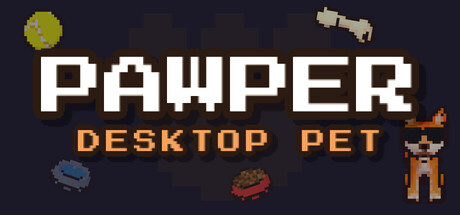
I'm a solo developer and I'm not a 3D modeler. Generative AI is what made Pawper possible at all: the in-game items and the game's icons were created with AI 3D tools, and I assembled the store capsules by hand from those elements. Sound effects and music are mostly licensed or hand-made. Nothing is generated by AI while the game is running.
I use generative technologies strictly in a supporting role, including: brain-storming; editing text; altering images; research; transcription…
Generated assets are never the first seed nor the last product of any content in my games.
AI-assisted tools were used during development to create fixed assets that are baked into the build and the store page:
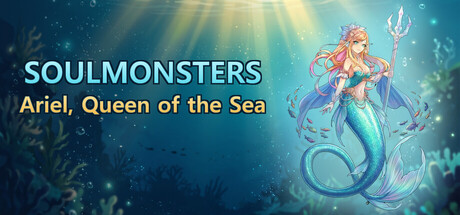
- Pixel-art sprites for the sea creatures, the guardians, battle effects and Ariel
- Store page art (capsules, library images, logo)
- Drafts of some in-game text and the EN / RU / JA localization, reviewed by the developer
Game design, code, level layouts and music are human-authored. All music and sound effects are generated procedurally by the game's own code at runtime - there are no audio files and no AI model is involved.
No AI model runs while the game is playing. The build is fully offline.
This game uses generative AI as part of the development process. ChatGPT was used for planning, specification review, and the creation of some base visual assets, while Codex was used to assist with code generation, implementation, and testing.
Some visual assets were generated as base material and then edited and refined in tools such as Photoshop. SOUNDRAW was used for some background music, and ElevenLabs was used for some sound effects.
All AI-generated content was created during development. The game does not use generative AI to create content in real time during gameplay. Final design, editing, implementation, and selection decisions were made by the developer.
Generative AI was used to assist in creating artwork for marine creatures, plants, decorations, underwater environments, and Steam store and marketing images, as well as portions of descriptive text. This content is pre-generated and included as fixed assets or text. The game does not generate content during play and does not connect to external AI services.
Generative AI tools were used during development to assist in creating some visual assets. These assets are included as pre-generated content. AI tools also assisted with store page copy and translations. The game does not generate AI content during gameplay or connect to external AI services.
FishyFox includes pre-generated visual assets created with the assistance of generative AI tools. These assets were selected, edited, refined, composited, and integrated by the developer. No content is generated by AI while the game is running.
All fish models are fully human made in blender.
Generative AI tools were used during development to create logic and some visual assets. These assets are included with the game as pre-generated content.
The game does not use live generative AI during gameplay. Fish breeding combines existing parent textures locally through procedural image processing; it does not use an AI model or an external AI service.
Generative AI tools were used during the development process to assist in the conceptualization and creation of character sprites and visual assets. All AI-generated content was pre-rendered and manually refined to fit the game's art style
We use generative AI to support the creation of promotional materials, translations, selected artwork, music, and sound effects. These tools help bring our ideas to life, while the game’s creative direction and final decisions will always remain in human hands.
Generative AI was used to assist in the creation of some promotional artwork for the Steam store page, including capsule and library artwork. AI is not used to generate content during gameplay.
Usage of AI-assisted coding tools were used to help debug, and write some lengthy aspects of the game. But all creative work (art, animation, music, sound effects, and all writing and dialogue) is made by hand, without any generative AI whatsoever.
Art assets in this game - the fish, environments, UI icons, achievement icons
and store page artwork - were created with the help of generative AI tools.
Every asset was then hand-picked, edited, resized and colour-corrected before
being brought into the game, and all of it was checked against a fixed art
direction and a locked colour palette.
Some of the code was written with AI assistance. All of it was reviewed by the
developer and is covered by automated tests.
The game itself never generates anything while you play, and never connects to
an AI service. Everything you see ships with the build and is the same for
every player.
Some of the 3D models shipped with this game were generated with Meshy, an AI model generation tool, and then reworked by hand (retopology, rigging in Blender, hand made materials and animations). This covers the player character, the alien customers, and part of the props, weapons, vehicles and buildings. The creatures you catch were not generated with AI. No content is generated by AI while you play.
I (Sean) use AI coding assistants: GitHub Copilot and Claude Code. I've written software for years and I teach games programming at university, and I use AI tools the way I use a profiler or a compiler. They helped build web tools Dave and I use to balance the ecosystem across long simulations, they're very good at finding edge-case bugs (I'm looking at you, pathing system), and they write the boilerplate for things like save states and UI. I never ship code I haven't read and thoroughly tested.
No content in this game is AI-generated, and no generative AI runs while you play.
Every sound, art and music asset in this game was made by a human. The game started out as the idea of “Asset Safari” around the concept of buying sprite packs from artists, which is what we have done. The music, sound and writing is also all human generated.
Pocket Beasts uses generative AI tools to assist in the creation of some visual assets, including creature and character artwork, in portions of the game's text and localization, and in some of the game's sound, including background music. Not all assets are AI-generated; some artwork is sourced from purchased assets. All AI-assisted content is reviewed and edited by the development team. No content is generated live during gameplay — all assets are pre-rendered — and the game does not connect to any external AI service at runtime.
Some of the sprites and marketing material started as AI-generated art that was processed and reworked by hand before use. No content is generated by AI while the game is running.
Towards the end of development, we used modern tools to find bugs faster and further improve the player experience. Some graphics are still temporary and will be replaced with original artwork before the full release. These tools will continue to support testing, bug hunting, and technical optimization.
Generative AI tools were used to assist with localization during development. All in-game art assets were hand-drawn, manually edited, and refined by the creator. No generative AI is used while the game is running.
Some in-game assets were created with the assistance of generative AI tools during development. All AI-assisted content has been reviewed, edited, and curated by our team before being included in the game. The game does not use generative AI at runtime — no content is generated while you play.
Visual Arts: Generative AI tools were used solely to create early-concept drafts and visual inspiration for certain art assets. All final in-game graphics, UI, and pixel art were manually redesigned, drawn, and polished by human artists.
Localization: Generative AI tools were used to assist with the initial translation of supported non-primary languages. While we have conducted basic checks, these translations may still contain errors or awkward phrasing. We warmly welcome community feedback to help us improve localization over time!
This game contains content created with the assistance of AI tools. AI was used during development to assist with programming, visual assets, and other creative elements. All generated content was reviewed, edited, and integrated by the dev.
Generative AI was used to assist in creating some in-game content, as well as store and library artwork. AI tools also assisted with store descriptions and translations.
Generative AI was used during development for some cabin and promotional artwork, written text, and localization. The marine-life videos are real underwater footage from NOAA Ocean Exploration. No AI content is generated and no external AI services are connected during play.
Generative AI tools were used during development to create pre-rendered assets: creature and building artwork, icons, 3D models and parts of the store graphics. All assets were selected, edited and integrated by the developers. The game does not generate any content with AI while it is running.
Generative AI was used to create artwork, videos, music, sound effects, and translations during development. No AI content is generated during gameplay. The game does not connect to external AI services during gameplay.
I'm a solo developer and I'm not a 3D modeler. Generative AI is what made Pawper possible at all: the in-game items and the game's icons were created with AI 3D tools, and I assembled the store capsules by hand from those elements. Sound effects and music are mostly licensed or hand-made. Nothing is generated by AI while the game is running.
I use generative technologies strictly in a supporting role, including: brain-storming; editing text; altering images; research; transcription…
Generated assets are never the first seed nor the last product of any content in my games.
AI-assisted tools were used during development to create fixed assets that are baked into the build and the store page:
- Pixel-art sprites for the sea creatures, the guardians, battle effects and Ariel
- Store page art (capsules, library images, logo)
- Drafts of some in-game text and the EN / RU / JA localization, reviewed by the developer
Game design, code, level layouts and music are human-authored. All music and sound effects are generated procedurally by the game's own code at runtime - there are no audio files and no AI model is involved.
No AI model runs while the game is playing. The build is fully offline.
This game uses generative AI as part of the development process. ChatGPT was used for planning, specification review, and the creation of some base visual assets, while Codex was used to assist with code generation, implementation, and testing.
Some visual assets were generated as base material and then edited and refined in tools such as Photoshop. SOUNDRAW was used for some background music, and ElevenLabs was used for some sound effects.
All AI-generated content was created during development. The game does not use generative AI to create content in real time during gameplay. Final design, editing, implementation, and selection decisions were made by the developer.
Generative AI was used to assist in creating artwork for marine creatures, plants, decorations, underwater environments, and Steam store and marketing images, as well as portions of descriptive text. This content is pre-generated and included as fixed assets or text. The game does not generate content during play and does not connect to external AI services.
Generative AI tools were used during development to assist in creating some visual assets. These assets are included as pre-generated content. AI tools also assisted with store page copy and translations. The game does not generate AI content during gameplay or connect to external AI services.
FishyFox includes pre-generated visual assets created with the assistance of generative AI tools. These assets were selected, edited, refined, composited, and integrated by the developer. No content is generated by AI while the game is running.
All fish models are fully human made in blender.
Generative AI tools were used during development to create logic and some visual assets. These assets are included with the game as pre-generated content.
The game does not use live generative AI during gameplay. Fish breeding combines existing parent textures locally through procedural image processing; it does not use an AI model or an external AI service.
Generative AI tools were used during the development process to assist in the conceptualization and creation of character sprites and visual assets. All AI-generated content was pre-rendered and manually refined to fit the game's art style
We use generative AI to support the creation of promotional materials, translations, selected artwork, music, and sound effects. These tools help bring our ideas to life, while the game’s creative direction and final decisions will always remain in human hands.
Generative AI was used to assist in the creation of some promotional artwork for the Steam store page, including capsule and library artwork. AI is not used to generate content during gameplay.
Usage of AI-assisted coding tools were used to help debug, and write some lengthy aspects of the game. But all creative work (art, animation, music, sound effects, and all writing and dialogue) is made by hand, without any generative AI whatsoever.
Art assets in this game - the fish, environments, UI icons, achievement icons
and store page artwork - were created with the help of generative AI tools.
Every asset was then hand-picked, edited, resized and colour-corrected before
being brought into the game, and all of it was checked against a fixed art
direction and a locked colour palette.
Some of the code was written with AI assistance. All of it was reviewed by the
developer and is covered by automated tests.
The game itself never generates anything while you play, and never connects to
an AI service. Everything you see ships with the build and is the same for
every player.
Some of the 3D models shipped with this game were generated with Meshy, an AI model generation tool, and then reworked by hand (retopology, rigging in Blender, hand made materials and animations). This covers the player character, the alien customers, and part of the props, weapons, vehicles and buildings. The creatures you catch were not generated with AI. No content is generated by AI while you play.
I (Sean) use AI coding assistants: GitHub Copilot and Claude Code. I've written software for years and I teach games programming at university, and I use AI tools the way I use a profiler or a compiler. They helped build web tools Dave and I use to balance the ecosystem across long simulations, they're very good at finding edge-case bugs (I'm looking at you, pathing system), and they write the boilerplate for things like save states and UI. I never ship code I haven't read and thoroughly tested.
No content in this game is AI-generated, and no generative AI runs while you play.
Every sound, art and music asset in this game was made by a human. The game started out as the idea of “Asset Safari” around the concept of buying sprite packs from artists, which is what we have done. The music, sound and writing is also all human generated.
Pocket Beasts uses generative AI tools to assist in the creation of some visual assets, including creature and character artwork, in portions of the game's text and localization, and in some of the game's sound, including background music. Not all assets are AI-generated; some artwork is sourced from purchased assets. All AI-assisted content is reviewed and edited by the development team. No content is generated live during gameplay — all assets are pre-rendered — and the game does not connect to any external AI service at runtime.
Some of the sprites and marketing material started as AI-generated art that was processed and reworked by hand before use. No content is generated by AI while the game is running.
Towards the end of development, we used modern tools to find bugs faster and further improve the player experience. Some graphics are still temporary and will be replaced with original artwork before the full release. These tools will continue to support testing, bug hunting, and technical optimization.