Public Steam disclosure research25,394 disclosures tracked
Where do games disclose AI use?
Search developers’ Steam disclosures, compare classified AI use across
games, and follow recorded changes.
This index adds cross-game classifications and statistics to
statements published on individual store pages.
Groups reflect automatic analysis of public disclosures; mature records are excluded. These counts do not measure AI use across all of Steam.
Missing or unclear statements cannot establish whether a game uses AI.
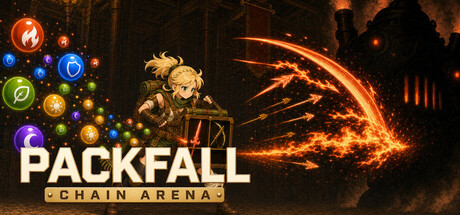
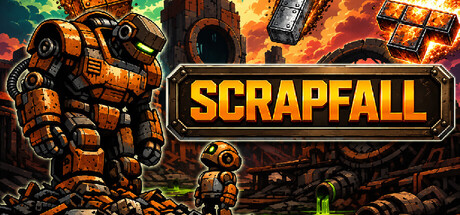
Portions of this game's 2D artwork — character and enemy sprites, item and orb illustrations, backgrounds, UI decoration, and HUD icons — were created with the assistance of image-generation AI (GPT-image-2), working from the developer's own compositions, reference art, and prompts. Every AI-assisted image was individually selected, post-processed, and reviewed by the developer, and is tracked in an internal asset ledger. Store capsule artwork was produced the same way. Store screenshots are unedited captures of actual gameplay. Visual effects are generated procedurally by the developer's own code without AI. The game contains no AI-generated audio or music. Some in-game text was drafted with AI assistance and edited by the developer.
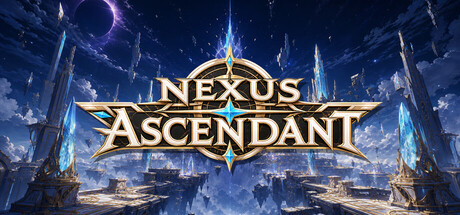
Nexus Ascendant contains pre-generated content created with the assistance of generative AI tools during development. This includes portions of the character and environment artwork, animated visual assets, user-interface graphics, gameplay textures, narrative writing, Japanese voice audio, and marketing materials. All AI-assisted content was selected, edited, reviewed, and integrated by the developer before inclusion. The game does not generate AI content during gameplay or transmit player data to generative AI services.
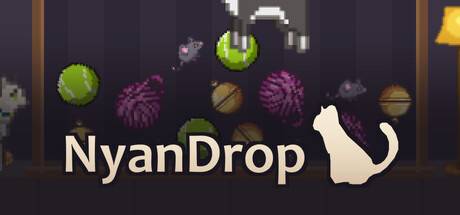
NyanDrop uses AI tools in parts of its development process, including the creation of some of the pixel artwork used in the game and on the store page, the sound effects and music, and the writing and translation of text shown in the game and on the store page. All such output is generated and reviewed in advance before being incorporated into the product, and no generative AI runs during gameplay.
This game was developed with the assistance of generative AI tools for coding support and some visual asset creation.
All content was reviewed and finalized by the developer.
No generative AI is used during gameplay.
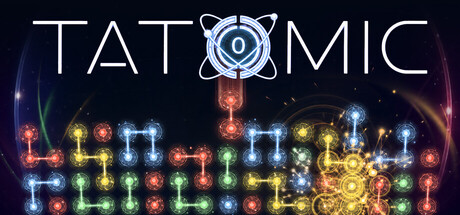
Tatomic was originally created in 2008 for the first-generation iPhone, with artwork designed for its 480 × 320 display.
Generative AI was used only to upscale and recreate the original artwork at higher resolutions while preserving the game’s original visual style. No generative AI was used to create the game’s design, gameplay, sound effects, music, or original art direction.
Generative AI was used in the creation of reaction sound effects (burning, explosions, electricity etc.) only.
All music and imagery is human-made and attributed.
AI-generated art assets are used in this game. All such assets have been manually reviewed and adjusted to ensure a consistent visual style and quality.
AI tools were used during development to assist with localizing in-game text into 13 non-English languages and with drafting in-game flavor text and store page copy. All AI-assisted text was reviewed and edited by the developers.
All artwork and visual assets are hand-made; no AI-generated imagery is used. No content is generated by AI during gameplay.
To provide our players with a richer visual and auditory experience within a small-scale development environment, We used pre-generated AI tools to assist in creating some 2D art assets, background music, and voice lines.
This product uses generative AI only for a limited amount of pre-generated visual assets. These include certain user interface artwork used in the game menus, as well as some promotional/store page visual assets such as header images and the game logo.
Generative AI is not used to generate gameplay, characters, levels, story content, player-facing text, or any real-time content during gameplay. All AI-assisted assets are manually reviewed, edited where necessary, and selected by the developer before being included in the product or its store page.
Generative AI tools were used during development to generate background audio tracks, select visual assets, and promotional store page art. All assets were reviewed prior to release. No content is generated in real-time during gameplay.
Generative AI tools were used to assist with store page text, translation drafts, and promotional copy. All final content was reviewed and edited by the developer.
Some assets included in this game were created with generative AI including some sound effects, background music, character sprites, background sprites, and the intro trailer that plays when launching the game.
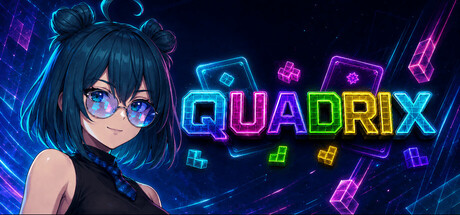
Some of the pre-made visual elements used in Quadrix—including certain card images/templates, game music, and some game mode icons—were created with the help of generative AI tools. These elements were reviewed, selected, and refined by the developer before being added to the game to ensure they align with the game’s visual style and usability requirements. Quadrix does not use real-time generative AI during gameplay, and players cannot generate AI-generated content within the game.
Generative AI tools were used during development for concept exploration, prototyping, and internal reference materials. All gameplay systems, visuals, text, and audio included in the released game are authored, curated, and reviewed by the developer.
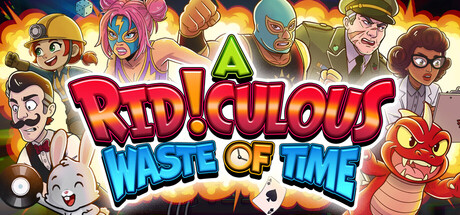
Ridiculous Games employs artists, designers and programmers to make our games. We used generative AI to help create this game. It's part of what lets a small team build a game like this. We believe in being transparent about the tools we use, but they're only tools. Every part of this game is reviewed, refined, and curated by our team to meet our creative vision and quality standards, and we hope you'll enjoy the game for the experience it delivers.
Portions of this game's 2D artwork — character and enemy sprites, item and orb illustrations, backgrounds, UI decoration, and HUD icons — were created with the assistance of image-generation AI (GPT-image-2), working from the developer's own compositions, reference art, and prompts. Every AI-assisted image was individually selected, post-processed, and reviewed by the developer, and is tracked in an internal asset ledger. Store capsule artwork was produced the same way. Store screenshots are unedited captures of actual gameplay. Visual effects are generated procedurally by the developer's own code without AI. The game contains no AI-generated audio or music. Some in-game text was drafted with AI assistance and edited by the developer.
Nexus Ascendant contains pre-generated content created with the assistance of generative AI tools during development. This includes portions of the character and environment artwork, animated visual assets, user-interface graphics, gameplay textures, narrative writing, Japanese voice audio, and marketing materials. All AI-assisted content was selected, edited, reviewed, and integrated by the developer before inclusion. The game does not generate AI content during gameplay or transmit player data to generative AI services.
NyanDrop uses AI tools in parts of its development process, including the creation of some of the pixel artwork used in the game and on the store page, the sound effects and music, and the writing and translation of text shown in the game and on the store page. All such output is generated and reviewed in advance before being incorporated into the product, and no generative AI runs during gameplay.
This game was developed with the assistance of generative AI tools for coding support and some visual asset creation.
All content was reviewed and finalized by the developer.
No generative AI is used during gameplay.
Tatomic was originally created in 2008 for the first-generation iPhone, with artwork designed for its 480 × 320 display.
Generative AI was used only to upscale and recreate the original artwork at higher resolutions while preserving the game’s original visual style. No generative AI was used to create the game’s design, gameplay, sound effects, music, or original art direction.
Generative AI was used in the creation of reaction sound effects (burning, explosions, electricity etc.) only.
All music and imagery is human-made and attributed.
AI-generated art assets are used in this game. All such assets have been manually reviewed and adjusted to ensure a consistent visual style and quality.
AI tools were used during development to assist with localizing in-game text into 13 non-English languages and with drafting in-game flavor text and store page copy. All AI-assisted text was reviewed and edited by the developers.
All artwork and visual assets are hand-made; no AI-generated imagery is used. No content is generated by AI during gameplay.
To provide our players with a richer visual and auditory experience within a small-scale development environment, We used pre-generated AI tools to assist in creating some 2D art assets, background music, and voice lines.
This product uses generative AI only for a limited amount of pre-generated visual assets. These include certain user interface artwork used in the game menus, as well as some promotional/store page visual assets such as header images and the game logo.
Generative AI is not used to generate gameplay, characters, levels, story content, player-facing text, or any real-time content during gameplay. All AI-assisted assets are manually reviewed, edited where necessary, and selected by the developer before being included in the product or its store page.
Generative AI tools were used during development to generate background audio tracks, select visual assets, and promotional store page art. All assets were reviewed prior to release. No content is generated in real-time during gameplay.
Generative AI tools were used to assist with store page text, translation drafts, and promotional copy. All final content was reviewed and edited by the developer.
Some assets included in this game were created with generative AI including some sound effects, background music, character sprites, background sprites, and the intro trailer that plays when launching the game.
Some of the pre-made visual elements used in Quadrix—including certain card images/templates, game music, and some game mode icons—were created with the help of generative AI tools. These elements were reviewed, selected, and refined by the developer before being added to the game to ensure they align with the game’s visual style and usability requirements. Quadrix does not use real-time generative AI during gameplay, and players cannot generate AI-generated content within the game.
Generative AI tools were used during development for concept exploration, prototyping, and internal reference materials. All gameplay systems, visuals, text, and audio included in the released game are authored, curated, and reviewed by the developer.
Ridiculous Games employs artists, designers and programmers to make our games. We used generative AI to help create this game. It's part of what lets a small team build a game like this. We believe in being transparent about the tools we use, but they're only tools. Every part of this game is reviewed, refined, and curated by our team to meet our creative vision and quality standards, and we hope you'll enjoy the game for the experience it delivers.