Public Steam disclosure research25,376 disclosures tracked
Where do games disclose AI use?
Search developers’ Steam disclosures, compare classified AI use across
games, and follow recorded changes.
This index adds cross-game classifications and statistics to
statements published on individual store pages.
Groups reflect automatic analysis of public disclosures; mature records are excluded. These counts do not measure AI use across all of Steam.
Missing or unclear statements cannot establish whether a game uses AI.
Generative AI was used as a supplementary tool in the translation process for certain system languages in this title.
AI was utilized to help improve translation efficiency and quality. However, all final translations are reviewed and edited by the development team before being implemented.
All translated text is reviewed by human editors to ensure it is accurate, appropriate, and of high quality.
Artificial intelligence was used to generate artwork for the game's Steam page and the game's logo, as well as to translate and improve the game's dialogue. No AI-generated artwork was used in the game itself.
As a small indie team, some of our initial localizations will use AI-assisted translation, and we hope to have them professionally reviewed and polished as our budget grows.
While AI tools were used to assist with the creation of select assets for our game's store page, all featured assets are fully original designs developed by our internal team.
Some background music tracks were created with the assistance of generative AI tools and subsequently edited and modified by the developer. No generative AI content is created during gameplay.
Veil of Time is a hand-built game. The maps, the writing, the music, the interface, and the game design are all human work. Generative AI was used in five specific places, each reviewed and finished by hand:
1. Voice acting. Every line of dialogue and every in-game book can be spoken aloud (3,707 voice clips), synthesized with ElevenLabs from the game's own written script. We chose this so the story stays open to players with low vision or reading difficulties, and to younger players who are not fast readers yet. A voice cast of this size would otherwise be out of reach for a small studio. No performance was cloned from a real person without licence.
2. Character and bestiary portraits, generated from the game's original hand-made sprites and finished by hand.
3. Some character sprites and the party's battle animation sheets, produced with AI assistance from the project's own hand-drawn art, then hand-corrected and palette-locked.
4. The intro and outro cinematic stills, the title screen, and the store key art.
5. Ambient critters and butterflies, converted from hand-made source art.
Everything else you see, read, and hear was made by people.
Generative AI tools were used during development to assist with the creation of game content. All generated products are carefully reviewed, edited, and assembled by the development team.
This game features certain art assets that were generated with the assistance of AI. All such AI-assisted or AI-imitated artwork has been created with the consent of the original creator (which essentially means I fed my own drawings into the AI). All other content, including text, audio, and other materials, was produced without any AI involvement.
Generative AI tools were used in creating the game's illustrations, artwork, cutscene images, map designs, and sound, as well as throughout development, and in writing and revising the story. All AI-assisted content was directed, reviewed, and finalized by our team.
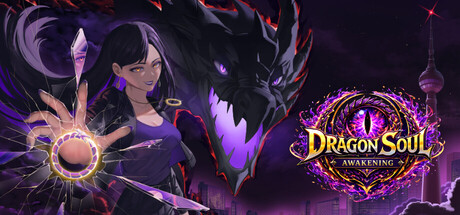
Dragon Soul: Awakening is a solo-developed game that uses generative AI as one of many creative tools during development. The logo, some backgrounds, character sprites, UI elements, and music were created using AI-assisted workflows alongside original writing, design, editing, and human-created artwork. Some AI-assisted assets currently serve as placeholders during development and will be replaced before the full release.
This game uses generative AI for some of its assets, specifically: character art and scene backgrounds, UI icons, the main menu motion visual, and part of the soundtrack. All story text is written by the developer; AI was used only for formatting and validation. Every AI-generated asset was manually reviewed, edited, and integrated before shipping.
This game was developed through collaboration between the developer and AI tools across most content (art, writing, design); in-game translations were generated by AI.
Hi! I’m a solo indie developer working on this game during my free time outside of daily life.
To bring this project to life with limited time and resources, I used AI tools to assist parts of the development process, such as brainstorming, early prototypes, draft writing, and iteration support.
However, the core game design, gameplay systems, story structure, balancing, and final implementation were all personally planned, edited, and integrated by me.
AI is a tool that helps me turn ideas into something playable—it does not replace the creative decisions behind this game.
I know people may have different opinions about AI, so I want to be transparent about it.
Thank you for playing and supporting my work.
I hope you enjoy exploring this broken, virus-corrupted world.
Selected visual assets and music tracks were created using generative AI tools as part of the production process. All AI-generated material was reviewed, curated, and integrated by the developer to ensure consistency with the game’s creative direction. No AI-generated content is produced during gameplay.
Background artwork and enemy character art in this game were created with the assistance of AI image-generation tools, then curated and refined by the developer. All AI-assisted content is pre-rendered during development — nothing is generated live during gameplay. Story, dialogue, and game design are entirely human-authored.
This game uses generative AI as an assistive tool for creating some artwork and store assets. All AI-assisted content has been reviewed, edited, and approved by the developer before inclusion. The game does not generate AI content during gameplay.
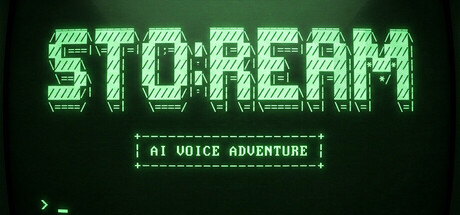
This game uses live generative AI to create text-based character dialogue, diaries, journey events, NPC conversations, and outcomes of player-directed interactions. Responses are generated from player-created character profiles, recent in-game memories, current objectives, and player messages. Relevant text context is sent to a third-party AI service to generate these responses. Generated content may vary between sessions and may occasionally produce unexpected results. AI is not used to generate executable code or modify files on the player's device.
Some of the music in this game was created using generative AI tools. All other content — art, animation, writing and design — is made without generative AI.
This game uses generative AI to create visual assets, including character portraits, event CGs, and background images. All generated images were selected, adjusted, and finalized by the developer.
The scenario, dialogue, game design, and system programming were created by the developer. AI translation assistance was used as part of the localization process, with the results reviewed by the developer.
In this game, generative AI is used for the following purposes:
・Selecting options based on voice commands input by the user
・Generating portions of the display text
・Generating portions of the narration script
・The narration audio is created using a speech synthesis engine; generative AI is not used.
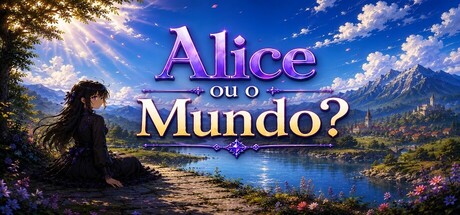
Algumas imagens presentes neste jogo foram criadas com auxílio de inteligência artificial generativa e posteriormente revisadas, editadas e integradas pelo desenvolvedor. Todo o restante do jogo, incluindo programação, design, mecânicas e direção criativa, foi desenvolvido manualmente.
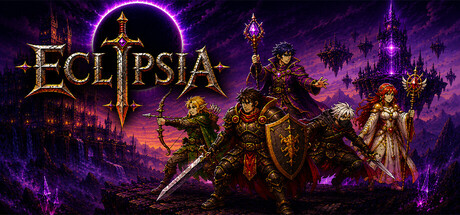
Eclipsia uses generative AI as part of the development process to assist in creating certain visual assets. All AI-assisted content is reviewed, edited, and integrated by the development team. The game does not use generative AI to generate gameplay, game logic, or player-created content in real time.
This game uses generative AI to assist in the creation of certain illustrations, visual assets, and some monster graphics. These assets are carefully selected, edited, and integrated into the game by the developer. The game design, scenario, systems, programming, gameplay, maps, and event content are all created by the developer.
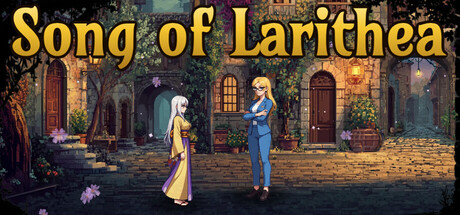
Song of Larithea is made by a solo developer using generative AI across the pipeline: the artwork is AI-generated and then hand-edited in Photoshop, and the voice lines, music, and sound are AI-generated as well. The story is the author's own, adapted from her own novel, with AI helping polish the English text - and future translations will be AI-assisted too. Every asset is reviewed, corrected, and finished by hand before it ships.
AI tools (coding assistants) were used to help write portions of the game's source code during development. All art, music, and game content shipped in the product are hand-authored or procedurally generated by our own code; no generative AI is used to produce any assets, and no AI generates content at runtime.
Basically, I write software for a living but I was not a video game dev, so I used some coding assistants to help me out with areas I was less familiar.
This game uses generative artificial intelligence tools during development to assist in the creation of some game content, including certain visual assets, icons, and promotional materials. All AI-generated content has been reviewed, modified, and refined by the development team, and integrated with human-created content to ensure that the final presentation meets the game's overall artistic direction and quality standards.
The background were generated using Midjourney, painted over and edited by the Lornn (https://lornn.itch.io/)
Backgrounds will be replaced with original artwork.
The game logo was created with the assistance of generative AI and edited by the developer. AI was also used to assist with localization translations for other languages, which were reviewed and edited by the developer. No live-generated AI content is used during gameplay.
During the development process, I use AI tools to assist with content creation. Specifically, I use them to generate base assets such as textures, visuals, and sound assets, which are then edited and refined by hand before shipping. No content is generated at runtime. In all such cases, the final product reflects my personal creativity, vision, and expression as a solo developer.
Generative AI was used as a supplementary tool in the translation process for certain system languages in this title.
AI was utilized to help improve translation efficiency and quality. However, all final translations are reviewed and edited by the development team before being implemented.
All translated text is reviewed by human editors to ensure it is accurate, appropriate, and of high quality.
Artificial intelligence was used to generate artwork for the game's Steam page and the game's logo, as well as to translate and improve the game's dialogue. No AI-generated artwork was used in the game itself.
As a small indie team, some of our initial localizations will use AI-assisted translation, and we hope to have them professionally reviewed and polished as our budget grows.
While AI tools were used to assist with the creation of select assets for our game's store page, all featured assets are fully original designs developed by our internal team.
Some background music tracks were created with the assistance of generative AI tools and subsequently edited and modified by the developer. No generative AI content is created during gameplay.
Veil of Time is a hand-built game. The maps, the writing, the music, the interface, and the game design are all human work. Generative AI was used in five specific places, each reviewed and finished by hand:
1. Voice acting. Every line of dialogue and every in-game book can be spoken aloud (3,707 voice clips), synthesized with ElevenLabs from the game's own written script. We chose this so the story stays open to players with low vision or reading difficulties, and to younger players who are not fast readers yet. A voice cast of this size would otherwise be out of reach for a small studio. No performance was cloned from a real person without licence.
2. Character and bestiary portraits, generated from the game's original hand-made sprites and finished by hand.
3. Some character sprites and the party's battle animation sheets, produced with AI assistance from the project's own hand-drawn art, then hand-corrected and palette-locked.
4. The intro and outro cinematic stills, the title screen, and the store key art.
5. Ambient critters and butterflies, converted from hand-made source art.
Everything else you see, read, and hear was made by people.
Generative AI tools were used during development to assist with the creation of game content. All generated products are carefully reviewed, edited, and assembled by the development team.
This game features certain art assets that were generated with the assistance of AI. All such AI-assisted or AI-imitated artwork has been created with the consent of the original creator (which essentially means I fed my own drawings into the AI). All other content, including text, audio, and other materials, was produced without any AI involvement.
Generative AI tools were used in creating the game's illustrations, artwork, cutscene images, map designs, and sound, as well as throughout development, and in writing and revising the story. All AI-assisted content was directed, reviewed, and finalized by our team.
Dragon Soul: Awakening is a solo-developed game that uses generative AI as one of many creative tools during development. The logo, some backgrounds, character sprites, UI elements, and music were created using AI-assisted workflows alongside original writing, design, editing, and human-created artwork. Some AI-assisted assets currently serve as placeholders during development and will be replaced before the full release.
This game uses generative AI for some of its assets, specifically: character art and scene backgrounds, UI icons, the main menu motion visual, and part of the soundtrack. All story text is written by the developer; AI was used only for formatting and validation. Every AI-generated asset was manually reviewed, edited, and integrated before shipping.
This game was developed through collaboration between the developer and AI tools across most content (art, writing, design); in-game translations were generated by AI.
Hi! I’m a solo indie developer working on this game during my free time outside of daily life.
To bring this project to life with limited time and resources, I used AI tools to assist parts of the development process, such as brainstorming, early prototypes, draft writing, and iteration support.
However, the core game design, gameplay systems, story structure, balancing, and final implementation were all personally planned, edited, and integrated by me.
AI is a tool that helps me turn ideas into something playable—it does not replace the creative decisions behind this game.
I know people may have different opinions about AI, so I want to be transparent about it.
Thank you for playing and supporting my work.
I hope you enjoy exploring this broken, virus-corrupted world.
Selected visual assets and music tracks were created using generative AI tools as part of the production process. All AI-generated material was reviewed, curated, and integrated by the developer to ensure consistency with the game’s creative direction. No AI-generated content is produced during gameplay.
Background artwork and enemy character art in this game were created with the assistance of AI image-generation tools, then curated and refined by the developer. All AI-assisted content is pre-rendered during development — nothing is generated live during gameplay. Story, dialogue, and game design are entirely human-authored.
This game uses generative AI as an assistive tool for creating some artwork and store assets. All AI-assisted content has been reviewed, edited, and approved by the developer before inclusion. The game does not generate AI content during gameplay.
This game uses live generative AI to create text-based character dialogue, diaries, journey events, NPC conversations, and outcomes of player-directed interactions. Responses are generated from player-created character profiles, recent in-game memories, current objectives, and player messages. Relevant text context is sent to a third-party AI service to generate these responses. Generated content may vary between sessions and may occasionally produce unexpected results. AI is not used to generate executable code or modify files on the player's device.
Some of the music in this game was created using generative AI tools. All other content — art, animation, writing and design — is made without generative AI.
This game uses generative AI to create visual assets, including character portraits, event CGs, and background images. All generated images were selected, adjusted, and finalized by the developer.
The scenario, dialogue, game design, and system programming were created by the developer. AI translation assistance was used as part of the localization process, with the results reviewed by the developer.
In this game, generative AI is used for the following purposes:
・Selecting options based on voice commands input by the user
・Generating portions of the display text
・Generating portions of the narration script
・The narration audio is created using a speech synthesis engine; generative AI is not used.
Algumas imagens presentes neste jogo foram criadas com auxílio de inteligência artificial generativa e posteriormente revisadas, editadas e integradas pelo desenvolvedor. Todo o restante do jogo, incluindo programação, design, mecânicas e direção criativa, foi desenvolvido manualmente.
Eclipsia uses generative AI as part of the development process to assist in creating certain visual assets. All AI-assisted content is reviewed, edited, and integrated by the development team. The game does not use generative AI to generate gameplay, game logic, or player-created content in real time.
This game uses generative AI to assist in the creation of certain illustrations, visual assets, and some monster graphics. These assets are carefully selected, edited, and integrated into the game by the developer. The game design, scenario, systems, programming, gameplay, maps, and event content are all created by the developer.
Song of Larithea is made by a solo developer using generative AI across the pipeline: the artwork is AI-generated and then hand-edited in Photoshop, and the voice lines, music, and sound are AI-generated as well. The story is the author's own, adapted from her own novel, with AI helping polish the English text - and future translations will be AI-assisted too. Every asset is reviewed, corrected, and finished by hand before it ships.
AI tools (coding assistants) were used to help write portions of the game's source code during development. All art, music, and game content shipped in the product are hand-authored or procedurally generated by our own code; no generative AI is used to produce any assets, and no AI generates content at runtime.
Basically, I write software for a living but I was not a video game dev, so I used some coding assistants to help me out with areas I was less familiar.
This game uses generative artificial intelligence tools during development to assist in the creation of some game content, including certain visual assets, icons, and promotional materials. All AI-generated content has been reviewed, modified, and refined by the development team, and integrated with human-created content to ensure that the final presentation meets the game's overall artistic direction and quality standards.
The background were generated using Midjourney, painted over and edited by the Lornn (https://lornn.itch.io/)
Backgrounds will be replaced with original artwork.
The game logo was created with the assistance of generative AI and edited by the developer. AI was also used to assist with localization translations for other languages, which were reviewed and edited by the developer. No live-generated AI content is used during gameplay.
During the development process, I use AI tools to assist with content creation. Specifically, I use them to generate base assets such as textures, visuals, and sound assets, which are then edited and refined by hand before shipping. No content is generated at runtime. In all such cases, the final product reflects my personal creativity, vision, and expression as a solo developer.