








Disclosure
Some in-game voice lines and sound effects were generated using ElevenLabs with a commercial license.
- Creator
- DooIT
- Reviews
- -
- Added
- Oct 6, 2026
Public Steam disclosure research 25,376 disclosures tracked
Search developers’ Steam disclosures, compare classified AI use across games, and follow recorded changes. This index adds cross-game classifications and statistics to statements published on individual store pages.
Code help, debugging and other development work.
Capsule art, trailers and promotional material.
Pre-made art, audio, writing and other game assets.
Interactive or runtime AI features disclosed by the developer.
Groups reflect automatic analysis of public disclosures; mature records are excluded. These counts do not measure AI use across all of Steam. Missing or unclear statements cannot establish whether a game uses AI.
Some in-game voice lines and sound effects were generated using ElevenLabs with a commercial license.
AI was used to create the game's main capsule artwork. The artwork was subsequently modified and edited by the developer.
Generative AI assisted in creating some artwork, dialogue, descriptions, and translations during development. No AI content is generated during gameplay.
Some textures, images, and music tracks in Arcforge were created using generative AI.
The store page capsule and library images (key art and logo) were created with the help of an AI image generator as temporary placeholders. They will be replaced with hand-made artwork in the future. The game itself does not use generative AI.
AI was used to enhance store page image assets.
Generative AI tools were used during production to create character artwork, portraits, and some of the game's illustrations and visual assets. AI tools also assisted with the story, dialogue, and store-page copy, including its English version. These are pre-generated materials; the game does not use generative AI to create new content during gameplay.
Parts of the source code and some store and marketing text were written with help from AI coding assistants during development. All terrain, water simulation, satellite imagery and map data come from real geographic datasets. No AI-generated artwork, audio or narrative ships with the app, and nothing is generated during play.
Translations were made with AI assistance then reviewed by native speakers. Corrections from players are welcome.
As a solo developer, generative AI tools were used to assist in creating promotional capsule artwork and achievement icons. All gameplay mechanics, coding, and game design were created directly by the developer.
Pre-generated AI content: Some promotional artwork used on the Steam store page was created with generative AI and subsequently edited by the developer
The game logo, used in store art and the trailer, was created with AI image generation tools.
The in-game image, as well as the image on the Steam page, were generated using AI.
Generative AI tools were used to assist with the creation of some game and promotional content. All final content was reviewed and approved by the developer.
Some sound effects and music were created with AI audio tools. AI tools assisted in writing the game's code and some of its text (descriptions, hints and story notes), all reviewed and edited by the developer. The artwork is drawn procedurally by the game itself, not AI-generated, and no AI content is generated during gameplay.
Generative AI tools were used during development to help create and refine some 2D artwork, icons and promotional images, and to assist with store-page text and translation. These assets are prepared before release and reviewed by the developer. The game does not generate AI content during gameplay or connect to an external AI service. Player-designed weapons are created with the in-game drawing and crafting tools, not generative AI.
We used an AI assistant (Claude) during development. No image-generating AI was used, and the game contains no AI-generated images, music, sound effects or voices. Nothing is generated by AI while you play. - 3D shapes: The puppet parts and board objects are built from simple geometric shapes by scripts that the AI assistant helped write. The developer reviewed and adjusted every result. - Text and translation: In-game text was drafted with the assistant, and the Japanese and English versions were translated with its help. The developer reviewed and edited all text. - Studio logo: Built from basic shapes as code written with the same assistant. All sound effects and music are recorded and made by the developer.
※ AI was used as a supplementary tool for English translation, spell checking, and programming code writing in this game. Illustrations, pixel art, Live2D, music, and voice acting were created entirely by humans.
Generative AI was used to assist in the creation of the game's library logo artwork. No AI-generated content is created during gameplay.
Generative AI was used to create assets such as items and structures.
We use generative AI tools during development to create some concept art and supporting images, as well as certain materials for the store page. All in-game content, including final assets, models, and text, is created and reviewed by hand.
An AI assistant (Claude) was used during development. It wrote the in-game text translations, the store page text, and the scripts that build many of the game's 3D models, animations and textures, all under the developer's direction and review. Nothing is generated by AI while you play. All sounds are real recordings from CC0 libraries.
Images used in this game were generated using AI
Localization & Programming
AI was used to create the art for My First Beehive.
Some of the game assets were created using AI
Generative AI tools were used during development to create and refine visual assets, artwork, and music. These assets are prepared in advance, the game does not generate AI content during gameplay.
AI has been used to help develop the game's cover art.
Some sound effects and the in-game text localization were created with the help of AI tools during development. All AI-generated audio and translated text was reviewed and edited by a human before shipping.
This game includes content created with the help of generative AI. The base 3D animal models were generated using an AI 3D-modeling tool and then rigged, animated, and hand-finished by the developer. Non-English translations were initially AI-drafted and then reviewed and corrected by the developer. All content is final and reviewed before release — no AI content is generated while you play.
Used on capsule photos
This game's pixel art was created with AI assistance. The English translation was also produced with AI and reviewed for accuracy and natural phrasing before release.
Generative AI was used during development to create artwork, music and sound assets, including artwork used on the store page. AI also assisted with story development, alongside substantial writing and editing by the developer. All of this content was created before release. The game does not generate AI content or connect to AI services during play.
AI was used to help generate some text and translations. All art, models, and animation are human-made.
Generative AI was used as a development tool for selected visual assets and concept artwork, as well as for assistance during development. All AI-assisted content was reviewed, edited, and integrated by the developer.
Background and Logo Created AI.
Hardpack Rally is made by solo developer Andre Gomes with assistance from AI tools, including Claude, ChatGPT and Codex. These tools help write game code and scripts that create the cars and scenery. No AI generates content while you play.
Generative AI was used during development to create pre-generated artwork, including backgrounds, characters, fish, food, icons, and some UI and store images. AI was also used to prepare store descriptions and translations. No content is generated by AI during gameplay.
Generative AI was used to create some art assets (the title screen background and the store capsule images). The game does not use AI to generate any content at runtime.
Some 3D models, illustrations and music in the current version were created with the help of generative AI tools and then edited and integrated by our team. They are placeholders: we are replacing them with work by human artists as development continues.
Some of the game's graphics were generated using AI tools and then manually retouched to match our artistic vision.
Most of if not all of the models / graphics / music you see in game is made by humans. Rare exceptions were made for some basic models (That we really liked and made a creative decision to keep). We support artists and will continue to do so so in this game and all future ones.
This game contains a neural network model.
AI-assisted tools were used to support performance optimization and to generate the player character. AI tools also contributed to enemy character assets, store artwork and translations. These uses concern content prepared during development.
本作の素材の一部は、生成AIを使って作り、開発者が選んで使っています。 ・キャラクターのイラスト、UIの絵、背景・遠景:ChatGPT(OpenAI) ・3Dモデル:Tripo AI ・音楽:Tunee AI ・効果音:ElevenLabs ・シナリオの一部:Claude(Anthropic) ・プログラム:Claude Code(Anthropic) 遊んでいる間に、AIが新たに内容を作ることはありません。
Atharia uses generative AI tools under the developer's constant direction. The combat animations are AI-generated video clips, converted into sprites and integrated into custom-built staging. Background environments and interface elements are also created with AI assistance. Every asset is art-directed, selected and validated by the developer before it enters the game.
This game was made possible due to generative AI coding. It uses generative AI for the code base and procedural environmental generation but is limited to that. Models and music have been manually created.
Some of the artworks, such as textures and illustrative elements, were created or enhanced using AI-based tools. All generated content has been reviewed, edited, and integrated to ensure consistency with the overall visual style and quality of the game. No AI is used during gameplay.
Psst! uses generative AI in two ways, and both run entirely on your own PC. Nothing you say or type is sent to a server, stored, or used to train anything. Live voices: Bot players and the host speak their hints and table talk out loud through a text-to-speech model (Supertonic) that runs on your computer. The spoken lines come from the game's own writing and word lists. The AI only turns that text into audio. Speech recognition: If you choose to play with your voice, a speech-to-text model (NVIDIA Parakeet) turns what you say into text so the game can read your hint or guess. This is optional, and you can always type instead. All artwork, writing and game design were made by the developer or bought as assets with licenses.
Frontier was conceived, designed, directed, and extensively play tested by a solo developer. Generative AI was used as the primary production tool to implement that vision, including programming, artwork, audio, writing, and other game assets. Every aspect of the game was developed through an iterative human-directed process, with the developer specifying requirements, reviewing results, requesting revisions, making design decisions, integrating systems, and personally testing and approving the final content. No generative AI is used during gameplay.
| Title⇅ | Disclosure | Creator⇅ | Src | Reviews⇅ | Added↓ |
|---|---|---|---|---|---|
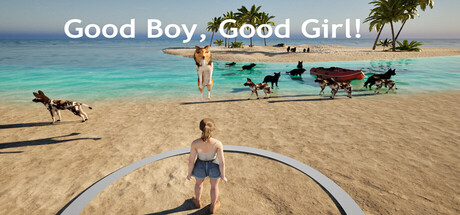 Good Boy Good Girl In-game content audio | Some in-game voice lines and sound effects were generated using ElevenLabs with a commercial license. | DooIT | - | Oct 6, 2026 | |
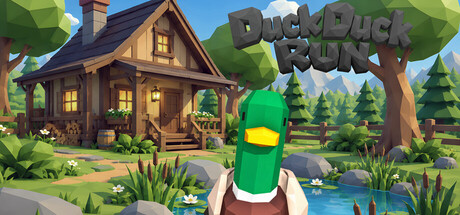 Duck Duck Run Store/marketing art | AI was used to create the game's main capsule artwork. The artwork was subsequently modified and edited by the developer. | Olivier RAYON | - | Oct 6, 2026 | |
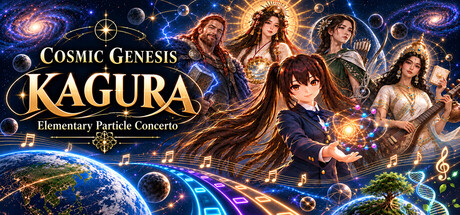 宇宙創世記カグラ ~素粒子協奏曲~ In-game content arttext | Generative AI assisted in creating some artwork, dialogue, descriptions, and translations during development. No AI content is generated during gameplay. | Cham-gaming | - | Oct 6, 2026 | |
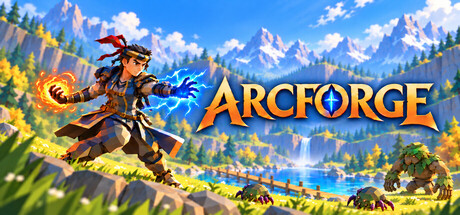 Arcforge In-game content artaudio | Some textures, images, and music tracks in Arcforge were created using generative AI. | SWKEY_GAMES | - | Oct 6, 2026 | |
 Panda Flora Store/marketing art | The store page capsule and library images (key art and logo) were created with the help of an AI image generator as temporary placeholders. They will be replaced with hand-made artwork in the future. The game itself does not use generative AI. | PandaFlora | - | Oct 6, 2026 | |
 Roll & Realm Store/marketing art | AI was used to enhance store page image assets. | Spellmeat | - | Oct 6, 2026 | |
 LLamas & Alpacas In-game content arttext | Generative AI tools were used during production to create character artwork, portraits, and some of the game's illustrations and visual assets. AI tools also assisted with the story, dialogue, and store-page copy, including its English version. These are pre-generated materials; the game does not use generative AI to create new content during gameplay. | Dream Factory Solutions | - | Oct 6, 2026 | |
 Watershed Dev only codetext | Parts of the source code and some store and marketing text were written with help from AI coding assistants during development. All terrain, water simulation, satellite imagery and map data come from real geographic datasets. No AI-generated artwork, audio or narrative ships with the app, and nothing is generated during play. | Mozon | - | Oct 6, 2026 | |
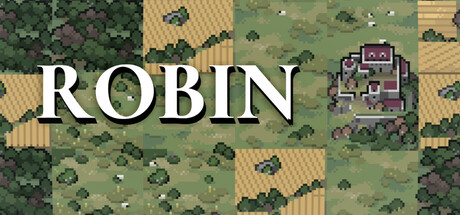 Robin In-game content text | Translations were made with AI assistance then reviewed by native speakers. Corrections from players are welcome. | Franek | - | Oct 6, 2026 | |
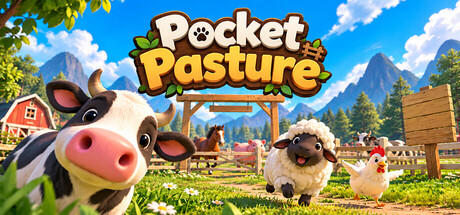 Pocket Pasture In-game content art | As a solo developer, generative AI tools were used to assist in creating promotional capsule artwork and achievement icons. All gameplay mechanics, coding, and game design were created directly by the developer. | OxygenStudio | - | Oct 6, 2026 | |
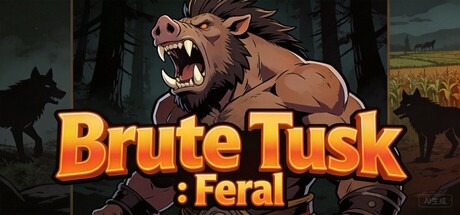 Brute Tusk : Feral Store/marketing art | Pre-generated AI content:
Some promotional artwork used on the Steam store page was created with generative AI and subsequently edited by the developer | Piri Piri Games | - | Oct 6, 2026 | |
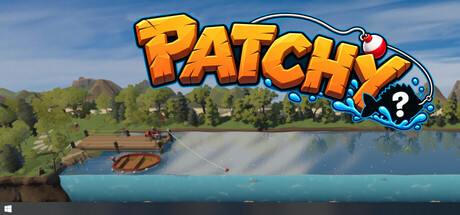 Patchy Store/marketing art | The game logo, used in store art and the trailer, was created with AI image generation tools. | Root Cellar Games | - | Oct 6, 2026 | |
 The Last Hearth In-game content art | The in-game image, as well as the image on the Steam page, were generated using AI. | Last Hearth Games | - | Oct 4, 2026 | |
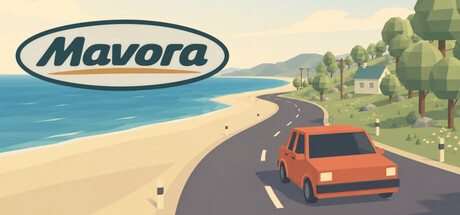 Mavora Unclear arttext | Generative AI tools were used to assist with the creation of some game and promotional content. All final content was reviewed and approved by the developer. | hyesmo | - | Oct 4, 2026 | |
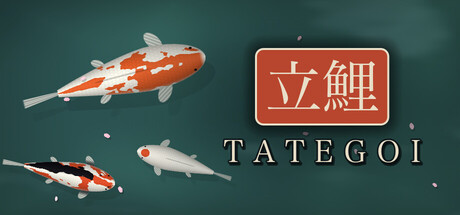 Tategoi In-game content audiotextcode | Some sound effects and music were created with AI audio tools.
AI tools assisted in writing the game's code and some of its text (descriptions, hints and story notes), all reviewed and edited by the developer. The artwork is drawn procedurally by the game itself, not AI-generated, and no AI content is generated during gameplay. | Nukeborn Studio | - | Oct 4, 2026 | |
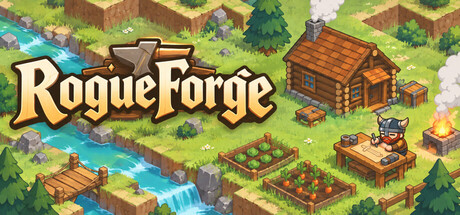 RogueForge In-game content arttext | Generative AI tools were used during development to help create and refine some 2D artwork, icons and promotional images, and to assist with store-page text and translation. These assets are prepared before release and reviewed by the developer. The game does not generate AI content during gameplay or connect to an external AI service. Player-designed weapons are created with the in-game drawing and crafting tools, not generative AI. | SOOFT Studio | - | Oct 4, 2026 | |
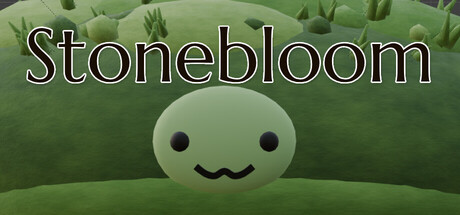 Stonebloom In-game content arttext | We used an AI assistant (Claude) during development. No image-generating AI was used, and the game contains no AI-generated images, music, sound effects or voices. Nothing is generated by AI while you play.
- 3D shapes: The puppet parts and board objects are built from simple geometric shapes by scripts that the AI assistant helped write. The developer reviewed and adjusted every result.
- Text and translation: In-game text was drafted with the assistant, and the Japanese and English versions were translated with its help. The developer reviewed and edited all text.
- Studio logo: Built from basic shapes as code written with the same assistant.
All sound effects and music are recorded and made by the developer. | CoffeeK Studio | - | Oct 4, 2026 | |
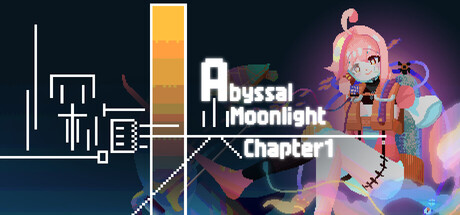 Abyssal Moonlight-Chapter1 In-game content textcode | ※ AI was used as a supplementary tool for English translation, spell checking, and programming code writing in this game. Illustrations, pixel art, Live2D, music, and voice acting were created entirely by humans. | Garurai | - | Oct 4, 2026 | |
 Achluophobia: Dark Forest Escape Store/marketing art | Generative AI was used to assist in the creation of the game's library logo artwork. No AI-generated content is created during gameplay. | ARTNOVATION | - | Oct 4, 2026 | |
 Wolf Island In-game content art | Generative AI was used to create assets such as items and structures. | 30.2% | - | Oct 4, 2026 | |
 Windfall In-game content art | We use generative AI tools during development to create some concept art and supporting images, as well as certain materials for the store page. All in-game content, including final assets, models, and text, is created and reviewed by hand. | Nasty's Dev | - | Oct 4, 2026 | |
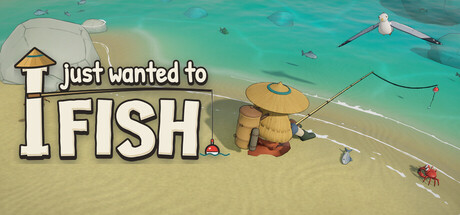 I Just Wanted to Fish In-game content textartcode | An AI assistant (Claude) was used during development. It wrote the in-game text translations, the store page text, and the scripts that build many of the game's 3D models, animations and textures, all under the developer's direction and review. Nothing is generated by AI while you play. All sounds are real recordings from CC0 libraries. | Auscan Games | - | Oct 3, 2026 | |
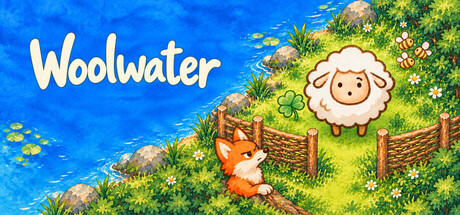 Woolwater In-game content art | Images used in this game were generated using AI | Almost Sensible | - | Oct 3, 2026 | |
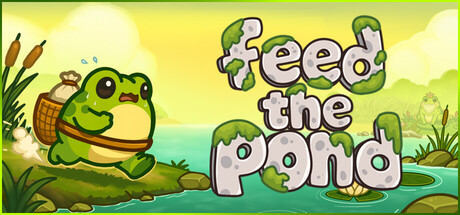 Feed The Pond Unclear codetext | Localization & Programming | eranboi | - | Oct 3, 2026 | |
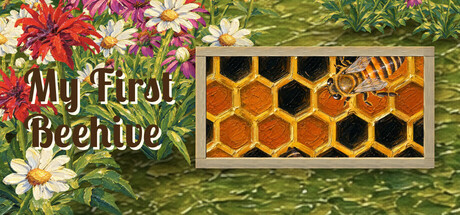 My First Beehive In-game content art | AI was used to create the art for My First Beehive. | Joyner Labs | - | Oct 3, 2026 | |
 Tiny Paradise In-game content | Some of the game assets were created using AI | Aries Echo Studio | - | Oct 3, 2026 | |
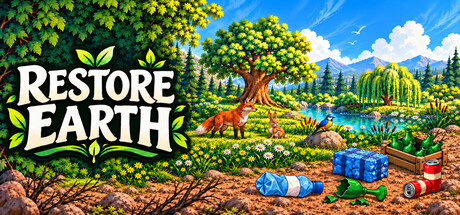 Restore Earth In-game content artaudio | Generative AI tools were used during development to create and refine visual assets, artwork, and music. These assets are prepared in advance, the game does not generate AI content during gameplay. | GreenGames | - | Oct 3, 2026 | |
 Alaska Survival Store/marketing art | AI has been used to help develop the game's cover art. | Hard Shark Games | - | Oct 3, 2026 | |
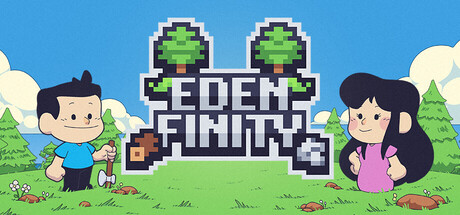 Edenfinity In-game content audiotext | Some sound effects and the in-game text localization were created with the help of AI tools during development. All AI-generated audio and translated text was reviewed and edited by a human before shipping. | Cauê Ferrareto | - | Oct 3, 2026 | |
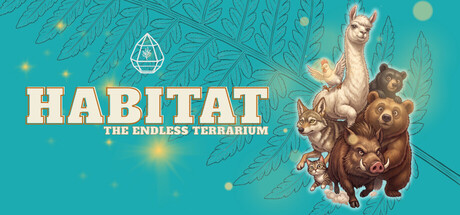 Habitat: The Endless Terrarium In-game content arttext | This game includes content created with the help of generative AI. The base 3D animal models were generated using an AI 3D-modeling tool and then rigged, animated, and hand-finished by the developer. Non-English translations were initially AI-drafted and then reviewed and corrected by the developer. All content is final and reviewed before release — no AI content is generated while you play. | divineVisitation | - | Oct 3, 2026 | |
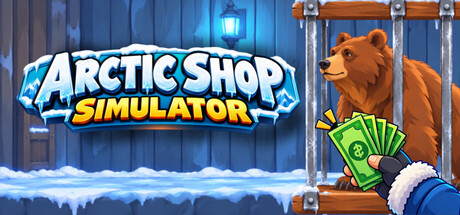 Arctic Shop Simulator Store/marketing art | Used on capsule photos | PotDev | - | Oct 3, 2026 | |
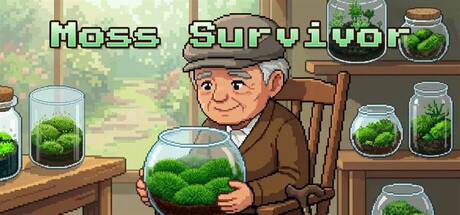 Moss Survivor In-game content arttext | This game's pixel art was created with AI assistance. The English translation was also produced with AI and reviewed for accuracy and natural phrasing before release. | Maronn | - | Oct 3, 2026 | |
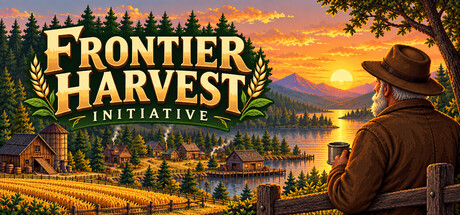 Frontier Harvest Initiative In-game content artaudiotext | Generative AI was used during development to create artwork, music and sound assets, including artwork used on the store page. AI also assisted with story development, alongside substantial writing and editing by the developer. All of this content was created before release. The game does not generate AI content or connect to AI services during play. | More Than Devs | - | Oct 2, 2026 | |
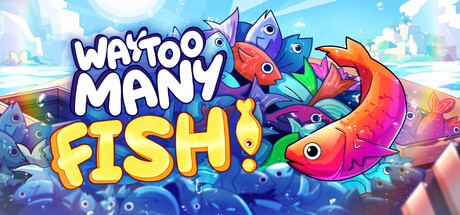 Way Too Many Fish! In-game content text | AI was used to help generate some text and translations. All art, models, and animation are human-made. | samyam | - | Oct 2, 2026 | |
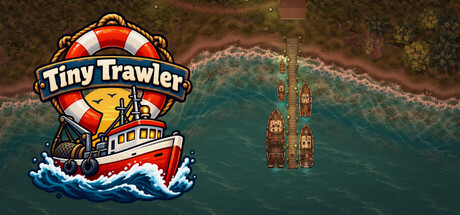 Tiny Trawler Dev only art | Generative AI was used as a development tool for selected visual assets and concept artwork, as well as for assistance during development. All AI-assisted content was reviewed, edited, and integrated by the developer. | Mathias | - | Oct 2, 2026 | |
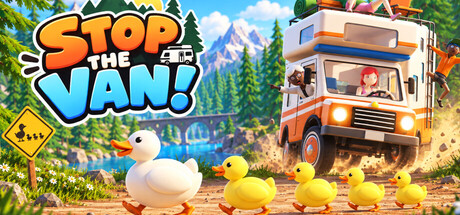 STOP THE VAN! Store/marketing art | Background and Logo Created AI. | NOXP | - | Oct 1, 2026 | |
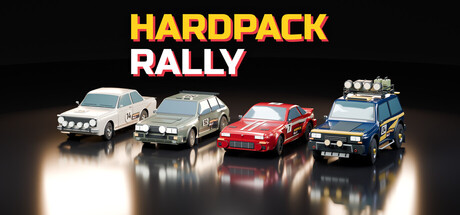 Hardpack Rally In-game content codeart | Hardpack Rally is made by solo developer Andre Gomes with assistance from AI tools, including Claude, ChatGPT and Codex. These tools help write game code and scripts that create the cars and scenery. No AI generates content while you play. | Andre Gomes | - | Oct 1, 2026 | |
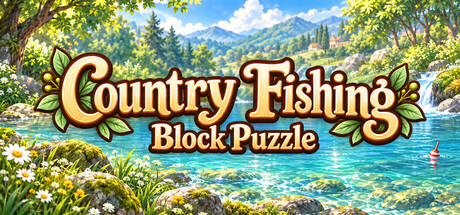 Country Fishing In-game content arttext | Generative AI was used during development to create pre-generated artwork, including backgrounds, characters, fish, food, icons, and some UI and store images. AI was also used to prepare store descriptions and translations. No content is generated by AI during gameplay. | K-Cookie Games | - | Oct 1, 2026 | |
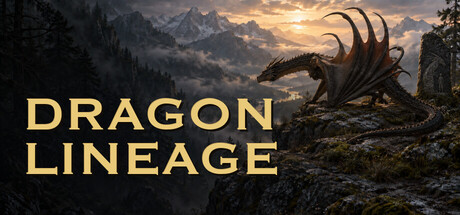 DragonLineage Store/marketing art | Generative AI was used to create some art assets (the title screen background and the store capsule images). The game does not use AI to generate any content at runtime. | C'est bon marché | - | Oct 1, 2026 | |
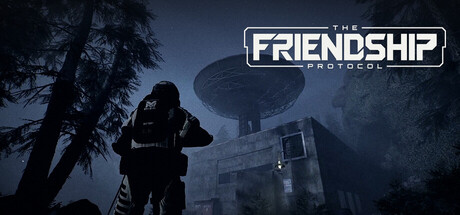 The Friendship Protocol In-game content artaudio | Some 3D models, illustrations and music in the current version were created with the help of generative AI tools and then edited and integrated by our team. They are placeholders: we are replacing them with work by human artists as development continues. | Parabola Studio | - | Oct 1, 2026 | |
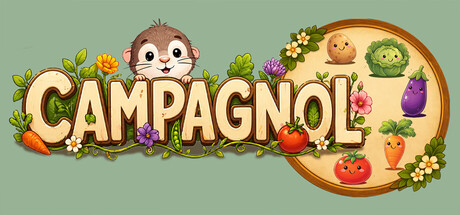 Campagnol In-game content art | Some of the game's graphics were generated using AI tools and then manually retouched to match our artistic vision. | Adopt Game | - | Oct 1, 2026 | |
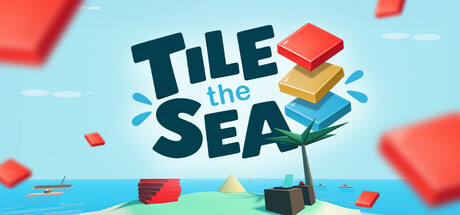 Tile The Sea general | Most of if not all of the models / graphics / music you see in game is made by humans. Rare exceptions were made for some basic models (That we really liked and made a creative decision to keep). We support artists and will continue to do so so in this game and all future ones. | Derrad | - | Oct 1, 2026 | |
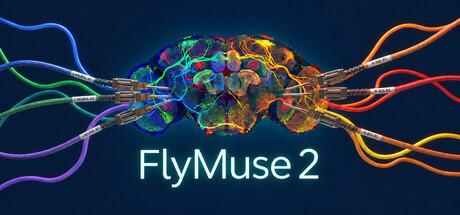 FlyMuse 2 Unclear | This game contains a neural network model. | XieXing Game | - | Oct 1, 2026 | |
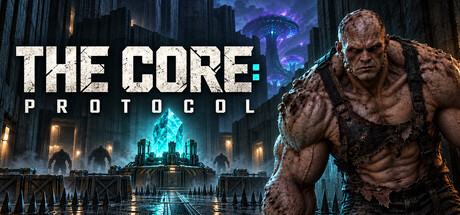 The Core: Protocol In-game content arttext | AI-assisted tools were used to support performance optimization and to generate the player character. AI tools also contributed to enemy character assets, store artwork and translations. These uses concern content prepared during development. | ChritzleCraft | - | Sep 30, 2026 | |
 ことづての庭 In-game content artaudiotextcode | 本作の素材の一部は、生成AIを使って作り、開発者が選んで使っています。
・キャラクターのイラスト、UIの絵、背景・遠景:ChatGPT(OpenAI)
・3Dモデル:Tripo AI
・音楽:Tunee AI
・効果音:ElevenLabs
・シナリオの一部:Claude(Anthropic)
・プログラム:Claude Code(Anthropic)
遊んでいる間に、AIが新たに内容を作ることはありません。 | notfolder | - | Sep 30, 2026 | |
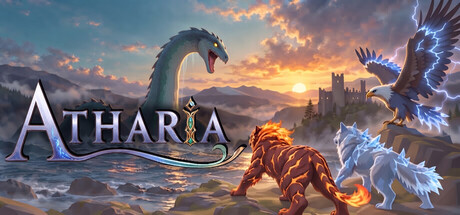 Atharia In-game content art | Atharia uses generative AI tools under the developer's constant direction. The combat animations are AI-generated video clips, converted into sprites and integrated into custom-built staging. Background environments and interface elements are also created with AI assistance. Every asset is art-directed, selected and validated by the developer before it enters the game. | Symbolics Games | - | Sep 30, 2026 | |
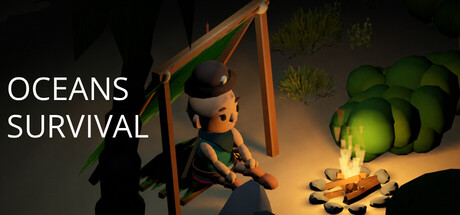 Oceans - Survival In-game content codeart | This game was made possible due to generative AI coding. It uses generative AI for the code base and procedural environmental generation but is limited to that. Models and music have been manually created. | Albin Renlund | - | Sep 30, 2026 | |
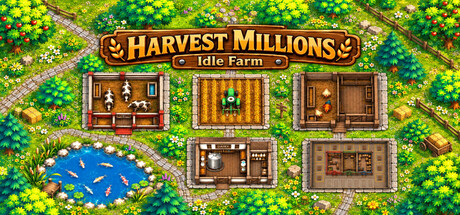 Harvest Millions Idle Farm In-game content art | Some of the artworks, such as textures and illustrative elements, were created or enhanced using AI-based tools. All generated content has been reviewed, edited, and integrated to ensure consistency with the overall visual style and quality of the game.
No AI is used during gameplay. | Blackmonkgaming | - | Sep 30, 2026 | |
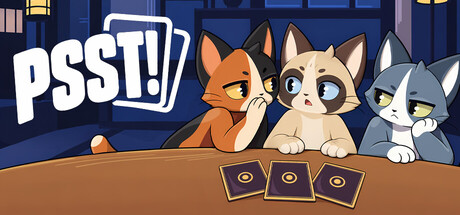 Psst! Live AI audiotext | Psst! uses generative AI in two ways, and both run entirely on your own PC. Nothing you say or type is sent to a server, stored, or used to train anything.
Live voices: Bot players and the host speak their hints and table talk out loud through a text-to-speech model (Supertonic) that runs on your computer. The spoken lines come from the game's own writing and word lists. The AI only turns that text into audio.
Speech recognition: If you choose to play with your voice, a speech-to-text model (NVIDIA Parakeet) turns what you say into text so the game can read your hint or guess. This is optional, and you can always type instead.
All artwork, writing and game design were made by the developer or bought as assets with licenses. | Teeny Tiny Games | - | Sep 30, 2026 | |
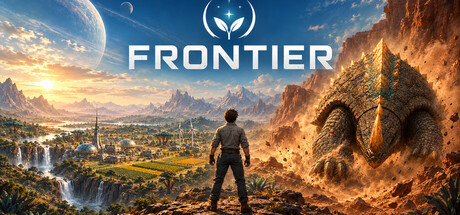 Frontier In-game content artaudiotextcode | Frontier was conceived, designed, directed, and extensively play tested by a solo developer. Generative AI was used as the primary production tool to implement that vision, including programming, artwork, audio, writing, and other game assets. Every aspect of the game was developed through an iterative human-directed process, with the developer specifying requirements, reviewing results, requesting revisions, making design decisions, integrating systems, and personally testing and approving the final content. No generative AI is used during gameplay. | Gunthrek | - | Sep 30, 2026 |


