








Disclosure
Claude Code was used in the making of this game to assist with testing, debugging and optimization of the game.
- Creator
- Mosphere Games
- Reviews
- -
- Added
- Aug 22, 2026
Public Steam disclosure research 25,376 disclosures tracked
Search developers’ Steam disclosures, compare classified AI use across games, and follow recorded changes. This index adds cross-game classifications and statistics to statements published on individual store pages.
Code help, debugging and other development work.
Capsule art, trailers and promotional material.
Pre-made art, audio, writing and other game assets.
Interactive or runtime AI features disclosed by the developer.
Groups reflect automatic analysis of public disclosures; mature records are excluded. These counts do not measure AI use across all of Steam. Missing or unclear statements cannot establish whether a game uses AI.
Claude Code was used in the making of this game to assist with testing, debugging and optimization of the game.
I used an AI tool to generate the game's music.
AI tools were used to assist in writing, optimizing, and debugging code scripts during development. All game mechanics were manually implemented and tested
This game contains pre-generated AI content in its visual assets. The following were created with AI image generation tools during development: • Character portraits and background art: Midjourney niji7 • CG cutscene images: Kling AI • Top-down pixel art sprites: ComfyUI (Stable Diffusion XL) • Store page capsule images: Midjourney niji7 All AI-generated assets have been commercially licensed, manually reviewed, and post-processed by the development team. All narrative, dialogue, and game design were written entirely by humans. No AI content is generated during gameplay.
AI was used during development to help produce the game's code and visual art, including item icons. All AI-assisted work is reviewed, refined, and finalized by the developer. No content is generated by AI while the game is running.
This game uses AI tools (Anthropic's Claude) for localization. The game's UI text, building prompts, and store descriptions were translated from Japanese into 9 other languages with AI assistance, and all translations were reviewed by the developer. No AI-generated content is created at runtime (no live-generated AI). All other assets (art, music, sound effects) are hand-made or licensed (CC0).
The global economy, events, NPC dialogue and behaviors, and the choices your Storyteller makes use a lightweight, local LLM that runs with the game.
Parts of the title background
no ai assets inside the game, just the store capsule
This game used AI to generate its logo and publishing material.
The game includes AI-generated virtual price data and images.
Generative AI tools were used to assist with the creation of some visual assets and music for the game. The resulting content was reviewed, edited, and integrated by the development team.
The game’s localization was primarily supported by AI tools, with human review where needed.
This project is human-led and human-authored. The core concept, research direction, cultural framing, interactive decisions, visual judgement, source selection, and the final content of the work were all determined by me. AI was used as a supporting production tool, mainly for: debugging Unity and C# errors; suggesting code structure for prototype scripts; organising local folders and repository structure; searching for public references and technical resources; and drafting editable documentation outlines that I then reviewed and revised. AI was not used as an autonomous author. It did not decide the research direction, cultural interpretation, aesthetic intention, or final meaning of the work. AI-generated text and code were treated as working material - selected, edited, corrected, rejected, or rewritten. The personal reflection was written by me; no AI-generated text is presented as personal reflective writing.
Gemfire Survival was developed with assistance from generative AI tools (such as Large Language Models) to help write and structure the source code and draft store descriptions. All AI-generated content was reviewed, edited, and integrated manually. The game does not feature live, runtime generative AI or external API connections during gameplay.
This game uses generative AI tools (such as PixelLab) during development to create or assist with some pre-rendered pixel art: enemy/character sprites, UI panels, visual effects, and certain store or marketing stills. There is no live generative AI during gameplay. The game does not generate images, text, or audio with AI while you play.
The game's concept, worldbuilding, narrative, game design, and art direction were planned and developed directly by the development team. Generative AI was used as an assistive tool in the production and refinement of pre-generated content, including character and environment imagery, cinematic sequences, anomaly effects, and selected music. All content, including AI-assisted outputs, was curated, edited, composited, and post-processed by the development team to align with the game's creative intent and quality standards. The game does not use generative AI at runtime, and no player input or personal data is sent to AI services.
This game uses prerendered visual content, store assets, and translations assisted by generative AI. All AI-assisted content is created before release. It is not generated dynamically during gameplay. The game does not connect to external AI services during gameplay.
Some UI elements and sound files indirectly contain AI generated content
The game's fighters are controlled by AI models (LLMs) chosen by the player and reached through their own OpenRouter API key. During a match the model decides the character's actions and writes the short taunts shown on screen (text only). The game does not generate images, audio, music or voices with AI: every character, arena, soundtrack and sound effect is authored in advance and ships with the game. Every AI-generated line goes through an illegal content filter before it is displayed, on the player's computer and again on the server that hosts online matches, and online matches have a report system reviewed by a human team.
This game uses generative artificial intelligence in the following ways: pixel character artwork and background images. AI-generated content was reviewed and edited by the developer before being included in the game or store page.
Some promotional images and marketing content for Maze Mischief were created with the assistance of generative artificial intelligence tools and subsequently reviewed and adjusted by the developer.
Store Page Description Please enter a message to players describing how this game uses generative artificial intelligence. Note: The Steam Store will display this message under the 'About This Game' section on the game's store page. You can return to this survey at any time to update this message or its localizations.
Some pre-generated visual assets used in the game and store materials were created with the help of generative AI tools during development. These include selected images for the title screen, options screen, game over screen and promotional artwork. No live AI generation is used during gameplay.
Some background music was created using generative AI during development.
Generative AI was used exclusively to create all of the game's music and some of the promotional artwork (such as posters and banners). No in-game assets, code, or mechanics were created using AI.
Some of the game's graphical assets were initially generated using AI and then manually retouched and finalized by the developer.
AI was only used to generate the images of the game login screen throughout the entire game.
Some of the game's 3D models (characters, monsters, and items) were created using the generative AI tool. Some in-game text translations were produced with AI assistance. All of this content was pre-generated during development, and we hold the appropriate rights to use it in the game.
This AI usage is strictly limited to development assistance and does not generate any content in real-time for the players.
The videos were generated using artificial intelligence, employed to recreate the gothic and unsettling atmospheres typical of 1970s and 1980s horror films.
Generative AI is used for some characters and backgrounds.
AI tools were used as supportive tools during the development process, including assistance with code, visual assets, and music. All AI-assisted content was reviewed, edited, and integrated by our development team before being included in the game.
This game uses AI-assisted tools during development, including assistance with coding and the creation or iteration of some promotional and visual art assets. During gameplay, AI may be used to help interpret the player’s spoken spell commands and map them to predefined in-game spell actions.
The coding, general game mechanics, story and brancing paths are all human designed. The art and audio content of this game is strategically and intentionally produced by AI generation.
Generative AI was used during the development of this game. It does not generate any content with AI while you play.
Generative AI was used during the development of Slippery to assist in creating certain static visual assets, including [store page artwork / background images / character concepts / UI elements]. All AI-generated content was reviewed, modified, and integrated by hand to match the game's overall visual style. The game does not generate any AI content in real-time during gameplay.
RoguePunk is an independent project, and its visual and audio content including pixel-art characters, enemies, environments, music, and sound effects was created with the help of generative AI tools, then selected, arranged, edited, and integrated by hand to fit the game's world and feel. I see these tools the way earlier developers saw new engines, samplers, and digital art software: as a way for solo developers to bring an ambitious, fully-realized world to players who might otherwise never get to see it.
As an independent development team, we use generative AI tools to assist in creating some of the game’s background artwork and decorative wallpapers. These images are used as supporting visual elements and do not replace the game’s 3D assets, animation, gameplay design, programming, or overall creative direction. All AI-assisted artwork is selected, reviewed, edited, and integrated by our development team to ensure it fits the visual identity of Oops, No Floor. The game does not generate content during gameplay. We respect and value the work of professional artists. Our use of AI reflects the practical resources available to us as a small indie team and allows us to focus our budget and time on building, polishing, and supporting the game.
Notice: AI-assisted development tools were used in the preparation and creation of the game mechanics, texts, and question catalog.
AI was used to create initial concept images for the main character (the funny copter). These images were then edited, redrawn and polished by a human artist. All other sprites, animations, backgrounds, sounds, music, and code in the game have nothing to do with AI.
Some background elements were partially generated using AI. Localization into languages other than German was carried out with the help of AI. AI was used as a development aid (to help implement certain systems in the game). I am a solo indie developer and wanted to tell an engaging horror story set in an anime/Japanese-inspired world. Without AI, I unfortunately would never have been able to create a project like this!
Some background and environmental artwork in this game was created with the assistance of generative AI and then reviewed, edited, and integrated by the developer. All story content, dialogue, characters, and game design were created by the developer.
AI was used to translate the game's texts into other languages.
Large portions of the game’s background music, sound effects and written texts, together with a limited selection of models and texture assets, were created with AI tools.
Some content is powered by AI
Copilot has been used to ease development of playtest versions.
I want to clarify right away that I am not an AI enthusiast, though I understand that this topic can be sensitive for some. Type Or Die uses AI for card icons and sprite animations. All other aspects of the game (design, programming, voice acting, music, interface, and the majority of the artwork) were created manually. If the game achieves a certain level of success after its release, I will hire a specialist artist to handle all of that.
部分场景模型,纹理使用ai辅助生成
We want to be upfront about how AI tools were used during the development of Golden Years. This is a small indie project built mostly by hand, but a few AI assisted elements were used to help speed up production. Where AI Was Used A handful of environmental textures, about five or six total, were created or retextured using AI tools. These are simple surface materials used to add extra detail to the environment. Every AI assisted texture was manually edited, cleaned up, and adjusted to fit the game's style. Where AI Was Not Used All of the core creative work in Golden Years is fully handcrafted. This includes: Level design and layout Atmosphere, lighting, and mood Gameplay systems and mechanics Environmental storytelling Overall direction and feel of the game No AI tools were used to design gameplay, build levels, or shape the game's atmosphere. Store Page and Descriptions Some of the text on the Steam store page may use AI assistance for drafting or polishing. All final wording is reviewed and edited to make sure it accurately represents the game. Gameplay Logic AI is not used for in game decision making, player behavior, or gameplay logic. Everything that affects how the game plays is traditionally designed and implemented.
| Title⇅ | Disclosure | Creator⇅ | Src | Reviews⇅ | Added↓ |
|---|---|---|---|---|---|
 Hyper ACK Dev only | Claude Code was used in the making of this game to assist with testing, debugging and optimization of the game. | Mosphere Games | - | Aug 22, 2026 | |
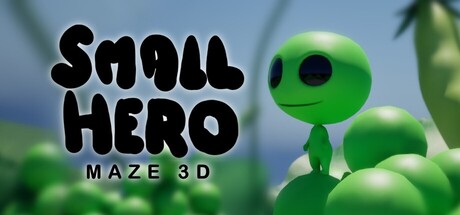 SmallHero Maze 3D In-game content audio | I used an AI tool to generate the game's music. | Manuel Hauss | - | Aug 22, 2026 | |
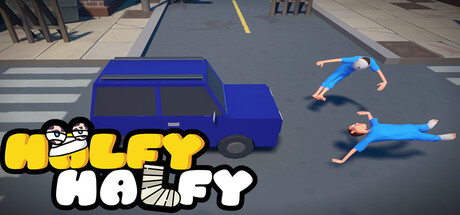 HalfyHalfy Dev only code | AI tools were used to assist in writing, optimizing, and debugging code scripts during development. All game mechanics were manually implemented and tested | Agusia | - | Aug 22, 2026 | |
 Was Silence In-game content art | This game contains pre-generated AI content in its visual assets. The following were created with AI image generation
tools during development:
• Character portraits and background art: Midjourney niji7
• CG cutscene images: Kling AI
• Top-down pixel art sprites: ComfyUI (Stable Diffusion XL)
• Store page capsule images: Midjourney niji7
All AI-generated assets have been commercially licensed, manually reviewed, and post-processed by the development
team. All narrative, dialogue, and game design were written entirely by humans. No AI content is generated during
gameplay. | PWOK Entertainment | - | Aug 22, 2026 | |
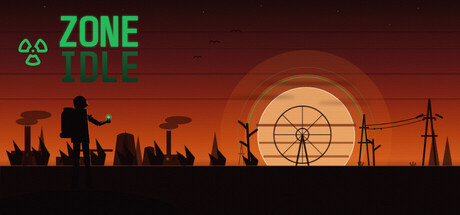 Zone Idle In-game content artcode | AI was used during development to help produce the game's code and visual art, including item icons. All AI-assisted work is reviewed, refined, and finalized by the developer. No content is generated by AI while the game is running. | Dickie | - | Aug 22, 2026 | |
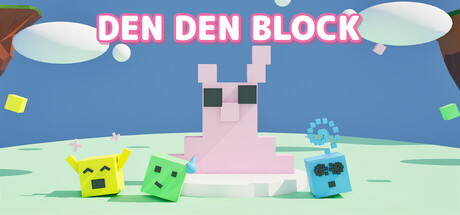 でんでんブロック In-game content text | This game uses AI tools (Anthropic's Claude) for localization. The game's UI text, building prompts, and store descriptions were translated from Japanese into 9 other languages with AI assistance, and all translations were reviewed by the developer. No AI-generated content is created at runtime (no live-generated AI). All other assets (art, music, sound effects) are hand-made or licensed (CC0). | R.U Studio | - | Aug 17, 2026 | |
 Epoch Forge Live AI text | The global economy, events, NPC dialogue and behaviors, and the choices your Storyteller makes use a lightweight, local LLM that runs with the game. | Vaporware Software | - | Aug 16, 2026 | |
 The Abyss’s Last Breath Unclear | Parts of the title background | furiousDevPhoenix | - | Aug 14, 2026 | |
 FastFoo In-game content art | no ai assets inside the game, just the store capsule | Play365 | - | Aug 14, 2026 | |
 Friends of Duty Store/marketing art | This game used AI to generate its logo and publishing material. | 14MB | - | Aug 14, 2026 | |
 币圈模拟器 In-game content arttext | The game includes AI-generated virtual price data and images. | zhdabiao | - | Aug 11, 2026 | |
 Midnight Class In-game content artaudio | Generative AI tools were used to assist with the creation of some visual assets and music for the game. The resulting content was reviewed, edited, and integrated by the development team. | Powerverse Studio | - | Aug 5, 2026 | |
 Lifelines In-game content text | The game’s localization was primarily supported by AI tools, with human review where needed. | ToKa Games | - | Aug 4, 2026 | |
 Kairos-与时偕行 Dev only codetext | This project is human-led and human-authored. The core concept, research direction, cultural framing, interactive decisions, visual judgement, source selection, and the final content of the work were all determined by me.
AI was used as a supporting production tool, mainly for: debugging Unity and C# errors; suggesting code structure for prototype scripts; organising local folders and repository structure; searching for public references and technical resources; and drafting editable documentation outlines that I then reviewed and revised.
AI was not used as an autonomous author. It did not decide the research direction, cultural interpretation, aesthetic intention, or final meaning of the work. AI-generated text and code were treated as working material - selected, edited, corrected, rejected, or rewritten. The personal reflection was written by me; no AI-generated text is presented as personal reflective writing. | Jiakang Lin | - | Aug 1, 2026 | |
 Gemfire Survival Store/marketing codetext | Gemfire Survival was developed with assistance from generative AI tools (such as Large Language Models) to help write and structure the source code and draft store descriptions. All AI-generated content was reviewed, edited, and integrated manually. The game does not feature live, runtime generative AI or external API connections during gameplay. | RVLWorks | - | Jul 30, 2026 | |
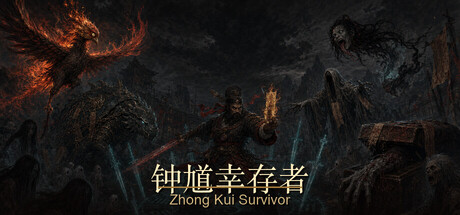 钟馗幸存者 In-game content art | This game uses generative AI tools (such as PixelLab) during development to create or assist with some pre-rendered pixel art: enemy/character sprites, UI panels, visual effects, and certain store or marketing stills.
There is no live generative AI during gameplay. The game does not generate images, text, or audio with AI while you play. | fanyifan | - | Jul 29, 2026 | |
 OVERSIGHT: Anomaly In-game content artaudio | The game's concept, worldbuilding, narrative, game design, and art direction were planned and developed directly by the development team.
Generative AI was used as an assistive tool in the production and refinement of pre-generated content, including character and environment imagery, cinematic sequences, anomaly effects, and selected music.
All content, including AI-assisted outputs, was curated, edited, composited, and post-processed by the development team to align with the game's creative intent and quality standards.
The game does not use generative AI at runtime, and no player input or personal data is sent to AI services. | sugarscone | - | Jul 29, 2026 | |
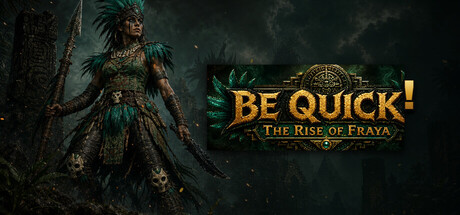 BE QUICK! The Rise of Fraya In-game content arttext | This game uses prerendered visual content, store assets, and translations assisted by generative AI. All AI-assisted content is created before release. It is not generated dynamically during gameplay. The game does not connect to external AI services during gameplay. | Septium Media | - | Jul 24, 2026 | |
 Grey Prince In-game content artaudio | Some UI elements and sound files indirectly contain AI generated content | OBICORP SoftwareWorks | - | Jul 23, 2026 | |
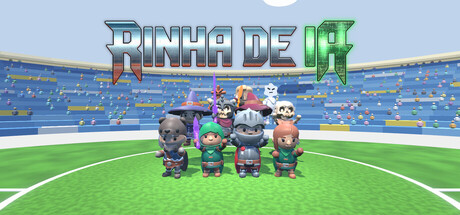 Rinha de IA Live AI text | The game's fighters are controlled by AI models (LLMs) chosen by the player and reached through their own OpenRouter API key. During a match the model decides the character's actions and writes the short taunts shown on screen (text only). The game does not generate images, audio, music or voices with AI: every character, arena, soundtrack and sound effect is authored in advance and ships with the game. Every AI-generated line goes through an illegal content filter before it is displayed, on the player's computer and again on the server that hosts online matches, and online matches have a report system reviewed by a human team. | ProdMan | - | Jul 22, 2026 | |
 Pixel Trader In-game content art | This game uses generative artificial intelligence in the following ways: pixel character artwork and background images. AI-generated content was reviewed and edited by the developer before being included in the game or store page. | Ryaland Studio | - | Jul 22, 2026 | |
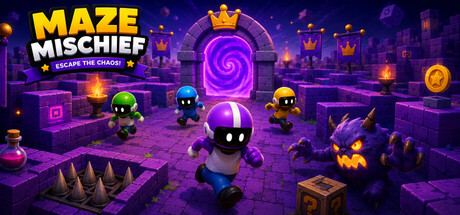 Maze Mischief art | Some promotional images and marketing content for Maze Mischief were created with the assistance of generative artificial intelligence tools and subsequently reviewed and adjusted by the developer. | Gleison Souza | - | Jul 22, 2026 | |
 Rocket Rush general | Store Page Description
Please enter a message to players describing how this game uses generative artificial intelligence.
Note: The Steam Store will display this message under the 'About This Game' section on the game's store page. You can return to this survey at any time to update this message or its localizations. | Eternium Forge Studios | - | Jul 18, 2026 | |
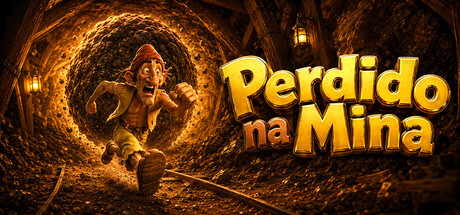 Perdido na Mina In-game content art | Some pre-generated visual assets used in the game and store materials were created with the help of generative AI tools during development. These include selected images for the title screen, options screen, game over screen and promotional artwork. No live AI generation is used during gameplay. | Studio 4 | - | Jul 18, 2026 | |
 Tiny Toppings In-game content audio | Some background music was created using generative AI during development. | AVAPPSTUDIO | - | Jul 18, 2026 | |
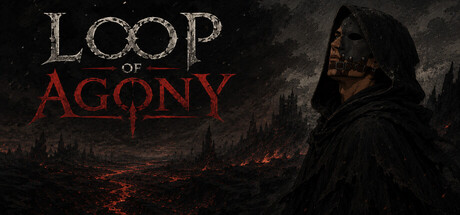 Loop of Agony In-game content audioart | Generative AI was used exclusively to create all of the game's music and some of the promotional artwork (such as posters and banners). No in-game assets, code, or mechanics were created using AI. | Kaos Games | - | Jul 17, 2026 | |
 Blue Flag Down, Guard Up In-game content art | Some of the game's graphical assets were initially generated using AI and then manually retouched and finalized by the developer. | RetroSweetsClub | - | Jul 15, 2026 | |
 Tank Tower Defense | 坦克塔防 In-game content art | AI was only used to generate the images of the game login screen throughout the entire game. | Azure Dragon Studio | - | Jul 13, 2026 | |
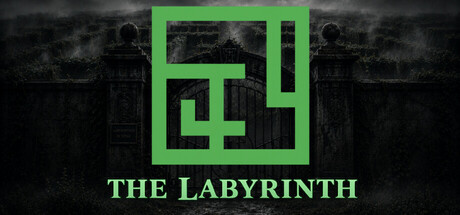 O Labirinto In-game content arttext | Some of the game's 3D models (characters, monsters, and items) were created using the generative AI tool. Some in-game text translations were produced with AI assistance. All of this content was pre-generated during development, and we hold the appropriate rights to use it in the game. | Matheuzera Games | - | Jul 9, 2026 | |
 Subject Zero : Benzene Protocol Dev only | This AI usage is strictly limited to development assistance and does not generate any content in real-time for the players. | NoHopes Team | - | Jul 9, 2026 | |
 Libera Nos a Malo Store/marketing art | The videos were generated using artificial intelligence, employed to recreate the gothic and unsettling atmospheres typical of 1970s and 1980s horror films. | Necronomicon Games | - | Jul 9, 2026 | |
 PLUS ULTRA In-game content art | Generative AI is used for some characters and backgrounds. | zawascript | - | Jul 9, 2026 | |
 Cyber Dive In-game content artaudiocode | AI tools were used as supportive tools during the development process, including assistance with code, visual assets, and music. All AI-assisted content was reviewed, edited, and integrated by our development team before being included in the game. | Babs Games | - | Jul 7, 2026 | |
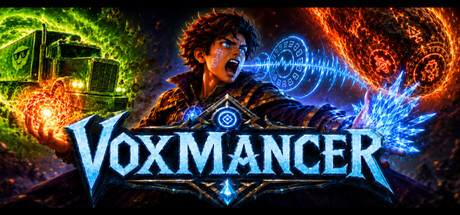 VoxMancer Live AI artcode | This game uses AI-assisted tools during development, including assistance with coding and the creation or iteration of some promotional and visual art assets.
During gameplay, AI may be used to help interpret the player’s spoken spell commands and map them to predefined in-game spell actions. | VoxMancer Studios | - | Jul 6, 2026 | |
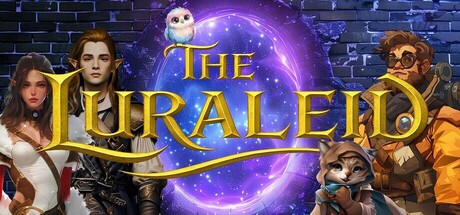 The Luraleid In-game content artaudio | The coding, general game mechanics, story and brancing paths are all human designed. The art and audio content of this game is strategically and intentionally produced by AI generation. | Ripple Effect | - | Jul 4, 2026 | |
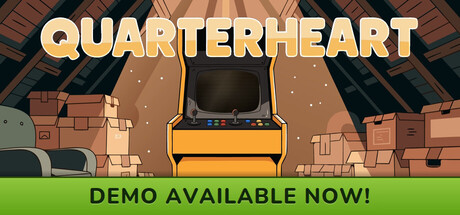 Quarterheart Dev only | Generative AI was used during the development of this game. It does not generate any content with AI while you play. | Emotional Machines | - | Jul 2, 2026 | |
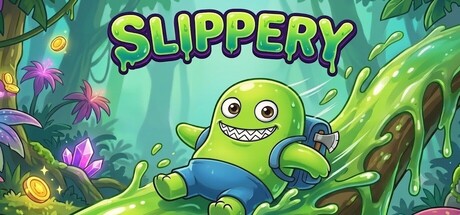 Slippery In-game content art | Generative AI was used during the development of Slippery to assist in creating certain static visual assets, including [store page artwork / background images / character concepts / UI elements]. All AI-generated content was reviewed, modified, and integrated by hand to match the game's overall visual style. The game does not generate any AI content in real-time during gameplay. | Artem Hnidobor | - | Jul 2, 2026 | |
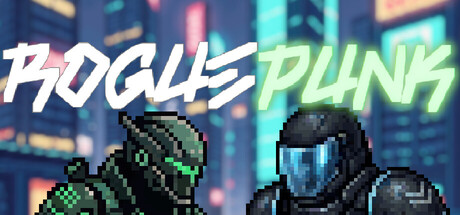 RoguePunk In-game content artaudio | RoguePunk is an independent project, and its visual and audio content including pixel-art characters, enemies, environments, music, and sound effects was created with the help of generative AI tools, then selected, arranged, edited, and integrated by hand to fit the game's world and feel.
I see these tools the way earlier developers saw new engines, samplers, and digital art software: as a way for solo developers to bring an ambitious, fully-realized world to players who might otherwise never get to see it. | Massif interactive | - | Jun 28, 2026 | |
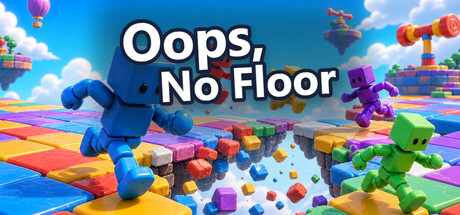 Oops, No Floor! In-game content art | As an independent development team, we use generative AI tools to assist in creating some of the game’s background artwork and decorative wallpapers. These images are used as supporting visual elements and do not replace the game’s 3D assets, animation, gameplay design, programming, or overall creative direction.
All AI-assisted artwork is selected, reviewed, edited, and integrated by our development team to ensure it fits the visual identity of Oops, No Floor. The game does not generate content during gameplay.
We respect and value the work of professional artists. Our use of AI reflects the practical resources available to us as a small indie team and allows us to focus our budget and time on building, polishing, and supporting the game. | 71 Studios for Games Development | - | Jun 28, 2026 | |
 Duel: The Game Show In-game content text | Notice: AI-assisted development tools were used in the preparation and creation of the game mechanics, texts, and question catalog. | Main Stage Games | - | Jun 28, 2026 | |
 Copter Dude In-game content art | AI was used to create initial concept images for the main character (the funny copter). These images were then edited, redrawn and polished by a human artist. All other sprites, animations, backgrounds, sounds, music, and code in the game have nothing to do with AI. | Scangine Games | - | Jun 28, 2026 | |
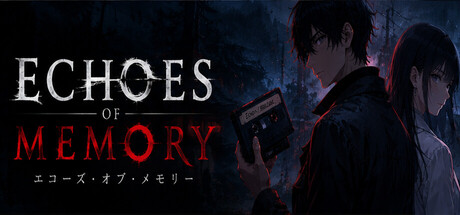 Echoes of Memory In-game content arttext | Some background elements were partially generated using AI.
Localization into languages other than German was carried out with the help of AI.
AI was used as a development aid (to help implement certain systems in the game).
I am a solo indie developer and wanted to tell an engaging horror story set in an anime/Japanese-inspired world. Without AI, I unfortunately would never have been able to create a project like this! | JonnyProductions | - | Jun 28, 2026 | |
 The Guest In-game content art | Some background and environmental artwork in this game was created with the assistance of generative AI and then reviewed, edited, and integrated by the developer. All story content, dialogue, characters, and game design were created by the developer. | Velvet Story | - | Jun 28, 2026 | |
 Floor 12: The Delivery In-game content text | AI was used to translate the game's texts into other languages. | Gvn Games | - | Jun 28, 2026 | |
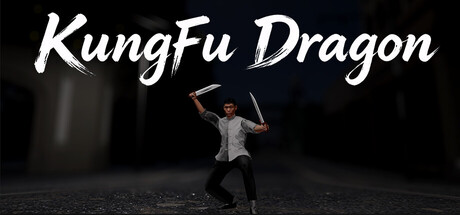 Guardian of Waterveil In-game content audiotextart | Large portions of the game’s background music, sound effects and written texts, together with a limited selection of models and texture assets, were created with AI tools. | Jack Yang | - | Jun 28, 2026 | |
 Stardust Protocol Unclear | Some content is powered by AI | Starzen Interactive | - | Jun 27, 2026 | |
 KeyWalker Dev only | Copilot has been used to ease development of playtest versions. | Repron | - | Jun 27, 2026 | |
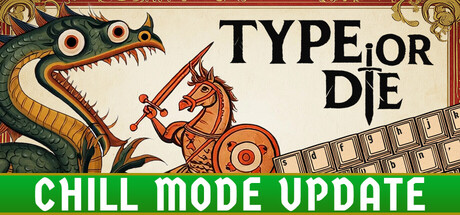 Type or Die In-game content art | I want to clarify right away that I am not an AI enthusiast, though I understand that this topic can be sensitive for some. Type Or Die uses AI for card icons and sprite animations. All other aspects of the game (design, programming, voice acting, music, interface, and the majority of the artwork) were created manually. If the game achieves a certain level of success after its release, I will hire a specialist artist to handle all of that. | Type or Die | 29 | Jun 26, 2026 | |
 The Black Water In-game content art | 部分场景模型,纹理使用ai辅助生成 | Blanc | - | Jun 16, 2026 | |
 Golden Years Nursing Home In-game content art | We want to be upfront about how AI tools were used during the development of Golden Years. This is a small indie project built mostly by hand, but a few AI assisted elements were used to help speed up production.
Where AI Was Used
A handful of environmental textures, about five or six total, were created or retextured using AI tools. These are simple surface materials used to add extra detail to the environment. Every AI assisted texture was manually edited, cleaned up, and adjusted to fit the game's style.
Where AI Was Not Used
All of the core creative work in Golden Years is fully handcrafted. This includes:
Level design and layout
Atmosphere, lighting, and mood
Gameplay systems and mechanics
Environmental storytelling
Overall direction and feel of the game
No AI tools were used to design gameplay, build levels, or shape the game's atmosphere.
Store Page and Descriptions
Some of the text on the Steam store page may use AI assistance for drafting or polishing. All final wording is reviewed and edited to make sure it accurately represents the game.
Gameplay Logic
AI is not used for in game decision making, player behavior, or gameplay logic. Everything that affects how the game plays is traditionally designed and implemented. | Iron Tank Studios | - | Jun 15, 2026 |


