Public Steam disclosure research25,376 disclosures tracked
Where do games disclose AI use?
Search developers’ Steam disclosures, compare classified AI use across
games, and follow recorded changes.
This index adds cross-game classifications and statistics to
statements published on individual store pages.
Groups reflect automatic analysis of public disclosures; mature records are excluded. These counts do not measure AI use across all of Steam.
Missing or unclear statements cannot establish whether a game uses AI.
Generative AI was used during development to create some visual assets, including background artwork, UI graphics, icons and 3D models, as well as music, some sound effects, and localized text. These assets are included as pre-generated content. The game does not generate AI content or connect to external AI services during gameplay.
Generative AI was used to help create some of this game's marketing artwork, including the store page header and capsule images, based on descriptive prompts we wrote. Generative AI was also used to assist with writing the game's English-language localization (in-game menus and interface text).
AI tools were used during development to help with my terrible code, and to create the game’s splash screen, icon, Steam capsule artwork, and various store and marketing images. Although, I did draw up the references with my own big hands.
Generative AI-assisted tools were used during development to assist with programming tasks and to create or refine selected 3D models. All AI-assisted code and 3D assets were reviewed, edited, tested, and integrated by the development team. AI-assisted tools were also used for selected Steam marketing artwork. The game does not generate content with AI during gameplay and does not connect to an external AI service.
Voltwood was developed with AI assistance. Pre-generated AI content that ships in the game and on the store page includes: 3D unit, structure, and environment models generated with Meshy from our own concept art; 2D art generated with ChatGPT from the developer's direction, including store capsule art, the app icon and key art, menu artwork, and achievement icons; music generated with Mureka; sound effects and character voice lines generated with ElevenLabs; game code, UI icons, and interface and store-page translations authored with Anthropic Claude. All AI output was reviewed, curated, and integrated by the developer, and all of it is owned by the developer under the respective services' paid-tier terms.
Generative AI was used during development to create some visual artwork and background music. The generated content was reviewed by the development team before being included in the game. The game does not generate AI content during gameplay.
English localization text in the game was produced with AI assistance and reviewed by the developer. Parts of the store page description were also drafted with AI assistance.
・Translated text in the following languages:
English, French, German, Italian, Spanish, Chinese (Simplified), Chinese (Traditional), Korean, Russian
・Generation of title screen background images
・Generation of images for some module icons
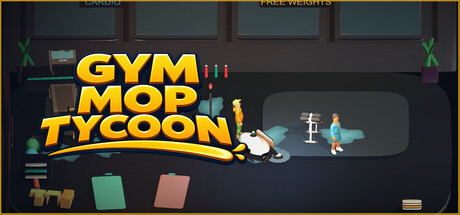
Pre-generated generative AI tools were used during development to create seven player-facing UI illustrations: two unlock-card images and five portraits used in the skill tree and event UI. The images were selected, post-processed where needed, and integrated by the developer. AI-generated visual reference art also assisted the design of the Dicker Typ character presentation and the AUTOMOP 3000 robot; their production 3D models, materials, and animations were not generated by AI. Some Steam store screenshots and trailer footage show this same in-game content. The game does not use generative AI at runtime and produces no live-generated text, images, audio, 3D assets, or other content.
During the development of this game, generative AI was used to assist in the creation of some 2D art assets and pre-generated sound effects. All AI-assisted content underwent manual review, modification, and integration by the developers. No content will be generated by generative AI during gameplay.
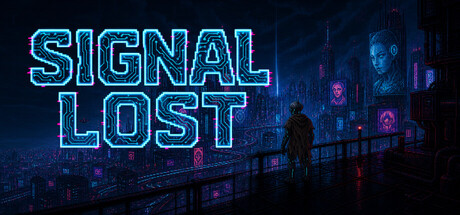
SignalLost uses generative AI only during development to create and refine selected 2D artwork, promotional images, and trailer assets. No AI content is generated during gameplay, and the game does not connect to external AI services. All shipped assets are reviewed, edited, and integrated by the developer before release.
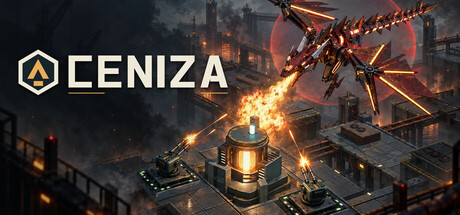
CENIZA is created using AI tools under human creative direction. Pre-generated content includes environmental textures, interface artwork, game text and translations, promotional art, and assets produced through AI-assisted modeling, coding and audio workflows. The base game does not generate content with generative AI while you play and does not connect to an AI service. Mod authors may optionally use external AI tools; manual editing and conventional tools are equally welcome.
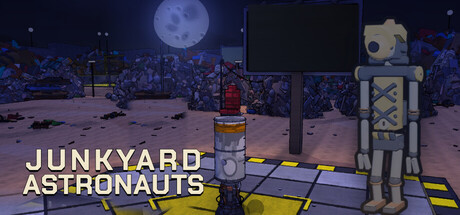
Junkyard Astronauts was developed with substantial help from an AI coding assistant (Claude), directed and reviewed by the developer. Specifically: the game's code was largely written with AI assistance; the 3D models, textures and yard layouts are produced by procedural generator scripts written with AI assistance; the sound effects are built from licensed, human-recorded sound libraries (Sonniss GDC bundles, Kenney) assembled and mixed by scripted tools written with AI assistance; the soundtrack is composed and rendered by a music engine written with AI assistance; parts of the store text and the achievement names were drafted with AI assistance. Everything was reviewed, edited and play-tested by the developer before shipping. No AI service is used during gameplay, and no content is generated at runtime. No AI-generated content imitates a real person or a third party's protected work.
AI tools were used in a limited capacity to support coding, early prototyping, and the creation of a small number of icons. All AI-assisted elements were reviewed and refined by us.
Deepworks was made with the help of AI tools. Some of the game's art and audio were generated with AI and then reviewed and edited by the developer, and AI assisted with writing code. Nothing in the game is generated by AI while you play.
I'm an indie dev with a day job. Using AI made building this game possible. I built this game for the fun of it and have no interest in paying thousands or even hundreds of dollars to artists for a little side hobby.
Some store visuals (capsule art) were created using AI image generation tools.
Game text translations for languages other than English/Turkish were done with the assistance of AI translation and manual review.
Cutscenes and the visual slides featuring dialogue were created with the assistance of AI.
Generative AI was used exclusively to assist in polishing the game's logo. All gameplay systems, code, and visual elements were developed directly by me.
Pre-generated AI content: TROPHY FLEET's visual assets and its synthetic character voice performances were produced using AI image and voice generation as a starting point during development. Every generated asset was then selected, chroma-keyed against a solid key background, retouched, resized and hand-aligned by the developer before shipping. Boss artwork is collision-aligned to gameplay: each visible weak point on a boss sprite corresponds to an actual targetable hitbox at that exact position. Source masters and shipped runtime assets are both retained in the project repository.
The soundtrack is not AI-generated. It consists of 39 CC0-licensed music tracks, curated per world and normalized to -16 LUFS, with full attribution shipped in the game's THIRD_PARTY_NOTICES file.
All game design, code, level authoring, enemy behaviour, boss mechanics and balance systems are the developer's own work.
The game generates no content while it is running. It sends no player data or prompts to any AI service or any other service, requires no network connection, and functions fully offline.
AI-assisted tools were used to help create some splash screen visuals and store page promotional artwork. All assets were reviewed and finalized by the developer before being included in the game and store materials.
Generative AI was used in the development of this game.
No generative AI runs during gameplay, and the game does not connect to any
external AI service.
Some pre-generated visual assets in the game were created or assisted with generative AI tools, including environment artwork, interface illustrations, textures, and source material used for certain 3D assets. All such material was reviewed, edited, integrated, and tested by the developer. The game does not generate AI content during gameplay or connect to external AI services while running.
Some visual assets and 3D assets used in this game were created with the assistance of generative AI. The generated assets were edited and adjusted by the developer as needed before being incorporated into the game. No content is generated by AI in real time during gameplay.
Generative AI is used as a support tool during development, mainly to assist with the creation and iteration of some visual assets and promotional materials. All content is selected, edited, adapted, composed and implemented by the developer. No AI-generated content is created in real time during gameplay.
Generative AI is utilized as support in the game's development, employed for concept creation, texture upscaling, and the design of icons and visual elements.
AI is used for programming assistance, for generating in-game sound effects and music, and for drafting store page text. All 3D art assets and level design are created by hand in Blender.
Some promotional artwork and store page text were created with the help of
generative AI and edited by hand. The game itself does not use AI at runtime
and does not connect to any AI service.
To enhance the gaming experience, a very small portion of the video footage, visual effects, and game interface were created with the assistance of artificial intelligence. AI-generated content accounts for less than 1% of the total content. Thank you for your understanding.
Some visual assets, sound effects, and music in Wondernauts were created with the help of generative AI tools during development, then refined, validated, and integrated by the development team. All gameplay logic and game systems are human-authored.
Byte Bistro was developed with assistance from generative AI tools (such as Large Language Models) to help write and structure the source code and draft store descriptions. All AI-generated content was reviewed, edited, and integrated manually. The game does not feature live, runtime generative AI or external API connections during gameplay.
Generative AI tools were used during development to assist with the creation of some visual assets and development materials. All AI-assisted content was reviewed and integrated by the developer. No generative AI is used during gameplay.
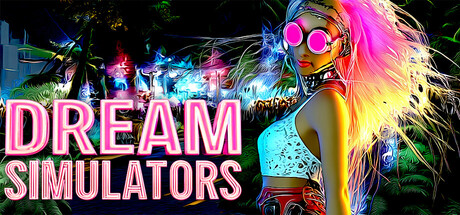
Dream Simulators uses generative AI to create dynamic dialogue, story continuations, characters, missions, and narrative events based on player input and the active Lore system. Each Expansion Pack features its own world, Lore, characters, and adventures, creating a unique storytelling experience. The AI also generates creative scene descriptions and prompts that players can use as inspiration for creating images and videos. Because the experience is driven by player input, generated content may vary between playthroughs.
Some of this game's 2D graphics — including UI icons, part icons and mission cards — were created ahead of time with the help of AI image generation tools. Every generated asset was reviewed, selected and adjusted by the developer before being included.
No content is generated by AI while the game is running. The 3D models, stages, effects and all game logic were produced by scripts and by hand, not by AI.
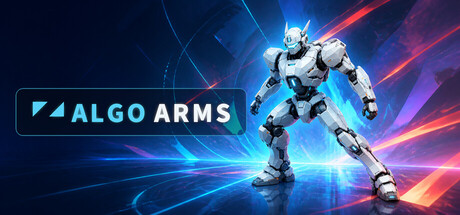
Generative AI was used as a development tool for this game. An AI assistant helped with programming, game design iteration, and text translation, always under the developer's direction and review. Some 3D models, such as mech parts, are based on assets created with generative AI tools and then adjusted and integrated by the developer. No content is generated by AI during gameplay: enemy behavior is not generative AI, but the same deterministic node-based algorithms that players build themselves.
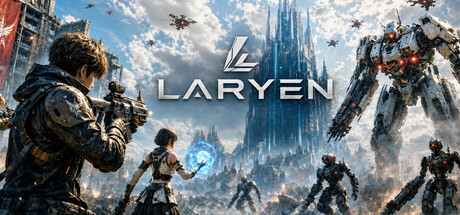
Laryen includes an optional in-game AI companion named Laria. When a player asks Laria a question by voice or text, her answer is generated at runtime by an AI language model, grounded in Laryen's own game data (monsters, hunting grounds, equipment, drops and progression). Laria answers questions about the game only. She does not generate artwork, music, or content that is shared with other players, and using her is never required to play.
Some artwork used in our store page and marketing materials was created with the assistance of generative AI tools and reviewed by our team before publication.
Generative AI tools were used during development to create certain pre-generated visual and audio assets, including character portraits and video sequences, mech and environment artwork, synthetic voice-over, and some sound effects. All generated assets were reviewed and curated by the developer. The game does not generate content during gameplay, and no player input is sent to generative AI services.
This game makes limited, supplementary use of generative AI tools during development. The primary uses are programming assistance (such as debugging), certain image and audio assets, and assistance with translating text into English.
Generated image and audio assets are not used as-is. The development team reviews their content and makes additions, revisions, edits, and other adjustments to ensure that they are appropriately refined and fit the game.
For text translated with the assistance of generative AI, the development team reviews the context and content and makes any necessary revisions before using it in the game. Please note that generative AI does not generate any game content during gameplay.
Generative AI was used during development to create some visual assets, including background artwork, UI graphics, icons and 3D models, as well as music, some sound effects, and localized text. These assets are included as pre-generated content. The game does not generate AI content or connect to external AI services during gameplay.
Generative AI was used to help create some of this game's marketing artwork, including the store page header and capsule images, based on descriptive prompts we wrote. Generative AI was also used to assist with writing the game's English-language localization (in-game menus and interface text).
AI tools were used during development to help with my terrible code, and to create the game’s splash screen, icon, Steam capsule artwork, and various store and marketing images. Although, I did draw up the references with my own big hands.
Generative AI-assisted tools were used during development to assist with programming tasks and to create or refine selected 3D models. All AI-assisted code and 3D assets were reviewed, edited, tested, and integrated by the development team. AI-assisted tools were also used for selected Steam marketing artwork. The game does not generate content with AI during gameplay and does not connect to an external AI service.
Voltwood was developed with AI assistance. Pre-generated AI content that ships in the game and on the store page includes: 3D unit, structure, and environment models generated with Meshy from our own concept art; 2D art generated with ChatGPT from the developer's direction, including store capsule art, the app icon and key art, menu artwork, and achievement icons; music generated with Mureka; sound effects and character voice lines generated with ElevenLabs; game code, UI icons, and interface and store-page translations authored with Anthropic Claude. All AI output was reviewed, curated, and integrated by the developer, and all of it is owned by the developer under the respective services' paid-tier terms.
Generative AI was used during development to create some visual artwork and background music. The generated content was reviewed by the development team before being included in the game. The game does not generate AI content during gameplay.
English localization text in the game was produced with AI assistance and reviewed by the developer. Parts of the store page description were also drafted with AI assistance.
・Translated text in the following languages:
English, French, German, Italian, Spanish, Chinese (Simplified), Chinese (Traditional), Korean, Russian
・Generation of title screen background images
・Generation of images for some module icons
Pre-generated generative AI tools were used during development to create seven player-facing UI illustrations: two unlock-card images and five portraits used in the skill tree and event UI. The images were selected, post-processed where needed, and integrated by the developer. AI-generated visual reference art also assisted the design of the Dicker Typ character presentation and the AUTOMOP 3000 robot; their production 3D models, materials, and animations were not generated by AI. Some Steam store screenshots and trailer footage show this same in-game content. The game does not use generative AI at runtime and produces no live-generated text, images, audio, 3D assets, or other content.
During the development of this game, generative AI was used to assist in the creation of some 2D art assets and pre-generated sound effects. All AI-assisted content underwent manual review, modification, and integration by the developers. No content will be generated by generative AI during gameplay.
SignalLost uses generative AI only during development to create and refine selected 2D artwork, promotional images, and trailer assets. No AI content is generated during gameplay, and the game does not connect to external AI services. All shipped assets are reviewed, edited, and integrated by the developer before release.
CENIZA is created using AI tools under human creative direction. Pre-generated content includes environmental textures, interface artwork, game text and translations, promotional art, and assets produced through AI-assisted modeling, coding and audio workflows. The base game does not generate content with generative AI while you play and does not connect to an AI service. Mod authors may optionally use external AI tools; manual editing and conventional tools are equally welcome.
Junkyard Astronauts was developed with substantial help from an AI coding assistant (Claude), directed and reviewed by the developer. Specifically: the game's code was largely written with AI assistance; the 3D models, textures and yard layouts are produced by procedural generator scripts written with AI assistance; the sound effects are built from licensed, human-recorded sound libraries (Sonniss GDC bundles, Kenney) assembled and mixed by scripted tools written with AI assistance; the soundtrack is composed and rendered by a music engine written with AI assistance; parts of the store text and the achievement names were drafted with AI assistance. Everything was reviewed, edited and play-tested by the developer before shipping. No AI service is used during gameplay, and no content is generated at runtime. No AI-generated content imitates a real person or a third party's protected work.
AI tools were used in a limited capacity to support coding, early prototyping, and the creation of a small number of icons. All AI-assisted elements were reviewed and refined by us.
Deepworks was made with the help of AI tools. Some of the game's art and audio were generated with AI and then reviewed and edited by the developer, and AI assisted with writing code. Nothing in the game is generated by AI while you play.
I'm an indie dev with a day job. Using AI made building this game possible. I built this game for the fun of it and have no interest in paying thousands or even hundreds of dollars to artists for a little side hobby.
Some store visuals (capsule art) were created using AI image generation tools.
Game text translations for languages other than English/Turkish were done with the assistance of AI translation and manual review.
Cutscenes and the visual slides featuring dialogue were created with the assistance of AI.
Generative AI was used exclusively to assist in polishing the game's logo. All gameplay systems, code, and visual elements were developed directly by me.
Pre-generated AI content: TROPHY FLEET's visual assets and its synthetic character voice performances were produced using AI image and voice generation as a starting point during development. Every generated asset was then selected, chroma-keyed against a solid key background, retouched, resized and hand-aligned by the developer before shipping. Boss artwork is collision-aligned to gameplay: each visible weak point on a boss sprite corresponds to an actual targetable hitbox at that exact position. Source masters and shipped runtime assets are both retained in the project repository.
The soundtrack is not AI-generated. It consists of 39 CC0-licensed music tracks, curated per world and normalized to -16 LUFS, with full attribution shipped in the game's THIRD_PARTY_NOTICES file.
All game design, code, level authoring, enemy behaviour, boss mechanics and balance systems are the developer's own work.
The game generates no content while it is running. It sends no player data or prompts to any AI service or any other service, requires no network connection, and functions fully offline.
AI-assisted tools were used to help create some splash screen visuals and store page promotional artwork. All assets were reviewed and finalized by the developer before being included in the game and store materials.
Generative AI was used in the development of this game.
No generative AI runs during gameplay, and the game does not connect to any
external AI service.
Some pre-generated visual assets in the game were created or assisted with generative AI tools, including environment artwork, interface illustrations, textures, and source material used for certain 3D assets. All such material was reviewed, edited, integrated, and tested by the developer. The game does not generate AI content during gameplay or connect to external AI services while running.
Some visual assets and 3D assets used in this game were created with the assistance of generative AI. The generated assets were edited and adjusted by the developer as needed before being incorporated into the game. No content is generated by AI in real time during gameplay.
Generative AI is used as a support tool during development, mainly to assist with the creation and iteration of some visual assets and promotional materials. All content is selected, edited, adapted, composed and implemented by the developer. No AI-generated content is created in real time during gameplay.
Generative AI is utilized as support in the game's development, employed for concept creation, texture upscaling, and the design of icons and visual elements.
AI is used for programming assistance, for generating in-game sound effects and music, and for drafting store page text. All 3D art assets and level design are created by hand in Blender.
Some promotional artwork and store page text were created with the help of
generative AI and edited by hand. The game itself does not use AI at runtime
and does not connect to any AI service.
To enhance the gaming experience, a very small portion of the video footage, visual effects, and game interface were created with the assistance of artificial intelligence. AI-generated content accounts for less than 1% of the total content. Thank you for your understanding.
Some visual assets, sound effects, and music in Wondernauts were created with the help of generative AI tools during development, then refined, validated, and integrated by the development team. All gameplay logic and game systems are human-authored.
Byte Bistro was developed with assistance from generative AI tools (such as Large Language Models) to help write and structure the source code and draft store descriptions. All AI-generated content was reviewed, edited, and integrated manually. The game does not feature live, runtime generative AI or external API connections during gameplay.
Generative AI tools were used during development to assist with the creation of some visual assets and development materials. All AI-assisted content was reviewed and integrated by the developer. No generative AI is used during gameplay.
Dream Simulators uses generative AI to create dynamic dialogue, story continuations, characters, missions, and narrative events based on player input and the active Lore system. Each Expansion Pack features its own world, Lore, characters, and adventures, creating a unique storytelling experience. The AI also generates creative scene descriptions and prompts that players can use as inspiration for creating images and videos. Because the experience is driven by player input, generated content may vary between playthroughs.
Some of this game's 2D graphics — including UI icons, part icons and mission cards — were created ahead of time with the help of AI image generation tools. Every generated asset was reviewed, selected and adjusted by the developer before being included.
No content is generated by AI while the game is running. The 3D models, stages, effects and all game logic were produced by scripts and by hand, not by AI.
Generative AI was used as a development tool for this game. An AI assistant helped with programming, game design iteration, and text translation, always under the developer's direction and review. Some 3D models, such as mech parts, are based on assets created with generative AI tools and then adjusted and integrated by the developer. No content is generated by AI during gameplay: enemy behavior is not generative AI, but the same deterministic node-based algorithms that players build themselves.
Laryen includes an optional in-game AI companion named Laria. When a player asks Laria a question by voice or text, her answer is generated at runtime by an AI language model, grounded in Laryen's own game data (monsters, hunting grounds, equipment, drops and progression). Laria answers questions about the game only. She does not generate artwork, music, or content that is shared with other players, and using her is never required to play.
Some artwork used in our store page and marketing materials was created with the assistance of generative AI tools and reviewed by our team before publication.
Generative AI tools were used during development to create certain pre-generated visual and audio assets, including character portraits and video sequences, mech and environment artwork, synthetic voice-over, and some sound effects. All generated assets were reviewed and curated by the developer. The game does not generate content during gameplay, and no player input is sent to generative AI services.
This game makes limited, supplementary use of generative AI tools during development. The primary uses are programming assistance (such as debugging), certain image and audio assets, and assistance with translating text into English.
Generated image and audio assets are not used as-is. The development team reviews their content and makes additions, revisions, edits, and other adjustments to ensure that they are appropriately refined and fit the game.
For text translated with the assistance of generative AI, the development team reviews the context and content and makes any necessary revisions before using it in the game. Please note that generative AI does not generate any game content during gameplay.