








Disclosure
AI was used in the localization of the game.
- Creator
- fragilent
- Reviews
- -
- Added
- Aug 31, 2026
Public Steam disclosure research 25,376 disclosures tracked
Search developers’ Steam disclosures, compare classified AI use across games, and follow recorded changes. This index adds cross-game classifications and statistics to statements published on individual store pages.
Code help, debugging and other development work.
Capsule art, trailers and promotional material.
Pre-made art, audio, writing and other game assets.
Interactive or runtime AI features disclosed by the developer.
Groups reflect automatic analysis of public disclosures; mature records are excluded. These counts do not measure AI use across all of Steam. Missing or unclear statements cannot establish whether a game uses AI.
AI was used in the localization of the game.
Generative AI tools were used during development (coding assistance). No content is generated at runtime.
ORACLE uses generative AI in two ways: some marketing artwork was created with generative tools, and an optional bundled local language model can generate short, context-aware ORACLE narration during play. Live generation runs locally on the player's PC and is limited to text; it does not generate code, images, audio, or gameplay rules.
All simulation, art, audio and text in Terra Logic are hand-made — the game ships with no AI-generated content and makes no network requests by default. One optional feature can generate text at runtime: the "whisper" narrator, a single one-line ambient caption. By default it composes lines from a built-in, hand-written phrase library. Players who supply their own Anthropic (Claude) API key in a local config file may enable AI-generated phrasing for that one caption line; without a key the AI path is fully inactive. AI output never affects simulation, gameplay, art, audio, or any other text.
The voices in the game were generated by AI, following scripts written by hand.
SpaceBell was Agentically Engineered! The custom engine, game loop, and the entire process to make the game is documented on the studios' X page. Far from vibed, the game has been in active dev for 2yrs.
Some of the code was generated with AI assistance.
Generative AI tools were used during development to create or process some pre-generated voice audio and selected 2D visual assets, including stylized character and news-related images. All AI-assisted content is created before release and manually reviewed, edited, and curated by the developer before being included in the game. No generative AI runs during gameplay, and no player input or data is sent to generative AI services.
All AI involvement is pre-generated and human-reviewed: nothing is generated while you play, the game runs no AI models, and it never sends your data anywhere.
Some of Powdertron's development and marketing materials were produced with AI assistance. The store page text was drafted with an AI writing tool and edited by hand, and the capsule images and trailer were rendered by procedural code written with AI assistance, using the game's own artwork and captured gameplay footage. The game itself contains no generative AI. Nothing is generated at runtime, no AI service is contacted while you play, and all in-game content — the materials, reaction rules, simulations and interface — is authored and deterministic.
Some store, library, and marketing images were created with a generative image tool, then cropped and composited to Steam sizes. The playable game does not generate AI content at runtime. In-game planets, textures, and simulation are not live AI.
Development of this game uses AI coding agents. Some procedural shader code shipping in the game was written by coding agents following human-made designs. All designs, music, and art styles are created by humans. All in-game text is written or edited by a human before release; no generated text ships unreviewed. No AI content is generated at runtime.
Some marketing assets on the store page (capsules, logo) were produced with a generative AI tool, based on screenshots and 3D renders from the game itself. Part of the in-game text (encyclopaedia entries and mission briefings) was drafted with the assistance of a large language model, then reviewed and edited by the developer. The 3D parts, textures and the simulation itself are authored. Nothing is generated while the game is running.
The game is developed with Claude Code and Codex.
IA used to code the game and some in-game voices.
Final decisions made by human hands and brains. Project is AI tools friendly
Generative AI tools were used during development to assist with the creation of some pre-generated visual assets and development materials. All AI-assisted content is reviewed, selected, and integrated by the developer. The game does not generate AI content during gameplay.
AI-generated content is used in this product. The store page capsule artwork was created using an AI image generation tool. Portions of the store page description text were drafted with the assistance of an AI writing tool and reviewed/edited by the developer.
Portions of this game's written content were drafted with the assistance of Anthropic's Claude, under the direction of the developer, and were reviewed and edited by a human before inclusion. All artwork is procedurally rendered by the game's own code. No generative AI images are used. No AI content is generated during gameplay.
The two announcer voices, BroadcASH and BOBcast, are generated with ElevenLabs from scripts we write and edit ourselves. Every line is approved, levelled and listened to by hand before it ships. Nothing else in the game is AI generated. The card art is emoji placeholder today, and is being replaced with original illustrations commissioned from human artists. The music is composed in-house by our own procedural scripts, and every track has a written provenance log. The rules, the design and the natural history research are ours. Some marketing and store copy is drafted with AI assistance and edited before use.
Some of the pre-rendered 2D art shipped with the game (era intermission illustrations, panel icons, campaign cover images and the Economic Association hall with economist portraits) was produced with generative image tools (fal.ai, Krea) from prompts authored by the developer, then post-processed by hand and by scripts in tools/. No generative AI is used at runtime. The game's simulation code, UI, isometric city renderer, world map (built from Natural Earth data) and all text, including the three interface languages, are authored by the developer.
This game uses generative AI for some of its text content — achievement names and descriptions, story fragments, and flavor text were generated with AI assistance during development, along with parts of this store page. The game's art and sound are not AI-generated: every visual is procedural code (vector shapes, no images or bitmaps), and every sound is synthesized in real time — nothing recorded, nothing AI-generated.
Generative AI tools were used during development to assist in creating and refining certain pre-generated visual, audio, localization, and promotional materials. All AI-assisted content was reviewed, edited, and curated by the development team before being included in the game or its marketing materials. The game does not generate AI content in real time during gameplay.
"AI tools (LLMs and image generators) were used to assist in writing/optimizing C# scripts and generating minor 2D visual assets (e.g., UI or achievement icons). All AI-assisted content was strictly reviewed, modified, and integrated manually by the developer."
AI was used only during early development for temporary placeholder assets. These materials are not intended to be included in the final shipped game. The game does not use live-generated AI content during gameplay.
No AI-generated images and I made all the music by hand. Some text may be translated with AI.
Generative AI was used to assist in creating some promotional artwork and localization text. All AI-assisted content was reviewed and edited by the developer. The game does not generate AI content during gameplay and does not connect to external AI services.
Hot Seat Triage uses AI tools during development only; the game contains no live AI generation at runtime. Code: The game's code was written with the assistance of Claude (Anthropic). All AI-assisted code was directed, reviewed and tested by the developer. Art: The in-game background image was initially generated with Nano Banana 2, then manually edited and finalized by the developer. All other art and UI assets are human-made. Text: Clinical case scenarios were drafted with AI assistance and then reviewed, corrected and medically approved by the developer, an emergency medicine physician. Audio: The theme music and some sound effects were created by the developer using Suno. All AI-assisted content was human-reviewed before inclusion.
Some artwork used in Salty was created with the assistance of generative AI tools, including store page capsule art, marketing images, and certain in-game visual assets. All game design, code, systems, and gameplay are authored by the developer. No AI content is generated during gameplay.
This game uses generative AI for some background and minigame music tracks. Artwork, UI, gameplay systems, and written content were created without generative AI. No AI content is generated during gameplay.
During development of this game, generative AI was used to assist with writing portions of the source code. All AI-generated code was reviewed, modified, tested, and approved by the developer before being incorporated into the game. The game's design, functionality, and overall quality are the result of developer oversight and implementation.
Tatomic was originally created in 2008 for the first-generation iPhone, with artwork designed for its 480 × 320 display. Generative AI was used only to upscale and recreate the original artwork at higher resolutions while preserving the game’s original visual style. No generative AI was used to create the game’s design, gameplay, sound effects, music, or original art direction.
Hedra began as a physical board game designed and refined by one human developer over ten years. Nearly all of the tabletop game was created without generative AI; AI had a limited role in balance analysis. For the digital edition, AI tools played a substantial role in programming and technical development, including the original web app and its conversion into a desktop game. Most of Hedra's visual artwork was created with generative AI tools, then selected, reviewed, and integrated by the developer. The game contains pre-generated AI-assisted content. It does not generate artwork, text, audio, or other content while you play.
This game uses content created or assisted by generative AI. Generative AI was used to help create and edit some visual assets, music/sound materials, and scripts. All final content was reviewed, selected, and adjusted by the developer before being included in the game.
Some pre-rendered assets in this game and on its store page, including artwork, music, and sound effects, were created with the assistance of generative AI tools. All AI-assisted content was directed, reviewed, and edited by the developer. No content is generated by AI during gameplay.
The game used AI to generate artwork and code. We are biologists and we do research for living this is to show to others what its like.
Generative AI tools were used to create some 2D images and audio content. All generated content has been manually reviewed and edited.
Generative AI tools were used during development to create and manually refine some illustrations, store page artwork, and music tracks, as well as to assist with text preparation and localization. The game does not generate any AI content in real time.
Topological Board Game used generative AI tools during development to assist with programming, documentation, store-page text, localization drafts, and design iteration. All AI-assisted material is reviewed and edited by the developer before being included in the game or store page. The game does not use generative AI to create live player-facing content during gameplay. It does not connect to external third-party AI services during normal gameplay. Local robot opponents, rule-based analysis, search, simulation, and self-play/research tools may be included, but these are gameplay/strategy systems rather than live generative AI content systems.
This game makes use of AI for localization of the following languages: Ukrainian, Spanish, Japanese, Korean, Polish, Portugese (Brasil), Russian, Simplified Chinese, Traditional Chinese, Turkish, Hindi. We're working with native translators, so expect this list to become shorter with time.
Space Planet Explorer uses generative AI to create assets that ship with the game, including planet surface textures, cinematic sequences, voice narration, and music. All of this content was generated during development — no AI content is generated live during gameplay. Planet visuals are AI-generated interpretations based on real scientific data, not actual NASA photography.
This game uses generative AI during gameplay to create an original in-game character called a "Logos" for use by that player. Based on text entered or selected by the player, the AI generates a 2D illustration of the Logos in real time, along with its name, flavor text, and similar content. The generated Logos can be added to your deck and used to progress through the game. The game also includes pre-generated AI content: enemy and event illustrations were created with Adobe Firefly during development. Generation is performed using cloud-based external AI services (Adobe Firefly for image generation, OpenAI for text generation). The words entered by the player, generation conditions, and the data of the generated Logos are sent to and stored on our server. These records are used to provide the generation feature, review reported results, and investigate errors. A generated Logos is visible only to the player who created it and is not shared with other players. Some information required for generation is sent from our server to external AI services. Data sent from our server to these services is not used to train or improve their models. Please do not enter any personal information, such as your name or contact details, or any confidential information you would not want third parties to know.
As a small development studio, we had to use AI to generate translations for the game and the Steam page in order to make the game accessible to the widest possible audience. The graphic and audio assets were created either by us or by the team at Craftpix.net (who, it seems, do not use AI).
Generative AI was used in the creation of reaction sound effects (burning, explosions, electricity etc.) only. All music and imagery is human-made and attributed.
This game makes use of generative AI as part of the creative pipeline across art, text, sound, and voice. None of it is dumped in raw — every asset is curated, edited, and reworked by hand, and every line of dialogue is agonized over until it earns its place. AI is a tool here, not the author; the taste, the pacing, and the final call on what stays are all made by people. The codebase, in the interest of full honesty, is held together with AI-assisted spaghetti and sheer willpower — but it works, and every line is reviewed before shipping.
Some art assets were created with the help of generative AI.
The game was vibe coded. Many of the current assets were generated by various GenAI models, some of which will be staying but some of which are just placeholders for the time being. Much manual work still goes into making everything look good and come together even when using GenAI.
Some of the background images were generated using AI and subsequently improved by the developers.
This game contains some AI-generated backgrounds and icons. Apart from that, all card art, characters, and 3D models are hand-crafted.
Some PNG assets were created with the assistance of AI.
| Title⇅ | Disclosure | Creator⇅ | Src | Reviews⇅ | Added↓ |
|---|---|---|---|---|---|
 Before I Turn: Survival Auto Battler In-game content text | AI was used in the localization of the game. | fragilent | - | Aug 31, 2026 | |
 PLANETOON Dev only code | Generative AI tools were used during development (coding assistance). No content is generated at runtime. | TOBON GAME | - | Aug 31, 2026 | |
 ORACLE: Humanity, Automated Live AI text | ORACLE uses generative AI in two ways: some marketing artwork was created with generative tools, and an optional bundled local language model can generate short, context-aware ORACLE narration during play. Live generation runs locally on the player's PC and is limited to text; it does not generate code, images, audio, or gameplay rules. | ZANKYO GAMES | - | Aug 29, 2026 | |
 TERRA: 地表逻辑 Live AI text | All simulation, art, audio and text in Terra Logic are hand-made — the game ships with no AI-generated content and makes no network requests by default. One optional feature can generate text at runtime: the "whisper" narrator, a single one-line ambient caption. By default it composes lines from a built-in, hand-written phrase library. Players who supply their own Anthropic (Claude) API key in a local config file may enable AI-generated phrasing for that one caption line; without a key the AI path is fully inactive. AI output never affects simulation, gameplay, art, audio, or any other text. | Cyborg V | - | Aug 28, 2026 | |
 Flourishing In-game content audio | The voices in the game were generated by AI, following scripts written by hand. | Splintercat Studio | - | Aug 28, 2026 | |
 SpaceBell Unclear | SpaceBell was Agentically Engineered! The custom engine, game loop, and the entire process to make the game is documented on the studios' X page. Far from vibed, the game has been in active dev for 2yrs. | WILLSWAYSTUDIOS | - | Aug 27, 2026 | |
 电脉层域 Dev only code | Some of the code was generated with AI assistance. | Draeften | - | Aug 25, 2026 | |
 Money Makes Money: Historical Market Simulator In-game content audioart | Generative AI tools were used during development to create or process some pre-generated voice audio and selected 2D visual assets, including stylized character and news-related images.
All AI-assisted content is created before release and manually reviewed, edited, and curated by the developer before being included in the game.
No generative AI runs during gameplay, and no player input or data is sent to generative AI services. | DH_GameStudio | - | Aug 24, 2026 | |
 Second Stage general | All AI involvement is pre-generated and human-reviewed: nothing is generated while you play, the game runs no AI models, and it never sends your data anywhere. | Archaic Labs | - | Aug 24, 2026 | |
 Powdertron Store/marketing textart | Some of Powdertron's development and marketing materials were produced with AI assistance. The store page text was drafted with an AI writing tool and edited by hand, and the capsule images and trailer were rendered by procedural code written with AI assistance, using the game's own artwork and captured gameplay footage.
The game itself contains no generative AI. Nothing is generated at runtime, no AI service is contacted while you play, and all in-game content — the materials, reaction rules, simulations and interface — is authored and deterministic. | SalE | - | Aug 22, 2026 | |
 Absolute Sol In-game content art | Some store, library, and marketing images were created with a generative image tool, then cropped and composited to Steam sizes. The playable game does not generate AI content at runtime. In-game planets, textures, and simulation are not live AI. | Absolute Sol | - | Aug 22, 2026 | |
 Substrate: Emergence In-game content code | Development of this game uses AI coding agents. Some procedural shader code shipping in the game was written by coding agents following human-made designs. All designs, music, and art styles are created by humans. All in-game text is written or edited by a human before release; no generated text ships unreviewed. No AI content is generated at runtime. | Petri Dish Games LLC | - | Aug 22, 2026 | |
 La Bidouillerie In-game content text | Some marketing assets on the store page (capsules, logo) were produced with a generative AI tool, based on screenshots and 3D renders from the game itself.
Part of the in-game text (encyclopaedia entries and mission briefings) was drafted with the assistance of a large language model, then reviewed and edited by the developer.
The 3D parts, textures and the simulation itself are authored. Nothing is generated while the game is running. | AngeloStudio | - | Aug 20, 2026 | |
 RESET-0: Entropy Architect Dev only code | The game is developed with Claude Code and Codex. | Metaphor Projects | - | Aug 20, 2026 | |
 Laser Connect In-game content codeaudio | IA used to code the game and some in-game voices. | JorgeCosta | - | Aug 19, 2026 | |
 Missile Arsenal Simulator Dev only | Final decisions made by human hands and brains. Project is AI tools friendly | Tea & Cake Games | - | Aug 19, 2026 | |
 Epochlings In-game content art | Generative AI tools were used during development to assist with the creation of some pre-generated visual assets and development materials. All AI-assisted content is reviewed, selected, and integrated by the developer. The game does not generate AI content during gameplay. | ShoninyasTube | - | Aug 16, 2026 | |
 Dice Chemist Store/marketing arttext | AI-generated content is used in this product. The store page capsule artwork was created using an AI image generation tool. Portions of the store page description text were drafted with the assistance of an AI writing tool and reviewed/edited by the developer. | Jihwan | - | Aug 16, 2026 | |
 Total Synthesis In-game content text | Portions of this game's written content were drafted with the assistance of Anthropic's Claude, under the direction of the developer, and were reviewed and edited by a human before inclusion. All artwork is procedurally rendered by the game's own code. No generative AI images are used. No AI content is generated during gameplay. | Sinter Labs LLC | - | Aug 16, 2026 | |
 The Cup In-game content audiotext | The two announcer voices, BroadcASH and BOBcast, are generated with ElevenLabs from scripts we write and edit ourselves. Every line is approved, levelled and listened to by hand before it ships.
Nothing else in the game is AI generated. The card art is emoji placeholder today, and is being replaced with original illustrations commissioned from human artists. The music is composed in-house by our own procedural scripts, and every track has a written provenance log. The rules, the design and the natural history research are ours.
Some marketing and store copy is drafted with AI assistance and edited before use. | Tkayy | - | Aug 14, 2026 | |
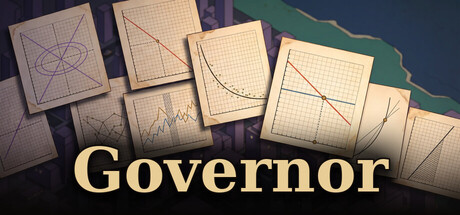 Governor In-game content arttext | Some of the pre-rendered 2D art shipped with the game (era intermission illustrations, panel icons, campaign cover images and the Economic Association hall with economist portraits) was produced with generative image tools (fal.ai, Krea) from prompts authored by the developer, then post-processed by hand and by scripts in tools/. No generative AI is used at runtime. The game's simulation code, UI, isometric city renderer, world map (built from Natural Earth data) and all text, including the three interface languages, are authored by the developer. | Daniling | - | Aug 14, 2026 | |
 CQ: Calling Any Station In-game content text | This game uses generative AI for some of its text content — achievement names and descriptions, story fragments, and flavor text were generated with AI assistance during development, along with parts of this store page. The game's art and sound are not AI-generated: every visual is procedural code (vector shapes, no images or bitmaps), and every sound is synthesized in real time — nothing recorded, nothing AI-generated. | Arkkis | - | Aug 13, 2026 | |
 Delete: E.A.D Core In-game content artaudiotext | Generative AI tools were used during development to assist in creating and refining certain pre-generated visual, audio, localization, and promotional materials. All AI-assisted content was reviewed, edited, and curated by the development team before being included in the game or its marketing materials. The game does not generate AI content in real time during gameplay. | ShaperonWorks | - | Aug 11, 2026 | |
 SkyFab In-game content artcode | "AI tools (LLMs and image generators) were used to assist in writing/optimizing C# scripts and generating minor 2D visual assets (e.g., UI or achievement icons). All AI-assisted content was strictly reviewed, modified, and integrated manually by the developer." | Oltimo Games | - | Aug 11, 2026 | |
 Magnet to Planet Dev only art | AI was used only during early development for temporary placeholder assets. These materials are not intended to be included in the final shipped game.
The game does not use live-generated AI content during gameplay. | Magnet to Planet | - | Aug 10, 2026 | |
 Fish Lab In-game content textaudio | No AI-generated images and I made all the music by hand. Some text may be translated with AI. | stonecodes | - | Aug 10, 2026 | |
 YOU ARE NEWTON In-game content arttext | Generative AI was used to assist in creating some promotional artwork and localization text. All AI-assisted content was reviewed and edited by the developer. The game does not generate AI content during gameplay and does not connect to external AI services. | YOU ARE NEWTON | - | Aug 8, 2026 | |
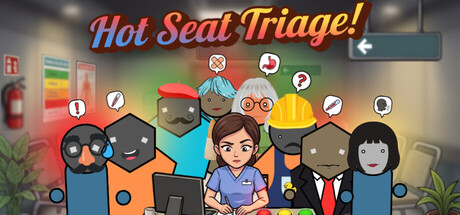 Hot Seat Triage In-game content arttextcode | Hot Seat Triage uses AI tools during development only; the game contains no live AI generation at runtime.
Code: The game's code was written with the assistance of Claude (Anthropic). All AI-assisted code was directed, reviewed and tested by the developer.
Art: The in-game background image was initially generated with Nano Banana 2, then manually edited and finalized by the developer. All other art and UI assets are human-made.
Text: Clinical case scenarios were drafted with AI assistance and then reviewed, corrected and medically approved by the developer, an emergency medicine physician.
Audio: The theme music and some sound effects were created by the developer using Suno.
All AI-assisted content was human-reviewed before inclusion. | System Two Games | - | Aug 7, 2026 | |
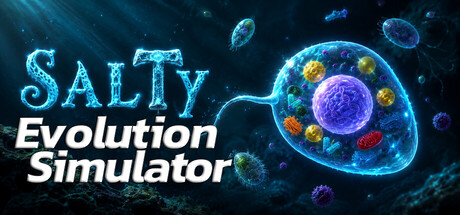 Salty In-game content art | Some artwork used in Salty was created with the assistance of generative AI tools, including store page capsule art, marketing images, and certain in-game visual assets. All game design, code, systems, and gameplay are authored by the developer. No AI content is generated during gameplay. | Garrack Gaming Studios | - | Aug 6, 2026 | |
 Substance Lab In-game content audio | This game uses generative AI for some background and minigame music tracks. Artwork, UI, gameplay systems, and written content were created without generative AI. No AI content is generated during gameplay. | PhaseOutLimit | - | Aug 2, 2026 | |
 Escape from Prompt: Rogue AI Dev only code | During development of this game, generative AI was used to assist with writing portions of the source code. All AI-generated code was reviewed, modified, tested, and approved by the developer before being incorporated into the game. The game's design, functionality, and overall quality are the result of developer oversight and implementation. | MGM LLC | - | Jul 31, 2026 | |
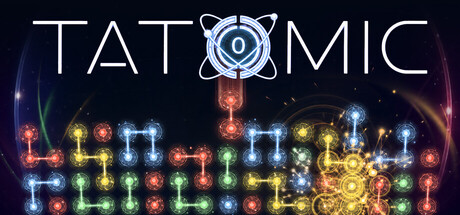 Tatomic In-game content art | Tatomic was originally created in 2008 for the first-generation iPhone, with artwork designed for its 480 × 320 display.
Generative AI was used only to upscale and recreate the original artwork at higher resolutions while preserving the game’s original visual style. No generative AI was used to create the game’s design, gameplay, sound effects, music, or original art direction. | nitzan.games LLC | - | Jul 30, 2026 | |
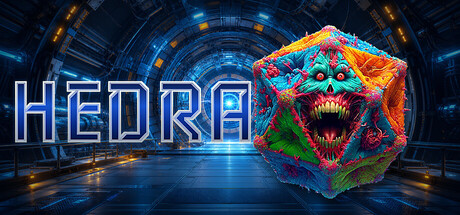 Hedra In-game content artcode | Hedra began as a physical board game designed and refined by one human developer over ten years. Nearly all of the tabletop game was created without generative AI; AI had a limited role in balance analysis. For the digital edition, AI tools played a substantial role in programming and technical development, including the original web app and its conversion into a desktop game. Most of Hedra's visual artwork was created with generative AI tools, then selected, reviewed, and integrated by the developer. The game contains pre-generated AI-assisted content. It does not generate artwork, text, audio, or other content while you play. | Hedra Games | - | Jul 29, 2026 | |
 ブラック研究室からの脱出 In-game content artaudiotext | This game uses content created or assisted by generative AI. Generative AI was used to help create and edit some visual assets, music/sound materials, and scripts. All final content was reviewed, selected, and adjusted by the developer before being included in the game. | P.E.G | - | Jul 25, 2026 | |
 Billionth Soul In-game content artaudio | Some pre-rendered assets in this game and on its store page, including artwork, music, and sound effects, were created with the assistance of generative AI tools. All AI-assisted content was directed, reviewed, and edited by the developer. No content is generated by AI during gameplay. | Gnomesoft | - | Jul 24, 2026 | |
 A PhD Simulator - Publish & Perish In-game content artcode | The game used AI to generate artwork and code. We are biologists and we do research for living this is to show to others what its like. | Jiri Koubek | - | Jul 22, 2026 | |
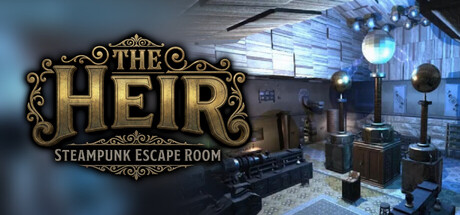 The Heir: Steampunk Escape Room In-game content artaudio | Generative AI tools were used to create some 2D images and audio content. All generated content has been manually reviewed and edited. | Host Games | - | Jul 18, 2026 | |
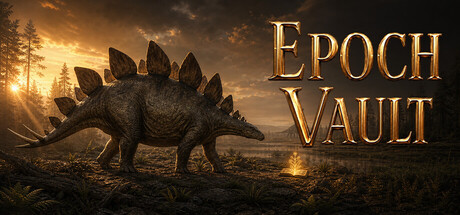 Epoch Vault In-game content artaudiotext | Generative AI tools were used during development to create and manually refine some illustrations, store page artwork, and music tracks, as well as to assist with text preparation and localization. The game does not generate any AI content in real time. | Epoch Vault Studio | - | Jul 18, 2026 | |
 Topological Board Game In-game content codetext | Topological Board Game used generative AI tools during development to assist with programming, documentation, store-page text, localization drafts, and design iteration. All AI-assisted material is reviewed and edited by the developer before being included in the game or store page.
The game does not use generative AI to create live player-facing content during gameplay. It does not connect to external third-party AI services during normal gameplay. Local robot opponents, rule-based analysis, search, simulation, and self-play/research tools may be included, but these are gameplay/strategy systems rather than live generative AI content systems. | You-Xun Zhang | - | Jul 18, 2026 | |
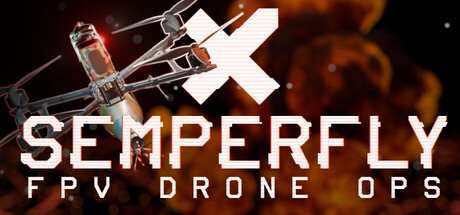 semperfly - fpv drone simulator In-game content text | This game makes use of AI for localization of the following languages: Ukrainian, Spanish, Japanese, Korean, Polish, Portugese (Brasil), Russian, Simplified Chinese, Traditional Chinese, Turkish, Hindi. We're working with native translators, so expect this list to become shorter with time. | Nordfen | - | Jul 18, 2026 | |
 Space Planet Explorer In-game content artaudiotext | Space Planet Explorer uses generative AI to create assets that ship with the game, including planet surface textures, cinematic sequences, voice narration, and music. All of this content was generated during development — no AI content is generated live during gameplay. Planet visuals are AI-generated interpretations based on real scientific data, not actual NASA photography. | ioStudios | - | Jul 15, 2026 | |
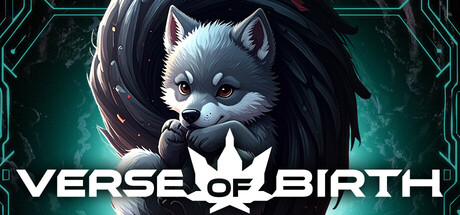 Verse of Birth Live AI arttext | This game uses generative AI during gameplay to create an original in-game character called a "Logos" for use by that player. Based on text entered or selected by the player, the AI generates a 2D illustration of the Logos in real time, along with its name, flavor text, and similar content. The generated Logos can be added to your deck and used to progress through the game.
The game also includes pre-generated AI content: enemy and event illustrations were created with Adobe Firefly during development. Generation is performed using cloud-based external AI services (Adobe Firefly for image generation, OpenAI for text generation).
The words entered by the player, generation conditions, and the data of the generated Logos are sent to and stored on our server. These records are used to provide the generation feature, review reported results, and investigate errors. A generated Logos is visible only to the player who created it and is not shared with other players.
Some information required for generation is sent from our server to external AI services. Data sent from our server to these services is not used to train or improve their models. Please do not enter any personal information, such as your name or contact details, or any confidential information you would not want third parties to know. | dentsu Game Center | - | Jul 15, 2026 | |
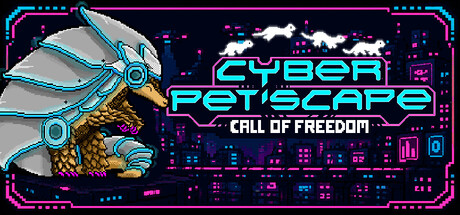 Cyber Pet'Scape : Call of Freedom In-game content text | As a small development studio, we had to use AI to generate translations for the game and the Steam page in order to make the game accessible to the widest possible audience.
The graphic and audio assets were created either by us or by the team at Craftpix.net (who, it seems, do not use AI). | Pixo Philo | - | Jul 11, 2026 | |
 Alembic In-game content audio | Generative AI was used in the creation of reaction sound effects (burning, explosions, electricity etc.) only.
All music and imagery is human-made and attributed. | Equious | - | Jul 9, 2026 | |
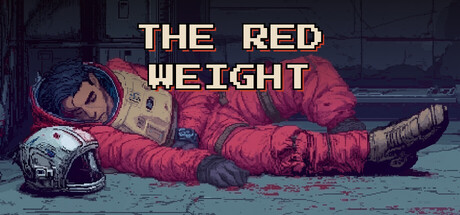 The Red Weight In-game content arttextaudio | This game makes use of generative AI as part of the creative pipeline across art, text, sound, and voice. None of it is dumped in raw — every asset is curated, edited, and reworked by hand, and every line of dialogue is agonized over until it earns its place. AI is a tool here, not the author; the taste, the pacing, and the final call on what stays are all made by people. The codebase, in the interest of full honesty, is held together with AI-assisted spaghetti and sheer willpower — but it works, and every line is reviewed before shipping. | Alsakin Games | - | Jul 9, 2026 | |
 Sunward In-game content art | Some art assets were created with the help of generative AI. | Voidworks Games | - | Jul 8, 2026 | |
 Hybrid Gene In-game content art | The game was vibe coded. Many of the current assets were generated by various GenAI models, some of which will be staying but some of which are just placeholders for the time being. Much manual work still goes into making everything look good and come together even when using GenAI. | Arc Solaire | - | Jul 3, 2026 | |
 Terminal Closure In-game content art | Some of the background images were generated using AI and subsequently improved by the developers. | Darmac Game | - | Jul 2, 2026 | |
 The Singularity In-game content art | This game contains some AI-generated backgrounds and icons.
Apart from that, all card art, characters, and 3D models are hand-crafted. | CompileError | - | Jul 2, 2026 | |
 The Last One Bullet In-game content art | Some PNG assets were created with the assistance of AI. | Taha Demir | - | Jun 30, 2026 |


