Public Steam disclosure research27,221 disclosures tracked
Where do games disclose AI use?
Search developers’ Steam disclosures, compare classified AI use across
games, and follow recorded changes.
This index adds cross-game classifications and statistics to
statements published on individual store pages.
Groups reflect automatic analysis of public disclosures; mature records are excluded. These counts do not measure AI use across all of Steam.
Missing or unclear statements cannot establish whether a game uses AI.
Generative AI formed part of the production workflow for Run Man: Wash the Dish, contributing to code, visual assets, written content, localization, and promotional materials. These contributions were incorporated through developer selection, revision, and integration, with creative direction and final implementation determined by the developer.
Store descriptions, in-game text (the hive's log) and their translations are drafted with an AI assistant and reviewed and edited by the developer.
No AI-generated images, audio or 3D assets: all visuals are captured from the game, built on licensed third-party assets.
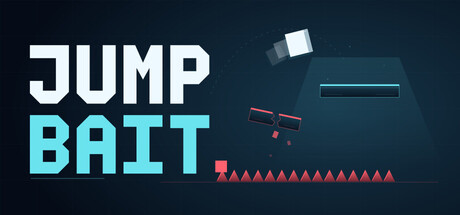
Jump Bait was created using generative AI, including its code, visual assets, music, and written content. AI-generated content was created during development. The game does not generate AI content or connect to third-party AI services during gameplay.
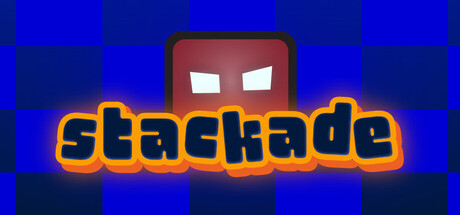
Most of Stackade's code was written with generative AI coding tools, working to the developer's direction. Everything you see on the board is drawn by that code; the game contains no AI-generated images. The ten translations besides English were produced with AI. Parts of this store page, its marketing images and its trailer were also made with AI assistance. The sound effects and music are recordings made by people and are credited in the game. Nothing is generated by AI while you play, and the game never connects to an AI service.
Some of the text in this game was created with the help of generative AI tools.
- In-game text: Korean dialogue, stage narration and help text were drafted with an AI assistant, then rewritten and reviewed by the developer.
- Localization: the English text was produced with AI assistance and reviewed by the developer.
All artwork and UI icons are hand-authored by the developer, the sound effects are synthesized procedurally in code, and the background music is a licensed stock track. No AI runs during gameplay — all content is fixed at build time.
- Store page: the store description text was drafted with AI assistance and edited by the developer.
Generative AI was used during development to assist in the creation of some pre-generated visual and audio assets, as well as portions of promotional and store-page materials. All AI-assisted content is generated and reviewed during development and included as fixed content. No generative AI content is created during gameplay.
About Generative AI Content
We want to be transparent with our players about how AI was used during the development of this game:
Visual Art: Certain visual assets and background elements in this game were created with the assistance of generative AI tools, then reviewed and integrated by our team.
Code & Development: We utilized AI-powered coding assistant and large language models to help prototype, write, and optimize parts of the game's code to speed up development efficiency.
All AI-generated outputs shipped to players have been curated to ensure they meet our quality standards for your experience.
Generative AI tools were used throughout development to create all of the game's visual art assets and program code, as well as localization and promotional materials. All outputs were directed, reviewed, edited, tested, and integrated under the developer's supervision. The game does not generate AI content during gameplay or connect to external AI services.
Generative AI tools assisted with some pre-generated artwork, localization, and written copy during development. All included outputs were selected, reviewed, and edited by the developer before shipping. The game does not generate AI content during gameplay and does not connect to external AI services.
The artwork in this game was pre generated with AI tools, then cut, curated, corrected and animated by the developer before it shipped. This covers the character art, the city backdrops, the item and badge icons, and the store capsules. All code, level design, music and written text are the developer's own. No third party artwork was used as a source.
Suno (commercial rights) was used to generate the game's music and the hobo's spoken lines, then hand-selected and edited to match the tone of the game. The translated dialogues were produced with the assistance of a language model.
The game's design and direction are entirely my own. All visuals are generated procedurally by the game's own code.
Some of the 2D art and textures in this game were created with the help of generative AI tools. Generative AI was also used to assist with writing and translating parts of the in-game text. All AI-assisted content was reviewed and edited by the developer before release. No content is generated by AI while you play.
The developer used generative AI tools during the development process to assist with concept art and text translations. All final assets were reviewed and curated by the developer.
Generative AI was used to create initial drafts for some in-game localization text. All AI-assisted content is pre-generated; the game does not generate AI content during play or connect to external AI services.
This game uses AI-assisted translation for the Steam store page and some in-game UI text. As a solo indie developer with limited resources, AI translation helps make the game accessible to more players and support a wider range of languages.
Generative AI was used to assist with the processing and enhancement of some images for atmospheric purposes. These images were then manually retouched and further edited by the developer before being used in the game.
Artwork used on the Steam store page was created with the assistance of generative AI and was subsequently manually edited, refined, and improved. AI tools were also used to assist with the localization of the Steam store page.
Generative AI was used in a limited, supporting role during development:
• Portions of this store page description were drafted with the help of AI text tools and then reviewed and edited by the developer.
• A small number of icons (used on the store page) were created with the assistance of AI image generation tools and refined by the developer.
The game itself does not use generative AI at runtime.
We use generative AI across all disciplines of game development with heavy amounts of human editing. That involves audio and visual art. We use it as a productivity tool so we can achieve a higher level of quality, faster, than we would have been able to.
Some store-page text and marketing images (capsules, screenshots, and similar key art) were drafted or generated with generative AI, then selected and edited by the developer.
The game itself is a hand-authored Unreal Engine title. Combat, physics, and play are not generated by AI while you play. There is no live generative AI in the build.
If later updates include AI-assisted in-game art or audio, this notice will be updated.
Marble Mill's text was written with generative AI assistance — the in-game strings, the achievement and perk descriptions, and this store page.
Nothing else is AI-generated. The mill is drawn by the game's own renderer rather than from image files: the build contains no art assets beyond the window icon, which a script in the project generates. Every chime is synthesised in code as it plays, so the game ships no audio files at all. And nothing is generated while you play — there is no AI model in the game and no calls out to one.
Generative AI was used to create some of the graphical assets used on the Steam Store page and promotional materials. The game itself does not use generative AI during gameplay.
The illustrations, the sound effects and the music in this game were created with the help of generative AI tools, then selected, edited, arranged and mixed by hand. Every cat and every bonus object was placed by hand. There is no live AI generation while the game is running: everything ships with the build and is identical for every player.
Generative AI tools were used as an assistive tool to draft and localize portions of the game's text and Steam store marketing copy. All outputs were reviewed, edited, and approved by the developer before inclusion. The game does not generate AI content while running.
The developer used AI assistance while drafting marketing copy for this game. All copy was directed, revised, and finalized by the developer. All in-game art, audio, and design are human-made.
Some 3D model creatures generated from my own hand-drawn concept art via Meshy; all 2D art sources, game design, and voice work is human-made, with voice acting by Manicvelocity and The Altoholic.
Generative AI was used during development to create in-game 2D visual assets, as well as 2D upgrade icons and sound effects. Generative AI was also used for certain promotional voice-over audio. All generated outputs were reviewed, selected, edited, and integrated by the developer. The game does not use live generative AI or generate content at runtime. Every asset was created under the developer’s creative direction to reflect the developer’s own ideas and artistic vision.
Scuttled was created by a solo developer working with an AI assistant. AI was used under the developer's direction to help write the game's code, its in-game text and story logs, the procedurally drawn artwork and music, and the store page materials, including the key art and trailer. All of it was reviewed, revised, and approved by the developer. The game does not use AI at runtime: nothing is generated while you play, and everything you see and hear ships with the game exactly as authored.
Generative AI was used to produce the English voice-over for the in-game AI character. This was an intentional creative choice because the character itself is an artificial intelligence. AI also assisted with localization; however, responsibility for the final content rests with a human.
Coin Cleaner is made by a solo developer with the help of AI tools. Generative AI was used during development to assist in creating some of the game's content - including artwork, music, sound effects, and code - all of which was directed, curated, and reviewed by the developer, and used with appropriate commercial licensing. All AI-assisted content is created ahead of time (pre-generated). The game does not use AI to generate any content or code during gameplay, and does not connect to any external AI service while you play.
Pre-generated generative AI was used during development for selected static artwork and portions of player-facing writing and localization. All such content is fixed in the shipped build and was reviewed and edited during development. The game does not contact an AI service or generate content during play.
AI was used to assist with localization and some written text. All art, animation, music, sound effects, and level design were created entirely by me. All AI-assisted content was reviewed and edited by me, and several translations were additionally checked by native speakers.
The game does not generate AI content during gameplay and does not connect to any external AI services.
Some image assets (such as the apparitions and the hanging scroll artwork) and some audio assets (music and sound effects) in this game were created using generative AI. All generated material was selected and edited by the developer before use, and only models licensed for commercial use were used.
No generative AI runs while you play. Everything shipped in the game is pre-generated and fixed, and the game never sends your input to an AI service.
Generative AI was used to create the capsule artwork displayed on the Steam store page. No AI-generated content is used during gameplay, and the game does not use live-generated AI.
AI tools were used during development to assist with the creation and editing of some visual assets, including characters, UI icons, and background elements. Some assets created or edited with the assistance of AI tools are included in the game.
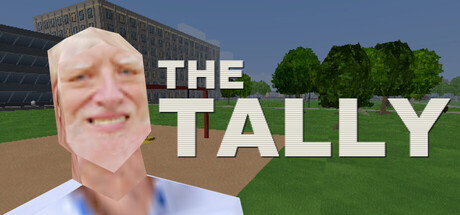
The Tally was made by a solo developer working closely with an AI assistant. The game's code and written content were created with the help of AI under the developer's direction and review. All 3D models and music are the work of human artists, credited in-game. Textures are produced by procedural scripts, not image-generation models. Nothing is generated by AI while you play.
Generative AI tools were used during development to create visual assets and assist with game localization. All AI-generated or AI-assisted content was created before release. The game does not generate any content in real time during gameplay.