Public Steam disclosure research25,376 disclosures tracked
Where do games disclose AI use?
Search developers’ Steam disclosures, compare classified AI use across
games, and follow recorded changes.
This index adds cross-game classifications and statistics to
statements published on individual store pages.
Groups reflect automatic analysis of public disclosures; mature records are excluded. These counts do not measure AI use across all of Steam.
Missing or unclear statements cannot establish whether a game uses AI.
During development, we used generative AI tools to create some of the content included in the game, such as images, text, and audio.
During gameplay, generative AI may create audio content in response to race events. We have implemented safeguards to prevent or reduce the generation of illegal or inappropriate content.
Generative AI was used as a tool during production. AI assisted with portions of the game's script writing, some of the original music (vocal music only), voice production, and some images used in the game and store materials. All AI-generated content was reviewed, edited, integrated, and approved by the developer before inclusion in the final product.
Kana Cross uses generative AI in the following ways, all reviewed by a person before release:
• Music: the game's background music was created using generative AI music tools.
• Localization: some of the Visual Novel and game's dictionary word meanings and translations.
Generative AI tools were used during development to assist in creating some of the content included in this game. This content is prepared in advance. The game does not generate AI content during gameplay or connect to external AI services.
Skate N Chill uses pre-generated AI artwork and instrumental music created with Suno. AI-generated artwork is also used in store and promotional materials. These assets are prepared before release; no AI content is generated during gameplay.
Generative AI tools were used during development to assist with the game's code, the logo and store artwork, the in-game tournament posters, the synthesized sound effects, the store texts and the trailer edit. All content was reviewed and directed by the developer. No AI-generated content is created at runtime.
Generative AI was used to create promotional artwork and to assist with store-page text and in-game localization. The game does not generate AI content during gameplay or connect to an external AI service.
Some character portraits, club scene illustrations, and store artwork were created with generative AI and selected or edited for Matchday. The game does not generate content during play.
Generative AI was used to assist in creating one or two background 3D assets during the development process. All other 3D models, visual effects, and environmental assets were custom-made or sourced entirely from standard digital asset marketplaces like Fab.
Generative AI tools were used during development to create part of what you see and hear: the portraits of the fictional players and their faces at different ages, background illustrations, the short ambient videos, the music, the commentator's recorded calls and the surnames he calls out —a synthetic voice that does not belong to any real person— and part of the art on this page. Everything was reviewed, trimmed and edited by hand before going in, and every commentator line was checked with speech recognition to make sure it says what it should. The sound effects are real public-domain recordings. The game does not generate anything with AI while you play.
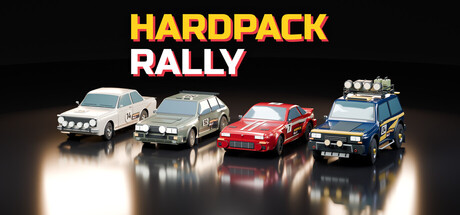
Hardpack Rally is made by solo developer Andre Gomes with assistance from AI tools, including Claude, ChatGPT and Codex. These tools help write game code and scripts that create the cars and scenery. No AI generates content while you play.
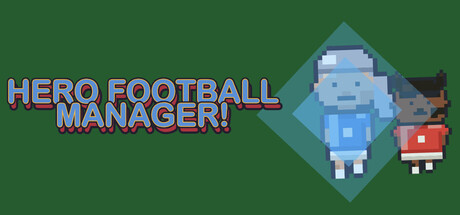
Hero Football Manager was made by one developer working with AI tools. AI helped write the game's code, including the code that draws the pixel art and synthesizes many of the sounds and music tracks. AI also helped write and translate the in-game text and this store page. The developer directed, reviewed and tested all of it. The game does not use AI while you play.
AI writing assistants were used to draft and refine in-game text during development; all text has been manually proofread, edited, and verified by the developers.
Generative AI tools were used during development to assist with programming and some written/game content. All generated material was reviewed and integrated by the developer. The game does not generate AI content during gameplay.
This game uses generative AI in parts of its content: the Spanish and Italian translations were produced with AI assistance and are pending a professional human review pass; the game's icon was also created with the help of generative AI tools during development. No content is generated in real time during gameplay — everything was produced during development.
Rally Dynasty's illustrations were produced with generative AI image tools and then chosen, cropped and composited by hand. That covers the key art the game's branding is built on, and the side-elevation drawing of each car in the catalogue. Nothing is generated while you play: the game runs offline, connects to no AI service, and the simulation itself - the era rules, the results, and every line of text you read - is written by hand.
Some of the game's 3D models, some of its music tracks and parts of the user interface were created with the help of generative AI tools, then selected, edited and integrated by our team. Some of the artwork on this store page (capsule and promotional images) was also created with the help of generative AI and edited by our team. AI coding assistants were also used during programming, with all code reviewed and directed by our team. Everything else (game design, level design and the remaining art, music and sound effects) was made by the Domp Studio team. No AI is used to generate content while you play.
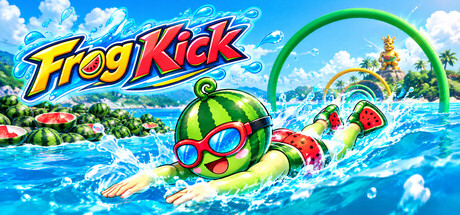
Some of the pixel art in this game started from initial references (the first version you can find in newgrounds, was not pixel art) or silhouettes created with generative AI tools. This only is done to: Islands + main menu frog and clouds.
Those references were then redrawn and refined by hand, pixel by pixel, into the final art you see in the game.
Everything else is handcrafted, including the tiles & obstacles, which were painful to make them connect :(
No other player-facing content uses generative AI, and the game does not generate any content with AI while you play.
This game uses generative artificial intelligence to assist in the creation of its original soundtrack.
All tracks were composed with AI support, resulting in a music selection inspired by J-Rock, K-Pop, electronic music, and classic football games from the 90s/2000s. The goal was to deliver an energetic, nostalgic, and vibrant atmosphere that perfectly matches the 2.5D pixel art aesthetic of Free Kick.
Artificial intelligence was used exclusively as a production tool during development. The soundtrack is not generated in real time and does not dynamically adapt to match conditions — all tracks are fixed, curated, and manually integrated to ensure quality and consistency throughout the experience.
Generative AI is being used during development solely to create character head portraits. It enabled us to create thousands of portrait variations across three age stages, helping the large cast of characters feel more varied, immersive and realistic while allowing characters to visibly age during long careers.
Every portrait is created in advance and checked by the Playsport art team before being included in the game. Nothing is generated while the game is running. No other artwork in the game, including vehicles, decals, logos or clothing uses generative AI. AI-generated portraits can be disabled in the preferences menu.
I'm a solo developer with a full-time job and a dad with two wonderful little kids. Full Count Club is a game I've wanted to make for a long time. AI tools are how I fit it into the time I have: they helped create the illustrated art, some sound effects, and some in-game writing such as newspaper headlines. I direct, select and edit all of it. The game does not generate any AI content while you play.
Generative AI was used to create various visual assets, character and environment designs, UI elements, promotional materials, and written content. Music was not generated using AI.
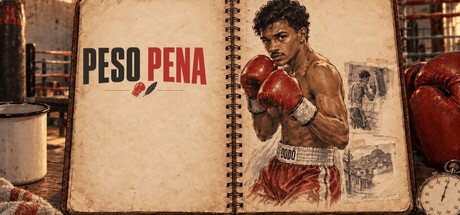
Peso Pena uses generative AI tools during production, under the direction and review of our team. AI was used to create pre-rendered visual assets, including character illustrations, sprites and animation frames, backgrounds, store artwork and trailer/cutscene footage, all of which were curated, edited and approved by our artists. Some in-game and store texts were drafted or translated with AI assistance and then reviewed by the team. The game does not generate any content at runtime: every image, animation, text and sound that players see is fixed and was reviewed before release.
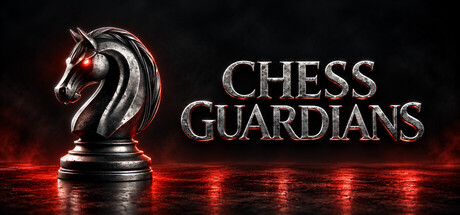
Powered by some of the most advanced chess engines ever created. It also uses two neural networks to recognize chess positions directly from game diagrams, turning images into playable positions in seconds.
Generative AI tools were used during development to help create content in this game. This includes artwork (such as player portraits and promotional art) and the game's music soundtrack, which was generated with AI music tools under a commercial licence. The store page trailer includes gameplay stills that were animated using an AI video tool. All AI-assisted content was selected, reviewed and edited by the developer. The game does not generate any AI content while you play.
- Localization (translation) of in-game text from the original Japanese into [English, Chinese, etc.]The original Japanese text was written by the developer without AI. All AI-generated translations were reviewed and adjusted by the developer before being included in the game. If you find any translation issues, please let us know via the Steam discussions.
Some of the art, music and text in this game were created with the help of generative AI tools, then selected and edited by the developer. Nothing is generated while you play.
Generative AI was used during development to create and refine pre-generated visual assets for Legends of the Pitch, including character illustrations, environment artwork, card and interface imagery, and promotional artwork for the Steam store. Screenshots and trailers may display these assets. The developer selected, edited and integrated the final content. No AI content is generated during gameplay, and the game does not connect to any external AI service while playing.
We use generative AI for player-facing content: in-game art (sprites, UI, backgrounds) and marketing (Steam capsules, store images). Some store-page translations may also be AI-assisted. We select, review, and place everything ourselves — nothing is generated while the game is running. Gameplay, timing, and controls are designed by us. AI coding tools are used internally only and do not create runtime game content.
We used AI as a “support tool” in the creation of in-store visuals and certain in-game UI elements. We use AI solely as a support tool. We never leave the entire process to AI for any task.
During development, we used generative AI tools to create some of the content included in the game, such as images, text, and audio.
During gameplay, generative AI may create audio content in response to race events. We have implemented safeguards to prevent or reduce the generation of illegal or inappropriate content.
Generative AI was used as a tool during production. AI assisted with portions of the game's script writing, some of the original music (vocal music only), voice production, and some images used in the game and store materials. All AI-generated content was reviewed, edited, integrated, and approved by the developer before inclusion in the final product.
Kana Cross uses generative AI in the following ways, all reviewed by a person before release:
• Music: the game's background music was created using generative AI music tools.
• Localization: some of the Visual Novel and game's dictionary word meanings and translations.
Generative AI tools were used during development to assist in creating some of the content included in this game. This content is prepared in advance. The game does not generate AI content during gameplay or connect to external AI services.
Skate N Chill uses pre-generated AI artwork and instrumental music created with Suno. AI-generated artwork is also used in store and promotional materials. These assets are prepared before release; no AI content is generated during gameplay.
Generative AI tools were used during development to assist with the game's code, the logo and store artwork, the in-game tournament posters, the synthesized sound effects, the store texts and the trailer edit. All content was reviewed and directed by the developer. No AI-generated content is created at runtime.
Generative AI was used to create promotional artwork and to assist with store-page text and in-game localization. The game does not generate AI content during gameplay or connect to an external AI service.
Some character portraits, club scene illustrations, and store artwork were created with generative AI and selected or edited for Matchday. The game does not generate content during play.
Generative AI was used to assist in creating one or two background 3D assets during the development process. All other 3D models, visual effects, and environmental assets were custom-made or sourced entirely from standard digital asset marketplaces like Fab.
Generative AI tools were used during development to create part of what you see and hear: the portraits of the fictional players and their faces at different ages, background illustrations, the short ambient videos, the music, the commentator's recorded calls and the surnames he calls out —a synthetic voice that does not belong to any real person— and part of the art on this page. Everything was reviewed, trimmed and edited by hand before going in, and every commentator line was checked with speech recognition to make sure it says what it should. The sound effects are real public-domain recordings. The game does not generate anything with AI while you play.
Hardpack Rally is made by solo developer Andre Gomes with assistance from AI tools, including Claude, ChatGPT and Codex. These tools help write game code and scripts that create the cars and scenery. No AI generates content while you play.
Hero Football Manager was made by one developer working with AI tools. AI helped write the game's code, including the code that draws the pixel art and synthesizes many of the sounds and music tracks. AI also helped write and translate the in-game text and this store page. The developer directed, reviewed and tested all of it. The game does not use AI while you play.
AI writing assistants were used to draft and refine in-game text during development; all text has been manually proofread, edited, and verified by the developers.
Generative AI tools were used during development to assist with programming and some written/game content. All generated material was reviewed and integrated by the developer. The game does not generate AI content during gameplay.
This game uses generative AI in parts of its content: the Spanish and Italian translations were produced with AI assistance and are pending a professional human review pass; the game's icon was also created with the help of generative AI tools during development. No content is generated in real time during gameplay — everything was produced during development.
Rally Dynasty's illustrations were produced with generative AI image tools and then chosen, cropped and composited by hand. That covers the key art the game's branding is built on, and the side-elevation drawing of each car in the catalogue. Nothing is generated while you play: the game runs offline, connects to no AI service, and the simulation itself - the era rules, the results, and every line of text you read - is written by hand.
Some of the game's 3D models, some of its music tracks and parts of the user interface were created with the help of generative AI tools, then selected, edited and integrated by our team. Some of the artwork on this store page (capsule and promotional images) was also created with the help of generative AI and edited by our team. AI coding assistants were also used during programming, with all code reviewed and directed by our team. Everything else (game design, level design and the remaining art, music and sound effects) was made by the Domp Studio team. No AI is used to generate content while you play.
Some of the pixel art in this game started from initial references (the first version you can find in newgrounds, was not pixel art) or silhouettes created with generative AI tools. This only is done to: Islands + main menu frog and clouds.
Those references were then redrawn and refined by hand, pixel by pixel, into the final art you see in the game.
Everything else is handcrafted, including the tiles & obstacles, which were painful to make them connect :(
No other player-facing content uses generative AI, and the game does not generate any content with AI while you play.
This game uses generative artificial intelligence to assist in the creation of its original soundtrack.
All tracks were composed with AI support, resulting in a music selection inspired by J-Rock, K-Pop, electronic music, and classic football games from the 90s/2000s. The goal was to deliver an energetic, nostalgic, and vibrant atmosphere that perfectly matches the 2.5D pixel art aesthetic of Free Kick.
Artificial intelligence was used exclusively as a production tool during development. The soundtrack is not generated in real time and does not dynamically adapt to match conditions — all tracks are fixed, curated, and manually integrated to ensure quality and consistency throughout the experience.
Generative AI is being used during development solely to create character head portraits. It enabled us to create thousands of portrait variations across three age stages, helping the large cast of characters feel more varied, immersive and realistic while allowing characters to visibly age during long careers.
Every portrait is created in advance and checked by the Playsport art team before being included in the game. Nothing is generated while the game is running. No other artwork in the game, including vehicles, decals, logos or clothing uses generative AI. AI-generated portraits can be disabled in the preferences menu.
I'm a solo developer with a full-time job and a dad with two wonderful little kids. Full Count Club is a game I've wanted to make for a long time. AI tools are how I fit it into the time I have: they helped create the illustrated art, some sound effects, and some in-game writing such as newspaper headlines. I direct, select and edit all of it. The game does not generate any AI content while you play.
Generative AI was used to create various visual assets, character and environment designs, UI elements, promotional materials, and written content. Music was not generated using AI.
Peso Pena uses generative AI tools during production, under the direction and review of our team. AI was used to create pre-rendered visual assets, including character illustrations, sprites and animation frames, backgrounds, store artwork and trailer/cutscene footage, all of which were curated, edited and approved by our artists. Some in-game and store texts were drafted or translated with AI assistance and then reviewed by the team. The game does not generate any content at runtime: every image, animation, text and sound that players see is fixed and was reviewed before release.
Powered by some of the most advanced chess engines ever created. It also uses two neural networks to recognize chess positions directly from game diagrams, turning images into playable positions in seconds.
Generative AI tools were used during development to help create content in this game. This includes artwork (such as player portraits and promotional art) and the game's music soundtrack, which was generated with AI music tools under a commercial licence. The store page trailer includes gameplay stills that were animated using an AI video tool. All AI-assisted content was selected, reviewed and edited by the developer. The game does not generate any AI content while you play.
- Localization (translation) of in-game text from the original Japanese into [English, Chinese, etc.]The original Japanese text was written by the developer without AI. All AI-generated translations were reviewed and adjusted by the developer before being included in the game. If you find any translation issues, please let us know via the Steam discussions.
Some of the art, music and text in this game were created with the help of generative AI tools, then selected and edited by the developer. Nothing is generated while you play.
Generative AI was used during development to create and refine pre-generated visual assets for Legends of the Pitch, including character illustrations, environment artwork, card and interface imagery, and promotional artwork for the Steam store. Screenshots and trailers may display these assets. The developer selected, edited and integrated the final content. No AI content is generated during gameplay, and the game does not connect to any external AI service while playing.
We use generative AI for player-facing content: in-game art (sprites, UI, backgrounds) and marketing (Steam capsules, store images). Some store-page translations may also be AI-assisted. We select, review, and place everything ourselves — nothing is generated while the game is running. Gameplay, timing, and controls are designed by us. AI coding tools are used internally only and do not create runtime game content.
We used AI as a “support tool” in the creation of in-store visuals and certain in-game UI elements. We use AI solely as a support tool. We never leave the entire process to AI for any task.