Public Steam disclosure research25,376 disclosures tracked
Where do games disclose AI use?
Search developers’ Steam disclosures, compare classified AI use across
games, and follow recorded changes.
This index adds cross-game classifications and statistics to
statements published on individual store pages.
Groups reflect automatic analysis of public disclosures; mature records are excluded. These counts do not measure AI use across all of Steam.
Missing or unclear statements cannot establish whether a game uses AI.
Pre-generated AI-assisted illustrations are used in some in-game artwork and in Steam store and library artwork, including capsule images, the logo, and achievement icons. Gameplay screenshots were captured directly from the game. The game does not generate AI content during play.
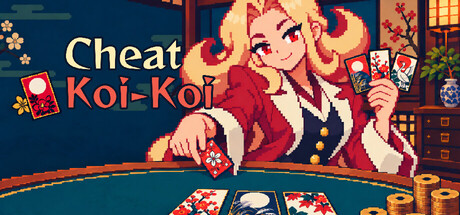
Card, character, background, UI and store art, as well as some in-game text and translations, were made with the help of generative AI. The game does not generate any content with AI while it runs.
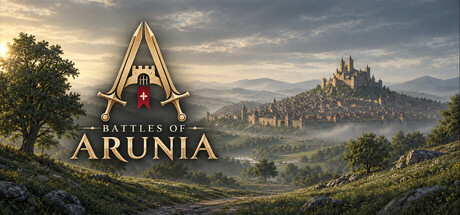
Battles of Arunia uses AI-generated artwork created during development, including card illustrations, character portraits, backgrounds and interface artwork. We plan to replace some placeholder artwork during Early Access, including through voluntary community contributions used with permission. The game does not generate AI content during gameplay.
Generative AI tools were used during production to create character artwork, portraits, and some of the game's illustrations and visual assets. AI tools also assisted with the story, dialogue, and store-page copy, including its English version. These are pre-generated materials; the game does not use generative AI to create new content during gameplay.
AI tools were used during development to assist in creating and iterating on some pre-generated assets. These assets were subsequently selected, edited, integrated, and reviewed by the developers before inclusion in the game. The game does not generate AI content during gameplay.
Generative AI was used as part of the process of creating some sprites and visual assets, which were then edited and adapted by the team to keep them consistent with the game's final art style.
AI was used as a support tool during development (code assistance and initial image generation). All artwork was individually reworked by hand, and no content is generated live during gameplay.
This game uses generative AI to help create pre-rendered store artwork, chapter illustrations, background music, and the official trailer. Game logic was drafted with AI assistance and reviewed by the developer.
All level design, gameplay mechanics, and in-game text are hand-authored. No copyrighted third-party material was used in any AI output.
Some game assets were created using AI generative tools. AI-generated visual assets were subsequently painted over, edited, and composited manually by the developer in Photoshop/Photopea. AI was also used to assist with localized text translations.
Some of the game's artwork was created with the help of AI image tools, and was then chosen, edited and placed by the developer. AI tools were also used to help translate the game's text into French, German, Spanish, Portuguese and Chinese. Nothing is generated while you play.
Generative AI was used during development to create some promotional artwork, including Steam store capsule images and logo variations. Generative AI is not used during gameplay, and no AI-generated content is created in real time.
Crawlgan uses generative AI for pre-made content only. All artwork, music and sound effects in the game and on this store page were created with generative AI tools, then selected and edited by the developer. The game text and store page are translated into other languages with AI assistance. Nothing is generated by AI while you play.
Character, monster, and item artwork in this game was pre-generated using AI image generation tools (FLUX.1). No AI-generated content is created live during gameplay, and the game does not connect to any third-party AI service at runtime.
This game contains content created with the assistance of AI tools. AI was used during development to assist with programming, visual assets, and other creative elements. All generated content was reviewed, edited, and integrated by the dev.
This game contains content created with the assistance of AI tools. AI was used during development to assist with programming, visual assets, and other creative elements. All generated content was reviewed, edited, and integrated by the dev.
The game's art assets (tile, monster and item sprite atlases) were produced during development using OpenAI's image generation service. We then processed the output ourselves into transparent PNGs and assembled them into atlases, which ship as static assets inside the build. The game does not call any AI service at runtime and contains no live-generated content. Every generated image was manually reviewed and corrected before being added to the atlas. Apart from the art, the code, game design, balance and text involve no AI-generated content.
Generative AI tools were used during development to create and assist with some pre-generated visual and audio assets. All AI-assisted content included in the game is reviewed, selected, and integrated by the developer. No generative AI content is created in real time during gameplay.
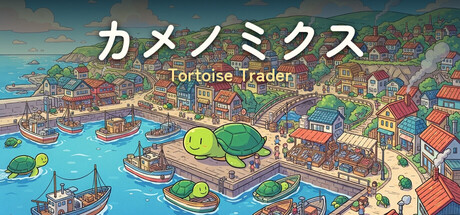
The in-game illustrations in this game were created with generative AI image tools. This covers:
- The background art for the 16 town illustrations
- The turtle and enemy character art
- The single-image art for the opening and ending
- The dojo and battle backgrounds
- The celebration art shown at gold milestones
- The application icon
The developer selected from the generated candidates and adjusted them (resizing, cropping and similar) before including them in the game.
Generative AI was also used for part of the text:
- All English text was translated from Japanese with generative AI
- In the Japanese version, the on-screen guidance, the how-to-play pages, item descriptions, the store description, and some names of goods, places and characters were written with the help of generative AI
Generative AI was not used for:
- The opening and ending text
- Music and sound effects (these are synthesized by the program's own waveform code)
- The developer's logo
The game never calls generative AI while it is running. It can be played offline; its only external communication is with the Steam client, to record Steam achievements.
Generative AI was used to assist in the development of this game. Approximately 60% of the code was generated or written with the assistance of AI; in-game imagery was created using generative AI, with a portion of the assets refined and post-processed manually; music was created using generative AI; and approximately 90% of the sound effects were generated or created with AI assistance. Except for Traditional Chinese, localization for all other languages was translated using AI.
Generative AI was used during development to assist in creating some character, monster, environment, UI icon, and store promotional artwork, as well as portions of the text and translations. These materials were selected, edited, and integrated by the developer. The game does not generate AI content during gameplay.
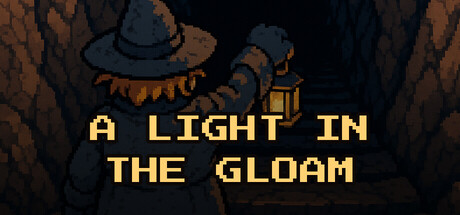
A Light in the Gloam uses pre-generated AI content. Nothing is generated while the game is running, and the game makes no network calls of any kind.
Visual art: all in-game art was generated with OpenAI's image model (gpt-image-1) from prompts written by hand, then processed by our own scripts, which downscale it, quantise it to a fixed palette and trim it before it is placed in the game. This covers 14 character portraits, 43 enemy and boss sprites, 63 item icons, 27 wall, floor and ceiling textures, 10 dungeon props, 21 achievement emblems, and 14 town and title backdrops. The store capsules and the client icons are crops of the title-screen generation rather than new images.
Music and sound: all 14 music tracks were generated with ElevenLabs' music model and all 47 sound effects with ElevenLabs' sound-effects model, both from written prompts and both post-processed by our own scripts for level and length. There is no voice acting and no synthesised speech anywhere in the game.
Writing and translation: the game's text, meaning item and monster descriptions, dialogue, menus and the story, was written with the assistance of a large language model and then edited by hand. The Brazilian Portuguese translation was produced the same way and reviewed against the English.
This game uses generative AI to assist in creating some of its visual assets, including card illustrations, backgrounds, and interface artwork. These assets are reviewed, edited, and integrated by the developer. All AI-assisted content is created during development; the game does not generate AI content while you play.
Atharia uses generative AI tools under the developer's constant direction. The combat animations are AI-generated video clips, converted into sprites and integrated into custom-built staging. Background environments and interface elements are also created with AI assistance. Every asset is art-directed, selected and validated by the developer before it enters the game.
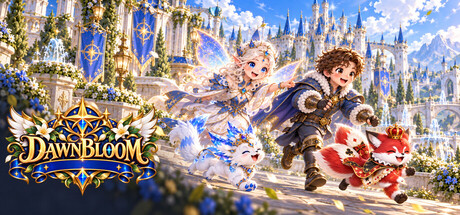
DAWNBLOOM uses generative AI-assisted tools during the development of certain game content. The in-game “Dawnbloom Spirit” feature connects to a generative AI service to provide real-time text responses to players’ game-related questions, including game knowledge, gameplay explanations, and general guidance. This feature generates auxiliary text content only. It does not generate or modify game code, nor does it directly control game rules, character data, or player assets.
The game engine is written with substantial AI assistance.
Some dialogues and quest texts are AI generated, and are successively replaced by human-written dialogue. Every piece of flavor text has a label that states the author (human or ai).
The 3D character models are currently generated with AI, and then transformed through a custom pipeline to work with the text-based graphics and CPU rendering. It is possible to replace them with manually crafted models.
Portraits of characters and creatures are generated using Stable Diffusion. They appear in-game and in store page materials. I plan to replace all generated portraits with hand-drawn art.
Some in-game labels and text descriptions are placeholders generated by an LLM. I am gradually rewriting them by hand.
The game contains pre-generated artwork and AI-assisted narrative/localization created during development under human direction.
The assets were iteratively selected, composed, edited and reviewed for this project.
Prompts requested generic original fantasy subjects and did not request existing characters, logos, or the imitation of a named living artist.
No generative AI service runs during gameplay and players cannot submit prompts.
Generative AI was used during development to assist with the creation and refinement of some visual assets, including character artwork, environmental artwork, icons, and promotional imagery. AI-assisted assets were reviewed, edited, and integrated by the developer to maintain a consistent visual style. Generative AI is not used during gameplay and does not generate content in real time.
Generative AI tools assisted development and the creation of promotional artwork and some written content. Screenshots and gameplay footage show the actual game. No AI content is generated during gameplay, and the game does not connect to external AI services.
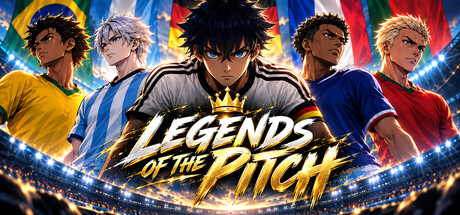
Generative AI was used during development to create and refine pre-generated visual assets for Legends of the Pitch, including character illustrations, environment artwork, card and interface imagery, and promotional artwork for the Steam store. Screenshots and trailers may display these assets. The developer selected, edited and integrated the final content. No AI content is generated during gameplay, and the game does not connect to any external AI service while playing.
Some icons and character sprites were created with the assistance of generative AI, then edited and refined by hand. The remaining artwork consists of pre-made assets and hand-drawn work.
Pre-generated AI-assisted illustrations are used in some in-game artwork and in Steam store and library artwork, including capsule images, the logo, and achievement icons. Gameplay screenshots were captured directly from the game. The game does not generate AI content during play.
Card, character, background, UI and store art, as well as some in-game text and translations, were made with the help of generative AI. The game does not generate any content with AI while it runs.
Battles of Arunia uses AI-generated artwork created during development, including card illustrations, character portraits, backgrounds and interface artwork. We plan to replace some placeholder artwork during Early Access, including through voluntary community contributions used with permission. The game does not generate AI content during gameplay.
Generative AI tools were used during production to create character artwork, portraits, and some of the game's illustrations and visual assets. AI tools also assisted with the story, dialogue, and store-page copy, including its English version. These are pre-generated materials; the game does not use generative AI to create new content during gameplay.
AI tools were used during development to assist in creating and iterating on some pre-generated assets. These assets were subsequently selected, edited, integrated, and reviewed by the developers before inclusion in the game. The game does not generate AI content during gameplay.
Generative AI was used as part of the process of creating some sprites and visual assets, which were then edited and adapted by the team to keep them consistent with the game's final art style.
AI was used as a support tool during development (code assistance and initial image generation). All artwork was individually reworked by hand, and no content is generated live during gameplay.
This game uses generative AI to help create pre-rendered store artwork, chapter illustrations, background music, and the official trailer. Game logic was drafted with AI assistance and reviewed by the developer.
All level design, gameplay mechanics, and in-game text are hand-authored. No copyrighted third-party material was used in any AI output.
Some game assets were created using AI generative tools. AI-generated visual assets were subsequently painted over, edited, and composited manually by the developer in Photoshop/Photopea. AI was also used to assist with localized text translations.
Some of the game's artwork was created with the help of AI image tools, and was then chosen, edited and placed by the developer. AI tools were also used to help translate the game's text into French, German, Spanish, Portuguese and Chinese. Nothing is generated while you play.
Generative AI was used during development to create some promotional artwork, including Steam store capsule images and logo variations. Generative AI is not used during gameplay, and no AI-generated content is created in real time.
Crawlgan uses generative AI for pre-made content only. All artwork, music and sound effects in the game and on this store page were created with generative AI tools, then selected and edited by the developer. The game text and store page are translated into other languages with AI assistance. Nothing is generated by AI while you play.
Character, monster, and item artwork in this game was pre-generated using AI image generation tools (FLUX.1). No AI-generated content is created live during gameplay, and the game does not connect to any third-party AI service at runtime.
This game contains content created with the assistance of AI tools. AI was used during development to assist with programming, visual assets, and other creative elements. All generated content was reviewed, edited, and integrated by the dev.
This game contains content created with the assistance of AI tools. AI was used during development to assist with programming, visual assets, and other creative elements. All generated content was reviewed, edited, and integrated by the dev.
The game's art assets (tile, monster and item sprite atlases) were produced during development using OpenAI's image generation service. We then processed the output ourselves into transparent PNGs and assembled them into atlases, which ship as static assets inside the build. The game does not call any AI service at runtime and contains no live-generated content. Every generated image was manually reviewed and corrected before being added to the atlas. Apart from the art, the code, game design, balance and text involve no AI-generated content.
Generative AI tools were used during development to create and assist with some pre-generated visual and audio assets. All AI-assisted content included in the game is reviewed, selected, and integrated by the developer. No generative AI content is created in real time during gameplay.
The in-game illustrations in this game were created with generative AI image tools. This covers:
- The background art for the 16 town illustrations
- The turtle and enemy character art
- The single-image art for the opening and ending
- The dojo and battle backgrounds
- The celebration art shown at gold milestones
- The application icon
The developer selected from the generated candidates and adjusted them (resizing, cropping and similar) before including them in the game.
Generative AI was also used for part of the text:
- All English text was translated from Japanese with generative AI
- In the Japanese version, the on-screen guidance, the how-to-play pages, item descriptions, the store description, and some names of goods, places and characters were written with the help of generative AI
Generative AI was not used for:
- The opening and ending text
- Music and sound effects (these are synthesized by the program's own waveform code)
- The developer's logo
The game never calls generative AI while it is running. It can be played offline; its only external communication is with the Steam client, to record Steam achievements.
Generative AI was used to assist in the development of this game. Approximately 60% of the code was generated or written with the assistance of AI; in-game imagery was created using generative AI, with a portion of the assets refined and post-processed manually; music was created using generative AI; and approximately 90% of the sound effects were generated or created with AI assistance. Except for Traditional Chinese, localization for all other languages was translated using AI.
Generative AI was used during development to assist in creating some character, monster, environment, UI icon, and store promotional artwork, as well as portions of the text and translations. These materials were selected, edited, and integrated by the developer. The game does not generate AI content during gameplay.
A Light in the Gloam uses pre-generated AI content. Nothing is generated while the game is running, and the game makes no network calls of any kind.
Visual art: all in-game art was generated with OpenAI's image model (gpt-image-1) from prompts written by hand, then processed by our own scripts, which downscale it, quantise it to a fixed palette and trim it before it is placed in the game. This covers 14 character portraits, 43 enemy and boss sprites, 63 item icons, 27 wall, floor and ceiling textures, 10 dungeon props, 21 achievement emblems, and 14 town and title backdrops. The store capsules and the client icons are crops of the title-screen generation rather than new images.
Music and sound: all 14 music tracks were generated with ElevenLabs' music model and all 47 sound effects with ElevenLabs' sound-effects model, both from written prompts and both post-processed by our own scripts for level and length. There is no voice acting and no synthesised speech anywhere in the game.
Writing and translation: the game's text, meaning item and monster descriptions, dialogue, menus and the story, was written with the assistance of a large language model and then edited by hand. The Brazilian Portuguese translation was produced the same way and reviewed against the English.
This game uses generative AI to assist in creating some of its visual assets, including card illustrations, backgrounds, and interface artwork. These assets are reviewed, edited, and integrated by the developer. All AI-assisted content is created during development; the game does not generate AI content while you play.
Atharia uses generative AI tools under the developer's constant direction. The combat animations are AI-generated video clips, converted into sprites and integrated into custom-built staging. Background environments and interface elements are also created with AI assistance. Every asset is art-directed, selected and validated by the developer before it enters the game.
DAWNBLOOM uses generative AI-assisted tools during the development of certain game content. The in-game “Dawnbloom Spirit” feature connects to a generative AI service to provide real-time text responses to players’ game-related questions, including game knowledge, gameplay explanations, and general guidance. This feature generates auxiliary text content only. It does not generate or modify game code, nor does it directly control game rules, character data, or player assets.
The game engine is written with substantial AI assistance.
Some dialogues and quest texts are AI generated, and are successively replaced by human-written dialogue. Every piece of flavor text has a label that states the author (human or ai).
The 3D character models are currently generated with AI, and then transformed through a custom pipeline to work with the text-based graphics and CPU rendering. It is possible to replace them with manually crafted models.
Portraits of characters and creatures are generated using Stable Diffusion. They appear in-game and in store page materials. I plan to replace all generated portraits with hand-drawn art.
Some in-game labels and text descriptions are placeholders generated by an LLM. I am gradually rewriting them by hand.
The game contains pre-generated artwork and AI-assisted narrative/localization created during development under human direction.
The assets were iteratively selected, composed, edited and reviewed for this project.
Prompts requested generic original fantasy subjects and did not request existing characters, logos, or the imitation of a named living artist.
No generative AI service runs during gameplay and players cannot submit prompts.
Generative AI was used during development to assist with the creation and refinement of some visual assets, including character artwork, environmental artwork, icons, and promotional imagery. AI-assisted assets were reviewed, edited, and integrated by the developer to maintain a consistent visual style. Generative AI is not used during gameplay and does not generate content in real time.
Generative AI tools assisted development and the creation of promotional artwork and some written content. Screenshots and gameplay footage show the actual game. No AI content is generated during gameplay, and the game does not connect to external AI services.
Generative AI was used during development to create and refine pre-generated visual assets for Legends of the Pitch, including character illustrations, environment artwork, card and interface imagery, and promotional artwork for the Steam store. Screenshots and trailers may display these assets. The developer selected, edited and integrated the final content. No AI content is generated during gameplay, and the game does not connect to any external AI service while playing.
Some icons and character sprites were created with the assistance of generative AI, then edited and refined by hand. The remaining artwork consists of pre-made assets and hand-drawn work.