Public Steam disclosure research25,394 disclosures tracked
Where do games disclose AI use?
Search developers’ Steam disclosures, compare classified AI use across
games, and follow recorded changes.
This index adds cross-game classifications and statistics to
statements published on individual store pages.
Groups reflect automatic analysis of public disclosures; mature records are excluded. These counts do not measure AI use across all of Steam.
Missing or unclear statements cannot establish whether a game uses AI.
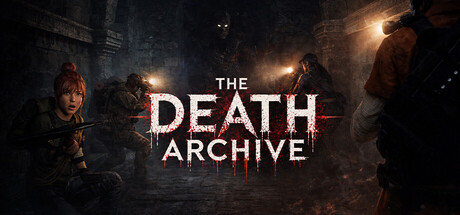
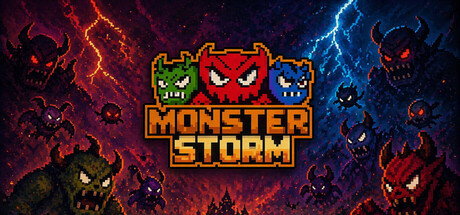
Regarding the use of AI, the game scenes images, character designs, and animations of monsters were generated using AI.
We will replace these with manually created resources in the official version later
The game's code is written with the help of AI.
Every other gameplay aspects and assets, i.e. Art, Audio, etc., is human produced, with love and care sprinkled in.
This game uses generative AI during development to assist in creating some user interface (UI) icons. All AI-generated content has been reviewed, edited, and integrated by the development team. Generative AI is not used in gameplay or during the runtime of the game.
AI Content Disclosure (Or: Why Your Eyes Aren't Bleeding)
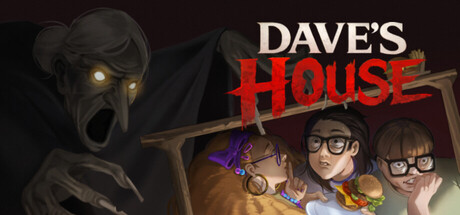
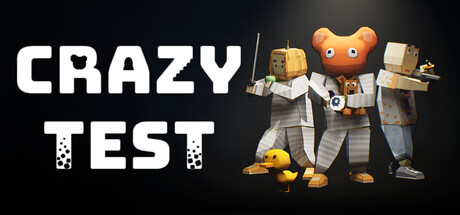
Steam requires me to formally disclose that I used AI tools to help create the visual assets for this game, and honestly, you should be thanking them for it. My personal artistic abilities peak at drawing lopsided stick figures, and if I had to hand-draw the assets myself, this wouldn't be a co-op horror game—it would be a tragedy.
To spare you from my awful programmer art, I used Meshy AI to generate the 3D models and Nano Banana Pro to handle the textures. The gameplay, the panic-inducing 90-second timers, and the terrifying undead Grandma mechanics are all me. The art, however, was assisted by AI as a public service to protect your eyeballs.
We use generative AI tools to assist with some game audio assets, such as dinosaur sounds and other sound effects, as well as some store page, marketing, and promotional artwork. These assets are reviewed, selected, edited, and integrated by the developer before use. Generative AI is not currently used to create live gameplay content during play.
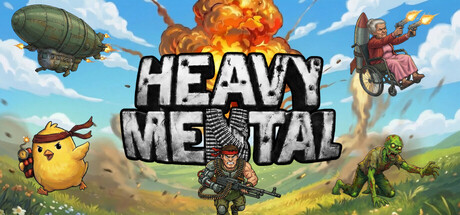
During the development of Heavy Mental, we utilized Meshy AI to assist in creating base 3D models and textures for several character assets and environmental props. Every asset generated through AI has been manually refined, rigged, and animated by our development team to ensure it fits the game's unique stylized art direction and meets our quality standards. Our use of AI is limited to the pre-production phase to streamline our artistic workflow.
This game uses generative AI for some in-game paintings, store artwork, and the introductory voiceover. All content was reviewed and integrated by the developer.
As a solo developer, I utilized generative AI tools during the development process in the following ways
- Visual Assets: AI was used to assist in the creation and enhancement of certain background images and textures. All final assets were manually reviewed and integrated to ensure quality and consistency.
- Text & Localization: I used AI for proofreading, refining the phrasing of in-game text, and assisting with translations into multiple languages to ensure a polished experience for players worldwide.
- Voice Generation: AI was used to generate certain voice lines in the game. All audio content was reviewed, selected, and integrated manually to ensure it fits the intended tone and quality.
All AI-assisted content was pre-generated and manually verified by me to ensure quality and compliance. The game does not feature any real-time AI generation during gameplay.
CielChan uses generative AI to create real-time conversation responses and voice synthesis. By default, a local AI model generates text responses, and bundled TTS engines convert those responses to speech directly on your device.
All core functionality is fully available offline, and no internet connection is required to use the application.
Optional cloud-based AI and voice features are available for advanced users. When enabled, these features may send text or audio data to selected third-party providers using user-provided API keys.
The AI model, voice synthesis, and core systems are included in the download, allowing CielChan to function independently offline.
This game uses AI-generated content for background music (BGM) and narration audio only.
All visuals, gameplay mechanics, and written content were created by the development team without the use of generative AI tools.
"This game utilizes generative AI to create temporary placeholders for art assets, which will be replaced by final, custom artwork as development progresses.
Some temporary UI icons and placeholder assets used during development were generated with AI tools. These are non-final assets and will be replaced or refined before the final release. The game does not use any real-time or player-facing generative AI systems.
During the development process, we may use procedural- and AI-based tools to assist with content creation. In all such cases, the final product reflects the creativity and expression of our own development team.
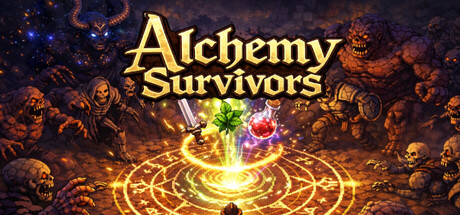
Our crafting system depends on AI to generate new game data when you combine a combination of items not yet seen before, so you never run out of weapons to discover and experiment with. We also generate text and sprites for any new items created.
Assets for the game also use image generation: the title screen and other UI elements use generated textures and graphics. These images have been touched up by a human and reused on our Steam page also.
Game descriptions, text translations, and some images (excluding textures) are made with the assistance of artificial intelligence, while all other in-game resources are handmade
We are a small studio with only six people actively involved in development. For teams like ours, generative AI is a supportive tool that helps us realize a creative vision that would otherwise be completely out of reach within our budget.
Here is exactly how we utilized generative AI in our game:
• We used generative AI during the prototyping and concept art phases. Every AI-generated image was manually modified, iterated upon, and finalized by our artist.
• The sea shanties in the game feature AI-generated vocals and music, but the lyrics are original and written by our team.
• Certain voice-over (VO) lines were generated using AI.
This game was developed by a solo developer with the assistance of generative AI tools during production.
AI tools such as ChatGPT were used as a development aid for Unreal Engine guidance, technical explanations, spell-checking, and drafting some in-game text and UI messaging. ChatGPT was also used to generate some placeholder images and audio assets during early development.
Some 3D models and textures were created using AI-assisted tools such as Tripo3D.ai. These assets may be refined, replaced, or improved over time as the project evolves and budget allows.
All gameplay systems, mechanics, design decisions, Blueprint scripting, and overall game implementation were created and assembled by the developer. No AI system autonomously generated gameplay code or core systems.
Additional assets were purchased through the Unreal Engine Fab Marketplace where noted.
AI tools were used strictly as production assistants to support solo development.
Some promotional assets created during development, including certain store-page media, used generative AI-assisted artwork. The shipped game does not use live AI-generated gameplay content, and it does not connect to any external AI service during play.
GreenMars: Expedition 744 is a solo-led independent project.
Generative AI tools are used occasionally as production support for certain pre-rendered content and communication materials. The artistic direction, original designs, and core creative decisions remain fully defined internally by human authors.
The game does not use generative AI during gameplay.
This game uses generative AI for a limited amount of pre-made content created during development, including some achievement icons and certain voice lines we could not perform ourselves. No AI-generated content is created during gameplay, and the game does not connect to any external third-party AI services while you play.
Generative AI tools may be used during production for some localization and minor audio elements. Core gameplay content and game artwork are not created using AI.
GOLF+ uses AI-assisted tools in limited areas of development such as in-game voice-over audio and select 2D visual assets, such as battle medals. Additionally, AI tools are used to assist in the creation of some marketing materials.
Generative AI tools were used solely to assist in creating the logo and promotional art featured on this Steam store page. No generative AI was used in the creation of the game itself—all in-game assets, code, writing, and gameplay mechanics are 100% handcrafted by the development team.
As a solo developer working on a passion project, I utilized generative AI tools to assist in creating some of the visual assets for the game. This includes character portraits, background art, and certain UI elements. All music, audio and localization in the game are entirely human-made and do not use any generative AI technologies.
Regarding the use of AI, the game scenes images, character designs, and animations of monsters were generated using AI.
We will replace these with manually created resources in the official version later
The game's code is written with the help of AI.
Every other gameplay aspects and assets, i.e. Art, Audio, etc., is human produced, with love and care sprinkled in.
This game uses generative AI during development to assist in creating some user interface (UI) icons. All AI-generated content has been reviewed, edited, and integrated by the development team. Generative AI is not used in gameplay or during the runtime of the game.
AI Content Disclosure (Or: Why Your Eyes Aren't Bleeding)
Steam requires me to formally disclose that I used AI tools to help create the visual assets for this game, and honestly, you should be thanking them for it. My personal artistic abilities peak at drawing lopsided stick figures, and if I had to hand-draw the assets myself, this wouldn't be a co-op horror game—it would be a tragedy.
To spare you from my awful programmer art, I used Meshy AI to generate the 3D models and Nano Banana Pro to handle the textures. The gameplay, the panic-inducing 90-second timers, and the terrifying undead Grandma mechanics are all me. The art, however, was assisted by AI as a public service to protect your eyeballs.
We use generative AI tools to assist with some game audio assets, such as dinosaur sounds and other sound effects, as well as some store page, marketing, and promotional artwork. These assets are reviewed, selected, edited, and integrated by the developer before use. Generative AI is not currently used to create live gameplay content during play.
During the development of Heavy Mental, we utilized Meshy AI to assist in creating base 3D models and textures for several character assets and environmental props. Every asset generated through AI has been manually refined, rigged, and animated by our development team to ensure it fits the game's unique stylized art direction and meets our quality standards. Our use of AI is limited to the pre-production phase to streamline our artistic workflow.
This game uses generative AI for some in-game paintings, store artwork, and the introductory voiceover. All content was reviewed and integrated by the developer.
As a solo developer, I utilized generative AI tools during the development process in the following ways
- Visual Assets: AI was used to assist in the creation and enhancement of certain background images and textures. All final assets were manually reviewed and integrated to ensure quality and consistency.
- Text & Localization: I used AI for proofreading, refining the phrasing of in-game text, and assisting with translations into multiple languages to ensure a polished experience for players worldwide.
- Voice Generation: AI was used to generate certain voice lines in the game. All audio content was reviewed, selected, and integrated manually to ensure it fits the intended tone and quality.
All AI-assisted content was pre-generated and manually verified by me to ensure quality and compliance. The game does not feature any real-time AI generation during gameplay.
CielChan uses generative AI to create real-time conversation responses and voice synthesis. By default, a local AI model generates text responses, and bundled TTS engines convert those responses to speech directly on your device.
All core functionality is fully available offline, and no internet connection is required to use the application.
Optional cloud-based AI and voice features are available for advanced users. When enabled, these features may send text or audio data to selected third-party providers using user-provided API keys.
The AI model, voice synthesis, and core systems are included in the download, allowing CielChan to function independently offline.
This game uses AI-generated content for background music (BGM) and narration audio only.
All visuals, gameplay mechanics, and written content were created by the development team without the use of generative AI tools.
"This game utilizes generative AI to create temporary placeholders for art assets, which will be replaced by final, custom artwork as development progresses.
Some temporary UI icons and placeholder assets used during development were generated with AI tools. These are non-final assets and will be replaced or refined before the final release. The game does not use any real-time or player-facing generative AI systems.
During the development process, we may use procedural- and AI-based tools to assist with content creation. In all such cases, the final product reflects the creativity and expression of our own development team.
Our crafting system depends on AI to generate new game data when you combine a combination of items not yet seen before, so you never run out of weapons to discover and experiment with. We also generate text and sprites for any new items created.
Assets for the game also use image generation: the title screen and other UI elements use generated textures and graphics. These images have been touched up by a human and reused on our Steam page also.
Game descriptions, text translations, and some images (excluding textures) are made with the assistance of artificial intelligence, while all other in-game resources are handmade
We are a small studio with only six people actively involved in development. For teams like ours, generative AI is a supportive tool that helps us realize a creative vision that would otherwise be completely out of reach within our budget.
Here is exactly how we utilized generative AI in our game:
• We used generative AI during the prototyping and concept art phases. Every AI-generated image was manually modified, iterated upon, and finalized by our artist.
• The sea shanties in the game feature AI-generated vocals and music, but the lyrics are original and written by our team.
• Certain voice-over (VO) lines were generated using AI.
This game was developed by a solo developer with the assistance of generative AI tools during production.
AI tools such as ChatGPT were used as a development aid for Unreal Engine guidance, technical explanations, spell-checking, and drafting some in-game text and UI messaging. ChatGPT was also used to generate some placeholder images and audio assets during early development.
Some 3D models and textures were created using AI-assisted tools such as Tripo3D.ai. These assets may be refined, replaced, or improved over time as the project evolves and budget allows.
All gameplay systems, mechanics, design decisions, Blueprint scripting, and overall game implementation were created and assembled by the developer. No AI system autonomously generated gameplay code or core systems.
Additional assets were purchased through the Unreal Engine Fab Marketplace where noted.
AI tools were used strictly as production assistants to support solo development.
Some promotional assets created during development, including certain store-page media, used generative AI-assisted artwork. The shipped game does not use live AI-generated gameplay content, and it does not connect to any external AI service during play.
GreenMars: Expedition 744 is a solo-led independent project.
Generative AI tools are used occasionally as production support for certain pre-rendered content and communication materials. The artistic direction, original designs, and core creative decisions remain fully defined internally by human authors.
The game does not use generative AI during gameplay.
This game uses generative AI for a limited amount of pre-made content created during development, including some achievement icons and certain voice lines we could not perform ourselves. No AI-generated content is created during gameplay, and the game does not connect to any external third-party AI services while you play.
Generative AI tools may be used during production for some localization and minor audio elements. Core gameplay content and game artwork are not created using AI.
GOLF+ uses AI-assisted tools in limited areas of development such as in-game voice-over audio and select 2D visual assets, such as battle medals. Additionally, AI tools are used to assist in the creation of some marketing materials.
Generative AI tools were used solely to assist in creating the logo and promotional art featured on this Steam store page. No generative AI was used in the creation of the game itself—all in-game assets, code, writing, and gameplay mechanics are 100% handcrafted by the development team.
As a solo developer working on a passion project, I utilized generative AI tools to assist in creating some of the visual assets for the game. This includes character portraits, background art, and certain UI elements. All music, audio and localization in the game are entirely human-made and do not use any generative AI technologies.