Public Steam disclosure research25,383 disclosures tracked
Where do games disclose AI use?
Search developers’ Steam disclosures, compare classified AI use across
games, and follow recorded changes.
This index adds cross-game classifications and statistics to
statements published on individual store pages.
Groups reflect automatic analysis of public disclosures; mature records are excluded. These counts do not measure AI use across all of Steam.
Missing or unclear statements cannot establish whether a game uses AI.
For the development of Silver Snake, generative AI was used to create static visual assets and the game's musical soundtrack.
Please note that all in-game sound effects and animal behaviors are procedurally generated through custom code and do not involve generative AI tools.
The developer uses AI tools (such as ChatGPT, Claude, and Cursor) to assist with writing code, drafting in-game text like card effect descriptions, and brainstorming narrative elements. Additionally, AI is utilized to provide draft localizations for various languages.
However, all graphical assets (including character illustrations and monster designs) and audio are entirely human-made. No AI-generated images, pre-rendered graphics, or sound files are used in this game.
Generative AI was used as an assistive tool during development for parts of some 3D models, sound assets, and portions of the code. All such content was reviewed, modified where needed, and curated by the developer before release.
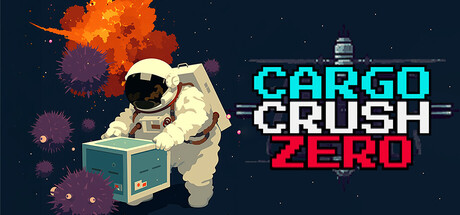
CARGO CRUSH ZERO is developed with the assistance of AI tools throughout its production. Game code is implemented using Claude (Anthropic) as a development assistant. Background music is generated with AIVA. Visual assets are created using AI image generation tools and further edited by the developer. All creative direction, design decisions, and final output are overseen by the developer.
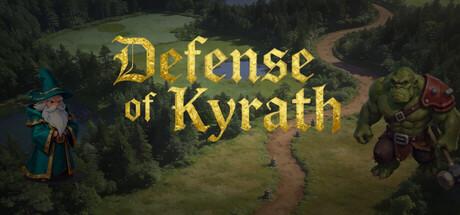
Defense of Kyrath uses AI-assisted tools in parts of its art and audio pipeline. Some character sprites, character voice lines, select background imagery, and background music are AI-generated, and refined or curated by the developer. All AI-generated content is pre-generated at authoring time. Terrain, environment art, and level layouts come from TiGen - a custom procedural generation pipeline that is purely algorithmic, not AI. All game design, writing, and gameplay systems are human-crafted.
This game was built extensively with generative AI. AI tools were used to assist with code development, pixel art generation, music composition, sound effect creation, voice acting, dialogue writing, story design, and game design.
We use Generative AI technology in some assets to assist with texture creation and initial modeling drafts. Crucially, all AI-generated content in this game is generated based on the development team's own primary/original work, followed by rigorous review and editing. All final artistic work and decisions are strictly managed within the team to ensure originality and quality.
Some store imagery (capsule art) was created with AI image generation tools. Game text translations for non-English/Turkish languages were assisted by AI translation, with manual review
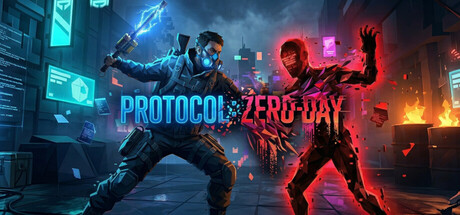
Generative AI tools were utilized during the pre-production and development phases to assist a solo developer in establishing the visual concepts, background art, and base textures for the cyber-apocalyptic world. All AI-generated base assets were subsequently reviewed, heavily curated, and manually integrated into the game engine to ensure they perfectly match the strict artistic direction and gameplay requirements of PROTOCOL: Zero-day.
Spa World was developed with AI-assisted tools used during
the development process, including code assistance and
content drafting. All game design, creative direction,
artwork, and final decisions were made by the developer.
The game itself does not use or generate AI content
during gameplay.
The developer has used generative artificial intelligence tools for assistance during development. This includes code generation and optimization, drafting and translating text for the store page, and creating promotional images and marketing assets. All generated elements have been manually reviewed and edited to fit the project's vision
The game does not generate AI-created content dynamically during gameplay. Generative AI tools were used to assist with development. All final content was reviewed, edited, and approved by the developers.
This game uses generative artificial intelligence tools during parts of its development process. AI assistance was used in a limited capacity for implementing certain minor systems and supporting the coding workflow, representing a small portion of the overall codebase.
In addition, some visual assets and UI elements were created or enhanced using AI-generated imagery, often combined with manual editing and integration to fit the game’s style and design.
Some visual and audio assets in this game were created with the assistance of generative AI tools. All content was reviewed, edited, and integrated by the developer to ensure quality and consistency.
Generative AI is used as an assistive tool in the development of this game, including visual assets (item, ability, and boss icons), code, and music. All AI-generated content is produced under direct human creative direction, with the developer serving as director and approver at every stage. AI assists — the human decides.
One developer. AI tools helped with images and text because some things are bigger than one pair of hands. Everything you see reflects my own creative decisions.
A few images have been generated, where it make sense that the AI in the game would use generic stock photos, but the overwhelming majority of art is handmade.
AI tools assisted with game design documentation, initial draft text content, and development planning. The initial AI-generated in-game texts have been replaced with hand-written translations (German complete; English replacement in progress). All in-game content is reviewed and curated by the developer. No AI is used during gameplay.
Generative AI was used only during development to create part of the pre-generated content. This includes some marketing materials for the store page, part of the 3D models, as well as music and some sound effects. All such content was reviewed, selected, edited, and integrated manually by the developer before release.
The game does not use generative AI at runtime. Story content, gameplay logic, enemy behavior, game balance, and any real-time interaction with the player are created and executed without generative AI.
Generative AI was carefully used for structuring the majority of content available in the decks, given the vast breadth of the topics/languages available. However, every piece of information was extracted from publicly available curated sources, where AI was used for the re-writing the facts into questions. Also, in general the distractors (wrong answers) are intelligently chosen at runtime based on similar answers of similar length, however it can occur that certain answer pools where too small for reasonable gameplay. For this, fake answers were generated by AI as well, albeit rarely.
This game was developed with AI assistance for visual assets, sound effects, localization, and code. All AI-generated content was pre-generated during development and reviewed by the developer. No real-time AI content generation occurs during gameplay.
This game made auxiliary use of pre-generated AI tools during solo development to improve efficiency in areas such as programming code scripts, game system data structure design, draft text writing, and the creation of certain UI icons (such as trait nodes). All AI-assisted content in the game—including code, graphic assets, and text—was thoroughly reviewed, revised, and reworked by the developer to align with the game's intended direction. This game does not include live-generated AI content that is created through real-time interaction with players.
This game uses generative AI to create various pre-rendered 2D visual assets, such as user interface elements, backgrounds, and item icons. Some pre-rendered audio and sound effects were also generated using AI tools. There is no live-generation of AI content while playing the game.
Game development was accelerated through use of AI code assistants to help create and test the software code.
Language translations were provided by AI.
AI tools were used during development to assist with text localization,
narrative drafting, and music prompt generation. All game design, pixel art,
code, and final creative decisions are made by the developer.
Some in-game audio content, such as radio dialogue and in-game radio music may be generated using artificial intelligence tools. These elements are used to enhance immersion and provide dynamic environmental storytelling.
All gameplay systems, mechanics, and core content are designed and implemented by the developer.
Voice overs, translations and character busts are currently being handled by AI.
As a budget limited studio, we want to have everything in place before an artist to work on. These placeholders would reduce the amount of back and forth, rework and hours invested. Everything is directed and supervised by humans.
Voice overs and character busts will be completely replaced by the work of artists by the 1.0 release.
Some store visual assets (promotional images and capsules) were created with the aid of generative AI tools and manually
edited. Sound effects were generated using ElevenLabs API and music was created with Suno AI. Translations for languages
beyond Portuguese, English and Spanish were automatically generated and reviewed. All game code, gameplay, level design and
in-game sprites were manually created.
For the development of Silver Snake, generative AI was used to create static visual assets and the game's musical soundtrack.
Please note that all in-game sound effects and animal behaviors are procedurally generated through custom code and do not involve generative AI tools.
The developer uses AI tools (such as ChatGPT, Claude, and Cursor) to assist with writing code, drafting in-game text like card effect descriptions, and brainstorming narrative elements. Additionally, AI is utilized to provide draft localizations for various languages.
However, all graphical assets (including character illustrations and monster designs) and audio are entirely human-made. No AI-generated images, pre-rendered graphics, or sound files are used in this game.
Generative AI was used as an assistive tool during development for parts of some 3D models, sound assets, and portions of the code. All such content was reviewed, modified where needed, and curated by the developer before release.
CARGO CRUSH ZERO is developed with the assistance of AI tools throughout its production. Game code is implemented using Claude (Anthropic) as a development assistant. Background music is generated with AIVA. Visual assets are created using AI image generation tools and further edited by the developer. All creative direction, design decisions, and final output are overseen by the developer.
Defense of Kyrath uses AI-assisted tools in parts of its art and audio pipeline. Some character sprites, character voice lines, select background imagery, and background music are AI-generated, and refined or curated by the developer. All AI-generated content is pre-generated at authoring time. Terrain, environment art, and level layouts come from TiGen - a custom procedural generation pipeline that is purely algorithmic, not AI. All game design, writing, and gameplay systems are human-crafted.
This game was built extensively with generative AI. AI tools were used to assist with code development, pixel art generation, music composition, sound effect creation, voice acting, dialogue writing, story design, and game design.
We use Generative AI technology in some assets to assist with texture creation and initial modeling drafts. Crucially, all AI-generated content in this game is generated based on the development team's own primary/original work, followed by rigorous review and editing. All final artistic work and decisions are strictly managed within the team to ensure originality and quality.
Some store imagery (capsule art) was created with AI image generation tools. Game text translations for non-English/Turkish languages were assisted by AI translation, with manual review
Generative AI tools were utilized during the pre-production and development phases to assist a solo developer in establishing the visual concepts, background art, and base textures for the cyber-apocalyptic world. All AI-generated base assets were subsequently reviewed, heavily curated, and manually integrated into the game engine to ensure they perfectly match the strict artistic direction and gameplay requirements of PROTOCOL: Zero-day.
Spa World was developed with AI-assisted tools used during
the development process, including code assistance and
content drafting. All game design, creative direction,
artwork, and final decisions were made by the developer.
The game itself does not use or generate AI content
during gameplay.
The developer has used generative artificial intelligence tools for assistance during development. This includes code generation and optimization, drafting and translating text for the store page, and creating promotional images and marketing assets. All generated elements have been manually reviewed and edited to fit the project's vision
The game does not generate AI-created content dynamically during gameplay. Generative AI tools were used to assist with development. All final content was reviewed, edited, and approved by the developers.
This game uses generative artificial intelligence tools during parts of its development process. AI assistance was used in a limited capacity for implementing certain minor systems and supporting the coding workflow, representing a small portion of the overall codebase.
In addition, some visual assets and UI elements were created or enhanced using AI-generated imagery, often combined with manual editing and integration to fit the game’s style and design.
Some visual and audio assets in this game were created with the assistance of generative AI tools. All content was reviewed, edited, and integrated by the developer to ensure quality and consistency.
Generative AI is used as an assistive tool in the development of this game, including visual assets (item, ability, and boss icons), code, and music. All AI-generated content is produced under direct human creative direction, with the developer serving as director and approver at every stage. AI assists — the human decides.
One developer. AI tools helped with images and text because some things are bigger than one pair of hands. Everything you see reflects my own creative decisions.
A few images have been generated, where it make sense that the AI in the game would use generic stock photos, but the overwhelming majority of art is handmade.
AI tools assisted with game design documentation, initial draft text content, and development planning. The initial AI-generated in-game texts have been replaced with hand-written translations (German complete; English replacement in progress). All in-game content is reviewed and curated by the developer. No AI is used during gameplay.
Generative AI was used only during development to create part of the pre-generated content. This includes some marketing materials for the store page, part of the 3D models, as well as music and some sound effects. All such content was reviewed, selected, edited, and integrated manually by the developer before release.
The game does not use generative AI at runtime. Story content, gameplay logic, enemy behavior, game balance, and any real-time interaction with the player are created and executed without generative AI.
Generative AI was carefully used for structuring the majority of content available in the decks, given the vast breadth of the topics/languages available. However, every piece of information was extracted from publicly available curated sources, where AI was used for the re-writing the facts into questions. Also, in general the distractors (wrong answers) are intelligently chosen at runtime based on similar answers of similar length, however it can occur that certain answer pools where too small for reasonable gameplay. For this, fake answers were generated by AI as well, albeit rarely.
This game was developed with AI assistance for visual assets, sound effects, localization, and code. All AI-generated content was pre-generated during development and reviewed by the developer. No real-time AI content generation occurs during gameplay.
This game made auxiliary use of pre-generated AI tools during solo development to improve efficiency in areas such as programming code scripts, game system data structure design, draft text writing, and the creation of certain UI icons (such as trait nodes). All AI-assisted content in the game—including code, graphic assets, and text—was thoroughly reviewed, revised, and reworked by the developer to align with the game's intended direction. This game does not include live-generated AI content that is created through real-time interaction with players.
This game uses generative AI to create various pre-rendered 2D visual assets, such as user interface elements, backgrounds, and item icons. Some pre-rendered audio and sound effects were also generated using AI tools. There is no live-generation of AI content while playing the game.
Game development was accelerated through use of AI code assistants to help create and test the software code.
Language translations were provided by AI.
AI tools were used during development to assist with text localization,
narrative drafting, and music prompt generation. All game design, pixel art,
code, and final creative decisions are made by the developer.
Some in-game audio content, such as radio dialogue and in-game radio music may be generated using artificial intelligence tools. These elements are used to enhance immersion and provide dynamic environmental storytelling.
All gameplay systems, mechanics, and core content are designed and implemented by the developer.
Voice overs, translations and character busts are currently being handled by AI.
As a budget limited studio, we want to have everything in place before an artist to work on. These placeholders would reduce the amount of back and forth, rework and hours invested. Everything is directed and supervised by humans.
Voice overs and character busts will be completely replaced by the work of artists by the 1.0 release.
Some store visual assets (promotional images and capsules) were created with the aid of generative AI tools and manually
edited. Sound effects were generated using ElevenLabs API and music was created with Suno AI. Translations for languages
beyond Portuguese, English and Spanish were automatically generated and reviewed. All game code, gameplay, level design and
in-game sprites were manually created.