Public Steam disclosure research25,394 disclosures tracked
Where do games disclose AI use?
Search developers’ Steam disclosures, compare classified AI use across
games, and follow recorded changes.
This index adds cross-game classifications and statistics to
statements published on individual store pages.
Groups reflect automatic analysis of public disclosures; mature records are excluded. These counts do not measure AI use across all of Steam.
Missing or unclear statements cannot establish whether a game uses AI.
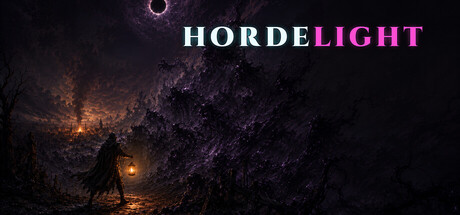
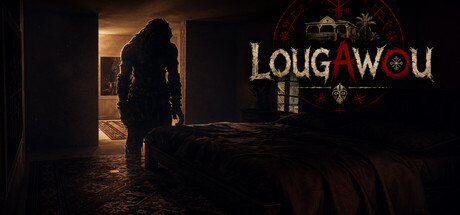
Some of our store and marketing art started as AI-generated images. We used Midjourney to create the base key art for the Steam capsules, the library hero and the page background, then edited and composited those into the final images ourselves. The logo, wordmark and typography are our own work.
The game itself does not use generative AI. Every in-game asset (art, animation, UI, music, sound, and code) was made by us, by hand or with our own tools.
We’ve reviewed the AI-assisted art, we hold the rights to use it commercially, and as far as we’re aware it doesn’t infringe anyone else’s work.
This work of love was made with the best tools and talent I could get my hands on. That includes commercially available AI tools, because what idiot wouldn't use the best tools at their disposal? Some of the sprite art, the key art, and the score were made with AI under my direction and finished by hand. Play the game. If it sucks, that's because I'm a lousy manager, not because some of the tools were AI.
Generative AI was used to assist in the creation of a small number of pre-generated sound effects. All AI-assisted audio was reviewed and curated by the developer. No generative AI is used during gameplay, and the game does not generate content in real time.
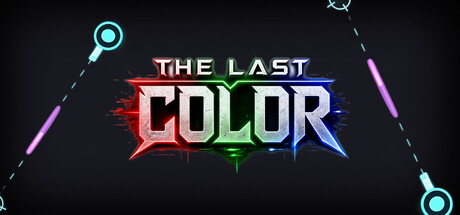
The Last Color was created with the assistance of AI-powered software in several areas of production, including technical development, early-stage ideation, visual experimentation, and selected artwork. These tools were used only as part of the development process. All content available to players is pre-made, and no artificial intelligence is used to create or modify content while the game is running.
Some visual assets were created with the assistance of generative AI tools and then curated and edited by the developer: story illustrations, character portraits, key art / capsule backgrounds, and a small number of decorative item images.
All gameplay sprites, animations, environments, music and sound effects are human-made assets used under CC0 / open licenses (credited in-game).
Voice-over lines (English and Turkish) were generated with ElevenLabs text-to-speech under a commercial license, from scripts written by the developer.
The game does not generate any content with AI at runtime. The developer has reviewed all AI-assisted content to ensure it is not illegal or infringing.
Some 3D models and assets used in the game were created with the assistance of generative AI tools, then adapted, modified, and integrated into the game during development.
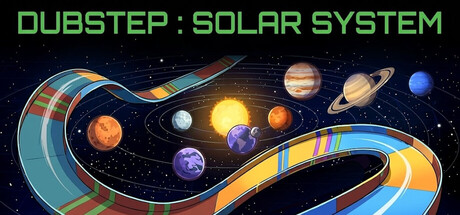
Dubstep: Solar System is an AI-assisted indie game — the studio name, Vibe Coded Reality, wears it proudly. Here is exactly how generative AI was used:
MUSIC: The entire 46-track original dubstep soundtrack was generated with Suno under a paid commercial license, from prompts written by the developer — every track hand-picked from multiple takes and play-tested against the game's beat-gate timing.
CODE: Much of the game's code was written with AI coding assistants working under the developer's direction; all game design, difficulty tuning, and play-testing are human work.
STORE ARTWORK: The cover and capsule artwork were created with AI image tools, then composed and typeset by the developer.
All in-game visuals are drawn procedurally by the game's own code — no AI-generated images appear inside the game itself, and nothing is generated by AI at runtime while you play.
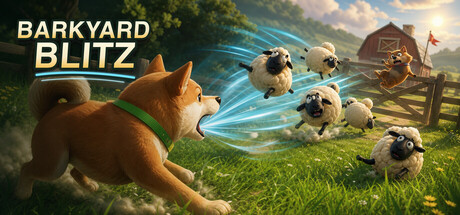
Generative AI tools assisted with English Steam store-page copy, and were used to create pre-generated illustrative key art for Steam store capsules, library artwork, and the store-page background. All AI-assisted outputs are reviewed, edited, integrated, and tested by the developer. The artwork is promotional and is not presented as gameplay footage; screenshots and trailers are captured from the actual game. The game does not use generative AI at runtime or generate live player-facing content.
3D character and prop models and store artwork were created with the assistance of generative AI, then manually rigged, edited, and integrated by the developers. No content is AI-generated at runtime.
This game is a solo project developed by a student. Due to limited resources and budget, Generative AI tools were utilized to create store page visuals and capsule designs, as well as to localize and draft store descriptions; these elements were personally edited, refined, and finalized by the developer.
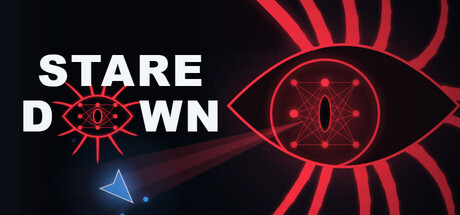
I write this game's code with the help of AI coding tools, and I review everything that ships. All the art is drawn by code — no AI image generation anywhere.
The enemy is a small neural network that trains locally on how you move. It only controls the eye's behavior, and it never generates art, text, or audio.
Some pre-generated visual assets were created with the assistance of generative AI tools during development, including selected skill icons, weapon icons, concept references and promotional art references. All final assets included in the game were reviewed, curated, edited where needed, and integrated by the development team to match the game’s art direction. The game does not use live-generated AI during gameplay.
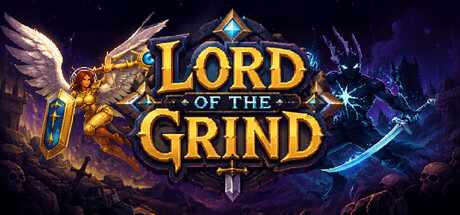
Most of the game's 2D art assets — including monster sprites, map backgrounds, skill and skill tree icons, achievement icons, and store/marketing key art — were created with the assistance of generative AI image tools and then reviewed and edited by the developer. Portions of the localization text (store page and in-game translations) were produced with AI assistance under human review. The game does not generate any content with AI at runtime.
Some music and sound in Perfectly Fair was created using AI tools (Suno AI, ElevenLabs) during development. All content is fixed in the final game; nothing is generated live during gameplay.
Generative AI was used to create some marketing assets, specifically the store capsule images and page banners. The core game content, including the code, levels, character pixel art, and music, has been traditionally developed to ensure a consistent and high-quality solo-developer experience.
Generative AI tools were used during development to assist with portions of debugging and gameplay balancing. All AI-assisted output was reviewed, modified, tested, and integrated by the developer. The game does not connect to generative AI services or generate AI content during gameplay.
Rockinforged is a studio that develops games with an AI-assisted production pipeline. Generative AI tools are used across development — including 2D art, cinematic and video footage, sound, localization, store page text, and marketing materials — always under the developer's direct authorship, curation, and review. The game does not generate any content with AI at runtime.
Used AI to over optimize the performance of the game as it is very painful to have 1000 monsters with real physics on your screen at the same time and 100 projectiles per seconds without turning your pc into an oven
Some visual assets used in the game and its promotional materials were created with the assistance of generative AI. These assets were reviewed and integrated by the developer as part of the game's overall art direction.
Generative AI tools were used during development to assist with some pre-generated 2D artwork, text editing, localization, and development support. All AI-assisted content was reviewed, edited, and approved by the developer before being included. The game does not generate AI content during gameplay.
Generative AI was used to assist in the creation of character illustrations, selected artwork, store page assets, and localization. All AI-assisted content has been reviewed, edited, and integrated by the developer. The game does not use generative AI to create content during gameplay.
Generative AI was used to create visual art in this game. Creature, character and background artwork was produced with AI image and animation tools, then hand-edited, cleaned up and assembled by the developer before being placed in the game. This artwork also appears in store page and marketing materials. The game additionally uses licensed, human-made pixel-art asset packs. AI tools (LLM) were also used to help write the game's code and in-game text during development, and to translate that text into the game's six non-English languages (Korean, Simplified Chinese, Japanese, Russian, Spanish, Brazilian Portuguese). All audio - music and sound effects - is human-made and licensed from human creators; no generative AI was used for audio. No AI runs during gameplay: all content is generated ahead of time and reviewed by the developer before it ships.
Generative AI was used during development to create certain promotional artwork and some environmental background art. All gameplay mechanics, programming, level design, characters, animations, UI, and game systems were created and curated by the developer. The game does not use live-generated AI content during gameplay.
We use generative AI tools during the pre-production phase to create specific pre-rendered assets for the final game build. Specifically, AI assistance was utilized to generate elements of the instrumental soundtrack, ambient sound effects, and select minor environment/prop assets within the game world. No AI content is generated live or dynamically during gameplay, and all assets have been thoroughly reviewed to ensure they do not infringe on existing copyrights.
Some store page artwork (capsules, library images, and promotional visuals) was created with the assistance of generative AI tools and edited by the developer.
Select in-game art assets were also created with AI-assisted tools during development and integrated into the game as pre-made content.
Gameplay is built in Unreal Engine. In-game content is not generated by AI during play.
Generative AI was occasionally used to prototype assets and give ideas\reference for assets. It was also occasionally used to generate normal maps on textures I had created. Sometimes this had disastrous results.
Some graphical elements of the user interface (menus, icons, and buttons), as well as store page assets (capsule images, header, and screenshots containing generated elements), were created with the assistance of generative AI tools and manually reviewed and edited by the developer
Generative AI was used during development to assist with the creation of certain visual assets, localization, and store page materials. All AI-generated content has been reviewed, edited, and integrated by the developer. The game does not generate content with AI at runtime.
Generative AI was used as an assistive tool during development and for localization support. All such content was reviewed and edited by the developer before inclusion. The game does not generate AI content live during gameplay.
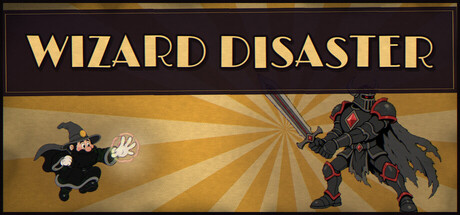
Wizard Disaster was made by a solo developer, using generative AI tools as part of the production pipeline.
Art. Character, boss and background artwork, and the source frames the animations are built from, were produced with generative image and video tools. Everything was then cut, keyed, aligned, retimed and composited by hand into the sheets the game actually plays. The generated output is the raw material, not the finished asset. Concept passes were made the same way.
Audio. The music and most of the sound effects were generated with Suno, then trimmed, pitched, levelled and fitted to the length of the action each one accompanies. Not all of the audio is generated: a number of the effects are synthesised procedurally in code from a 1930s orchestra-pit palette, and the wizard's own voice (his cries and shouts) are human recordings.
Code. Generative AI was used as a programming assistant during development, and to build and run the automated test harnesses that measure boss pacing, damage output and medal times. Those harnesses are development-only tooling and are not part of the shipped game.
The game contains no live-generated AI content. Nothing is generated while you play, and the game makes no network or AI service calls at runtime.
We used Gemini AI during the development process to assist in generating some ambient background music tracks. Additionally, AI tools were used for minor assistance in refining some visual components and lighting enhancements for marketing assets. All components have been carefully curated, hand-edited, and integrated by the developer to comply with Steam's content policies.
Some of our store and marketing art started as AI-generated images. We used Midjourney to create the base key art for the Steam capsules, the library hero and the page background, then edited and composited those into the final images ourselves. The logo, wordmark and typography are our own work.
The game itself does not use generative AI. Every in-game asset (art, animation, UI, music, sound, and code) was made by us, by hand or with our own tools.
We’ve reviewed the AI-assisted art, we hold the rights to use it commercially, and as far as we’re aware it doesn’t infringe anyone else’s work.
This work of love was made with the best tools and talent I could get my hands on. That includes commercially available AI tools, because what idiot wouldn't use the best tools at their disposal? Some of the sprite art, the key art, and the score were made with AI under my direction and finished by hand. Play the game. If it sucks, that's because I'm a lousy manager, not because some of the tools were AI.
Generative AI was used to assist in the creation of a small number of pre-generated sound effects. All AI-assisted audio was reviewed and curated by the developer. No generative AI is used during gameplay, and the game does not generate content in real time.
The Last Color was created with the assistance of AI-powered software in several areas of production, including technical development, early-stage ideation, visual experimentation, and selected artwork. These tools were used only as part of the development process. All content available to players is pre-made, and no artificial intelligence is used to create or modify content while the game is running.
Some visual assets were created with the assistance of generative AI tools and then curated and edited by the developer: story illustrations, character portraits, key art / capsule backgrounds, and a small number of decorative item images.
All gameplay sprites, animations, environments, music and sound effects are human-made assets used under CC0 / open licenses (credited in-game).
Voice-over lines (English and Turkish) were generated with ElevenLabs text-to-speech under a commercial license, from scripts written by the developer.
The game does not generate any content with AI at runtime. The developer has reviewed all AI-assisted content to ensure it is not illegal or infringing.
Some 3D models and assets used in the game were created with the assistance of generative AI tools, then adapted, modified, and integrated into the game during development.
Dubstep: Solar System is an AI-assisted indie game — the studio name, Vibe Coded Reality, wears it proudly. Here is exactly how generative AI was used:
MUSIC: The entire 46-track original dubstep soundtrack was generated with Suno under a paid commercial license, from prompts written by the developer — every track hand-picked from multiple takes and play-tested against the game's beat-gate timing.
CODE: Much of the game's code was written with AI coding assistants working under the developer's direction; all game design, difficulty tuning, and play-testing are human work.
STORE ARTWORK: The cover and capsule artwork were created with AI image tools, then composed and typeset by the developer.
All in-game visuals are drawn procedurally by the game's own code — no AI-generated images appear inside the game itself, and nothing is generated by AI at runtime while you play.
Generative AI tools assisted with English Steam store-page copy, and were used to create pre-generated illustrative key art for Steam store capsules, library artwork, and the store-page background. All AI-assisted outputs are reviewed, edited, integrated, and tested by the developer. The artwork is promotional and is not presented as gameplay footage; screenshots and trailers are captured from the actual game. The game does not use generative AI at runtime or generate live player-facing content.
3D character and prop models and store artwork were created with the assistance of generative AI, then manually rigged, edited, and integrated by the developers. No content is AI-generated at runtime.
This game is a solo project developed by a student. Due to limited resources and budget, Generative AI tools were utilized to create store page visuals and capsule designs, as well as to localize and draft store descriptions; these elements were personally edited, refined, and finalized by the developer.
I write this game's code with the help of AI coding tools, and I review everything that ships. All the art is drawn by code — no AI image generation anywhere.
The enemy is a small neural network that trains locally on how you move. It only controls the eye's behavior, and it never generates art, text, or audio.
Some pre-generated visual assets were created with the assistance of generative AI tools during development, including selected skill icons, weapon icons, concept references and promotional art references. All final assets included in the game were reviewed, curated, edited where needed, and integrated by the development team to match the game’s art direction. The game does not use live-generated AI during gameplay.
Most of the game's 2D art assets — including monster sprites, map backgrounds, skill and skill tree icons, achievement icons, and store/marketing key art — were created with the assistance of generative AI image tools and then reviewed and edited by the developer. Portions of the localization text (store page and in-game translations) were produced with AI assistance under human review. The game does not generate any content with AI at runtime.
Some music and sound in Perfectly Fair was created using AI tools (Suno AI, ElevenLabs) during development. All content is fixed in the final game; nothing is generated live during gameplay.
Generative AI was used to create some marketing assets, specifically the store capsule images and page banners. The core game content, including the code, levels, character pixel art, and music, has been traditionally developed to ensure a consistent and high-quality solo-developer experience.
Generative AI tools were used during development to assist with portions of debugging and gameplay balancing. All AI-assisted output was reviewed, modified, tested, and integrated by the developer. The game does not connect to generative AI services or generate AI content during gameplay.
Rockinforged is a studio that develops games with an AI-assisted production pipeline. Generative AI tools are used across development — including 2D art, cinematic and video footage, sound, localization, store page text, and marketing materials — always under the developer's direct authorship, curation, and review. The game does not generate any content with AI at runtime.
Used AI to over optimize the performance of the game as it is very painful to have 1000 monsters with real physics on your screen at the same time and 100 projectiles per seconds without turning your pc into an oven
Some visual assets used in the game and its promotional materials were created with the assistance of generative AI. These assets were reviewed and integrated by the developer as part of the game's overall art direction.
Generative AI tools were used during development to assist with some pre-generated 2D artwork, text editing, localization, and development support. All AI-assisted content was reviewed, edited, and approved by the developer before being included. The game does not generate AI content during gameplay.
Generative AI was used to assist in the creation of character illustrations, selected artwork, store page assets, and localization. All AI-assisted content has been reviewed, edited, and integrated by the developer. The game does not use generative AI to create content during gameplay.
Generative AI was used to create visual art in this game. Creature, character and background artwork was produced with AI image and animation tools, then hand-edited, cleaned up and assembled by the developer before being placed in the game. This artwork also appears in store page and marketing materials. The game additionally uses licensed, human-made pixel-art asset packs. AI tools (LLM) were also used to help write the game's code and in-game text during development, and to translate that text into the game's six non-English languages (Korean, Simplified Chinese, Japanese, Russian, Spanish, Brazilian Portuguese). All audio - music and sound effects - is human-made and licensed from human creators; no generative AI was used for audio. No AI runs during gameplay: all content is generated ahead of time and reviewed by the developer before it ships.
Generative AI was used during development to create certain promotional artwork and some environmental background art. All gameplay mechanics, programming, level design, characters, animations, UI, and game systems were created and curated by the developer. The game does not use live-generated AI content during gameplay.
We use generative AI tools during the pre-production phase to create specific pre-rendered assets for the final game build. Specifically, AI assistance was utilized to generate elements of the instrumental soundtrack, ambient sound effects, and select minor environment/prop assets within the game world. No AI content is generated live or dynamically during gameplay, and all assets have been thoroughly reviewed to ensure they do not infringe on existing copyrights.
Some store page artwork (capsules, library images, and promotional visuals) was created with the assistance of generative AI tools and edited by the developer.
Select in-game art assets were also created with AI-assisted tools during development and integrated into the game as pre-made content.
Gameplay is built in Unreal Engine. In-game content is not generated by AI during play.
Generative AI was occasionally used to prototype assets and give ideas\reference for assets. It was also occasionally used to generate normal maps on textures I had created. Sometimes this had disastrous results.
Some graphical elements of the user interface (menus, icons, and buttons), as well as store page assets (capsule images, header, and screenshots containing generated elements), were created with the assistance of generative AI tools and manually reviewed and edited by the developer
Generative AI was used during development to assist with the creation of certain visual assets, localization, and store page materials. All AI-generated content has been reviewed, edited, and integrated by the developer. The game does not generate content with AI at runtime.
Generative AI was used as an assistive tool during development and for localization support. All such content was reviewed and edited by the developer before inclusion. The game does not generate AI content live during gameplay.
Wizard Disaster was made by a solo developer, using generative AI tools as part of the production pipeline.
Art. Character, boss and background artwork, and the source frames the animations are built from, were produced with generative image and video tools. Everything was then cut, keyed, aligned, retimed and composited by hand into the sheets the game actually plays. The generated output is the raw material, not the finished asset. Concept passes were made the same way.
Audio. The music and most of the sound effects were generated with Suno, then trimmed, pitched, levelled and fitted to the length of the action each one accompanies. Not all of the audio is generated: a number of the effects are synthesised procedurally in code from a 1930s orchestra-pit palette, and the wizard's own voice (his cries and shouts) are human recordings.
Code. Generative AI was used as a programming assistant during development, and to build and run the automated test harnesses that measure boss pacing, damage output and medal times. Those harnesses are development-only tooling and are not part of the shipped game.
The game contains no live-generated AI content. Nothing is generated while you play, and the game makes no network or AI service calls at runtime.
We used Gemini AI during the development process to assist in generating some ambient background music tracks. Additionally, AI tools were used for minor assistance in refining some visual components and lighting enhancements for marketing assets. All components have been carefully curated, hand-edited, and integrated by the developer to comply with Steam's content policies.