Public Steam disclosure research25,394 disclosures tracked
Where do games disclose AI use?
Search developers’ Steam disclosures, compare classified AI use across
games, and follow recorded changes.
This index adds cross-game classifications and statistics to
statements published on individual store pages.
Groups reflect automatic analysis of public disclosures; mature records are excluded. These counts do not measure AI use across all of Steam.
Missing or unclear statements cannot establish whether a game uses AI.
Generative AI tools were used during development to assist with coding, game design ideas, music, dialogue writing, and select texture assets. All content has been reviewed and approved by the developer.
This game utilizes artificial intelligence without incorporating third-party resources. Its primary function is to assist in game functionality implementation, creative refinement, and saving human time through algorithms.
In the development of BABY PEAK, we utilized artificial intelligence as a supportive tool to enhance our creative vision. Here is how it was integrated:
Conceptual Brainstorming: AI was used as a sounding board during the early stages of development for brainstorming core mechanics, naming suggestions, and general concepts.
Routine Tasks & Optimization: We employed AI tools to handle repetitive technical tasks, such as optimizing small code snippets and organizing data, to increase our workflow efficiency.
Human-Driven Craftsmanship: All core game design, level architecture, visual identity, and gameplay balancing are entirely the result of our team’s manual work and creativity.
In short, AI did not act as the "creator" of this game; instead, it served as a digital assistant to help us bring our unique ideas to life more efficiently.
Some elements of the game were generated with AI :
- Scripts : parts of systems were generated or implemented using AI models
- Images : some Images were generated or edited using AI Models
Generative artificial intelligence was partially used during the development of the game. AI-based tools assisted with parts of the code, the creation of certain textures, and the production of some trailer scenes. All generated materials were manually refined and integrated by the developers to ensure quality and consistency with the game’s artistic vision.
Generative AI was used in the creation of promotional store page artwork, achievement icons, and the game icon. No gameplay content, code, or game mechanics were generated using AI. AI is also not used to make decisions, generate real-time content, or display content within the game.
Some visual and audio assets in this game were created with the assistance of generative AI tools and then reviewed, edited, and integrated by the development team.
All game design decisions, including gameplay systems, boss mechanics, quests, NPC dialogue, progression, and balancing, were created by the human developers.
AI is not used during gameplay.
This game uses generative AI to create certain visual assets, such as images used in the opening and ending sequences. All AI-generated content is pre-rendered and does not affect gameplay.
Generative AI was used for script proofreading, partial translation, and some in-game textures. To ensure high quality and originality, all AI-generated content has been manually reviewed, refined, and integrated to align with our creative vision.
Artificial intelligence was used as an auxiliary tool in production, including the creation of pre-generated voices and dubbing. The game does not use real-time generative AI and does not contain AI-generated images, 3D models, or animations.
AI tools were used to generate a small number of character portraits, sprite drafts, and some sound effect assets during development. All AI-generated content was reviewed, edited, and integrated by the development team.
AI was used as a support tool across various aspects of development, particularly to assist with visuals and animations. The goal is not to replace human work, but to allow creative efforts to be focused where they matter most, ensuring the highest possible quality for the final game.
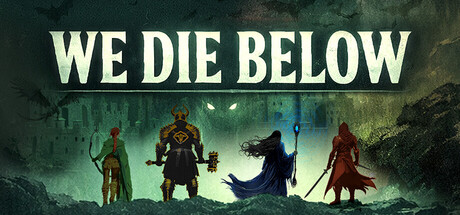
Some visual, audio, and narrative assets in We Die Below were created using AI-assisted tools as part of the development process. All such content was reviewed, edited, and refined by the development team to ensure consistency and quality.
This game only uses AI-generated sound effects in partial content. All AI materials have been manually reviewed and modified, with no real-time AI content generated during gameplay.
Music and character/dialogue voice lines in the game were created with the assistance of generative AI tools. These AI-generated assets are used for background music, atmosphere, character dialogue, and narrative audio.
Some sound effects and voice related audio assets were created or assisted using generative AI tools. These assets are used as part of the game's horror atmosphere and enemy audio design. The game does not generate AI content in real time during gameplay.
Silly Agent is a labor of love by a single developer. To make a game of this scale possible, I've integrated AI technology for specific assets like background music, character voices, and some 3D model foundations. This tech acts as my "extended team," allowing me to deliver a rich, voiced, and musically atmospheric world that would otherwise take years for one person to build manually.
This game uses AI assistance in the following areas:
- Localization: Some translations were assisted by AI tools.
- Some promotional or UI images were partially generated or refined using AI tools.
All gameplay content, art direction, and core assets are created by human developers.
This game uses generative AI as part of the development process.
AI tools were used to assist in the creation of certain visual assets, concepts, and marketing materials.
All AI-generated content was reviewed, edited, and integrated manually to ensure consistency with the game's design and quality standards.
The gameplay itself is fully designed and controlled by the developer, with no real-time AI-generated content during play.
AI tools including ChatGPT, Gemini, Meshy, Tripo, and Fish AI
were used to assist in generating some concepts, translations,
voiceovers, and distant model processing.
Peter the Stash Hunter has been mostly designed and coded by hand by a single developer using traditional methods. AI tools were used in the development process only in two supporting roles:
- Translating store descriptions and in-game text into different languages
- Acting as a helper assistant during code writing
All AI outputs have been reviewed and edited by the developer. Translations are planned to be improved over time based on community feedback. None of the game's visuals, story, characters, music, sound effects, gameplay mechanics, or design decisions have been generated by AI. There is also no AI system running inside the game.
During the development of this game, generative AI tools were used as a supportive resource for technical and creative tasks. Specifically, AI was utilized to assist in structuring complex C# scripts and providing visual reference images for world-building and character design. This allowed me as a solo developer to streamline my technical workflow and focus more on the core gameplay, environmental puzzles, and the unique atmospheric feel of the project. Every piece of AI-assisted logic or visual concept has been manually reviewed, adapted, and implemented by me to ensure it fits perfectly within the game's overall design.
Generative AI was used only for temporary placeholder visuals on this Steam store page. These images are not final game content and will be replaced with original artwork created by our artists before release.
AI Disclosure
Generative AI tools were used to assist with writing store page descriptions and game development. All gameplay content — including art, audio, maze generation, and game mechanics — is created programmatically through traditional algorithms and code.
Generative AI tools were used during development to assist with coding, game design ideas, music, dialogue writing, and select texture assets. All content has been reviewed and approved by the developer.
This game utilizes artificial intelligence without incorporating third-party resources. Its primary function is to assist in game functionality implementation, creative refinement, and saving human time through algorithms.
In the development of BABY PEAK, we utilized artificial intelligence as a supportive tool to enhance our creative vision. Here is how it was integrated:
Conceptual Brainstorming: AI was used as a sounding board during the early stages of development for brainstorming core mechanics, naming suggestions, and general concepts.
Routine Tasks & Optimization: We employed AI tools to handle repetitive technical tasks, such as optimizing small code snippets and organizing data, to increase our workflow efficiency.
Human-Driven Craftsmanship: All core game design, level architecture, visual identity, and gameplay balancing are entirely the result of our team’s manual work and creativity.
In short, AI did not act as the "creator" of this game; instead, it served as a digital assistant to help us bring our unique ideas to life more efficiently.
Some elements of the game were generated with AI :
- Scripts : parts of systems were generated or implemented using AI models
- Images : some Images were generated or edited using AI Models
Generative artificial intelligence was partially used during the development of the game. AI-based tools assisted with parts of the code, the creation of certain textures, and the production of some trailer scenes. All generated materials were manually refined and integrated by the developers to ensure quality and consistency with the game’s artistic vision.
Generative AI was used in the creation of promotional store page artwork, achievement icons, and the game icon. No gameplay content, code, or game mechanics were generated using AI. AI is also not used to make decisions, generate real-time content, or display content within the game.
Some visual and audio assets in this game were created with the assistance of generative AI tools and then reviewed, edited, and integrated by the development team.
All game design decisions, including gameplay systems, boss mechanics, quests, NPC dialogue, progression, and balancing, were created by the human developers.
AI is not used during gameplay.
This game uses generative AI to create certain visual assets, such as images used in the opening and ending sequences. All AI-generated content is pre-rendered and does not affect gameplay.
Generative AI was used for script proofreading, partial translation, and some in-game textures. To ensure high quality and originality, all AI-generated content has been manually reviewed, refined, and integrated to align with our creative vision.
Artificial intelligence was used as an auxiliary tool in production, including the creation of pre-generated voices and dubbing. The game does not use real-time generative AI and does not contain AI-generated images, 3D models, or animations.
AI tools were used to generate a small number of character portraits, sprite drafts, and some sound effect assets during development. All AI-generated content was reviewed, edited, and integrated by the development team.
AI was used as a support tool across various aspects of development, particularly to assist with visuals and animations. The goal is not to replace human work, but to allow creative efforts to be focused where they matter most, ensuring the highest possible quality for the final game.
Some visual, audio, and narrative assets in We Die Below were created using AI-assisted tools as part of the development process. All such content was reviewed, edited, and refined by the development team to ensure consistency and quality.
This game only uses AI-generated sound effects in partial content. All AI materials have been manually reviewed and modified, with no real-time AI content generated during gameplay.
Music and character/dialogue voice lines in the game were created with the assistance of generative AI tools. These AI-generated assets are used for background music, atmosphere, character dialogue, and narrative audio.
Some sound effects and voice related audio assets were created or assisted using generative AI tools. These assets are used as part of the game's horror atmosphere and enemy audio design. The game does not generate AI content in real time during gameplay.
Silly Agent is a labor of love by a single developer. To make a game of this scale possible, I've integrated AI technology for specific assets like background music, character voices, and some 3D model foundations. This tech acts as my "extended team," allowing me to deliver a rich, voiced, and musically atmospheric world that would otherwise take years for one person to build manually.
This game uses AI assistance in the following areas:
- Localization: Some translations were assisted by AI tools.
- Some promotional or UI images were partially generated or refined using AI tools.
All gameplay content, art direction, and core assets are created by human developers.
This game uses generative AI as part of the development process.
AI tools were used to assist in the creation of certain visual assets, concepts, and marketing materials.
All AI-generated content was reviewed, edited, and integrated manually to ensure consistency with the game's design and quality standards.
The gameplay itself is fully designed and controlled by the developer, with no real-time AI-generated content during play.
AI tools including ChatGPT, Gemini, Meshy, Tripo, and Fish AI
were used to assist in generating some concepts, translations,
voiceovers, and distant model processing.
Peter the Stash Hunter has been mostly designed and coded by hand by a single developer using traditional methods. AI tools were used in the development process only in two supporting roles:
- Translating store descriptions and in-game text into different languages
- Acting as a helper assistant during code writing
All AI outputs have been reviewed and edited by the developer. Translations are planned to be improved over time based on community feedback. None of the game's visuals, story, characters, music, sound effects, gameplay mechanics, or design decisions have been generated by AI. There is also no AI system running inside the game.
During the development of this game, generative AI tools were used as a supportive resource for technical and creative tasks. Specifically, AI was utilized to assist in structuring complex C# scripts and providing visual reference images for world-building and character design. This allowed me as a solo developer to streamline my technical workflow and focus more on the core gameplay, environmental puzzles, and the unique atmospheric feel of the project. Every piece of AI-assisted logic or visual concept has been manually reviewed, adapted, and implemented by me to ensure it fits perfectly within the game's overall design.
Generative AI was used only for temporary placeholder visuals on this Steam store page. These images are not final game content and will be replaced with original artwork created by our artists before release.
AI Disclosure
Generative AI tools were used to assist with writing store page descriptions and game development. All gameplay content — including art, audio, maze generation, and game mechanics — is created programmatically through traditional algorithms and code.