Public Steam disclosure research25,394 disclosures tracked
Where do games disclose AI use?
Search developers’ Steam disclosures, compare classified AI use across
games, and follow recorded changes.
This index adds cross-game classifications and statistics to
statements published on individual store pages.
Groups reflect automatic analysis of public disclosures; mature records are excluded. These counts do not measure AI use across all of Steam.
Missing or unclear statements cannot establish whether a game uses AI.
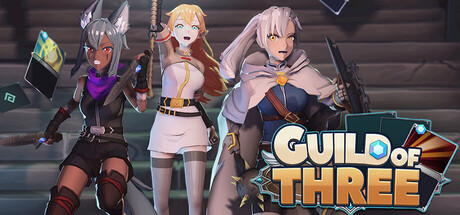
All visual assets in this game — including character illustrations, environments, and card art — are designed and directed by a human artist, with AI tools used as an assistive means for iterative refinement and polish. The final in-game visuals are fully controlled by the designer. No AI-generated content involves copying from other games.
This game uses generative AI in the following limited ways:
AI tools were used during development to assist in generating and organizing vocabulary word data.
AI may have been used to help draft or structure non-final text content, which has been manually reviewed and edited by the developer.
No generative AI is used in real-time gameplay, player interaction, or runtime content generation.
This game does not use external AI services during gameplay.
This product uses AI tools to assist in generating code, art assets, and other content. All AI-generated materials have been significantly edited, modified, and polished by human developers to ensure originality, quality, and compliance with copyright regulations.
One developer. AI tools helped with images and text because some things are bigger than one pair of hands. Everything you see reflects my own creative decisions.
A pre-generated AI tool was used during development to help create the main menu background image. The final selected image was curated and integrated by the developer. No live AI-generated content is present in gameplay.
During development of this game AI was used for code completion, art generation, text descriptions and a psychological/motivational/emotional support as well as release planning. Pretty much at every step of this game dev journey the AI was part of it.
I’m a solo developer and I use my own cat photography in the game. Some of those photos were transformed into in-game card art with generative AI. Both my original photography and the card art based on it are included in the game. Voice lines in the intro cinematic were also generated with AI. Generative AI is also used when generating stylized weapon & power-up cards. Final assets were selected and edited by the developer.
Generative AI "Gemini" was utilized across various stages of development, including coding and image generation.
While AI helped improve development efficiency, all final adjustments and quality control were performed manually with the utmost care to ensure the best possible experience for our players.
Generative AI was carefully used for structuring the majority of content available in the decks, given the vast breadth of the topics/languages available. However, every piece of information was extracted from publicly available curated sources, where AI was used for the re-writing the facts into questions. Also, in general the distractors (wrong answers) are intelligently chosen at runtime based on similar answers of similar length, however it can occur that certain answer pools where too small for reasonable gameplay. For this, fake answers were generated by AI as well, albeit rarely.
AI-generated images were used during the concept and reference phase. All final in-game artwork, including card illustrations, backgrounds, UI elements, and promotional materials, was hand-crafted and finalized by the developer.
This game uses pre-generated AI images for card artwork and
character sprites, created with Stable Diffusion. No AI is used
to generate content during gameplay.
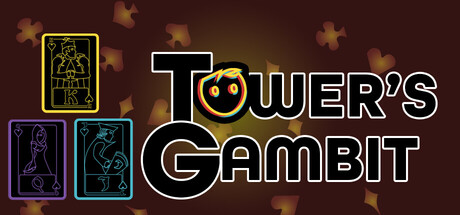
As a solo developer, I used AI as my development partner on Tower's Gambit. It has helped me code faster and prototype things quickly. Every design decision, every mechanic, every pixel of this game reflects my vision — AI just helped me get there.
AI tools were used during development to assist with text localization,
narrative drafting, and music prompt generation. All game design, pixel art,
code, and final creative decisions are made by the developer.
AI tools were used to assist in creating some card illustrations during development. We will continuously optimize and update the game's visuals based on development progress.
AI-Generated Content Disclosure:
This game includes AI-generated and AI-assisted content. Most 2D art assets (including character/prop/environment illustrations, icons, and UI artwork) were created using generative AI tools and then reviewed and edited by the developer for consistency and quality.
Most audio assets (including sound effects and some music/ambience, if applicable) were also created using AI generation tools and then post-processed (editing, mixing, and mastering) by the developer.
All AI-generated content is curated and integrated by the developer, and the final in-game assets may include manual modifications and additional original work.
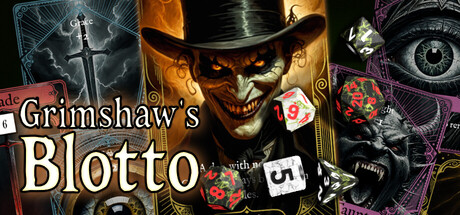
Some pre-generated visual assets in Grimshaw's Blotto were created with the assistance of generative AI during development. The game does not generate AI content during gameplay.
The promotional video visuals, character portrait concepts, and trailer voiceovers for this game were assisted by generative AI tools (such as Midjourney and ElevenLabs). All AI-generated assets have been strictly curated, manually edited, and composited by the developer to ensure they match the game's creative vision.
This game was developed with the assistance of generative AI tools.
Character and background artwork was created using Scenario.com.
Sound effects were generated using ElevenLabs, and background music
was composed using Lyria 2. These tools were used to support the
creative vision of a solo indie developer.
Some visual assets used in this game were created with the help of AI-assisted tools during development. AI-assisted tools were also used for parts of the programming process. No AI is used during gameplay, and the game does not generate live content for players.
This game uses AI-generated artwork for card illustrations, character portraits, arena backgrounds, and UI elements. AI was also used to assist with sound design and animation assets. Game code was developed with AI-assisted programming tools.
Store page AI translation done in the following languages: Chinese (Simplified), Japanese, Korean, Thai, Russian, Spanish, German, Portugese (Brazilian), Turkish, Polish.
AI tools were used to assist in creating some store page descriptions and promotional graphics. The game itself does not use AI-generated content during gameplay.
Dominoir uses generative artificial intelligence as a supporting tool during development. AI was used to assist in the creation of certain audio elements and early visual concepts, including parts of the game’s music and logo.
All assets were curated, edited, and finalized by the developer to ensure consistency with the game’s handcrafted art direction and overall quality.
Generative AI is not used during gameplay, and no player data is processed by AI systems.
This game uses generative AI during development to assist with some pre-generated 2D art assets and store promotional materials. All such content is manually reviewed, edited, and integrated before being used in the game or on the store page. The game does not generate AI content at runtime, and players do not interact with any generative AI system.
Generative AI was used during the development of this game for creating initial concepts and draft versions of certain art assets, including the main menu background and UI icons. These assets were then manually refined, polished, and integrated by the developer to fit the game's final aesthetic.
All visual assets in this game — including character illustrations, environments, and card art — are designed and directed by a human artist, with AI tools used as an assistive means for iterative refinement and polish. The final in-game visuals are fully controlled by the designer. No AI-generated content involves copying from other games.
This game uses generative AI in the following limited ways:
AI tools were used during development to assist in generating and organizing vocabulary word data.
AI may have been used to help draft or structure non-final text content, which has been manually reviewed and edited by the developer.
No generative AI is used in real-time gameplay, player interaction, or runtime content generation.
This game does not use external AI services during gameplay.
This product uses AI tools to assist in generating code, art assets, and other content. All AI-generated materials have been significantly edited, modified, and polished by human developers to ensure originality, quality, and compliance with copyright regulations.
One developer. AI tools helped with images and text because some things are bigger than one pair of hands. Everything you see reflects my own creative decisions.
A pre-generated AI tool was used during development to help create the main menu background image. The final selected image was curated and integrated by the developer. No live AI-generated content is present in gameplay.
During development of this game AI was used for code completion, art generation, text descriptions and a psychological/motivational/emotional support as well as release planning. Pretty much at every step of this game dev journey the AI was part of it.
I’m a solo developer and I use my own cat photography in the game. Some of those photos were transformed into in-game card art with generative AI. Both my original photography and the card art based on it are included in the game. Voice lines in the intro cinematic were also generated with AI. Generative AI is also used when generating stylized weapon & power-up cards. Final assets were selected and edited by the developer.
Generative AI "Gemini" was utilized across various stages of development, including coding and image generation.
While AI helped improve development efficiency, all final adjustments and quality control were performed manually with the utmost care to ensure the best possible experience for our players.
Generative AI was carefully used for structuring the majority of content available in the decks, given the vast breadth of the topics/languages available. However, every piece of information was extracted from publicly available curated sources, where AI was used for the re-writing the facts into questions. Also, in general the distractors (wrong answers) are intelligently chosen at runtime based on similar answers of similar length, however it can occur that certain answer pools where too small for reasonable gameplay. For this, fake answers were generated by AI as well, albeit rarely.
AI-generated images were used during the concept and reference phase. All final in-game artwork, including card illustrations, backgrounds, UI elements, and promotional materials, was hand-crafted and finalized by the developer.
This game uses pre-generated AI images for card artwork and
character sprites, created with Stable Diffusion. No AI is used
to generate content during gameplay.
As a solo developer, I used AI as my development partner on Tower's Gambit. It has helped me code faster and prototype things quickly. Every design decision, every mechanic, every pixel of this game reflects my vision — AI just helped me get there.
AI tools were used during development to assist with text localization,
narrative drafting, and music prompt generation. All game design, pixel art,
code, and final creative decisions are made by the developer.
AI tools were used to assist in creating some card illustrations during development. We will continuously optimize and update the game's visuals based on development progress.
AI-Generated Content Disclosure:
This game includes AI-generated and AI-assisted content. Most 2D art assets (including character/prop/environment illustrations, icons, and UI artwork) were created using generative AI tools and then reviewed and edited by the developer for consistency and quality.
Most audio assets (including sound effects and some music/ambience, if applicable) were also created using AI generation tools and then post-processed (editing, mixing, and mastering) by the developer.
All AI-generated content is curated and integrated by the developer, and the final in-game assets may include manual modifications and additional original work.
Some pre-generated visual assets in Grimshaw's Blotto were created with the assistance of generative AI during development. The game does not generate AI content during gameplay.
The promotional video visuals, character portrait concepts, and trailer voiceovers for this game were assisted by generative AI tools (such as Midjourney and ElevenLabs). All AI-generated assets have been strictly curated, manually edited, and composited by the developer to ensure they match the game's creative vision.
This game was developed with the assistance of generative AI tools.
Character and background artwork was created using Scenario.com.
Sound effects were generated using ElevenLabs, and background music
was composed using Lyria 2. These tools were used to support the
creative vision of a solo indie developer.
Some visual assets used in this game were created with the help of AI-assisted tools during development. AI-assisted tools were also used for parts of the programming process. No AI is used during gameplay, and the game does not generate live content for players.
This game uses AI-generated artwork for card illustrations, character portraits, arena backgrounds, and UI elements. AI was also used to assist with sound design and animation assets. Game code was developed with AI-assisted programming tools.
Store page AI translation done in the following languages: Chinese (Simplified), Japanese, Korean, Thai, Russian, Spanish, German, Portugese (Brazilian), Turkish, Polish.
AI tools were used to assist in creating some store page descriptions and promotional graphics. The game itself does not use AI-generated content during gameplay.
Dominoir uses generative artificial intelligence as a supporting tool during development. AI was used to assist in the creation of certain audio elements and early visual concepts, including parts of the game’s music and logo.
All assets were curated, edited, and finalized by the developer to ensure consistency with the game’s handcrafted art direction and overall quality.
Generative AI is not used during gameplay, and no player data is processed by AI systems.
This game uses generative AI during development to assist with some pre-generated 2D art assets and store promotional materials. All such content is manually reviewed, edited, and integrated before being used in the game or on the store page. The game does not generate AI content at runtime, and players do not interact with any generative AI system.
Generative AI was used during the development of this game for creating initial concepts and draft versions of certain art assets, including the main menu background and UI icons. These assets were then manually refined, polished, and integrated by the developer to fit the game's final aesthetic.