








Disclosure
Generative AI was used to prototype some UI elements. All AI generated content will be removed before game release.
- Creator
- RedKar Devs
- Reviews
- -
- Added
- Aug 22, 2026
Public Steam disclosure research 25,394 disclosures tracked
Search developers’ Steam disclosures, compare classified AI use across games, and follow recorded changes. This index adds cross-game classifications and statistics to statements published on individual store pages.
Code help, debugging and other development work.
Capsule art, trailers and promotional material.
Pre-made art, audio, writing and other game assets.
Interactive or runtime AI features disclosed by the developer.
Groups reflect automatic analysis of public disclosures; mature records are excluded. These counts do not measure AI use across all of Steam. Missing or unclear statements cannot establish whether a game uses AI.
Generative AI was used to prototype some UI elements. All AI generated content will be removed before game release.
Portions of this game were created with the assistance of generative artificial intelligence (AI) technologies, as detailed below: · Art assets: In-game item icons, character portraits, and grotto building sprites were produced using AI image generation tools during the creative process, then curated, modified, and integrated by the development team. · Text content: Certain narrative text, item descriptions, and multilingual localization translations were drafted with the assistance of AI language models, and subsequently reviewed and revised by hand. · Real-time NPC dialogue: The game features an optional NPC dialogue system through which players may configure their own large language model API to have NPCs generate dialogue in real time. This feature is entirely optional; when not configured, the game uses built-in pre-written dialogue lines.
The game uses a mix of original, handmade assets and a few pre-generated AI components: - Voice & Narration: The narration for text lines has been generated using AI voice generation tools. - Music: The background music tracks contain AI-generated music. - Marketing & Branding: Out-of-game visual assets (such as the storefront graphics, library capsules, desktop icon, and startup splash art) contain AI-generated elements. All core code, gameplay mechanics, level design, in-game visual assets and the original story were created entirely from scratch without AI assistance.
This game contains content created with the help of generative AI tools. Specifically: some illustrations, including artwork used in the Steam capsule images, and some secondary environment props were produced with AI assistance and then edited and finalized by our team. AI tools were also used during pre-production for idea generation and concept art, and as a coding assistant during development. All core art, characters, level design, and writing are created by humans. The game does not contain live-generated AI content.
Some music and portions of localized text were created with the assistance of generative AI tools. All AI-assisted content was reviewed, edited, and integrated by the developer before being included in the final game. No AI-generated content is created during gameplay.
The game's code, in-game text (Korean and English), localization, and store page text were created with the assistance of AI tools (Anthropic Claude), under human direction and review. Pixel artwork and audio are produced by procedural generation scripts that were also written with AI assistance. No content is generated by AI at runtime.
Generative AI tools were used during development to create and assist with many of the game's visual assets, including character artwork, card illustrations, backgrounds, and UI elements. These assets were generated during development and are included in the game as pre-generated, static content. The game does not use generative AI to create content during gameplay.
Using artificial intelligence to assist with repetitive coding tasks
In Glow Tail, we utilized AI generated content for certain elements, such as capsule images, library assets, and the game icon.
Generative AI was used as an assistance tool during development, including assistance with programming/code, visual assets, artwork, and game content. Generative AI was also used to assist with some promotional and Steam Store artwork. All AI-assisted content was reviewed and integrated by the developer. The game does not generate AI content during gameplay.
Generative AI was used throughout development to create the game's visual assets and other production content. All game design, extensive balancing, and fine-tuning were done manually by the development team.
Generative AI tools were used during the development of Bubblecore: Survivors to assist with programming and to create some of the game’s visual and audio assets. All AI-assisted content was selected, edited, integrated, and reviewed by the developer. Generative AI is not used at runtime: the game does not connect to AI services or generate content while the player is playing.
Generative AI tools were used during development to help create and refine pre generated visual assets, text and localization, and code. All AI-assisted material included in the game was reviewed and integrated by the developer, with further editing where needed. The game does not use live generative AI and does not generate content during gameplay.
Some visual assets were AI‑assisted, but all final in‑game art was fully artist‑redesigned, and certain marketing materials used limited AI support.
Development of Wandering Bard used generative AI tools to assist with some pre-generated character portraits, environment and store artwork, narrative and dialogue text, fixed character voice recordings, and instrumental music. All of this content was generated before release, then reviewed, selected, edited and integrated by the developer. The game does not generate content during play and does not connect to external AI services during play.
Generative AI tools were used during development to assist with selected pre-generated visual assets, promotional and store-page materials, and localization/text. All AI-assisted content was reviewed, edited, curated, and approved by the developer before inclusion. No generative AI is used during gameplay, and the game does not connect to external AI services while running.
Generative AI was used during development as a coding assistant and to assist with drafting and translating store-page and marketing text. Some pixel-art assets were rendered by deterministic drawing code written with AI assistance; the final images were not directly output by a text-to-image or diffusion model. All shipped and published content was reviewed and edited by the developer. No generative AI runs in the game, and no content is generated from player input.
Generating UI Images Used for program development
Some in game and promotional visual assets were created using generative AI and then edited and integrated into FrogPop. No content is generated by AI during gameplay.
本游戏部分美术资源(角色立绘、场景背景、商店页面素材等)由生成式 AI 工具辅助创作,全部素材经开发者人工筛选、修改与整合。游戏运行时不包含实时生成的 AI 内容。
Background artwork and enemy character art in this game were created with the assistance of AI image-generation tools, then curated and refined by the developer. All AI-assisted content is pre-rendered during development — nothing is generated live during gameplay. Story, dialogue, and game design are entirely human-authored.
Draftfall uses pre-generated generative AI content created during development. Most 2D visual assets—including character artwork, sprites, backgrounds, card illustrations and story panels—were created with AI assistance, along with portions of the narrative and gameplay text. All content was reviewed, edited and integrated by the developer. Draftfall does not generate AI content during gameplay or connect to generative AI services while running.
I used AI for generating guide image, illustration, or trailer. These would be replaced before 1.0 release.
Generative artificial intelligence was used to create some of the images.
Some art, icons, music, sound effects, and marketing or store assets were created or assisted with generative AI tools during development, then reviewed and curated by the team. The game does not generate new AI content in real time during gameplay and does not connect to external AI services while you play.
Some of the visuals on our store page and some of the 2D illustrations in our game were created with the help of AI-powered tools.
Steam store page logo and art made with ai tools
Some artwork, sounds, narrative, and localization were built using AI.
RingOut uses generative AI to create part of its content. Some 2D artwork (character illustrations, key art and store/marketing images) and some audio (music and/or sound effects) were created with generative AI tools during development, then reviewed, edited and integrated by the developer. All 3D models are hand-made. No content is generated by AI in real time during gameplay.
A small amount of public domain and commissioned art assets may have used genAI before passing to a human for modification/inclusion.
AI polished artwork (for a part of the visual content) AI translation and proofreading
Some temporary store page artwork (capsule images) and marketing text were created with the assistance of AI tools. The game itself does not contain AI-generated art, sound, or content, and does not use AI generation at runtime.
AI tools were used during the development process for asset creation/reference, and no dynamic AI content is generated during real-time gameplay.
The game utilized AI for a 3D assets and background music.
AI was only used to generate minimal resources to support unit design and partial localization. All AI-assisted content has been reviewed, and the final assets were manually drawn to fit the game's artistic style and atmosphere.
Character animation using AI Generation
Steam game logo and steam cover art made with ai tools
The current trailer temporarily uses AI-generated music as placeholder material, which we plan to replace with original music in a future update.
Steam game logo and cover art to steam store page made with ai tools
Steam store page logo and cover art made with ai tools
steam logo and cover art made with ai software
The images shown on the monster reveal screen after an egg is cracked, and the artwork used on the daily report screen, were created with generative AI.
Some visual assets (a portion of skill icons and the boss health-bar UI element) and background music tracks were created with the assistance of AI generation tools.
The 2D art in OBOLUS is made with image generation models running locally on my own machine — Stable Diffusion XL through ComfyUI, including a style model I trained myself on 1930s cartoon references. None of it is a raw output: every sprite, backdrop, card frame and icon was directed through many passes, then cut out, colour-corrected, upscaled and assembled frame by frame into animation sheets. Everything else is not AI: the rules, every card and every number on it, the balance, the 22 heroes, the six lands, the writing and the interface. The sound effects are synthesised by code written for this game. Nothing is generated while you play. The game makes no network calls and ships with no model — nothing runs on your machine, and none of your data goes anywhere.
Assets on the store page have been AI‑enhanced.
The visual art in Gearbound is made with PixelLab, an AI pixel-art tool. Every sprite, animation, tileset, background, prop, interface element and piece of marketing art was generated with PixelLab and then directed, edited and assembled by us. The music and sound effects are rendered by synthesis scripts that were written with AI assistance. No generative audio model was used, and nothing was sourced from a music-generation service. Nothing is generated by AI while you play. Every asset is finished and baked into the build before it ships, and the game makes no AI calls at runtime.
Game logo and cover art to store page made with ai tools
Music and sound effects were AI-generated (Suno / ElevenLabs) and edited by the developer. AI (Claude Code) was also used as a coding assistant during development. Visual assets are licensed/purchased assets and are not AI-generated. No AI content is generated live during gameplay all content is fixed and authored before release.
AI was used to generate some of the assets and most of the code.
We used AI tools to assist in drafting and refining parts of the game's store description and promotional texts
| Title⇅ | Disclosure | Creator⇅ | Src | Reviews⇅ | Added↓ |
|---|---|---|---|---|---|
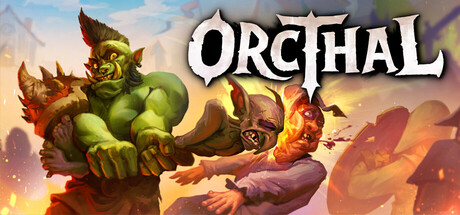 Orcthal Dev only art | Generative AI was used to prototype some UI elements. All AI generated content will be removed before game release. | RedKar Devs | - | Aug 22, 2026 | |
 Idle Immortal Path Live AI arttext | Portions of this game were created with the assistance of generative artificial intelligence (AI) technologies, as detailed below:
· Art assets: In-game item icons, character portraits, and grotto building sprites were produced using AI image generation tools during the creative process, then curated, modified, and integrated by the development team.
· Text content: Certain narrative text, item descriptions, and multilingual localization translations were drafted with the assistance of AI language models, and subsequently reviewed and revised by hand.
· Real-time NPC dialogue: The game features an optional NPC dialogue system through which players may configure their own large language model API to have NPCs generate dialogue in real time. This feature is entirely optional; when not configured, the game uses built-in pre-written dialogue lines. | Hangzhou Binjiang Huan Yinfeng Network Technology Studio | - | Aug 22, 2026 | |
 Fluttering In-game content audiotextart | The game uses a mix of original, handmade assets and a few pre-generated AI components:
- Voice & Narration: The narration for text lines has been generated using AI voice generation tools.
- Music: The background music tracks contain AI-generated music.
- Marketing & Branding: Out-of-game visual assets (such as the storefront graphics, library capsules, desktop icon, and startup splash art) contain AI-generated elements.
All core code, gameplay mechanics, level design, in-game visual assets and the original story were created entirely from scratch without AI assistance. | LL | - | Aug 21, 2026 | |
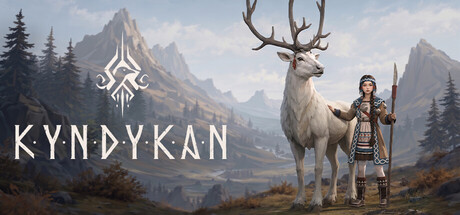 Kyndykan In-game content artcode | This game contains content created with the help of generative AI tools. Specifically: some illustrations, including artwork used in the Steam capsule images, and some secondary environment props were produced with AI assistance and then edited and finalized by our team. AI tools were also used during pre-production for idea generation and concept art, and as a coding assistant during development. All core art, characters, level design, and writing are created by humans. The game does not contain live-generated AI content. | iLii Games | - | Aug 21, 2026 | |
 Fragments of Ember In-game content audiotext | Some music and portions of localized text were created with the assistance of generative AI tools. All AI-assisted content was reviewed, edited, and integrated by the developer before being included in the final game. No AI-generated content is created during gameplay. | Rodrigo Santos | - | Aug 20, 2026 | |
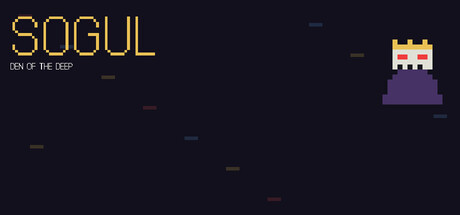 SOGUL: Den of the Deep In-game content arttextcode | The game's code, in-game text (Korean and English), localization, and store page text were created with the assistance of AI tools (Anthropic Claude), under human direction and review. Pixel artwork and audio are produced by procedural generation scripts that were also written with AI assistance. No content is generated by AI at runtime. | SoThanks Games | - | Aug 20, 2026 | |
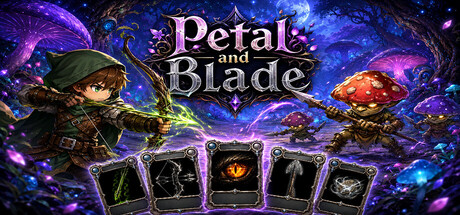 Petal and Blade In-game content art | Generative AI tools were used during development to create and assist with many of the game's visual assets, including character artwork, card illustrations, backgrounds, and UI elements. These assets were generated during development and are included in the game as pre-generated, static content. The game does not use generative AI to create content during gameplay. | Murat Akdogan | - | Aug 20, 2026 | |
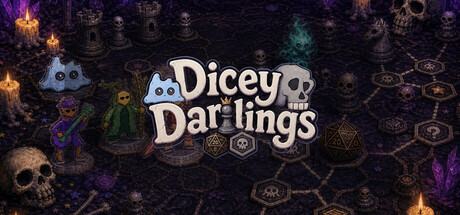 Dicey Darlings Dev only code | Using artificial intelligence to assist with repetitive coding tasks | FANG QITONG | - | Aug 20, 2026 | |
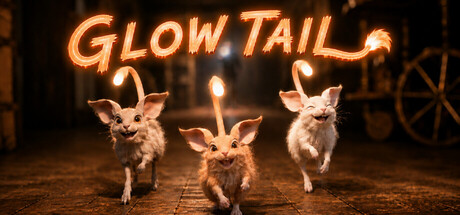 Glow Tail In-game content art | In Glow Tail, we utilized AI generated content for certain elements, such as capsule images, library assets, and the game icon. | KaashFusionStudio | - | Aug 20, 2026 | |
 Veibyn's GunGame In-game content artcode | Generative AI was used as an assistance tool during development, including assistance with programming/code, visual assets, artwork, and game content. Generative AI was also used to assist with some promotional and Steam Store artwork. All AI-assisted content was reviewed and integrated by the developer. The game does not generate AI content during gameplay. | veibyn | - | Aug 20, 2026 | |
 PUSH MID In-game content art | Generative AI was used throughout development to create the game's visual assets and other production content. All game design, extensive balancing, and fine-tuning were done manually by the development team. | Cartboard Games | - | Aug 20, 2026 | |
 Bubblecore: Survivors In-game content artaudio | Generative AI tools were used during the development of Bubblecore: Survivors to assist with programming and to create some of the game’s visual and audio assets. All AI-assisted content was selected, edited, integrated, and reviewed by the developer.
Generative AI is not used at runtime: the game does not connect to AI services or generate content while the player is playing. | King Suslik Games | - | Aug 20, 2026 | |
 Grimoire of Hecate : Tower of Starlight In-game content arttextcode | Generative AI tools were used during development to help create and refine pre generated visual assets, text and localization, and code. All AI-assisted material included in the game was reviewed and integrated by the developer, with further editing where needed. The game does not use live generative AI and does not generate content during gameplay. | Blablah Games | - | Aug 20, 2026 | |
 Throne & Conquest: King Arthur In-game content art | Some visual assets were AI‑assisted, but all final in‑game art was fully artist‑redesigned, and certain marketing materials used limited AI support. | Last Man Smiling | - | Aug 20, 2026 | |
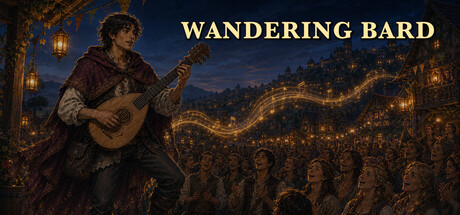 Wandering Bard In-game content arttextaudio | Development of Wandering Bard used generative AI tools to assist with some pre-generated character portraits, environment and store artwork, narrative and dialogue text, fixed character voice recordings, and instrumental music. All of this content was generated before release, then reviewed, selected, edited and integrated by the developer. The game does not generate content during play and does not connect to external AI services during play. | Fossil Studios | - | Aug 20, 2026 | |
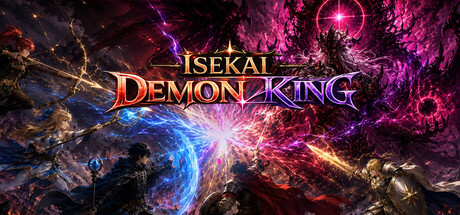 Isekai: Demon King In-game content arttext | Generative AI tools were used during development to assist with selected pre-generated visual assets, promotional and store-page materials, and localization/text. All AI-assisted content was reviewed, edited, curated, and approved by the developer before inclusion. No generative AI is used during gameplay, and the game does not connect to external AI services while running. | Jose Alonso Ugaz Diaz | - | Aug 20, 2026 | |
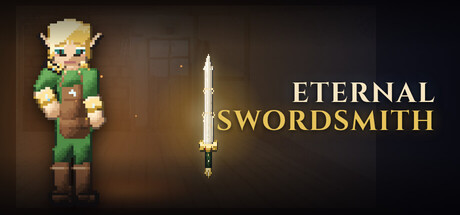 Eternal Swordsmith Dev only codetextart | Generative AI was used during development as a coding assistant and to assist with drafting and translating store-page and marketing text. Some pixel-art assets were rendered by deterministic drawing code written with AI assistance; the final images were not directly output by a text-to-image or diffusion model. All shipped and published content was reviewed and edited by the developer. No generative AI runs in the game, and no content is generated from player input. | sasoriken-games | - | Aug 20, 2026 | |
 Calc and Beat Dev only art | Generating UI Images
Used for program development | zakku3 | - | Aug 20, 2026 | |
 FrogPop In-game content art | Some in game and promotional visual assets were created using generative AI and then edited and integrated into FrogPop. No content is generated by AI during gameplay. | Bdog | - | Aug 20, 2026 | |
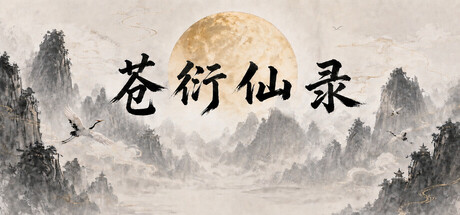 Cangyan Xianlu In-game content art | 本游戏部分美术资源(角色立绘、场景背景、商店页面素材等)由生成式 AI 工具辅助创作,全部素材经开发者人工筛选、修改与整合。游戏运行时不包含实时生成的 AI 内容。 | 云籽工作室 | - | Aug 20, 2026 | |
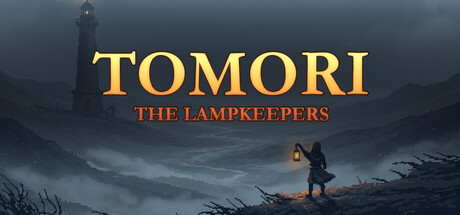 灯守 In-game content art | Background artwork and enemy character art in this game were created with the assistance of AI image-generation tools, then curated and refined by the developer. All AI-assisted content is pre-rendered during development — nothing is generated live during gameplay. Story, dialogue, and game design are entirely human-authored. | Uesho Co., Ltd. | - | Aug 20, 2026 | |
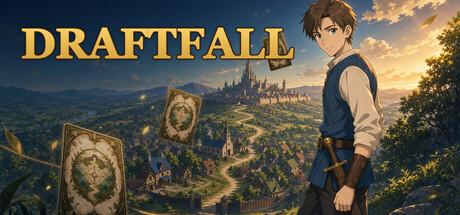 Draftfall In-game content arttext | Draftfall uses pre-generated generative AI content created during development. Most 2D visual assets—including character artwork, sprites, backgrounds, card illustrations and story panels—were created with AI assistance, along with portions of the narrative and gameplay text. All content was reviewed, edited and integrated by the developer. Draftfall does not generate AI content during gameplay or connect to generative AI services while running. | JJ Battlelokit | - | Aug 20, 2026 | |
 OMFG: The Fate of Mortals Store/marketing art | I used AI for generating guide image, illustration, or trailer.
These would be replaced before 1.0 release. | 铁卯帮 | - | Aug 20, 2026 | |
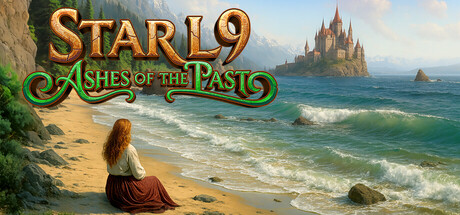 StarL 9 Ashes Of The Past Unclear art | Generative artificial intelligence was used to create some of the images. | IteraLabs | - | Aug 20, 2026 | |
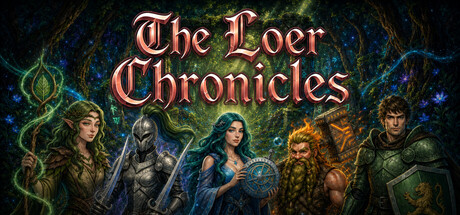 The Loer Chronicles In-game content artaudio | Some art, icons, music, sound effects, and marketing or store assets were created or assisted with generative AI tools during development, then reviewed and curated by the team. The game does not generate new AI content in real time during gameplay and does not connect to external AI services while you play. | Rainlight Studio | - | Aug 20, 2026 | |
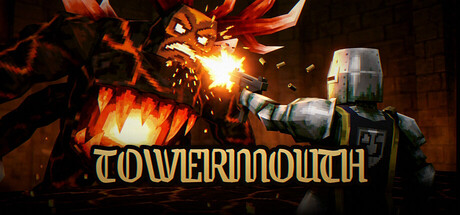 TowerMouth I In-game content art | Some of the visuals on our store page and some of the 2D illustrations in our game were created with the help of AI-powered tools. | GeekZoneCouch | - | Aug 20, 2026 | |
 Worm In Rotating Land Store/marketing art | Steam store page logo and art made with ai tools | Valkeala Software | - | Aug 20, 2026 | |
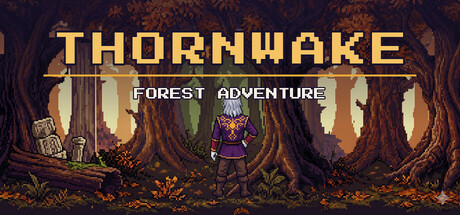 Thornwake: Forest Adventure In-game content artaudiotext | Some artwork, sounds, narrative, and localization were built using AI. | Mobile Vision Technologies LTD | - | Aug 20, 2026 | |
 RingOut In-game content artaudio | RingOut uses generative AI to create part of its content. Some 2D artwork (character illustrations, key art and store/marketing images) and some audio (music and/or sound effects) were created with generative AI tools during development, then reviewed, edited and integrated by the developer. All 3D models are hand-made. No content is generated by AI in real time during gameplay. | KingTrompe | - | Aug 20, 2026 | |
 Gods of Pegana In-game content art | A small amount of public domain and commissioned art assets may have used genAI before passing to a human for modification/inclusion. | ManaScroll Games | - | Aug 20, 2026 | |
 Spellarium 14 In-game content arttext | AI polished artwork (for a part of the visual content)
AI translation and proofreading | LGT SIA | - | Aug 20, 2026 | |
 Etched Store/marketing arttext | Some temporary store page artwork (capsule images) and marketing text were created with the assistance of AI tools. The game itself does not contain AI-generated art, sound, or content, and does not use AI generation at runtime. | 에스케이게임즈 | - | Aug 20, 2026 | |
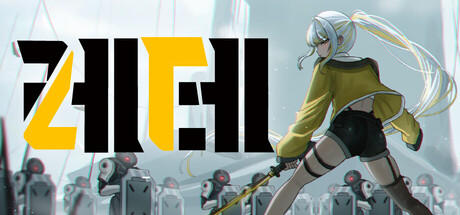 Lethe In-game content art | AI tools were used during the development process for asset creation/reference, and no dynamic AI content is generated during real-time gameplay. | Purplemoon | - | Aug 20, 2026 | |
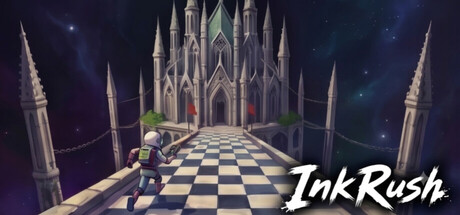 Ink Rush In-game content artaudio | The game utilized AI for a 3D assets and background music. | Lee Dong Gyu | - | Aug 20, 2026 | |
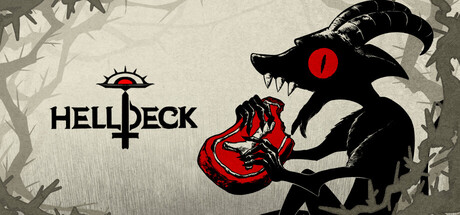 Hell Deck In-game content arttext | AI was only used to generate minimal resources to support unit design and partial localization.
All AI-assisted content has been reviewed, and the final assets were manually drawn to fit the game's artistic style and atmosphere. | OFFMOON Inc. | 118 | Aug 20, 2026 | |
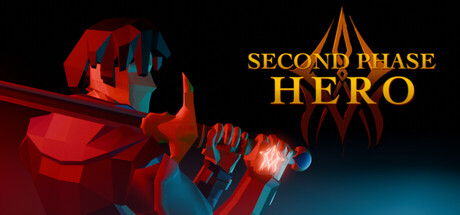 二階勇者 In-game content art | Character animation using AI Generation | AnyueDontSnipe | - | Aug 20, 2026 | |
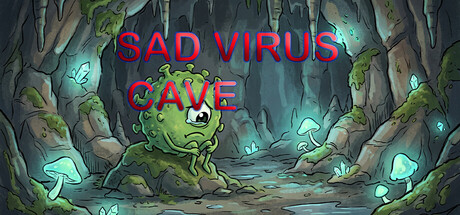 Sad Virus Cave Store/marketing art | Steam game logo and steam cover art made with ai tools | Kendall Studios | - | Aug 20, 2026 | |
 IM: VVI Galaxy Runaway In-game content audio | The current trailer temporarily uses AI-generated music as placeholder material, which we plan to replace with original music in a future update. | Taiji Bala | - | Aug 20, 2026 | |
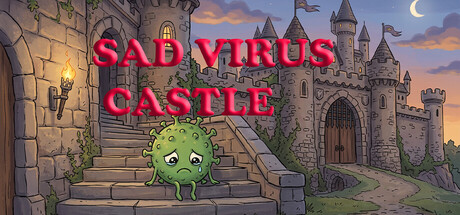 Sad Virus Castle Store/marketing art | Steam game logo and cover art to steam store page made with ai tools | Kendall Studios | - | Aug 20, 2026 | |
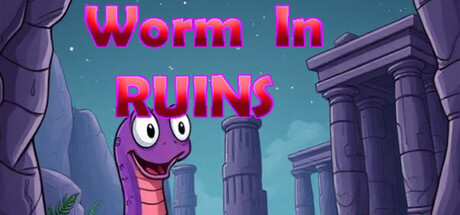 Worm in Ruins Store/marketing art | Steam store page logo and cover art made with ai tools | Kendall Studios | - | Aug 20, 2026 | |
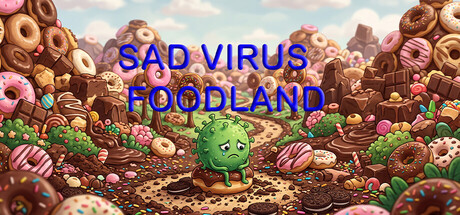 Sad Virus Foodland Store/marketing art | steam logo and cover art made with ai software | Kendall Studios | - | Aug 20, 2026 | |
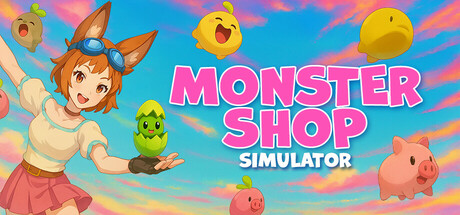 Monster Shop Simulator In-game content art | The images shown on the monster reveal screen after an egg is cracked, and the artwork used on the daily report screen, were created with generative AI. | For Fun Games | - | Aug 20, 2026 | |
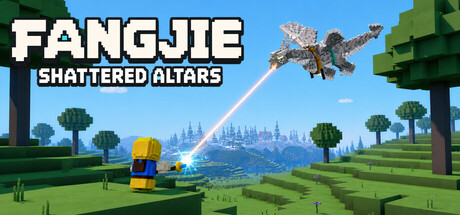 Fangjie:Shattered Altars In-game content artaudio | Some visual assets (a portion of skill icons and the boss health-bar UI element) and background music tracks were created with the assistance of AI generation tools. | Synvize | - | Aug 19, 2026 | |
 Obolus In-game content art | The 2D art in OBOLUS is made with image generation models running locally on my own machine — Stable Diffusion XL through ComfyUI, including a style model I trained myself on 1930s cartoon references. None of it is a raw output: every sprite, backdrop, card frame and icon was directed through many passes, then cut out, colour-corrected, upscaled and assembled frame by frame into animation sheets.
Everything else is not AI: the rules, every card and every number on it, the balance, the 22 heroes, the six lands, the writing and the interface. The sound effects are synthesised by code written for this game.
Nothing is generated while you play. The game makes no network calls and ships with no model — nothing runs on your machine, and none of your data goes anywhere. | briciagames | - | Aug 19, 2026 | |
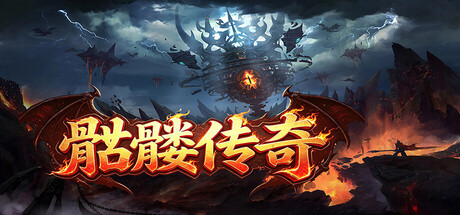 骷髅传奇 Store/marketing art | Assets on the store page have been AI‑enhanced. | 骷髅传奇 | - | Aug 19, 2026 | |
 Gearbound In-game content artaudio | The visual art in Gearbound is made with PixelLab, an AI pixel-art tool. Every sprite, animation, tileset, background, prop, interface element and piece of marketing art was generated with PixelLab and then directed, edited and assembled by us.
The music and sound effects are rendered by synthesis scripts that were written with AI assistance. No generative audio model was used, and nothing was sourced from a music-generation service.
Nothing is generated by AI while you play. Every asset is finished and baked into the build before it ships, and the game makes no AI calls at runtime. | Osaka Rock | - | Aug 19, 2026 | |
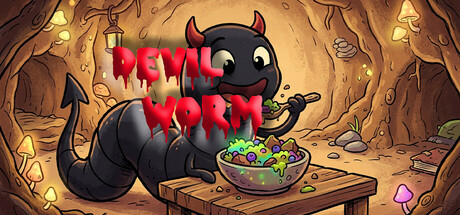 Devil Worm Store/marketing art | Game logo and cover art to store page made with ai tools | Saylor Games | - | Aug 19, 2026 | |
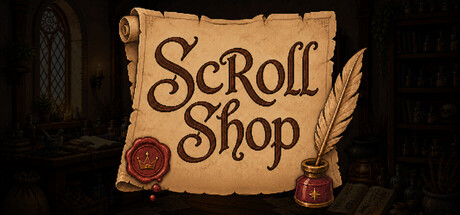 Scroll Shop In-game content audiocode | Music and sound effects were AI-generated (Suno / ElevenLabs) and edited by the developer. AI (Claude Code) was also used as a coding assistant during development. Visual assets are licensed/purchased assets and are not AI-generated. No AI content is generated live during gameplay all content is fixed and authored before release. | indie-dir | - | Aug 19, 2026 | |
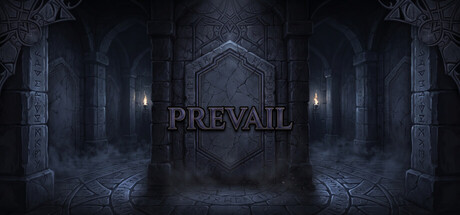 Prevail In-game content artcode | AI was used to generate some of the assets and most of the code. | Alboc Studios | - | Aug 19, 2026 | |
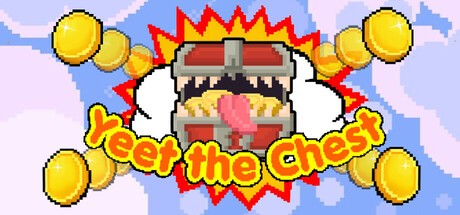 Yeet the Chest Store/marketing text | We used AI tools to assist in drafting and refining parts of the game's store description and promotional texts | GooseBumps | - | Aug 19, 2026 |


