Public Steam disclosure research25,394 disclosures tracked
Where do games disclose AI use?
Search developers’ Steam disclosures, compare classified AI use across
games, and follow recorded changes.
This index adds cross-game classifications and statistics to
statements published on individual store pages.
Groups reflect automatic analysis of public disclosures; mature records are excluded. These counts do not measure AI use across all of Steam.
Missing or unclear statements cannot establish whether a game uses AI.
Generative AI was not used to create any in-game content resources. AI was utilized solely for the translation of certain in-game dialogue and external content, such as our Steam page and community posts.
AI-assisted tools are becoming part of modern game development, and we believe in being transparent about how we use them. Aviator combines AI-assisted workflows with human creative direction, design, review, and final decision-making throughout development.
Generative AI was used in this game to assist with the creation of some character voiceovers and in the coding process. The game's visual and narrative design were created by our team.
Nothing in GREATER FOOL is generated while you play. Every run is
deterministic code with seeded randomness, all music and sound is
synthesized live by the game itself, and no art comes from an image
generator: the pixel art, the icons, and the store images are drawn
in code, shape by shape.
AI assistance was used while drafting some of the game's written text,
which I edited and rewrote to fit the voice of the game.
Ai was used to develop the code, artwork, various events, and dialogue in the game. Most player-facing text was reviewed by humans and many of the events and conversations were approved, improved, or rewritten by humans. There is no run-time AI usage, everything was created before the game runs, only standard computer actions are done at runtime. ex. selections and randomization of existing content.
Artificial Intelligence was used primarily for generating Steam capsule artwork, specific gameplay sounds, and assistance with mathematical code functions. All AI-generated content was manually edited and reviewed throughout every stage of development.
This project is human-led and human-authored. The core concept, research direction, cultural framing, interactive decisions, visual judgement, source selection, and the final content of the work were all determined by me.
AI was used as a supporting production tool, mainly for: debugging Unity and C# errors; suggesting code structure for prototype scripts; organising local folders and repository structure; searching for public references and technical resources; and drafting editable documentation outlines that I then reviewed and revised.
AI was not used as an autonomous author. It did not decide the research direction, cultural interpretation, aesthetic intention, or final meaning of the work. AI-generated text and code were treated as working material - selected, edited, corrected, rejected, or rewritten. The personal reflection was written by me; no AI-generated text is presented as personal reflective writing.
The store page and promotional images for VoxCaster were made with the help of generative AI tools. The game itself contains no real-time AI-generated content. All AI-assisted art is human-reviewed.
Some visual assets in Butterfly Project (such as backgrounds and illustrations) were created with the assistance of generative AI tools, then selected and integrated by the developer. Gameplay, systems, and overall design are human-made.
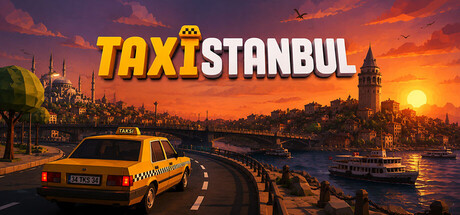
Some sound effects were created with AI tools, and a small number of background 3D assets were initially AI-generated, then manually optimized. Parts of the promotional artwork were made with AI assistance. Everything else, including all gameplay systems, the driving and economy mechanics, and the street-by-street recreation of Istanbul's historic peninsula, is hand-crafted by a solo developer.
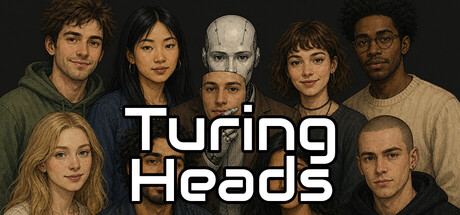
In keeping with the game's premise, many of the in-game AI opponent's answers — along with question prompts, post-game flavor text, and portions of the French localization — were written with the help of generative AI, reviewed and directed throughout by the developer.
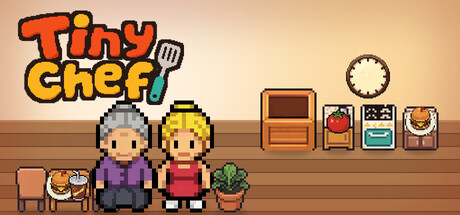
Some of the placeholder art currently in Tiny Chef was generated with AI tools while the game is in development. It is temporary and is being replaced with final artwork drawn by a human artist.
We used generative AI tools (such as Midjourney) to pre-generate some background illustrations and story artworks. All generated assets have been carefully reviewed and edited to ensure they do not violate any copyright or community guidelines.
Generative AI was used to assist with the creation of code-based 3D geometry built in Three.js, as well as some sound assets included in the game. These assets are reviewed, adjusted, and integrated by the developer, and may be revised or replaced throughout development.
Generative AI tools were used to assist with drafting and editing Steam store page text and marketing copy. The game does not use generative AI to create live gameplay content.
Our game, Neo-Exodus: Last Bastion, utilizes generative AI tools to assist in the creation of certain visual assets. Specifically, AI-generated content is used for some static background images, textures, and promotional art displayed on the store page and within the game. All AI-generated content is pre-generated; there is no real-time generation of content during gameplay. We have manually reviewed and curated all AI-assisted assets to ensure they meet our quality and safety standards.
Some objects, textures, images, and audio assets in this game were created or enhanced using generative artificial intelligence. All AI-generated content has been reviewed, edited, and integrated by the developer as part of the game's artistic vision.
This is a text-based game; the illustrative background images were created using a combination of AI technology and Photoshop, the character sprites were hand-drawn and colored using AI, and the music was composed and produced using AI tools.
Generative AI was used to assist in creating some UI elements and sound effects. All AI-generated assets were reviewed and edited by the developer before being included in the game.
About the Use of AI in the Game
AI-assisted tools have been used in various aspects of this project's development process.
Programming: AI-assisted tools were used during the development of game systems, user interfaces, and various technical features. The generated code was reviewed, edited, tested, and adapted to the project's needs by the development team.
Visuals: AI tools were used in the creation of certain concept designs, environment artwork, and visual content. However, all content was reviewed, refined, and adapted to fit the artistic direction of the project by the development team.
Creative Process: The development process generally follows three stages. First, the game concept, environment designs, and core creative decisions are created by the team. AI tools are then used to generate alternative ideas, variations, and more detailed iterations of existing concepts. Finally, all results are reviewed, refined, and improved through manual quality control processes.
For example, some environment designs begin with compositions and layouts created by the team. AI tools may then be used to assist with additional detailing, after which the final adjustments and refinements are completed manually.
Our goal is to use AI as a tool that supports the creative process while ensuring that all creative decisions, project direction, and final quality control remain under human supervision.
Generative AI is used to post-process capsule and marketing artwork on this game's Steam page; the underlying compositions and creative direction are the developer's own.
Some item names and interface translations into languages other than English were created
with AI assistance, then carefully reviewed and edited by the developer. Parts of the 2D
artwork were created with image generation tools, then carefully curated, edited, and
composited by hand. Audio was created by people and comes from CC0-licensed sources with
attribution. No AI content is generated during gameplay. The game does not generate AI
content at runtime, and no player data is ever sent to any AI service.
Pixel art assets, the soundtrack, and portions of the game's writing were created with generative AI, then curated and edited by the developer. The game's design, satirical concept, and systems are original human work. All sound effects were recorded by voice actors.
Some of this game's visual assets (logo, promotional and store page images, character/enemy) were created with the aid of generative AI tools during development. All generated content was reviewed, curated and refined manually by the developer. The game does not use generative AI in real time during gameplay: all assets are pre-generated and static.
Dieses Spiel enthält vorab erstellte Inhalte, die teilweise mit Unterstützung generativer KI-Tools erstellt wurden. Dazu können einzelne Grafiken, Icons, Textentwürfe, Beschreibungen, Dialoge oder Lokalisierungstexte gehören. Alle KI-unterstützten Inhalte wurden vom Entwickler geprüft, ausgewählt und bei Bedarf manuell überarbeitet, damit sie zum Stil, zur Handlung und zur Qualität des Spiels passen. Während des Spielens werden keine neuen Inhalte durch KI generiert.
This game includes pre-generated AI-assisted visual/audio/text assets that were selected, edited, and integrated by the developer. The game does not use live-generated AI during play.
Generative AI was used solely for the creation of a store/community icon associated with this product. No gameplay content, in-game assets, or soundtrack audio were generated using AI.
Generative AI tools were used during development to assist in creating visual concept art, UI background textures, and promotional graphics, as well as providing development assistance for code optimization and localization text. All AI-assisted assets were pre-generated prior to release, curated, and manually edited by the developer. The game does not feature any live or real-time AI content generation during gameplay.
Generative AI was not used to create any in-game content resources. AI was utilized solely for the translation of certain in-game dialogue and external content, such as our Steam page and community posts.
AI-assisted tools are becoming part of modern game development, and we believe in being transparent about how we use them. Aviator combines AI-assisted workflows with human creative direction, design, review, and final decision-making throughout development.
Generative AI was used in this game to assist with the creation of some character voiceovers and in the coding process. The game's visual and narrative design were created by our team.
Nothing in GREATER FOOL is generated while you play. Every run is
deterministic code with seeded randomness, all music and sound is
synthesized live by the game itself, and no art comes from an image
generator: the pixel art, the icons, and the store images are drawn
in code, shape by shape.
AI assistance was used while drafting some of the game's written text,
which I edited and rewrote to fit the voice of the game.
Ai was used to develop the code, artwork, various events, and dialogue in the game. Most player-facing text was reviewed by humans and many of the events and conversations were approved, improved, or rewritten by humans. There is no run-time AI usage, everything was created before the game runs, only standard computer actions are done at runtime. ex. selections and randomization of existing content.
Artificial Intelligence was used primarily for generating Steam capsule artwork, specific gameplay sounds, and assistance with mathematical code functions. All AI-generated content was manually edited and reviewed throughout every stage of development.
This project is human-led and human-authored. The core concept, research direction, cultural framing, interactive decisions, visual judgement, source selection, and the final content of the work were all determined by me.
AI was used as a supporting production tool, mainly for: debugging Unity and C# errors; suggesting code structure for prototype scripts; organising local folders and repository structure; searching for public references and technical resources; and drafting editable documentation outlines that I then reviewed and revised.
AI was not used as an autonomous author. It did not decide the research direction, cultural interpretation, aesthetic intention, or final meaning of the work. AI-generated text and code were treated as working material - selected, edited, corrected, rejected, or rewritten. The personal reflection was written by me; no AI-generated text is presented as personal reflective writing.
The store page and promotional images for VoxCaster were made with the help of generative AI tools. The game itself contains no real-time AI-generated content. All AI-assisted art is human-reviewed.
Some visual assets in Butterfly Project (such as backgrounds and illustrations) were created with the assistance of generative AI tools, then selected and integrated by the developer. Gameplay, systems, and overall design are human-made.
Some sound effects were created with AI tools, and a small number of background 3D assets were initially AI-generated, then manually optimized. Parts of the promotional artwork were made with AI assistance. Everything else, including all gameplay systems, the driving and economy mechanics, and the street-by-street recreation of Istanbul's historic peninsula, is hand-crafted by a solo developer.
In keeping with the game's premise, many of the in-game AI opponent's answers — along with question prompts, post-game flavor text, and portions of the French localization — were written with the help of generative AI, reviewed and directed throughout by the developer.
Some of the placeholder art currently in Tiny Chef was generated with AI tools while the game is in development. It is temporary and is being replaced with final artwork drawn by a human artist.
We used generative AI tools (such as Midjourney) to pre-generate some background illustrations and story artworks. All generated assets have been carefully reviewed and edited to ensure they do not violate any copyright or community guidelines.
Generative AI was used to assist with the creation of code-based 3D geometry built in Three.js, as well as some sound assets included in the game. These assets are reviewed, adjusted, and integrated by the developer, and may be revised or replaced throughout development.
Generative AI tools were used to assist with drafting and editing Steam store page text and marketing copy. The game does not use generative AI to create live gameplay content.
Our game, Neo-Exodus: Last Bastion, utilizes generative AI tools to assist in the creation of certain visual assets. Specifically, AI-generated content is used for some static background images, textures, and promotional art displayed on the store page and within the game. All AI-generated content is pre-generated; there is no real-time generation of content during gameplay. We have manually reviewed and curated all AI-assisted assets to ensure they meet our quality and safety standards.
Some objects, textures, images, and audio assets in this game were created or enhanced using generative artificial intelligence. All AI-generated content has been reviewed, edited, and integrated by the developer as part of the game's artistic vision.
This is a text-based game; the illustrative background images were created using a combination of AI technology and Photoshop, the character sprites were hand-drawn and colored using AI, and the music was composed and produced using AI tools.
Generative AI was used to assist in creating some UI elements and sound effects. All AI-generated assets were reviewed and edited by the developer before being included in the game.
About the Use of AI in the Game
AI-assisted tools have been used in various aspects of this project's development process.
Programming: AI-assisted tools were used during the development of game systems, user interfaces, and various technical features. The generated code was reviewed, edited, tested, and adapted to the project's needs by the development team.
Visuals: AI tools were used in the creation of certain concept designs, environment artwork, and visual content. However, all content was reviewed, refined, and adapted to fit the artistic direction of the project by the development team.
Creative Process: The development process generally follows three stages. First, the game concept, environment designs, and core creative decisions are created by the team. AI tools are then used to generate alternative ideas, variations, and more detailed iterations of existing concepts. Finally, all results are reviewed, refined, and improved through manual quality control processes.
For example, some environment designs begin with compositions and layouts created by the team. AI tools may then be used to assist with additional detailing, after which the final adjustments and refinements are completed manually.
Our goal is to use AI as a tool that supports the creative process while ensuring that all creative decisions, project direction, and final quality control remain under human supervision.
Generative AI is used to post-process capsule and marketing artwork on this game's Steam page; the underlying compositions and creative direction are the developer's own.
Some item names and interface translations into languages other than English were created
with AI assistance, then carefully reviewed and edited by the developer. Parts of the 2D
artwork were created with image generation tools, then carefully curated, edited, and
composited by hand. Audio was created by people and comes from CC0-licensed sources with
attribution. No AI content is generated during gameplay. The game does not generate AI
content at runtime, and no player data is ever sent to any AI service.
Pixel art assets, the soundtrack, and portions of the game's writing were created with generative AI, then curated and edited by the developer. The game's design, satirical concept, and systems are original human work. All sound effects were recorded by voice actors.
Some of this game's visual assets (logo, promotional and store page images, character/enemy) were created with the aid of generative AI tools during development. All generated content was reviewed, curated and refined manually by the developer. The game does not use generative AI in real time during gameplay: all assets are pre-generated and static.
Dieses Spiel enthält vorab erstellte Inhalte, die teilweise mit Unterstützung generativer KI-Tools erstellt wurden. Dazu können einzelne Grafiken, Icons, Textentwürfe, Beschreibungen, Dialoge oder Lokalisierungstexte gehören. Alle KI-unterstützten Inhalte wurden vom Entwickler geprüft, ausgewählt und bei Bedarf manuell überarbeitet, damit sie zum Stil, zur Handlung und zur Qualität des Spiels passen. Während des Spielens werden keine neuen Inhalte durch KI generiert.
This game includes pre-generated AI-assisted visual/audio/text assets that were selected, edited, and integrated by the developer. The game does not use live-generated AI during play.
Generative AI was used solely for the creation of a store/community icon associated with this product. No gameplay content, in-game assets, or soundtrack audio were generated using AI.
Generative AI tools were used during development to assist in creating visual concept art, UI background textures, and promotional graphics, as well as providing development assistance for code optimization and localization text. All AI-assisted assets were pre-generated prior to release, curated, and manually edited by the developer. The game does not feature any live or real-time AI content generation during gameplay.