Public Steam disclosure research25,394 disclosures tracked
Where do games disclose AI use?
Search developers’ Steam disclosures, compare classified AI use across
games, and follow recorded changes.
This index adds cross-game classifications and statistics to
statements published on individual store pages.
Groups reflect automatic analysis of public disclosures; mature records are excluded. These counts do not measure AI use across all of Steam.
Missing or unclear statements cannot establish whether a game uses AI.
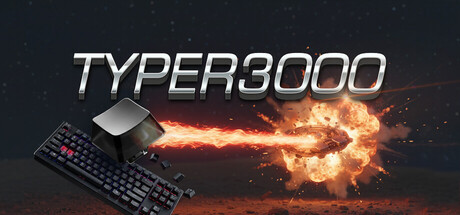
We have used AI primarily for image generation and for optimizing the network system in Typer3000. AI-driven image generation allowed us to rapidly create and iterate visual assets such as backgrounds, interface elements, and stylistic variations, ensuring a consistent and scalable visual design.
In addition, we have used AI to support the setup and optimization of the multiplayer network architecture. It helped us refine data transmission strategies, reduce latency, and improve synchronization of player inputs, resulting in a smooth and responsive real-time gameplay experience.
Some visual assets in this game are created with the assistance of generative AI during development. This includes portions of the card artwork, some environmental/scenery visuals, and some character illustrations. These AI-assisted assets are curated, edited, and integrated by the developer as part of the game’s art pipeline. No live-generated AI content is used during gameplay.
We use generative AI tools during development to create certain pre-rendered audio assets (sound effects and background music). We ensure that prompts do not reference copyrighted works, artists, or specific intellectual property. We use commercially licensed AI services and comply with their terms of service.
Generative AI tools were used solely to assist with localization and translation processes. All translated content was reviewed and edited by the development team before being implemented in the game. The game does not use live AI-generated content during gameplay.
Most of the content is developed using traditional development practices.
However, AI tools were used to support the creation of certain 3D in-game assets and audio assets.
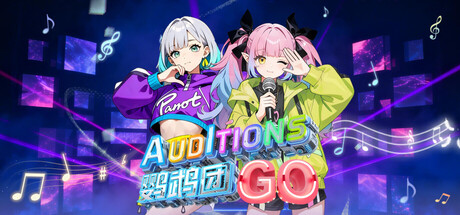
This game is an AI-driven virtual idol rhythm and stage performance music game, allowing AI to generate and create virtual idol characters, backgrounds, songs, and more in real time. Relevant content has been set with content filtering and review to ensure that all generated content complies with game design and community standards.
Generative AI was used during the development of Arcane Souls to create and iterate on visual assets, specifically the game's icon, logo elements, and UI concepts. All AI-generated content has been manually reviewed, curated, and edited to ensure it aligns with the game's artistic direction and does not violate any third-party rights or Steam’s community standards.
AI usage has been very light and, in my opinion, the correct/optimal use of AI.
AI has been predominately used in the form of a chatbot efficiency tool. I've used it to troubleshoot matchmaking logic flows, I've pasted blocks of text for it to clean up readability or catch spelling errors, I just asked it for the quickest way to change images to grayscale in MS Paint as I was creating Steam Achievements. Things like that.
I have hired an artist that claims he does not use AI, though I admit I cannot completely verify that. The hero image and some title art was developed by him. All sprite work in the game itself was made by humans. Music was pulled from various places. My brother-in-law created some songs and did not use AI. Other tracks and sound effects were pulled from free-use websites that did not make any AI disclosures.
Really truly, the heart and soul of this game is for humans made by humans. AI has been used, but only as the tool it is meant to be, not as the replacement of human creativity it is slowly elbowing its way into.
Some of the images and in game models and sounds are created using AI to speed up the development process and allow focus on core gameplay elements.
All elements are reviewed by devs.
No AI is running or applied during gameplay.
GenAI was used for the generation of limited in-game and store page artwork. I am actively seeking an artist open to minor projects to replace AI content.
We used AI to generate initial music tracks, concept art, and temporary translations into some languages.
All materials were then thoroughly edited, reworked, and finalized by humans.
Nothing went straight from the generator into the game.
Certain pre-generated visual assets in the game and store materials, such as some icons and background artwork, were created with the assistance of generative AI during development. All such assets were reviewed, curated, and integrated by the developer. The game does not generate AI content during gameplay and does not use live external AI services.
Generative AI was used to assist in the creation of certain game art assets, such as textures and UI elements. These assets were further refined and polished by our internal development team to ensure visual quality and consistency within the Unreal Engine environment.
Text in the game and its promotional materials is machine translated.
No code or graphic assets in the game itself, or its promotional materials, have been generated using machine learning algorithms.
Generative AI was used as a supportive tool to enhance the visual details of character portraits and a specific in-game interactable item. Additionally, AI-assisted technology was utilized to refine multi-language translations to ensure linguistic accuracy for global players, and AI-generated voice technology was used for the audio narration in the main teaser video.
Pre-generated AI was used to assist in creating some store page and marketing artwork (including capsules and promotional images). These assets were manually reviewed and edited before use. No AI-generated content is created during gameplay.
As a solo developer starting out a hobby project, I used different AI generated images early on.
I have since, after deciding to stick with the game, attempted to clean up and change to known license images and content, or make and remake where possible.
This project is being developed by a small two-person team.
The use of AI tools in this project is strictly limited to the following assets:
- flag textures
- selected marketing assets and voice lines
We plan to replace these elements with fully original, custom-created assets and professionally recorded voice acting as soon as funding allows.
All AI-assisted content is reviewed, edited, and integrated by the development team to ensure consistency and quality.
During the development process, we may use procedural- and AI-based tools to assist with content creation. In all such cases, the final product reflects the creativity and expression of our own development team.
Some minor visual elements such as parts of the logo design and a few user-interface textures were originally assisted by generative tools and then refined manually.
Some promotional images were created or enhanced using generative AI tools. The game also contains AI-generated voice narration. All AI-generated content was reviewed and integrated by the developer
During the development and live service of the game, AI-based tools may be utilized to support in game visual content creation, marketing materials, live chat translation features, and partial in-game dialogue and script localization.
In all such cases and regardless of the workflow, the final product is a reflection of our own development team's creativity and artistic expression.
As a small indie team, we may use procedural and/or AI-based tools to assist with the development process. In all such cases, the final product reflects the creativity and expression of our own development team.
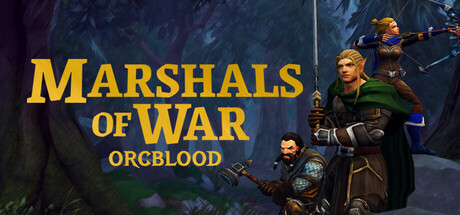
Marshals of War is the result of years of work by a solo developer, supported by freelance artists and collaborators. Generative AI has been used to explore ideas and directions, influencing some assets in the game and its marketing. Handcrafted work remains the primary process behind the game’s development.
We used AI in some of the UI assets of the game. It was used for ideas as well as to generate some of the icons that would then be cleaned up by us and added in.
Our main programmer didn't use any AI for code, but our newbie programmer did use it to help with learning code and to develop/help with smaller portions of the game.
This game has used AI in debugging and some code tweaks with help from a human, and some development assets that have since been replaced with human made assets
Generative AI tools were used to assist with the creation and editing of artwork for some Steam Store and Library assets, as well as with the translation and localization of game-related text. All AI-assisted content was reviewed, edited, and finalized by the development team. Generative AI is not used to generate content during gameplay, and the game does not connect to any external AI services.
We have used AI primarily for image generation and for optimizing the network system in Typer3000. AI-driven image generation allowed us to rapidly create and iterate visual assets such as backgrounds, interface elements, and stylistic variations, ensuring a consistent and scalable visual design.
In addition, we have used AI to support the setup and optimization of the multiplayer network architecture. It helped us refine data transmission strategies, reduce latency, and improve synchronization of player inputs, resulting in a smooth and responsive real-time gameplay experience.
Some visual assets in this game are created with the assistance of generative AI during development. This includes portions of the card artwork, some environmental/scenery visuals, and some character illustrations. These AI-assisted assets are curated, edited, and integrated by the developer as part of the game’s art pipeline. No live-generated AI content is used during gameplay.
We use generative AI tools during development to create certain pre-rendered audio assets (sound effects and background music). We ensure that prompts do not reference copyrighted works, artists, or specific intellectual property. We use commercially licensed AI services and comply with their terms of service.
Generative AI tools were used solely to assist with localization and translation processes. All translated content was reviewed and edited by the development team before being implemented in the game. The game does not use live AI-generated content during gameplay.
Most of the content is developed using traditional development practices.
However, AI tools were used to support the creation of certain 3D in-game assets and audio assets.
This game is an AI-driven virtual idol rhythm and stage performance music game, allowing AI to generate and create virtual idol characters, backgrounds, songs, and more in real time. Relevant content has been set with content filtering and review to ensure that all generated content complies with game design and community standards.
Generative AI was used during the development of Arcane Souls to create and iterate on visual assets, specifically the game's icon, logo elements, and UI concepts. All AI-generated content has been manually reviewed, curated, and edited to ensure it aligns with the game's artistic direction and does not violate any third-party rights or Steam’s community standards.
AI usage has been very light and, in my opinion, the correct/optimal use of AI.
AI has been predominately used in the form of a chatbot efficiency tool. I've used it to troubleshoot matchmaking logic flows, I've pasted blocks of text for it to clean up readability or catch spelling errors, I just asked it for the quickest way to change images to grayscale in MS Paint as I was creating Steam Achievements. Things like that.
I have hired an artist that claims he does not use AI, though I admit I cannot completely verify that. The hero image and some title art was developed by him. All sprite work in the game itself was made by humans. Music was pulled from various places. My brother-in-law created some songs and did not use AI. Other tracks and sound effects were pulled from free-use websites that did not make any AI disclosures.
Really truly, the heart and soul of this game is for humans made by humans. AI has been used, but only as the tool it is meant to be, not as the replacement of human creativity it is slowly elbowing its way into.
Some of the images and in game models and sounds are created using AI to speed up the development process and allow focus on core gameplay elements.
All elements are reviewed by devs.
No AI is running or applied during gameplay.
GenAI was used for the generation of limited in-game and store page artwork. I am actively seeking an artist open to minor projects to replace AI content.
We used AI to generate initial music tracks, concept art, and temporary translations into some languages.
All materials were then thoroughly edited, reworked, and finalized by humans.
Nothing went straight from the generator into the game.
Certain pre-generated visual assets in the game and store materials, such as some icons and background artwork, were created with the assistance of generative AI during development. All such assets were reviewed, curated, and integrated by the developer. The game does not generate AI content during gameplay and does not use live external AI services.
Generative AI was used to assist in the creation of certain game art assets, such as textures and UI elements. These assets were further refined and polished by our internal development team to ensure visual quality and consistency within the Unreal Engine environment.
Text in the game and its promotional materials is machine translated.
No code or graphic assets in the game itself, or its promotional materials, have been generated using machine learning algorithms.
Generative AI was used as a supportive tool to enhance the visual details of character portraits and a specific in-game interactable item. Additionally, AI-assisted technology was utilized to refine multi-language translations to ensure linguistic accuracy for global players, and AI-generated voice technology was used for the audio narration in the main teaser video.
Pre-generated AI was used to assist in creating some store page and marketing artwork (including capsules and promotional images). These assets were manually reviewed and edited before use. No AI-generated content is created during gameplay.
As a solo developer starting out a hobby project, I used different AI generated images early on.
I have since, after deciding to stick with the game, attempted to clean up and change to known license images and content, or make and remake where possible.
This project is being developed by a small two-person team.
The use of AI tools in this project is strictly limited to the following assets:
- flag textures
- selected marketing assets and voice lines
We plan to replace these elements with fully original, custom-created assets and professionally recorded voice acting as soon as funding allows.
All AI-assisted content is reviewed, edited, and integrated by the development team to ensure consistency and quality.
During the development process, we may use procedural- and AI-based tools to assist with content creation. In all such cases, the final product reflects the creativity and expression of our own development team.
Some minor visual elements such as parts of the logo design and a few user-interface textures were originally assisted by generative tools and then refined manually.
Some promotional images were created or enhanced using generative AI tools. The game also contains AI-generated voice narration. All AI-generated content was reviewed and integrated by the developer
During the development and live service of the game, AI-based tools may be utilized to support in game visual content creation, marketing materials, live chat translation features, and partial in-game dialogue and script localization.
In all such cases and regardless of the workflow, the final product is a reflection of our own development team's creativity and artistic expression.
As a small indie team, we may use procedural and/or AI-based tools to assist with the development process. In all such cases, the final product reflects the creativity and expression of our own development team.
Marshals of War is the result of years of work by a solo developer, supported by freelance artists and collaborators. Generative AI has been used to explore ideas and directions, influencing some assets in the game and its marketing. Handcrafted work remains the primary process behind the game’s development.
We used AI in some of the UI assets of the game. It was used for ideas as well as to generate some of the icons that would then be cleaned up by us and added in.
Our main programmer didn't use any AI for code, but our newbie programmer did use it to help with learning code and to develop/help with smaller portions of the game.
This game has used AI in debugging and some code tweaks with help from a human, and some development assets that have since been replaced with human made assets
Generative AI tools were used to assist with the creation and editing of artwork for some Steam Store and Library assets, as well as with the translation and localization of game-related text. All AI-assisted content was reviewed, edited, and finalized by the development team. Generative AI is not used to generate content during gameplay, and the game does not connect to any external AI services.