Public Steam disclosure research25,394 disclosures tracked
Where do games disclose AI use?
Search developers’ Steam disclosures, compare classified AI use across
games, and follow recorded changes.
This index adds cross-game classifications and statistics to
statements published on individual store pages.
Groups reflect automatic analysis of public disclosures; mature records are excluded. These counts do not measure AI use across all of Steam.
Missing or unclear statements cannot establish whether a game uses AI.
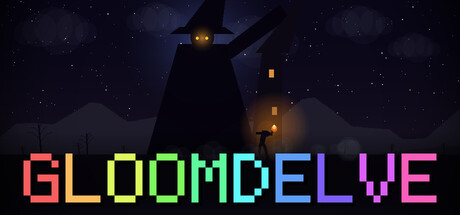
GloomDelve's visuals, audio, and dungeons are generated procedurally by hand-written code; calculated geometry, synthesized sound, and deterministic seed-based level generation, not by generative AI. Generative AI tools were used during development to assist with translating the interface into non-English languages. The game generates no content at runtime and connects to no AI service while you play. Every run is produced by the same deterministic procedural systems.
- All in-game art was hand-drawn by several artists
- The game cover and logo were hand-drawn by an artist
- Translations from English into other languages were partially done using artificial intelligence, because hiring professional translators is expensive for us, and they often rely heavily on AI for their translations. So if you notice an error in the text, please let us know so we can correct it.
- Some of the background music was created using AI
Generative AI was used to assist with artwork concept drafts, music ideation, localization, and code-writing during development. All final content was reviewed and curated by the developer.
This game contains pre-generated visual, audio, and text assets created with generative AI and selected, directed, edited, and integrated by the developer. It does not use live-generated AI content during gameplay.
Generative AI was used to assist in creating some pre-generated art assets, including portions of card artwork, UI decorations, and store marketing imagery. All AI-assisted assets are reviewed, edited, and integrated by the developer before inclusion. The game does not use generative AI to generate content while running.
Generative AI tools were used during development to assist with creating some 2D art assets, including certain environment backgrounds, UI decorations, item icons, and store promotional images. All AI-assisted content was reviewed, edited, and integrated by the developer as pre-generated game assets. The game does not generate AI content during gameplay or send player input or personal data to generative AI services.
Some artwork , sound effects, and music were created using generative AI tools. All content was pre-generated during development and reviewed/edited by the developer. The game does not generate content at runtime.
Some card illustrations were created with the assistance of generative AI during development, then selected, edited, and integrated by the developer. No AI-generated content is created during gameplay.
Generative AI tools were used during development to assist with portions of the game’s code, including implementation, debugging, refactoring, and testing. The resulting code was reviewed, edited, integrated, and tested before inclusion in the shipped build. The game does not contain a generative AI model, does not connect to a generative AI service, does not accept player prompts, and does not generate code or other AI content while running.
Some of this game's assets were made with the assistance of generative AI tools and were reviewed, curated and hand-finished by the developer. No content is generated while you play.
Loot Survivors is made by one person.
I use generative AI as a production tool so that a solo developer can deliver the quality and the update pace players expect. It helps me with things like concept art and texture work, UI icons, and item and flavor text.
Every generated asset is reviewed, edited, and hand-integrated by me — AI output is a starting point, never a finished asset. The game's design, systems, balance, and code direction are my own work.
Nothing is generated while you play. All content ships inside the build.
Graphic assets such as sprites and decorations are created with AI tools, then refined by hand in software like Photoshop. Videos follow the same process. Music and sound effects contain no AI-generated content.
Some visual assets (character portraits, dice, and background pixel art) were created with the assistance of generative AI tools and were then curated and edited by the developer. The soundtrack was created with Suno under a paid commercial license. All AI-assisted content was reviewed and finalized by the developer. The game does not generate any content with AI at runtime.
Some of this game's art assets (character, enemy, boss, and environment artwork) and
its music were produced with the assistance of generative AI tools. All AI-assisted
material was curated, edited, composited, and integrated into the game by hand by the
developer. No AI-generated content is created live during gameplay.
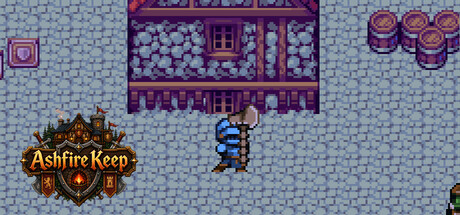
Some pre-generated visual and narrative elements included in Ashfire Keep were created or assisted using generative AI tools under the developer's creative direction. This includes the Ashfire Keep logo, selected HUD mockups and edited derivatives used in the final interface, and narrative text that was reviewed, corrected, and approved by the developer. The game does not generate AI content at runtime, does not connect to generative AI services during gameplay, and does not send player data to AI services. All other visual and audio assets are commercially licensed third-party assets.
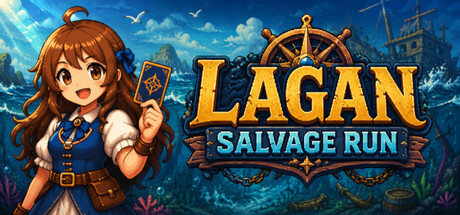
All visual assets and store page copy that ship with the product were created using generative AI tools during development, then reviewed and edited by the developer. This includes: card illustrations, creature and hazard art, UI iconography, and backgrounds within the game; the Steam capsule and header images; and the written store page description. Store page screenshots are unaltered captures of the running game. No content is generated at runtime; all assets are static and baked into the build. Procedural systems in the game (seeded board layout, salvage rolls) are deterministic algorithms, not generative AI.
Some visual assets and UI elements were created with the assistance of AI tools during development.
When you are trapped inside a machine, you must use the machine's tools.
We are sorry. It was the only way to reach you.
Some 2D art assets in this game (such as item and relic icons) were created with the assistance of generative AI image tools. All AI-assisted assets are reviewed and edited by the developer before being included in the game. No AI content is generated during gameplay.
Generative AI was used during development to assist in creating selected pre-rendered visual assets, including character and boss artwork. These assets were reviewed, edited, animated, and integrated by the developer. Star Claw does not generate content using AI while the game is running.
Pre-generated AI tools were used as part of the development workflow for selected visual and audio source materials. These materials were subsequently edited, refined, animated, and integrated by the developer. The game does not generate AI content during gameplay.
AI has been used to help code and shape the games content including Codex and Claude code. A premium Suno account was used to create music for the game. Codex was used to help generate art and in-game assets. All lore, scripting, and general architecture was hand crafted by the author of the game.
Pre-generated content. Character portraits, spell and keyword icons, and store artwork were produced using AI image generation tools, then selected, edited and assembled by the developer. Some in-game text was drafted with AI assistance and edited by the developer. Music and sound effects are licensed from human creators. No content is generated live while the game is running.
Parts of this game's audio and art were produced with generative AI tools and then reviewed, edited and finished by hand before shipping:
- Music: the background tracks were generated with an AI music tool (Suno) from our own briefs, then selected, trimmed, loudness-matched and looped by hand.
- Sound effects: part of the SFX layers were generated with an AI audio tool (ElevenLabs) and combined with locally synthesised layers, then mixed and balanced by hand.
- Visual effects and some enemy animation frames were AI-assisted and then corrected frame by frame against our approved art direction.
- The marketing key art used for the store capsules and library artwork was generated with an AI image tool, using our own approved character art and real in-game screenshots as references. The trailer narration voice is AI-generated.
No generative AI runs while you play: nothing is generated at runtime, and the game never sends your data to an AI service.
All game design, code, Chinese text, card and character data, the decomposition data behind the composing system, the interface and the calligraphy fonts are human-authored. Every screenshot and all gameplay footage is captured from the real build.
Generative AI technology is used in a supplementary capacity during the creation of some user interface assets.
Any such assets are replaced through our production pipeline by our art and development teams, ensuring they meet our quality standards and creative direction.
Generative AI tools were used to create most of the game’s 2D artwork, including sprites and animations for enemies, the player character, towers, relics, and other gameplay elements, as well as promotional materials.
All generated assets were reviewed, edited, refined, and integrated by the developer to maintain a consistent visual direction.
All AI-assisted content is pre-generated; no content is generated using AI during gameplay.
Regent City uses generative AI in parts of its production pipeline, including some character artwork and voice performances. All shipped assets are selected, edited, and art-directed by the solo developer to maintain a consistent visual and narrative identity.
This game is being developed solo. As an independent developer working with limited resources and budget, AI tools have been used in the production of some visual and musical assets:
Some character concept art, store page marketing materials, and background/atmospheric visuals were created using AI visual generation tools, then edited and integrated by the developer to fit the game's art direction.
Some visuals are included as placeholders and will be changed during development.
Some background music tracks were created using AI music generation tools.
The game's codebase, gameplay mechanics, character design, dialogue writing, and overall creative direction were all created manually by the developer alone. AI tools were used as a tool where access to a professional art/sound team was not possible as a solo developer; final decisions, edits, and the overall creative direction of the game were shaped by the developer.
Johnny Jagung uses generative AI across much of its content. The visual art (character, enemy, boss, and UI artwork), music, sound effects, in-game text, and Indonesian translation were all created with the help of generative AI tools, then reviewed, curated, and assembled into the game by the developer — for instance, character art is hand-edited, composited, and animated from generated source images. All AI-generated content is created during development; the game does not generate anything live while you play.
All game design, gameplay systems, worldbuilding, story, characters, progression systems, and creative direction were conceived, created, and directed by the development team. AI-assisted tools were used to support asset production, not to create the game's design, story, or gameplay.
No artist names, living artists, or copyrighted characters were used as prompts to imitate specific creators, intellectual property, or art styles.
This game contains pre-generated content created with the assistance of generative AI.
AI-assisted tools were used during development to create certain visual assets, voice performances, video content, and sound effects that are included in the game and its marketing materials.
The game does not use live-generated AI content. All AI-assisted content was reviewed, selected, edited, and integrated by the development team before being included in the final product.
The developer used generative AI tools during the development process to assist in coding, generate and retouch art assets, write game text, and create background music, voiceovers, and sound effects. All AI-generated assets have been reviewed, edited, and curated by the developer.
Some of the game's visual assets — both 2D and 3D — are built from AI-generated drafts that our artists rework and refine by hand into their final form. Localization was drafted with AI tools and edited by the team. The final look, content, and quality of every element of the game are defined and approved by humans.
AI tools were used during development to assist in the creation of some pre-generated content included in the game. All such content was reviewed, curated, and edited by the developer before inclusion. Some 2D sprites, icons, and key art were created with the assistance of generative AI tools. Music and sound effects were also created with the assistance of AI audio tools. Localization for languages other than English was produced with AI assistance and reviewed by the developer. The game does not use generative AI at runtime and does not generate any live AI content during gameplay.
Generative AI tools were used throughout development to assist in creating and refining game code, 2D artwork, UI assets, audio, music, and written content, and Steam promotional materials. All AI-assisted content included in the released product is selected, reviewed, integrated, and tested by the developer. The game does not use generative AI at runtime and does not generate content or code during gameplay.
Some of the placeholder art currently in Tiny Chef was generated with AI tools while the game is in development. It is temporary and is being replaced with final artwork drawn by a human artist.
applying filters and effect to artwork for promotional materials on the Steam page
generating simple sounds/audio for later editing and mixing in Audacity
This game was developed with the assistance of generative AI tools.
Generative AI tools assisted with the creation of skill icons, terrain textures, some in-game 3D assets and visual effects, and translated localization text. All final assets and translations included in the game were selected, edited, and reviewed by the developer before integration.
The game does not use any AI features that generate images, text, audio, or other content in real time in response to player input.
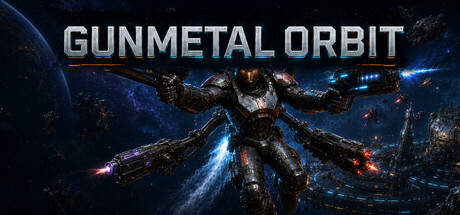
Some of Gunmetal Orbit's art and audio assets - including concept art used to build 3D models, UI icons, sound effects, and the store page key art - were created during development with the help of generative AI tools, then curated, edited, and integrated by the developers. All gameplay code and game design are human-made, and the game does not generate any AI content while you play.
GloomDelve's visuals, audio, and dungeons are generated procedurally by hand-written code; calculated geometry, synthesized sound, and deterministic seed-based level generation, not by generative AI. Generative AI tools were used during development to assist with translating the interface into non-English languages. The game generates no content at runtime and connects to no AI service while you play. Every run is produced by the same deterministic procedural systems.
- All in-game art was hand-drawn by several artists
- The game cover and logo were hand-drawn by an artist
- Translations from English into other languages were partially done using artificial intelligence, because hiring professional translators is expensive for us, and they often rely heavily on AI for their translations. So if you notice an error in the text, please let us know so we can correct it.
- Some of the background music was created using AI
Generative AI was used to assist with artwork concept drafts, music ideation, localization, and code-writing during development. All final content was reviewed and curated by the developer.
This game contains pre-generated visual, audio, and text assets created with generative AI and selected, directed, edited, and integrated by the developer. It does not use live-generated AI content during gameplay.
Generative AI was used to assist in creating some pre-generated art assets, including portions of card artwork, UI decorations, and store marketing imagery. All AI-assisted assets are reviewed, edited, and integrated by the developer before inclusion. The game does not use generative AI to generate content while running.
Generative AI tools were used during development to assist with creating some 2D art assets, including certain environment backgrounds, UI decorations, item icons, and store promotional images. All AI-assisted content was reviewed, edited, and integrated by the developer as pre-generated game assets. The game does not generate AI content during gameplay or send player input or personal data to generative AI services.
Some artwork , sound effects, and music were created using generative AI tools. All content was pre-generated during development and reviewed/edited by the developer. The game does not generate content at runtime.
Some card illustrations were created with the assistance of generative AI during development, then selected, edited, and integrated by the developer. No AI-generated content is created during gameplay.
Generative AI tools were used during development to assist with portions of the game’s code, including implementation, debugging, refactoring, and testing. The resulting code was reviewed, edited, integrated, and tested before inclusion in the shipped build. The game does not contain a generative AI model, does not connect to a generative AI service, does not accept player prompts, and does not generate code or other AI content while running.
Some of this game's assets were made with the assistance of generative AI tools and were reviewed, curated and hand-finished by the developer. No content is generated while you play.
Loot Survivors is made by one person.
I use generative AI as a production tool so that a solo developer can deliver the quality and the update pace players expect. It helps me with things like concept art and texture work, UI icons, and item and flavor text.
Every generated asset is reviewed, edited, and hand-integrated by me — AI output is a starting point, never a finished asset. The game's design, systems, balance, and code direction are my own work.
Nothing is generated while you play. All content ships inside the build.
Graphic assets such as sprites and decorations are created with AI tools, then refined by hand in software like Photoshop. Videos follow the same process. Music and sound effects contain no AI-generated content.
Some visual assets (character portraits, dice, and background pixel art) were created with the assistance of generative AI tools and were then curated and edited by the developer. The soundtrack was created with Suno under a paid commercial license. All AI-assisted content was reviewed and finalized by the developer. The game does not generate any content with AI at runtime.
Some of this game's art assets (character, enemy, boss, and environment artwork) and
its music were produced with the assistance of generative AI tools. All AI-assisted
material was curated, edited, composited, and integrated into the game by hand by the
developer. No AI-generated content is created live during gameplay.
Some pre-generated visual and narrative elements included in Ashfire Keep were created or assisted using generative AI tools under the developer's creative direction. This includes the Ashfire Keep logo, selected HUD mockups and edited derivatives used in the final interface, and narrative text that was reviewed, corrected, and approved by the developer. The game does not generate AI content at runtime, does not connect to generative AI services during gameplay, and does not send player data to AI services. All other visual and audio assets are commercially licensed third-party assets.
All visual assets and store page copy that ship with the product were created using generative AI tools during development, then reviewed and edited by the developer. This includes: card illustrations, creature and hazard art, UI iconography, and backgrounds within the game; the Steam capsule and header images; and the written store page description. Store page screenshots are unaltered captures of the running game. No content is generated at runtime; all assets are static and baked into the build. Procedural systems in the game (seeded board layout, salvage rolls) are deterministic algorithms, not generative AI.
Some visual assets and UI elements were created with the assistance of AI tools during development.
When you are trapped inside a machine, you must use the machine's tools.
We are sorry. It was the only way to reach you.
Some 2D art assets in this game (such as item and relic icons) were created with the assistance of generative AI image tools. All AI-assisted assets are reviewed and edited by the developer before being included in the game. No AI content is generated during gameplay.
Generative AI was used during development to assist in creating selected pre-rendered visual assets, including character and boss artwork. These assets were reviewed, edited, animated, and integrated by the developer. Star Claw does not generate content using AI while the game is running.
Pre-generated AI tools were used as part of the development workflow for selected visual and audio source materials. These materials were subsequently edited, refined, animated, and integrated by the developer. The game does not generate AI content during gameplay.
AI has been used to help code and shape the games content including Codex and Claude code. A premium Suno account was used to create music for the game. Codex was used to help generate art and in-game assets. All lore, scripting, and general architecture was hand crafted by the author of the game.
Pre-generated content. Character portraits, spell and keyword icons, and store artwork were produced using AI image generation tools, then selected, edited and assembled by the developer. Some in-game text was drafted with AI assistance and edited by the developer. Music and sound effects are licensed from human creators. No content is generated live while the game is running.
Parts of this game's audio and art were produced with generative AI tools and then reviewed, edited and finished by hand before shipping:
- Music: the background tracks were generated with an AI music tool (Suno) from our own briefs, then selected, trimmed, loudness-matched and looped by hand.
- Sound effects: part of the SFX layers were generated with an AI audio tool (ElevenLabs) and combined with locally synthesised layers, then mixed and balanced by hand.
- Visual effects and some enemy animation frames were AI-assisted and then corrected frame by frame against our approved art direction.
- The marketing key art used for the store capsules and library artwork was generated with an AI image tool, using our own approved character art and real in-game screenshots as references. The trailer narration voice is AI-generated.
No generative AI runs while you play: nothing is generated at runtime, and the game never sends your data to an AI service.
All game design, code, Chinese text, card and character data, the decomposition data behind the composing system, the interface and the calligraphy fonts are human-authored. Every screenshot and all gameplay footage is captured from the real build.
Generative AI technology is used in a supplementary capacity during the creation of some user interface assets.
Any such assets are replaced through our production pipeline by our art and development teams, ensuring they meet our quality standards and creative direction.
Generative AI tools were used to create most of the game’s 2D artwork, including sprites and animations for enemies, the player character, towers, relics, and other gameplay elements, as well as promotional materials.
All generated assets were reviewed, edited, refined, and integrated by the developer to maintain a consistent visual direction.
All AI-assisted content is pre-generated; no content is generated using AI during gameplay.
Regent City uses generative AI in parts of its production pipeline, including some character artwork and voice performances. All shipped assets are selected, edited, and art-directed by the solo developer to maintain a consistent visual and narrative identity.
This game is being developed solo. As an independent developer working with limited resources and budget, AI tools have been used in the production of some visual and musical assets:
Some character concept art, store page marketing materials, and background/atmospheric visuals were created using AI visual generation tools, then edited and integrated by the developer to fit the game's art direction.
Some visuals are included as placeholders and will be changed during development.
Some background music tracks were created using AI music generation tools.
The game's codebase, gameplay mechanics, character design, dialogue writing, and overall creative direction were all created manually by the developer alone. AI tools were used as a tool where access to a professional art/sound team was not possible as a solo developer; final decisions, edits, and the overall creative direction of the game were shaped by the developer.
Johnny Jagung uses generative AI across much of its content. The visual art (character, enemy, boss, and UI artwork), music, sound effects, in-game text, and Indonesian translation were all created with the help of generative AI tools, then reviewed, curated, and assembled into the game by the developer — for instance, character art is hand-edited, composited, and animated from generated source images. All AI-generated content is created during development; the game does not generate anything live while you play.
All game design, gameplay systems, worldbuilding, story, characters, progression systems, and creative direction were conceived, created, and directed by the development team. AI-assisted tools were used to support asset production, not to create the game's design, story, or gameplay.
No artist names, living artists, or copyrighted characters were used as prompts to imitate specific creators, intellectual property, or art styles.
This game contains pre-generated content created with the assistance of generative AI.
AI-assisted tools were used during development to create certain visual assets, voice performances, video content, and sound effects that are included in the game and its marketing materials.
The game does not use live-generated AI content. All AI-assisted content was reviewed, selected, edited, and integrated by the development team before being included in the final product.
The developer used generative AI tools during the development process to assist in coding, generate and retouch art assets, write game text, and create background music, voiceovers, and sound effects. All AI-generated assets have been reviewed, edited, and curated by the developer.
Some of the game's visual assets — both 2D and 3D — are built from AI-generated drafts that our artists rework and refine by hand into their final form. Localization was drafted with AI tools and edited by the team. The final look, content, and quality of every element of the game are defined and approved by humans.
AI tools were used during development to assist in the creation of some pre-generated content included in the game. All such content was reviewed, curated, and edited by the developer before inclusion. Some 2D sprites, icons, and key art were created with the assistance of generative AI tools. Music and sound effects were also created with the assistance of AI audio tools. Localization for languages other than English was produced with AI assistance and reviewed by the developer. The game does not use generative AI at runtime and does not generate any live AI content during gameplay.
Generative AI tools were used throughout development to assist in creating and refining game code, 2D artwork, UI assets, audio, music, and written content, and Steam promotional materials. All AI-assisted content included in the released product is selected, reviewed, integrated, and tested by the developer. The game does not use generative AI at runtime and does not generate content or code during gameplay.
Some of the placeholder art currently in Tiny Chef was generated with AI tools while the game is in development. It is temporary and is being replaced with final artwork drawn by a human artist.
applying filters and effect to artwork for promotional materials on the Steam page
generating simple sounds/audio for later editing and mixing in Audacity
This game was developed with the assistance of generative AI tools.
Generative AI tools assisted with the creation of skill icons, terrain textures, some in-game 3D assets and visual effects, and translated localization text. All final assets and translations included in the game were selected, edited, and reviewed by the developer before integration.
The game does not use any AI features that generate images, text, audio, or other content in real time in response to player input.
Some of Gunmetal Orbit's art and audio assets - including concept art used to build 3D models, UI icons, sound effects, and the store page key art - were created during development with the help of generative AI tools, then curated, edited, and integrated by the developers. All gameplay code and game design are human-made, and the game does not generate any AI content while you play.