Public Steam disclosure research25,394 disclosures tracked
Where do games disclose AI use?
Search developers’ Steam disclosures, compare classified AI use across
games, and follow recorded changes.
This index adds cross-game classifications and statistics to
statements published on individual store pages.
Groups reflect automatic analysis of public disclosures; mature records are excluded. These counts do not measure AI use across all of Steam.
Missing or unclear statements cannot establish whether a game uses AI.
Some of this game's content was created with the assistance of generative AI tools, including portions of the artwork, sound, in-game text translation, and source code, as well as parts of this store page. All AI-assisted content was reviewed and refined by our team before use. The game does not generate any content using AI in real time during gameplay.
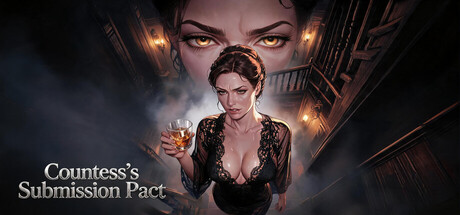
AI was used to generate images depicting illegal substances and highly disturbing situations presented in the game. The Steam capsule and cover images were also generated using AI.
Human-crafted with AI assistance. Generative AI was used to assist with selected programming tasks (such as code optimization and debugging), create or enhance some voice-over and audio elements, and help refine selected graphical assets. All AI-generated content was reviewed, edited, integrated, and finalized by the developer.
Generative AI tools were used to assist in creating pre-generated visual artwork, including concept art, key art, and promotional images used for the Steam store page and marketing materials.
All AI-assisted visual assets are static, reviewed, selected, and edited by the developer to match the game's dark sci-fi visual direction.
The game does not use live generative AI to create gameplay, player-generated content, dialogue, images, audio, or other content during gameplay.
We have used AI as a translation tool to translate this game from Japanese to English.
As a result, some parts of the text may contain unnatural phrasing or content that differs from the original intent.
This game includes pre-generated content made with the assistance of generative AI tools during development. AI tools were used to help create and iterate some static story illustrations, character and store-art references, voice and sound-effect materials, texture details, copy polishing, and localization drafts. All such content is selected, edited, assembled, and manually reviewed by the developer before shipping. The game does not connect to a live generative AI service during play and does not generate new player-facing AI content at runtime.
Generative AI tools were used during development to assist in the creation of some pre-generated visual assets, character voices, translations, and promotional materials. All AI-assisted content was reviewed, edited, and curated by the developer. The game does not generate AI content in real time during gameplay.
We used a Gen AI powered tool to localize the following:
- (in some languages) In-game text
- (in some languages) Steam store descriptions
We plan to replace these with human translation and LQA when we can afford it.
Until then, we are using Gen AI temporarily.
The background music was created with Suno and the intro narration with ElevenLabs. This content was generated during development, reviewed by the developer, and baked into the build. All sound effects are synthesized in code at runtime and all art is generated procedurally in code — neither is AI.
During production we use generative AI in one narrow way: internal placeholders. Rough concept sketches and scratch voice lines hold a spot while the real assets are being made. Every placeholder is flagged in-engine, and none of it ships in the game players buy — the release version contains no generative AI content. Testers in early builds may spot flagged placeholders; that's what the flags are for. All art, writing, and voice work in the finished game is made by people. We know even placeholder use is a fair thing to question, so where we do use these tools, we aim for ones that license their training data and compensate the creators behind it.
In order to realize my childhood dream of building this game, I have leveraged AI in every step of the development process, augmenting my capabilities as an engineer and visual designer by having AI generate some of the sprites, music, sound effects, voices, and code used to build this game.
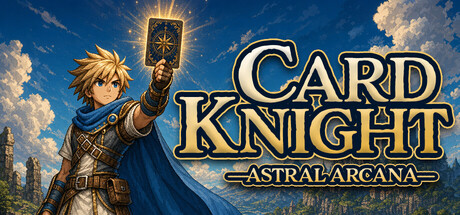
I pledge that if Card Knight: Astral Arcana is successful, the sequel title will be brought to life by a team of human artists, composers, and programmers.
Some art assets in this game were created with the assistance of AI tools. All AI-generated content was pre-generated during development, and the game does not include any real-time AI-generated content during gameplay.
Generative AI was used during parts of the production process for the game’s graphics, music, and narrative content.
AI-generated outputs were edited, revised, and restructured by the developer and were not used in the game without modification.
The final gameplay experience, narrative structure, character portrayal, and presentation were designed, curated, and supervised by the developer.
Generative AI tools were used during development to assist with visual asset creation, programming support, background music generation, and writing/editing structured script data such as dialogue and localization files.
AI-assisted tools were only used during the creation of certain visual assets. These assets were reviewed, edited, modified, and integrated by the developer. The game's story, characters, world, gameplay design, dialogue, and creative direction were entirely created by the developer.
Most of the images used in the narrative mode scenes were initially generated using generative AI and subsequently refined through manual editing. Generative AI was also employed to assist with the translation of the narrative text.
Generative AI was used as an assistive tool for proofreading in-game text and store page text, as well as for English and Korean localization. All final content was reviewed and edited by the developer.
No AI-generated images, audio, or 3D models are used. The game does not use generative AI to create content in real time during gameplay.
This game includes pre-generated content created with the assistance of generative AI during development. Generative AI was used to help create some in-game image assets and translations. All AI-assisted content, including AI-generated translations, was reviewed, edited, and approved by the development team before being included in the final game.
Erevael is made by a solo developer who uses generative AI as part of the development process. The following player-facing content is created with AI and reviewed by the developer before release:
- Visual art, including assets used in the procedurally generated world.
- Localization: translations are machine-generated and have not yet been professionally reviewed.
Music and sound effects are sourced from licensed, human-made libraries and are not AI-generated. AI coding assistants are also used during development.
The AI-generated art is a starting point. If the game finds an audience, the plan is to replace it with work from human artists in a free update for everyone, while keeping the original art available as an optional mod.
The artwork, background music, in-game text and story, localizations into all supported languages, and store-page text in this game were created using generative AI tools, then curated, edited, and assembled by the developer. The game contains no live AI generation — all content is fixed and produced ahead of release.
This game uses generative AI during development to assist in creating and refining certain content, including artwork, text, dialogue, and other game assets. All AI-generated content has been reviewed, edited, and approved by the development team before being included in the game. The game does not generate AI content during gameplay.
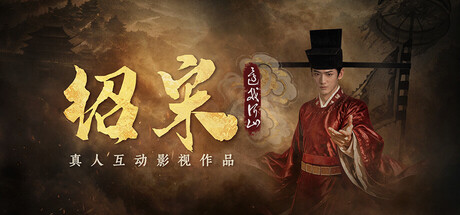
The game calls the aforementioned third-party large language model API over the network at runtime. When the player makes a decision, issues an imperial edict, or interacts with ministers in the game, the game assembles the current situation and character settings into a request and sends it to the AI service; the text returned by the service (minister dialogue, memorials to the throne, plot deduction) is presented in the game interface in real time. This process is transparent to the player and requires no player-side configuration, but an internet connection is required throughout.
This game uses images created with AI generation tools — including NPC photos and portraits, and some store and promotional artwork. All such content has been reviewed by the developer to ensure it contains no illegal or infringing material.
This game contains pre-generated AI-assisted content, including some character artwork, visual assets, and audio. All AI-generated content has been reviewed, edited, and integrated into the game by the developer.
The coding, general game mechanics, story and brancing paths are all human designed. The art and audio content of this game is strategically and intentionally produced by AI generation.
Some portions of the game's source code were developed with the assistance of generative AI tools. All gameplay design, story, puzzles, dialogue, creative direction, and final implementation decisions were created, reviewed, and controlled by the developer.
Some promotional artwork and marketing materials may also have been created with the assistance of generative AI tools and subsequently reviewed and edited by the developer.
No generative AI is used during gameplay, and no content is generated dynamically for players.
Generative AI was used as an assistive tool in the development of this game. It was used to help create some in-game icon images and to assist with programming code.
AI was used to troubleshoot coding issues, generate some game model assets, and some UI elements.
All code, models, and UI elements were edited and finalized by me before implementation into the game.
[1]我使用了AI的部分:代码、数值平衡设计、阅读历史资料、货币汇率设计。已经根据steam的要求在商店页面写明,游戏内“游玩前须知”也有说明,介意请停止游玩。[2]不涉及任何AI的部分:剧本、音乐、背景、图标、立绘等一切图像资产均不涉及任何AI;详见致谢页面,未提及的资产均为我手工自制或者来自Creative Common 0 License,所以这部分请勿盗用。[3]没有标注作者的代码部分、数值等均开源,你可以直接解包拿走用。注意JS和方糖自定义宏代码并非为了所有游戏设计,搬之前仔细看一下避免造成困扰。
This game actively supports human creativity, notably musicians and programmers - but uses AI in the design of marketing materials and some aspects of software development. Neither the game itself - nor the procedural generation techniques used to create the world, music, or audio - use AI or AI-generated art.
AI has been used to generate some graphics, music, and translations.
As the story of this game may suggest, I understand (and even share) most of the criticisms regarding AI, but it is also a tool that has enabled small creators like myself to achieve bigger things that would have been difficult without it.
Some of this game's content was created with the assistance of generative AI tools, including portions of the artwork, sound, in-game text translation, and source code, as well as parts of this store page. All AI-assisted content was reviewed and refined by our team before use. The game does not generate any content using AI in real time during gameplay.
AI was used to generate images depicting illegal substances and highly disturbing situations presented in the game. The Steam capsule and cover images were also generated using AI.
Human-crafted with AI assistance. Generative AI was used to assist with selected programming tasks (such as code optimization and debugging), create or enhance some voice-over and audio elements, and help refine selected graphical assets. All AI-generated content was reviewed, edited, integrated, and finalized by the developer.
Generative AI tools were used to assist in creating pre-generated visual artwork, including concept art, key art, and promotional images used for the Steam store page and marketing materials.
All AI-assisted visual assets are static, reviewed, selected, and edited by the developer to match the game's dark sci-fi visual direction.
The game does not use live generative AI to create gameplay, player-generated content, dialogue, images, audio, or other content during gameplay.
We have used AI as a translation tool to translate this game from Japanese to English.
As a result, some parts of the text may contain unnatural phrasing or content that differs from the original intent.
This game includes pre-generated content made with the assistance of generative AI tools during development. AI tools were used to help create and iterate some static story illustrations, character and store-art references, voice and sound-effect materials, texture details, copy polishing, and localization drafts. All such content is selected, edited, assembled, and manually reviewed by the developer before shipping. The game does not connect to a live generative AI service during play and does not generate new player-facing AI content at runtime.
Generative AI tools were used during development to assist in the creation of some pre-generated visual assets, character voices, translations, and promotional materials. All AI-assisted content was reviewed, edited, and curated by the developer. The game does not generate AI content in real time during gameplay.
We used a Gen AI powered tool to localize the following:
- (in some languages) In-game text
- (in some languages) Steam store descriptions
We plan to replace these with human translation and LQA when we can afford it.
Until then, we are using Gen AI temporarily.
The background music was created with Suno and the intro narration with ElevenLabs. This content was generated during development, reviewed by the developer, and baked into the build. All sound effects are synthesized in code at runtime and all art is generated procedurally in code — neither is AI.
During production we use generative AI in one narrow way: internal placeholders. Rough concept sketches and scratch voice lines hold a spot while the real assets are being made. Every placeholder is flagged in-engine, and none of it ships in the game players buy — the release version contains no generative AI content. Testers in early builds may spot flagged placeholders; that's what the flags are for. All art, writing, and voice work in the finished game is made by people. We know even placeholder use is a fair thing to question, so where we do use these tools, we aim for ones that license their training data and compensate the creators behind it.
In order to realize my childhood dream of building this game, I have leveraged AI in every step of the development process, augmenting my capabilities as an engineer and visual designer by having AI generate some of the sprites, music, sound effects, voices, and code used to build this game.
I pledge that if Card Knight: Astral Arcana is successful, the sequel title will be brought to life by a team of human artists, composers, and programmers.
Some art assets in this game were created with the assistance of AI tools. All AI-generated content was pre-generated during development, and the game does not include any real-time AI-generated content during gameplay.
Generative AI was used during parts of the production process for the game’s graphics, music, and narrative content.
AI-generated outputs were edited, revised, and restructured by the developer and were not used in the game without modification.
The final gameplay experience, narrative structure, character portrayal, and presentation were designed, curated, and supervised by the developer.
Generative AI tools were used during development to assist with visual asset creation, programming support, background music generation, and writing/editing structured script data such as dialogue and localization files.
AI-assisted tools were only used during the creation of certain visual assets. These assets were reviewed, edited, modified, and integrated by the developer. The game's story, characters, world, gameplay design, dialogue, and creative direction were entirely created by the developer.
Most of the images used in the narrative mode scenes were initially generated using generative AI and subsequently refined through manual editing. Generative AI was also employed to assist with the translation of the narrative text.
Generative AI was used as an assistive tool for proofreading in-game text and store page text, as well as for English and Korean localization. All final content was reviewed and edited by the developer.
No AI-generated images, audio, or 3D models are used. The game does not use generative AI to create content in real time during gameplay.
This game includes pre-generated content created with the assistance of generative AI during development. Generative AI was used to help create some in-game image assets and translations. All AI-assisted content, including AI-generated translations, was reviewed, edited, and approved by the development team before being included in the final game.
Erevael is made by a solo developer who uses generative AI as part of the development process. The following player-facing content is created with AI and reviewed by the developer before release:
- Visual art, including assets used in the procedurally generated world.
- Localization: translations are machine-generated and have not yet been professionally reviewed.
Music and sound effects are sourced from licensed, human-made libraries and are not AI-generated. AI coding assistants are also used during development.
The AI-generated art is a starting point. If the game finds an audience, the plan is to replace it with work from human artists in a free update for everyone, while keeping the original art available as an optional mod.
The artwork, background music, in-game text and story, localizations into all supported languages, and store-page text in this game were created using generative AI tools, then curated, edited, and assembled by the developer. The game contains no live AI generation — all content is fixed and produced ahead of release.
This game uses generative AI during development to assist in creating and refining certain content, including artwork, text, dialogue, and other game assets. All AI-generated content has been reviewed, edited, and approved by the development team before being included in the game. The game does not generate AI content during gameplay.
The game calls the aforementioned third-party large language model API over the network at runtime. When the player makes a decision, issues an imperial edict, or interacts with ministers in the game, the game assembles the current situation and character settings into a request and sends it to the AI service; the text returned by the service (minister dialogue, memorials to the throne, plot deduction) is presented in the game interface in real time. This process is transparent to the player and requires no player-side configuration, but an internet connection is required throughout.
This game uses images created with AI generation tools — including NPC photos and portraits, and some store and promotional artwork. All such content has been reviewed by the developer to ensure it contains no illegal or infringing material.
This game contains pre-generated AI-assisted content, including some character artwork, visual assets, and audio. All AI-generated content has been reviewed, edited, and integrated into the game by the developer.
The coding, general game mechanics, story and brancing paths are all human designed. The art and audio content of this game is strategically and intentionally produced by AI generation.
Some portions of the game's source code were developed with the assistance of generative AI tools. All gameplay design, story, puzzles, dialogue, creative direction, and final implementation decisions were created, reviewed, and controlled by the developer.
Some promotional artwork and marketing materials may also have been created with the assistance of generative AI tools and subsequently reviewed and edited by the developer.
No generative AI is used during gameplay, and no content is generated dynamically for players.
Generative AI was used as an assistive tool in the development of this game. It was used to help create some in-game icon images and to assist with programming code.
AI was used to troubleshoot coding issues, generate some game model assets, and some UI elements.
All code, models, and UI elements were edited and finalized by me before implementation into the game.
[1]我使用了AI的部分:代码、数值平衡设计、阅读历史资料、货币汇率设计。已经根据steam的要求在商店页面写明,游戏内“游玩前须知”也有说明,介意请停止游玩。[2]不涉及任何AI的部分:剧本、音乐、背景、图标、立绘等一切图像资产均不涉及任何AI;详见致谢页面,未提及的资产均为我手工自制或者来自Creative Common 0 License,所以这部分请勿盗用。[3]没有标注作者的代码部分、数值等均开源,你可以直接解包拿走用。注意JS和方糖自定义宏代码并非为了所有游戏设计,搬之前仔细看一下避免造成困扰。
This game actively supports human creativity, notably musicians and programmers - but uses AI in the design of marketing materials and some aspects of software development. Neither the game itself - nor the procedural generation techniques used to create the world, music, or audio - use AI or AI-generated art.
AI has been used to generate some graphics, music, and translations.
As the story of this game may suggest, I understand (and even share) most of the criticisms regarding AI, but it is also a tool that has enabled small creators like myself to achieve bigger things that would have been difficult without it.