Public Steam disclosure research25,394 disclosures tracked
Where do games disclose AI use?
Search developers’ Steam disclosures, compare classified AI use across
games, and follow recorded changes.
This index adds cross-game classifications and statistics to
statements published on individual store pages.
Groups reflect automatic analysis of public disclosures; mature records are excluded. These counts do not measure AI use across all of Steam.
Missing or unclear statements cannot establish whether a game uses AI.
Generative AI was used to assist in creating some pre-rendered artwork, including environment backgrounds, menu and branding art, icons, and promotional/title-card images. These assets were reviewed and integrated by the developer. No content is generated during gameplay, and the game does not connect to external AI services.
AI was used only as a tool to speed things up.
Voice acting was done by professionals (including me).
SFX and most VFX are assets created by artists (some placeholder AI art is included to be replaced in time) and the music tracks were composed by me and rendered with an AI assisted DAW process.
All creative ideas, all mods and QoL features of this unique puzzle game were designed and built by a human mind.
During development, this game used generative AI to assist in creating certain visual assets and text content. All final content has been reviewed, edited, and approved by the developer; the game does not include any functionality that dynamically generates content with AI during gameplay.
Generative AI tools were used during development of this game.
2D art, including character illustrations and in-game documents and photographs, was created with image generation tools, then edited and composed by hand.
Some 3D props and environment models were created with a model generation service, then adjusted for the game.
Background music was created with a music generation service. Sound effects are not generated; they are openly licensed recordings that we processed ourselves.
AI coding tools assisted with writing and reviewing code. All final decisions and edits are made by the developer.
Every generated asset was selected and reworked by a person before it went into the game.
We used Kimi 3 to generate the code, vector game assets, skeletal animations and code-synthesized sound effects for this game. Music was generated via Suno, while the game design documents, gameplay mechanics and numerical balancing are strictly controlled by human designers.
Generative AI was used during development to assist with some pre-generated visual assets, including selected 3D models, textures, and animations. All such content is reviewed and edited by the development team. No generative AI runs during gameplay, and no player input is sent to an AI service.
The developer describes how their game uses Generative AI in the development process:
- Pre-generated Content: Generative AI tools were used during development to assist in creating concept art, text drafts, and localization text. All AI-assisted assets were subsequently reviewed, edited, and refined by the developer.
- The game does not contain any live-generated AI content during gameplay.
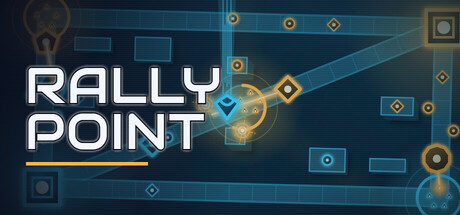
Rally Point's visuals and store art are drawn by code from the game's own geometry. No image, audio, or voice generation model was used. That code was written with AI assistance, as were the non-English translations.
Some pre-generated 2D artwork used in the game and in Steam store and marketing materials was created with the assistance of generative AI tools. All AI-assisted assets were selected, reviewed, edited, and integrated by the development team before inclusion. No content is generated by AI during gameplay, and the game does not connect to live generative AI services.
AI was used only to help create a few marketing images (capsule art and header capsule). All store screenshots, written content, and in-game art, audio, and text are handcrafted. The game contains no live or runtime AI-generated content.
Generative AI was not used to create any in-game content resources. AI was utilized solely for the translation of certain in-game languages and external content, such as our Steam page.
Generative AI tools were used during development to assist with the creation and refinement of some 2D UI/art assets and localization text. All AI-assisted content is pre-generated, reviewed, and edited before inclusion in the game. The game does not use live generative AI during gameplay.
I used generative AI tools to create initial concept art and sketches for my game characters, which I then manually recreated and modeled in 3D myself. I also used AI to assist in sketching the game's official logo
Pre-generated AI was used for parts of the soundtrack and abstract store artwork. All content was selected and edited by the developer. No AI content is generated during gameplay.
Some of the game's text, including in-app interface copy and the store page description, was drafted with the assistance of an LLM and edited by the developer, as was the game's source code. All artwork, animation, 3D models and audio are human-authored. The game does not generate any content at runtime.
Some of the images on our store page were created by artificial intelligence and edits were made on the images. and some images in the game were made by artificial intelligence.
The game’s music and minor visual assets were generated with AI assistance and manually refined by the developer. The rest of the content was created without generative AI.
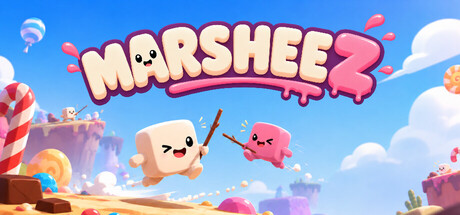
During development, parts of Marsheez were made with generative AI: some of the source code was written with the help of an AI coding assistant, and some of the art and music were created with help of AI tools and then later edited by the developer. The game does not use any generative AI while you play.
Generative AI was used for parts of the game's 3D assets, voice and narration, ambient audio, translations, and store artwork.
All generated content was reviewed and edited by hand. No AI is used at runtime.
This game contains pre-generated 2D artwork and music created with assistance from generative AI tools and reviewed and edited by the developer. The game does not use generative AI or generate content during runtime.
The game is a single hand-maintained source file. It was written together
with an AI coding assistant. Every change was reviewed, tested and integrated by
the developer; the game ships with its own automated test suite.
All 2D art (character sprites, backgrounds, environment pieces, UI) and the current music were created during development using generative AI tools, then curated, edited, and baked into the build. No content is generated at runtime. The game design, level design, code, and writing are human-made.
Generative AI was used only as a writing aid: the first drafts of the character's short speech-bubble lines, the store page text and our support/privacy web pages were written with an LLM (Claude) and then reviewed and edited by our team. No AI-generated images, 3D models, animations, voices or music are used; the character model, motions and songs were created by people. Nothing is generated by AI at runtime.
Generative AI was used during development to assist with coding, promotional artwork, and store-page copy and localization. All outputs were reviewed by the developer.
AI tools were used to draft store page text and to translate the in-game text into English, Japanese and Chinese.
AI was also used for part of the art.
All of this was reviewed and edited by the developers.
No AI-generated content is created while the game is running.
Some in-game 2D UI icons, some music and sound effects, and Steam store page / promotional visuals were created during development with the help of generative AI tools, then manually reviewed, cropped, or adjusted before shipping. This game does not use generative AI to create content in real time during gameplay.
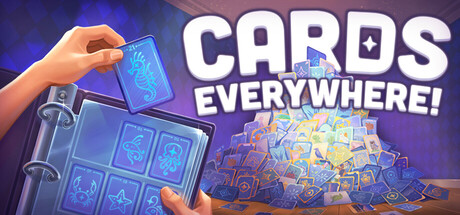
Generative AI tools were used during development to support creation of the artwork featured on some of the collectible cards and UI. All AI-generated content was created before release, curated and integrated into the game by the developer. No content is generated by AI during gameplay.
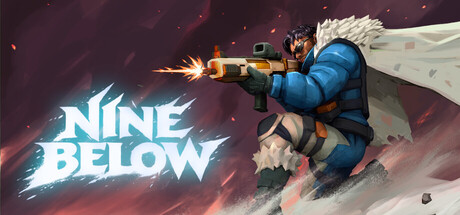
Generative AI tools were used during development as part of the early creative and production process, including generating mood boards, visual references, and some base meshes.
These materials were used as starting points rather than finished game content. Any AI-assisted assets included in Nine Below were substantially reworked, modified, refined, and polished by hand before being included in the final game.
AI was used to support iteration and production, while the final game was designed, built, and finished by the developer. No AI-generated content is created during gameplay.
We employ generative AI technologies during the creation of some illustrations and music. All elements that make up the core and essence of the game are still done by us - the devs.
Generative AI was used to create of the music included in the game, as well as marketing and promotional materials for Steam.
AI tools were also used for programming and development.
There is no AI used in the gameplay - no content is dynamically generated.
ViewerFrenzy includes pre-generated AI-assisted music and selected visual assets created during development. These assets are reviewed and curated by the development team before inclusion in the game. The game does not use generative AI to create content during gameplay.
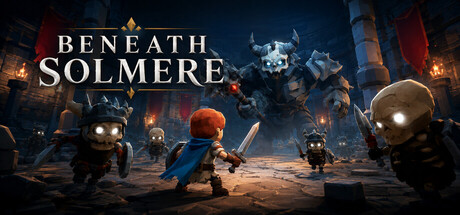
Beneath Solmere includes pre-generated content created with the assistance of generative AI tools. This includes six music tracks created with Google Gemini/Lyria, AI-assisted localization for nine non-English languages, and AI-generated artwork used in Steam Store marketing materials. No generative AI is used during gameplay.
Art direction steered asset creation, SFX, store capsule artwork and the logo were produced with generative AI assistance then hand-edited. No generative AI runs at runtime; the game generates no content live.
The music in this game was created using generative AI
Some of the text on this store page was written with AI assistance.
Nothing is generated by AI while you play. The game runs entirely offline and makes no calls to any AI service at any time.
AI tools were used during development to assist with asset creation, texture generation, and development workflows. All AI-generated content was reviewed, modified, and curated by the development team.
"Generative AI tools were used to create 2D promotional images and capsule artwork for the Steam store page. The game itself does not use real-time AI generation during gameplay."
I am a solo developer balancing this project with another job. To make this game a reality, I have used generative AI tools as an assistant during development, as well as to generate various pre-rendered assets: 2D visual elements (such as item icons, textures, and interface art) and the composition of the orchestral soundtrack.
Generative AI was used during development to generate suspect mugshot photos, dossier case texts, and to assist with language localization. All generated assets are static and pre-packaged into the game.
AI-assisted tools were used for all of the game visuals, audio, and code. No AI generation occurs during gameplay, and no external AI services are used while playing.
Generative AI was used to assist in creating some pre-rendered artwork, including environment backgrounds, menu and branding art, icons, and promotional/title-card images. These assets were reviewed and integrated by the developer. No content is generated during gameplay, and the game does not connect to external AI services.
AI was used only as a tool to speed things up.
Voice acting was done by professionals (including me).
SFX and most VFX are assets created by artists (some placeholder AI art is included to be replaced in time) and the music tracks were composed by me and rendered with an AI assisted DAW process.
All creative ideas, all mods and QoL features of this unique puzzle game were designed and built by a human mind.
During development, this game used generative AI to assist in creating certain visual assets and text content. All final content has been reviewed, edited, and approved by the developer; the game does not include any functionality that dynamically generates content with AI during gameplay.
Generative AI tools were used during development of this game.
2D art, including character illustrations and in-game documents and photographs, was created with image generation tools, then edited and composed by hand.
Some 3D props and environment models were created with a model generation service, then adjusted for the game.
Background music was created with a music generation service. Sound effects are not generated; they are openly licensed recordings that we processed ourselves.
AI coding tools assisted with writing and reviewing code. All final decisions and edits are made by the developer.
Every generated asset was selected and reworked by a person before it went into the game.
We used Kimi 3 to generate the code, vector game assets, skeletal animations and code-synthesized sound effects for this game. Music was generated via Suno, while the game design documents, gameplay mechanics and numerical balancing are strictly controlled by human designers.
Generative AI was used during development to assist with some pre-generated visual assets, including selected 3D models, textures, and animations. All such content is reviewed and edited by the development team. No generative AI runs during gameplay, and no player input is sent to an AI service.
The developer describes how their game uses Generative AI in the development process:
- Pre-generated Content: Generative AI tools were used during development to assist in creating concept art, text drafts, and localization text. All AI-assisted assets were subsequently reviewed, edited, and refined by the developer.
- The game does not contain any live-generated AI content during gameplay.
Rally Point's visuals and store art are drawn by code from the game's own geometry. No image, audio, or voice generation model was used. That code was written with AI assistance, as were the non-English translations.
Some pre-generated 2D artwork used in the game and in Steam store and marketing materials was created with the assistance of generative AI tools. All AI-assisted assets were selected, reviewed, edited, and integrated by the development team before inclusion. No content is generated by AI during gameplay, and the game does not connect to live generative AI services.
AI was used only to help create a few marketing images (capsule art and header capsule). All store screenshots, written content, and in-game art, audio, and text are handcrafted. The game contains no live or runtime AI-generated content.
Generative AI was not used to create any in-game content resources. AI was utilized solely for the translation of certain in-game languages and external content, such as our Steam page.
Generative AI tools were used during development to assist with the creation and refinement of some 2D UI/art assets and localization text. All AI-assisted content is pre-generated, reviewed, and edited before inclusion in the game. The game does not use live generative AI during gameplay.
I used generative AI tools to create initial concept art and sketches for my game characters, which I then manually recreated and modeled in 3D myself. I also used AI to assist in sketching the game's official logo
Pre-generated AI was used for parts of the soundtrack and abstract store artwork. All content was selected and edited by the developer. No AI content is generated during gameplay.
Some of the game's text, including in-app interface copy and the store page description, was drafted with the assistance of an LLM and edited by the developer, as was the game's source code. All artwork, animation, 3D models and audio are human-authored. The game does not generate any content at runtime.
Some of the images on our store page were created by artificial intelligence and edits were made on the images. and some images in the game were made by artificial intelligence.
The game’s music and minor visual assets were generated with AI assistance and manually refined by the developer. The rest of the content was created without generative AI.
During development, parts of Marsheez were made with generative AI: some of the source code was written with the help of an AI coding assistant, and some of the art and music were created with help of AI tools and then later edited by the developer. The game does not use any generative AI while you play.
Generative AI was used for parts of the game's 3D assets, voice and narration, ambient audio, translations, and store artwork.
All generated content was reviewed and edited by hand. No AI is used at runtime.
This game contains pre-generated 2D artwork and music created with assistance from generative AI tools and reviewed and edited by the developer. The game does not use generative AI or generate content during runtime.
The game is a single hand-maintained source file. It was written together
with an AI coding assistant. Every change was reviewed, tested and integrated by
the developer; the game ships with its own automated test suite.
All 2D art (character sprites, backgrounds, environment pieces, UI) and the current music were created during development using generative AI tools, then curated, edited, and baked into the build. No content is generated at runtime. The game design, level design, code, and writing are human-made.
Generative AI was used only as a writing aid: the first drafts of the character's short speech-bubble lines, the store page text and our support/privacy web pages were written with an LLM (Claude) and then reviewed and edited by our team. No AI-generated images, 3D models, animations, voices or music are used; the character model, motions and songs were created by people. Nothing is generated by AI at runtime.
Generative AI was used during development to assist with coding, promotional artwork, and store-page copy and localization. All outputs were reviewed by the developer.
AI tools were used to draft store page text and to translate the in-game text into English, Japanese and Chinese.
AI was also used for part of the art.
All of this was reviewed and edited by the developers.
No AI-generated content is created while the game is running.
Some in-game 2D UI icons, some music and sound effects, and Steam store page / promotional visuals were created during development with the help of generative AI tools, then manually reviewed, cropped, or adjusted before shipping. This game does not use generative AI to create content in real time during gameplay.
Generative AI tools were used during development to support creation of the artwork featured on some of the collectible cards and UI. All AI-generated content was created before release, curated and integrated into the game by the developer. No content is generated by AI during gameplay.
Generative AI tools were used during development as part of the early creative and production process, including generating mood boards, visual references, and some base meshes.
These materials were used as starting points rather than finished game content. Any AI-assisted assets included in Nine Below were substantially reworked, modified, refined, and polished by hand before being included in the final game.
AI was used to support iteration and production, while the final game was designed, built, and finished by the developer. No AI-generated content is created during gameplay.
We employ generative AI technologies during the creation of some illustrations and music. All elements that make up the core and essence of the game are still done by us - the devs.
Generative AI was used to create of the music included in the game, as well as marketing and promotional materials for Steam.
AI tools were also used for programming and development.
There is no AI used in the gameplay - no content is dynamically generated.
ViewerFrenzy includes pre-generated AI-assisted music and selected visual assets created during development. These assets are reviewed and curated by the development team before inclusion in the game. The game does not use generative AI to create content during gameplay.
Beneath Solmere includes pre-generated content created with the assistance of generative AI tools. This includes six music tracks created with Google Gemini/Lyria, AI-assisted localization for nine non-English languages, and AI-generated artwork used in Steam Store marketing materials. No generative AI is used during gameplay.
Art direction steered asset creation, SFX, store capsule artwork and the logo were produced with generative AI assistance then hand-edited. No generative AI runs at runtime; the game generates no content live.
The music in this game was created using generative AI
Some of the text on this store page was written with AI assistance.
Nothing is generated by AI while you play. The game runs entirely offline and makes no calls to any AI service at any time.
AI tools were used during development to assist with asset creation, texture generation, and development workflows. All AI-generated content was reviewed, modified, and curated by the development team.
"Generative AI tools were used to create 2D promotional images and capsule artwork for the Steam store page. The game itself does not use real-time AI generation during gameplay."
I am a solo developer balancing this project with another job. To make this game a reality, I have used generative AI tools as an assistant during development, as well as to generate various pre-rendered assets: 2D visual elements (such as item icons, textures, and interface art) and the composition of the orchestral soundtrack.
Generative AI was used during development to generate suspect mugshot photos, dossier case texts, and to assist with language localization. All generated assets are static and pre-packaged into the game.
AI-assisted tools were used for all of the game visuals, audio, and code. No AI generation occurs during gameplay, and no external AI services are used while playing.