Public Steam disclosure research25,394 disclosures tracked
Where do games disclose AI use?
Search developers’ Steam disclosures, compare classified AI use across
games, and follow recorded changes.
This index adds cross-game classifications and statistics to
statements published on individual store pages.
Groups reflect automatic analysis of public disclosures; mature records are excluded. These counts do not measure AI use across all of Steam.
Missing or unclear statements cannot establish whether a game uses AI.
AI is used for cinematic cutscenes and certain art assets, but the majority of the work is done manually.
Similarly, code workflows include partial generation for certain C++, C#, and HLSL functions.
Generative AI was used to assist with the creation of some 3D models, music, sound effects, and certain visual assets used in the game and on the store page. Tools such as Meshy AI and Suno AI were used during asset creation. All final assets were reviewed, selected, and edited before being included in the final product.
Some 2D art (such as cosmetic items) and the background music were created using generative AI tools based on developer reference images, then reviewed and edited by the developer. No AI runs during gameplay.
Crown Caps Soccer uses generative artificial intelligence tools for part of its content. Specifically, we use AI to generate and translate interface text and descriptions, as well as to assist in creating certain in-game content. All AI-generated content is reviewed by our team before publication.
1) Bundled sample project. All of the Quillhollow-specific data in the optional, read-only "A Christmas Carol" sample project was AI-generated to demonstrate how the app organizes a manuscript: the character, location, plot-thread, theme, and world-building cards and their descriptions, along with tags, links, beats, pins, and scene statuses. The sample's prose is the public-domain text of Charles Dickens' A Christmas Carol (from Standard Ebooks, released under CC0) and is not AI-generated.
2) Store page and marketing text. Some of the written copy on the store page and in our marketing materials was drafted with AI assistance and then reviewed and edited by a human before publication.
Generative AI tools were used to assist with parts of the game's visual concepts and promotional materials. All final content was reviewed and edited by the developer.
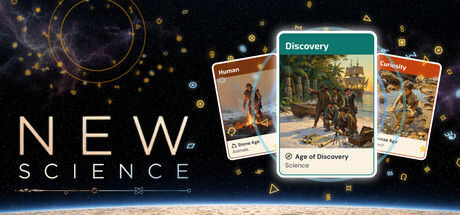
New Science uses generative AI as a core part of its discovery system. When a player attempts a combination, an AI model may be used to determine whether the two selected objects can logically produce a new result. Generative AI is also used to create an illustration for newly discovered objects. Known discoveries are stored and reused, so the same established combination does not need to be generated again for every player. This system allows New Science to support open-ended experimentation beyond a small, completely predefined recipe list. Players may therefore encounter newly generated combinations and images that have not previously been seen by the development team.
Generative AI was used as support for writing and translating store page text and descriptive material. All content is reviewed before publication. The game does not use generative AI during gameplay.
Some visual assets and promotional materials for Frozen Christmas Magic: Santa’s Hidden Village were created with the assistance of generative AI tools, then manually directed, selected, edited and integrated by the developer as part of the game’s artistic production pipeline.
No real-time generative AI is used during gameplay.
AI tools were used during development to assist in generating custom sound effects, instrumental music assets, and code optimization. The technology was also utilized as a base to pre-fabricate certain background environment elements. However, all character designs and frame-by-frame 2D animations were 100% hand-drawn and manually created by a solo developer.
In-game music tracks were created using generative AI-assisted tools and were subsequently edited, mixed, arranged, and mastered by the developer. All AI-generated material was reviewed and modified as part of the final audio production process.
Generative AI tools were used during development to assist with creating certain visual assets, promotional images, and localization text. All AI-assisted content was reviewed, modified, and integrated manually by the developers. The game does not use AI-generated content during gameplay.
The only AI-assisted visual assets in this game are several paintings used as images for the puzzles. These images were heavily edited, refined, and manually adjusted using photo editing software before being integrated into the game.
The background music and some SFX sounds were also generated with the help of AI and later slightly refined and adjusted in audio editing software.
AI is used strictly as a supportive tool during parts of the creative workflow. Final quality control, artistic direction, and implementation are fully handled manually by the developer.
Some visual assets used on this Steam page were edited or retouched using AI-assisted tools, and the achievement icons were created using generative AI / AI-assisted tools.
LessPrep uses AI to generate educational text and images locally on your device. A language model (Qwen2.5 7B) creates lesson plans, worksheets, and goal documents. An image model (SDXL) generates classroom visual aids. All AI runs offline — no data is sent to external servers. Content moderation includes prompt filtering, safety negative prompts, and a post-generation image scanner to prevent inappropriate output.
Some of the current store page artwork and promotional assets were created using generative AI tools during the early development and marketing phase of the project. As an independent project with limited resources, this approach was used to accelerate initial marketing efforts and bring the game to market more quickly.
Generative AI is not used to create gameplay content, player drawings, or user-generated content within the game. The AI-generated marketing assets may be replaced with human-created artwork in future updates as development continues.
As a poor indie developer, on one hand, I’m grateful that AI has lowered my costs and improved my efficiency. On the other hand, I’m very aware of its limitations, so I use it only within a very limited scope. Specifically, it is mainly used to assist with programming and art design. The generated content is never directly put into the game—it always undergoes manual review and refinement.
As a small indie studio, we use generative AI tools to assist in parts of our art creation process. This helps us improve the quality and consistency of artwork while allowing our team to work more efficiently. All AI-assisted content is reviewed, refined, and integrated by our developers to ensure it meets the artistic vision and quality standards of the game.
Both manual coding and coding using generative AI is included in this game. Some UI images were developed using generative AI as well as some in level images in the final level. Store presence images were developed using generative AI.
This game is a detective adventure in which the player investigates a murder in a small town.
An AI language model generates real-time dialogue when interacting with townspeople or interrogating suspects.
The AI creates dynamic and context-appropriate conversations based on each character’s personality and the situation.
All generated content is restricted to the game’s internal narrative and is filtered to prevent the inclusion of copyrighted material or inappropriate content.
We've harnessed the power of Generative AI technology to create several of our game's unique theme background artworks, enhancing your gaming experience with visually stunning designs.
As a solo indie developer, I use AI to assist with multi-language localization and the creation of some background images. This helps me provide a smoother, more accessible player experience while allowing me to focus more time on gameplay, systems, level design, and other core parts of the game.
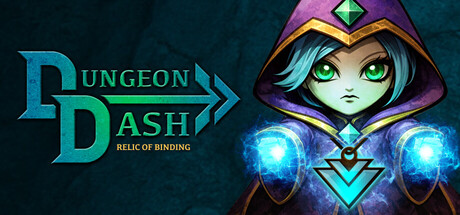
As a solo developer, I used every tool available to bring Dungeon Dash to life. The game design, mechanics, storyline, and level designs are entirely original, conceived long before AI tools entered the picture. The artwork combines hand drawn, stock, and AI generated assets, all of which have been further modified and animated by hand to fit the vision of the game.
Some parts of the game’s production may involve procedural or AI-assisted tools, mainly to speed up iteration, explore visual directions or support asset creation. The game’s concept, tone, style, story and final creative choices are developed and decided by us.
This game is a solo development project created entirely by one person. All ideas, level design, 3D models, animations, visual assets, images, and core coding were made by hand and mind of the developer. Artificial intelligence was used only in a supportive role, specifically to assist with minor coding tasks and to generate certain sound effects. The creative vision, gameplay systems, and all visual content are original works produced directly by the developer.
AI was used solely to assist with the English and Spanish translations, which were then manually reviewed by the developers. However, they may still contain errors. If you find any, please let us know.
Some visual assets, promotional images, and audio content for this game were created or assisted using generative AI tools. All AI-generated content was reviewed and edited by the developer before inclusion in the game.
Visual assets in the game, including static and animated artwork, were created using generative AI tools. Generative AI was also used during the creation of the game's music.
Generative AI has been used when creating some of the images in the menu and the backgrounds in the game. The technology has also been used when creating and editing some of the audio tracks.
AI is used for cinematic cutscenes and certain art assets, but the majority of the work is done manually.
Similarly, code workflows include partial generation for certain C++, C#, and HLSL functions.
Generative AI was used to assist with the creation of some 3D models, music, sound effects, and certain visual assets used in the game and on the store page. Tools such as Meshy AI and Suno AI were used during asset creation. All final assets were reviewed, selected, and edited before being included in the final product.
Some 2D art (such as cosmetic items) and the background music were created using generative AI tools based on developer reference images, then reviewed and edited by the developer. No AI runs during gameplay.
Crown Caps Soccer uses generative artificial intelligence tools for part of its content. Specifically, we use AI to generate and translate interface text and descriptions, as well as to assist in creating certain in-game content. All AI-generated content is reviewed by our team before publication.
1) Bundled sample project. All of the Quillhollow-specific data in the optional, read-only "A Christmas Carol" sample project was AI-generated to demonstrate how the app organizes a manuscript: the character, location, plot-thread, theme, and world-building cards and their descriptions, along with tags, links, beats, pins, and scene statuses. The sample's prose is the public-domain text of Charles Dickens' A Christmas Carol (from Standard Ebooks, released under CC0) and is not AI-generated.
2) Store page and marketing text. Some of the written copy on the store page and in our marketing materials was drafted with AI assistance and then reviewed and edited by a human before publication.
Generative AI tools were used to assist with parts of the game's visual concepts and promotional materials. All final content was reviewed and edited by the developer.
New Science uses generative AI as a core part of its discovery system. When a player attempts a combination, an AI model may be used to determine whether the two selected objects can logically produce a new result. Generative AI is also used to create an illustration for newly discovered objects. Known discoveries are stored and reused, so the same established combination does not need to be generated again for every player. This system allows New Science to support open-ended experimentation beyond a small, completely predefined recipe list. Players may therefore encounter newly generated combinations and images that have not previously been seen by the development team.
Generative AI was used as support for writing and translating store page text and descriptive material. All content is reviewed before publication. The game does not use generative AI during gameplay.
Some visual assets and promotional materials for Frozen Christmas Magic: Santa’s Hidden Village were created with the assistance of generative AI tools, then manually directed, selected, edited and integrated by the developer as part of the game’s artistic production pipeline.
No real-time generative AI is used during gameplay.
AI tools were used during development to assist in generating custom sound effects, instrumental music assets, and code optimization. The technology was also utilized as a base to pre-fabricate certain background environment elements. However, all character designs and frame-by-frame 2D animations were 100% hand-drawn and manually created by a solo developer.
In-game music tracks were created using generative AI-assisted tools and were subsequently edited, mixed, arranged, and mastered by the developer. All AI-generated material was reviewed and modified as part of the final audio production process.
Generative AI tools were used during development to assist with creating certain visual assets, promotional images, and localization text. All AI-assisted content was reviewed, modified, and integrated manually by the developers. The game does not use AI-generated content during gameplay.
The only AI-assisted visual assets in this game are several paintings used as images for the puzzles. These images were heavily edited, refined, and manually adjusted using photo editing software before being integrated into the game.
The background music and some SFX sounds were also generated with the help of AI and later slightly refined and adjusted in audio editing software.
AI is used strictly as a supportive tool during parts of the creative workflow. Final quality control, artistic direction, and implementation are fully handled manually by the developer.
Some visual assets used on this Steam page were edited or retouched using AI-assisted tools, and the achievement icons were created using generative AI / AI-assisted tools.
LessPrep uses AI to generate educational text and images locally on your device. A language model (Qwen2.5 7B) creates lesson plans, worksheets, and goal documents. An image model (SDXL) generates classroom visual aids. All AI runs offline — no data is sent to external servers. Content moderation includes prompt filtering, safety negative prompts, and a post-generation image scanner to prevent inappropriate output.
Some of the current store page artwork and promotional assets were created using generative AI tools during the early development and marketing phase of the project. As an independent project with limited resources, this approach was used to accelerate initial marketing efforts and bring the game to market more quickly.
Generative AI is not used to create gameplay content, player drawings, or user-generated content within the game. The AI-generated marketing assets may be replaced with human-created artwork in future updates as development continues.
As a poor indie developer, on one hand, I’m grateful that AI has lowered my costs and improved my efficiency. On the other hand, I’m very aware of its limitations, so I use it only within a very limited scope. Specifically, it is mainly used to assist with programming and art design. The generated content is never directly put into the game—it always undergoes manual review and refinement.
As a small indie studio, we use generative AI tools to assist in parts of our art creation process. This helps us improve the quality and consistency of artwork while allowing our team to work more efficiently. All AI-assisted content is reviewed, refined, and integrated by our developers to ensure it meets the artistic vision and quality standards of the game.
Both manual coding and coding using generative AI is included in this game. Some UI images were developed using generative AI as well as some in level images in the final level. Store presence images were developed using generative AI.
This game is a detective adventure in which the player investigates a murder in a small town.
An AI language model generates real-time dialogue when interacting with townspeople or interrogating suspects.
The AI creates dynamic and context-appropriate conversations based on each character’s personality and the situation.
All generated content is restricted to the game’s internal narrative and is filtered to prevent the inclusion of copyrighted material or inappropriate content.
We've harnessed the power of Generative AI technology to create several of our game's unique theme background artworks, enhancing your gaming experience with visually stunning designs.
As a solo indie developer, I use AI to assist with multi-language localization and the creation of some background images. This helps me provide a smoother, more accessible player experience while allowing me to focus more time on gameplay, systems, level design, and other core parts of the game.
As a solo developer, I used every tool available to bring Dungeon Dash to life. The game design, mechanics, storyline, and level designs are entirely original, conceived long before AI tools entered the picture. The artwork combines hand drawn, stock, and AI generated assets, all of which have been further modified and animated by hand to fit the vision of the game.
Some parts of the game’s production may involve procedural or AI-assisted tools, mainly to speed up iteration, explore visual directions or support asset creation. The game’s concept, tone, style, story and final creative choices are developed and decided by us.
This game is a solo development project created entirely by one person. All ideas, level design, 3D models, animations, visual assets, images, and core coding were made by hand and mind of the developer. Artificial intelligence was used only in a supportive role, specifically to assist with minor coding tasks and to generate certain sound effects. The creative vision, gameplay systems, and all visual content are original works produced directly by the developer.
AI was used solely to assist with the English and Spanish translations, which were then manually reviewed by the developers. However, they may still contain errors. If you find any, please let us know.
Some visual assets, promotional images, and audio content for this game were created or assisted using generative AI tools. All AI-generated content was reviewed and edited by the developer before inclusion in the game.
Visual assets in the game, including static and animated artwork, were created using generative AI tools. Generative AI was also used during the creation of the game's music.
Generative AI has been used when creating some of the images in the menu and the backgrounds in the game. The technology has also been used when creating and editing some of the audio tracks.