Public Steam disclosure research25,394 disclosures tracked
Where do games disclose AI use?
Search developers’ Steam disclosures, compare classified AI use across
games, and follow recorded changes.
This index adds cross-game classifications and statistics to
statements published on individual store pages.
Groups reflect automatic analysis of public disclosures; mature records are excluded. These counts do not measure AI use across all of Steam.
Missing or unclear statements cannot establish whether a game uses AI.
Generative AI was used during development to assist in the creation of some pre-generated visual and audio assets, as well as portions of promotional and store-page materials. All AI-assisted content is generated and reviewed during development and included as fixed content. No generative AI content is created during gameplay.
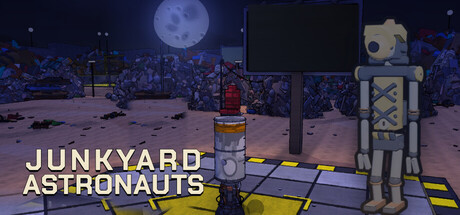
Junkyard Astronauts was developed with substantial help from an AI coding assistant (Claude), directed and reviewed by the developer. Specifically: the game's code was largely written with AI assistance; the 3D models, textures and yard layouts are produced by procedural generator scripts written with AI assistance; the sound effects are built from licensed, human-recorded sound libraries (Sonniss GDC bundles, Kenney) assembled and mixed by scripted tools written with AI assistance; the soundtrack is composed and rendered by a music engine written with AI assistance; parts of the store text and the achievement names were drafted with AI assistance. Everything was reviewed, edited and play-tested by the developer before shipping. No AI service is used during gameplay, and no content is generated at runtime. No AI-generated content imitates a real person or a third party's protected work.
This game uses AI-assisted art assets generated prior to release for character art, scene backgrounds and store promotional materials. All AI-generated content was completed before the game's launch; no real-time AI content generation or connections to external AI services will occur during gameplay.
This game uses generative AI in parts of its development.
- Code — an AI coding assistant was used to help write the source code.
- Text translation — AI was used to translate the game's text into each supported language.
All of the above was reviewed and adjusted by the developer before release.
No content is generated by AI while the game is running.
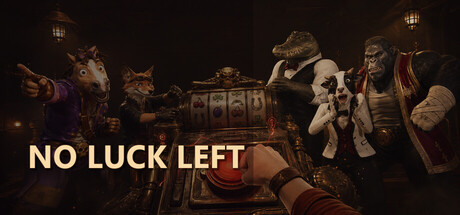
No Luck Left is developed by a solo developer. To help create the game's 3D character models within the scope of a one-person project, I used generative AI tools such as Meshy and TripoSR during development. The resulting pre-generated assets were selected, optimized and integrated into the game by me. No content is generated by AI during gameplay, and the game does not connect to an external AI service.
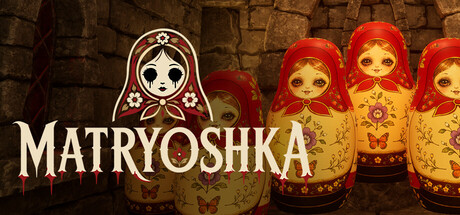
The background, as well as the mesh and base textures for the Matryoshka dolls, were created entirely by hand.
Some of the Matryoshka patterns and the fang meshes were generated using AI, then however directed and revised by humans.
AI tools were also used to assist with language localization.
Generative AI tools were used during development to help create some visual assets, including environment textures, branding and promotional artwork, as well as store copy and localization. These materials are selected, reviewed and integrated by the developer. Gameplay screenshots are captured from the game. No generative AI content is created during play, and the game does not connect to external AI services.
The game’s core artwork and content were created by people. Generative AI use was limited to select elements of UI images and icons, Steam capsule image retouching, map and calendar textures within buildings, and localization translations.
This game is made by one developer working with AI assistants. AI tools helped write the game's code and much of its English text, including this store page.
The folktales the game retells are traditional Mongolian üliger, not machine-invented, and every Mongolian word in the game is checked by a native speaker before it ships.
Nothing is generated while you play. The game runs offline, creates no content at runtime, and connects to no AI service.
Generative AI tools were used during development to create some artwork, music and sound effects, and to prepare store and promotional artwork based on gameplay captures. These assets are prepared in advance. The game does not generate AI content during gameplay or connect to external AI services.
Artificial intelligence was used to create the game logo, assist with the game's translation into multiple languages, assist in writing and translating the game's description, and help estimate the system requirements.
Generative AI is used as a development aid for research, information analysis, routine technical tasks, and assistance with drafting and editing text for the Steam store page. No AI-generated 2D or 3D artwork, audio, or live-generated content is included in the game. The game's concept, creative direction, design, and implementation are the work of the developer.
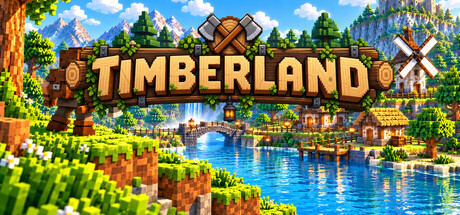
The store page images for Timberland — the key art, capsules, logo and icon — were created with generative AI tools and then edited by hand. The screenshots are real gameplay, unretouched.
Part of the code was also written with the help of an AI assistant. Game design, world generation, mechanics and the remaining textures are the developer's own work.
This game was developed solo by an independent developer. Some UI visuals and artwork used for the Steam store page were created with the help of generative AI. Original sound effects were also created with AI assistance to match the game's atmosphere. This content is fixed and built into the game.
AI is not used to generate content in real time during gameplay.
Some marketing and store page artwork (capsule art, promotional images, achievement icons) was created with the assistance of generative AI tools and then reviewed and edited by our team. The game itself does not generate content with AI at runtime.
Generative AI was used to assist in creating some visual artwork and environmental assets, including the sun, clouds, rainbow, and trees. These assets are pre-generated and included as part of the game's visuals. AI is not used to generate content dynamically during gameplay and does not affect the game's gameplay mechanics.
Generative AI tools were used during development to assist with programming, debugging, drafting and editing written content, and creating or developing some marketing and store-page artwork. All AI-assisted material is reviewed, edited, and integrated by the developer. The game does not use generative AI during gameplay or connect to external AI services while running.
The game's first trailer features images generated by artificial intelligence. The characters and map in the trailer, however, were created by our team and will also be used in the playable versions of the game.
AI is not used for any aspect of music creation or sound. And no actual game art was created with AI (Inventory items, decals, portraits, etc. All of that was fully painted by a human.)
AI was used for code work and project management. ONLY a small amount of the textures (less than 10) used in the world were created with the help of AI.
Generative AI was used during development to assist with some text content and programming code, and to create some 3D models and textures used in the game. All AI-generated and AI-assisted content was reviewed and edited by the developer before being included in the game. Generative AI is not used to create content during gameplay.
Generative AI tools were used as development assistants, including assistance drafting and editing portions of store-page marketing text. All player-facing content is reviewed and edited by the developer. Main Street Operator does not use generative AI during gameplay and does not connect to external AI services while the game is running.
Some of the content in this game was created with the help of generative AI tools.
This includes parts of the visual assets (icons, textures and UI images), some audio
(music and sound effects), parts of the in-game text (item descriptions, dialogue and
story text), and the translations of the game's text into other languages.
All of this content was generated during development, then reviewed, edited and
assembled by hand before being included in the game. The game itself does not generate
any content with AI while you play, and it does not send any player data to AI services.
Generative AI tools were used during development to create some decorative artwork and surface textures, including botanical table mats and room furnishings. These assets are reviewed and incorporated into the game by the developer. The game does not generate AI content during gameplay or connect to an external AI service.
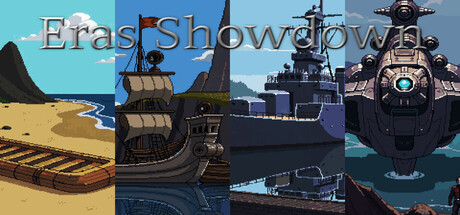
The visual assets in Eras Showdown were created using generative AI: the icons for units, items and materials, the background images, and the user-interface graphics. Every result was selected, reworked and integrated into the game by hand.
This content is pre-generated in full and ships with the installation. Eras Showdown does not generate any content via AI while playing, and it does not connect to any AI service.
Generative AI was used during development to assist in the creation of some pre-generated visual and audio assets, as well as portions of promotional and store-page materials. All AI-assisted content is generated and reviewed during development and included as fixed content. No generative AI content is created during gameplay.
Junkyard Astronauts was developed with substantial help from an AI coding assistant (Claude), directed and reviewed by the developer. Specifically: the game's code was largely written with AI assistance; the 3D models, textures and yard layouts are produced by procedural generator scripts written with AI assistance; the sound effects are built from licensed, human-recorded sound libraries (Sonniss GDC bundles, Kenney) assembled and mixed by scripted tools written with AI assistance; the soundtrack is composed and rendered by a music engine written with AI assistance; parts of the store text and the achievement names were drafted with AI assistance. Everything was reviewed, edited and play-tested by the developer before shipping. No AI service is used during gameplay, and no content is generated at runtime. No AI-generated content imitates a real person or a third party's protected work.
This game uses AI-assisted art assets generated prior to release for character art, scene backgrounds and store promotional materials. All AI-generated content was completed before the game's launch; no real-time AI content generation or connections to external AI services will occur during gameplay.
This game uses generative AI in parts of its development.
- Code — an AI coding assistant was used to help write the source code.
- Text translation — AI was used to translate the game's text into each supported language.
All of the above was reviewed and adjusted by the developer before release.
No content is generated by AI while the game is running.
No Luck Left is developed by a solo developer. To help create the game's 3D character models within the scope of a one-person project, I used generative AI tools such as Meshy and TripoSR during development. The resulting pre-generated assets were selected, optimized and integrated into the game by me. No content is generated by AI during gameplay, and the game does not connect to an external AI service.
The background, as well as the mesh and base textures for the Matryoshka dolls, were created entirely by hand.
Some of the Matryoshka patterns and the fang meshes were generated using AI, then however directed and revised by humans.
AI tools were also used to assist with language localization.
Generative AI tools were used during development to help create some visual assets, including environment textures, branding and promotional artwork, as well as store copy and localization. These materials are selected, reviewed and integrated by the developer. Gameplay screenshots are captured from the game. No generative AI content is created during play, and the game does not connect to external AI services.
The game’s core artwork and content were created by people. Generative AI use was limited to select elements of UI images and icons, Steam capsule image retouching, map and calendar textures within buildings, and localization translations.
This game is made by one developer working with AI assistants. AI tools helped write the game's code and much of its English text, including this store page.
The folktales the game retells are traditional Mongolian üliger, not machine-invented, and every Mongolian word in the game is checked by a native speaker before it ships.
Nothing is generated while you play. The game runs offline, creates no content at runtime, and connects to no AI service.
Generative AI tools were used during development to create some artwork, music and sound effects, and to prepare store and promotional artwork based on gameplay captures. These assets are prepared in advance. The game does not generate AI content during gameplay or connect to external AI services.
Artificial intelligence was used to create the game logo, assist with the game's translation into multiple languages, assist in writing and translating the game's description, and help estimate the system requirements.
Generative AI is used as a development aid for research, information analysis, routine technical tasks, and assistance with drafting and editing text for the Steam store page. No AI-generated 2D or 3D artwork, audio, or live-generated content is included in the game. The game's concept, creative direction, design, and implementation are the work of the developer.
The store page images for Timberland — the key art, capsules, logo and icon — were created with generative AI tools and then edited by hand. The screenshots are real gameplay, unretouched.
Part of the code was also written with the help of an AI assistant. Game design, world generation, mechanics and the remaining textures are the developer's own work.
This game was developed solo by an independent developer. Some UI visuals and artwork used for the Steam store page were created with the help of generative AI. Original sound effects were also created with AI assistance to match the game's atmosphere. This content is fixed and built into the game.
AI is not used to generate content in real time during gameplay.
Some marketing and store page artwork (capsule art, promotional images, achievement icons) was created with the assistance of generative AI tools and then reviewed and edited by our team. The game itself does not generate content with AI at runtime.
Generative AI was used to assist in creating some visual artwork and environmental assets, including the sun, clouds, rainbow, and trees. These assets are pre-generated and included as part of the game's visuals. AI is not used to generate content dynamically during gameplay and does not affect the game's gameplay mechanics.
Generative AI tools were used during development to assist with programming, debugging, drafting and editing written content, and creating or developing some marketing and store-page artwork. All AI-assisted material is reviewed, edited, and integrated by the developer. The game does not use generative AI during gameplay or connect to external AI services while running.
The game's first trailer features images generated by artificial intelligence. The characters and map in the trailer, however, were created by our team and will also be used in the playable versions of the game.
AI is not used for any aspect of music creation or sound. And no actual game art was created with AI (Inventory items, decals, portraits, etc. All of that was fully painted by a human.)
AI was used for code work and project management. ONLY a small amount of the textures (less than 10) used in the world were created with the help of AI.
Generative AI was used during development to assist with some text content and programming code, and to create some 3D models and textures used in the game. All AI-generated and AI-assisted content was reviewed and edited by the developer before being included in the game. Generative AI is not used to create content during gameplay.
Generative AI tools were used as development assistants, including assistance drafting and editing portions of store-page marketing text. All player-facing content is reviewed and edited by the developer. Main Street Operator does not use generative AI during gameplay and does not connect to external AI services while the game is running.
Some of the content in this game was created with the help of generative AI tools.
This includes parts of the visual assets (icons, textures and UI images), some audio
(music and sound effects), parts of the in-game text (item descriptions, dialogue and
story text), and the translations of the game's text into other languages.
All of this content was generated during development, then reviewed, edited and
assembled by hand before being included in the game. The game itself does not generate
any content with AI while you play, and it does not send any player data to AI services.
Generative AI tools were used during development to create some decorative artwork and surface textures, including botanical table mats and room furnishings. These assets are reviewed and incorporated into the game by the developer. The game does not generate AI content during gameplay or connect to an external AI service.
The visual assets in Eras Showdown were created using generative AI: the icons for units, items and materials, the background images, and the user-interface graphics. Every result was selected, reworked and integrated into the game by hand.
This content is pre-generated in full and ships with the installation. Eras Showdown does not generate any content via AI while playing, and it does not connect to any AI service.