Public Steam disclosure research25,497 disclosures tracked
Where do games disclose AI use?
Search developers’ Steam disclosures, compare classified AI use across
games, and follow recorded changes.
This index adds cross-game classifications and statistics to
statements published on individual store pages.
Groups reflect automatic analysis of public disclosures; mature records are excluded. These counts do not measure AI use across all of Steam.
Missing or unclear statements cannot establish whether a game uses AI.
Some visual assets in this game are created with the assistance of generative AI during development. This includes portions of the card artwork, some environmental/scenery visuals, and some character illustrations. These AI-assisted assets are curated, edited, and integrated by the developer as part of the game’s art pipeline. No live-generated AI content is used during gameplay.
I feel the AI tag for my game is not actually reasonable. i tried to explain myself to steam and to stop forcing me to set this AI toggle but the automated system is forcing me to say i used AI
This game uses generative AI in several components. As a solo/small developer, the project wouldn't be feasible without it, but my goal is to fund human-created replacements through the game's revenue after early acces release.
Artwork-
AI generates the base/reference character sprites, which I then paint over and animate by hand.
Item and tileset sprites follow the same treatment, some items may remain unedited in early access to be reviewed later.
Music - AI generated music with rights held by Bonehead Labs.
Capsule art - combination of AI generation and hand-work.
We use generative AI tools during development to create certain pre-rendered audio assets (sound effects and background music). We ensure that prompts do not reference copyrighted works, artists, or specific intellectual property. We use commercially licensed AI services and comply with their terms of service.
ome inventory icons, the in-game orientation map, and a few images used for signs and notes were created with AI assistance. The world itself, level design, gameplay systems, buildings, ruins, enemy placement, and environments are manually built, edited, and refined. Every mesh is placed by hand, and the world layout does not use procedural generation.
This game utilizes generative AI technology to create some 3D models, background music (BGM), and sound effects to efficiently generate resources during the production process.
Generative AI tools were used during development for concept exploration, prototyping, and internal reference materials. All gameplay systems, visuals, text, and audio included in the released game are authored, curated, and reviewed by the developer.
The card artwork in the current version of the game was created using generative AI tools and then manually edited and refined by the developer. AI was not used for gameplay code or core story content. These artworks are intended as temporary assets and are planned to be replaced with commissioned artwork in the future.
Most of the content is developed using traditional development practices.
However, AI tools were used to support the creation of certain 3D in-game assets and audio assets.
I'm a solo developer so I have used AI to help fill in some gaps. Music and very minor pieces of art were created using AI. However I have supported many artists during the making of this game by purchasing asset packs that worked. I've been in the game industry for over a decade and am extremely sensitive to the use of AI but this project wouldn't exist without it and I am very proud of what I have made. My heart, soul, and countless hours have been poured into the project and AI was only used if there was no other reasonable/affordable choice.
Initial concept art was generated using AI tools, followed by manual adjustments and modifications by artists. The final artwork combines AI-generated base designs with human-made artistic revisions.
The in-game AI woman voice created with AI, which is authentic. With a zero budget and modern technologies that are freely available to everyone, our team(me) decided it would be authentic if an AI voiced the AI in the game. Of course, if we(I) had money, we would have done everything differently.
AI tools were used strictly during the development phase to assist with writing code scripts and drafting text descriptions. All game mechanics, logic, and assets were manually reviewed, tested, and finalized by the developer.
We used AI to generate initial music tracks, concept art, and temporary translations into some languages.
All materials were then thoroughly edited, reworked, and finalized by humans.
Nothing went straight from the generator into the game.
Scope: Pre-generated 2D visual content only. Some visual assets use AI-generated source images created from developer prompts, while other visual assets come from licensed art packs. These assets are selected, composited, cropped, and edited by the developer for use in the game.
No runtime AI: The game does not generate any content during gameplay.
Guardrails: Players cannot generate or upload content in-game. AI-generated images are manually reviewed before use, and license records are kept for third-party art packs used in development.
This game uses generative AI tools for the creation of some non-gameplay content, including portions of promotional artwork, visual concepts, and certain localized translations.
All gameplay systems, programming, game design, balancing, and the final integration of assets are created and curated by the developer. AI-generated content is reviewed, edited, and refined before being used in the game or store materials.
This game uses generative AI for its multi-language localization to provide immediate support for French, German, Spanish, Portuguese, Russian, Japanese and Korean. While we strive for accuracy, some linguistic nuances may vary.
Generative AI was used exclusively for creating marketing visuals (Steam capsules). All game content—including code, 3D models, environments, and gameplay—is an original, hand-developed creation.
This game contains content created with the assistance of generative AI during development.
Generative AI tools were used to help create and iterate on parts of the game code, sound effects, music, artwork, images, and multilingual translations. All AI-assisted content was reviewed, edited, selected, and integrated by the developer.
The game does not use generative AI to create content during gameplay.
I use artificial intelligence to assist with multilingual text localization and adaptation, in order to make the game more accessible and enjoyable for a wider range of players.
The vast majority of this game's content is hand-drawn and manually crafted. Generative AI was utilized only as a supportive tool for certain concept designs and ambient sound effects. Every asset has undergone manual correction and thorough refinement to ensure it perfectly aligns with the game’s unique quirky-comic art style.
As a small indie team, we have used generative AI tools to help create temporary placeholder assets during development, including some capsule artworks, localization support, and certain in-game icons. All AI-assisted content is reviewed and integrated manually by our team.
English and Italian localization have been handled internally by our team. All other currently available languages, such as Simplified Chinese, Spanish, Brazilian Portuguese, German, Japanese, Russian, and French, are temporarily supported through AI-assisted translation.
These translations are placeholder versions and will be gradually replaced with finalized localizations leading up to the 1.0 release of the game.
No AI-generated content has been used for any other aspect of development, including coding, art, music, or 3D modeling.
AI assisted tools were used solely for localization and translation of game text and will be replaced by human translations as soon as I am able to afford it. No gameplay systems, visual assets, audio, or runtime content are generated using AI
Some small visuals were made using AI completely trained on my own art, since I am a solo developer, it tremendously helped the tedious tasks of icon generation and few other visuals here and there.
How we use artificial intelligence:
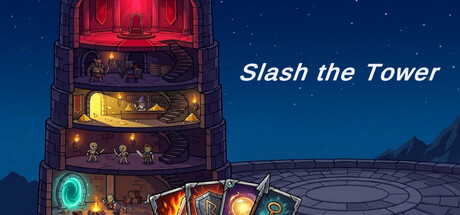
Some creative assets in Slash The Tower were created with the help of generative AI.
Art and music were produced using Google Gemini (AI-assisted generation). Those assets are pre-made and shipped with the game—they are not generated live while you play.
Game code and parts of the user interface were developed with assistance from Cursor (an AI-enabled editor) together with Unity. That means design and implementation were guided by us as developers, with AI helping draft or refine code and UI-related work—not replacing human creative direction for the whole game.
We do not use generative AI to create personalized or real-time content for each player session beyond what is described above. If we add AI-generated material to the Steam store page, community hubs, or marketing, we will treat it the same way: clearly labeled and consistent with this approach.
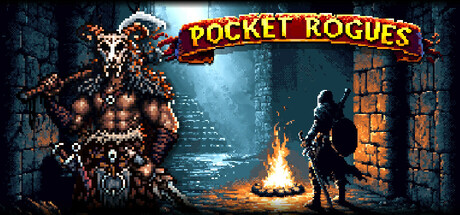
Some of the images in the game were created using neural networks, but were later significantly modified (or used only as inspiration). No image in Pocket Rogues is entirely AI generated.
Some store page images and portions of the code were assisted by AI tools during development. All gameplay, design decisions, and creative direction were made by the developer.
Some visual assets in this game are created with the assistance of generative AI during development. This includes portions of the card artwork, some environmental/scenery visuals, and some character illustrations. These AI-assisted assets are curated, edited, and integrated by the developer as part of the game’s art pipeline. No live-generated AI content is used during gameplay.
I feel the AI tag for my game is not actually reasonable. i tried to explain myself to steam and to stop forcing me to set this AI toggle but the automated system is forcing me to say i used AI
This game uses generative AI in several components. As a solo/small developer, the project wouldn't be feasible without it, but my goal is to fund human-created replacements through the game's revenue after early acces release.
Artwork-
AI generates the base/reference character sprites, which I then paint over and animate by hand.
Item and tileset sprites follow the same treatment, some items may remain unedited in early access to be reviewed later.
Music - AI generated music with rights held by Bonehead Labs.
Capsule art - combination of AI generation and hand-work.
We use generative AI tools during development to create certain pre-rendered audio assets (sound effects and background music). We ensure that prompts do not reference copyrighted works, artists, or specific intellectual property. We use commercially licensed AI services and comply with their terms of service.
ome inventory icons, the in-game orientation map, and a few images used for signs and notes were created with AI assistance. The world itself, level design, gameplay systems, buildings, ruins, enemy placement, and environments are manually built, edited, and refined. Every mesh is placed by hand, and the world layout does not use procedural generation.
This game utilizes generative AI technology to create some 3D models, background music (BGM), and sound effects to efficiently generate resources during the production process.
Generative AI tools were used during development for concept exploration, prototyping, and internal reference materials. All gameplay systems, visuals, text, and audio included in the released game are authored, curated, and reviewed by the developer.
The card artwork in the current version of the game was created using generative AI tools and then manually edited and refined by the developer. AI was not used for gameplay code or core story content. These artworks are intended as temporary assets and are planned to be replaced with commissioned artwork in the future.
Most of the content is developed using traditional development practices.
However, AI tools were used to support the creation of certain 3D in-game assets and audio assets.
I'm a solo developer so I have used AI to help fill in some gaps. Music and very minor pieces of art were created using AI. However I have supported many artists during the making of this game by purchasing asset packs that worked. I've been in the game industry for over a decade and am extremely sensitive to the use of AI but this project wouldn't exist without it and I am very proud of what I have made. My heart, soul, and countless hours have been poured into the project and AI was only used if there was no other reasonable/affordable choice.
Initial concept art was generated using AI tools, followed by manual adjustments and modifications by artists. The final artwork combines AI-generated base designs with human-made artistic revisions.
The in-game AI woman voice created with AI, which is authentic. With a zero budget and modern technologies that are freely available to everyone, our team(me) decided it would be authentic if an AI voiced the AI in the game. Of course, if we(I) had money, we would have done everything differently.
AI tools were used strictly during the development phase to assist with writing code scripts and drafting text descriptions. All game mechanics, logic, and assets were manually reviewed, tested, and finalized by the developer.
We used AI to generate initial music tracks, concept art, and temporary translations into some languages.
All materials were then thoroughly edited, reworked, and finalized by humans.
Nothing went straight from the generator into the game.
Scope: Pre-generated 2D visual content only. Some visual assets use AI-generated source images created from developer prompts, while other visual assets come from licensed art packs. These assets are selected, composited, cropped, and edited by the developer for use in the game.
No runtime AI: The game does not generate any content during gameplay.
Guardrails: Players cannot generate or upload content in-game. AI-generated images are manually reviewed before use, and license records are kept for third-party art packs used in development.
This game uses generative AI tools for the creation of some non-gameplay content, including portions of promotional artwork, visual concepts, and certain localized translations.
All gameplay systems, programming, game design, balancing, and the final integration of assets are created and curated by the developer. AI-generated content is reviewed, edited, and refined before being used in the game or store materials.
This game uses generative AI for its multi-language localization to provide immediate support for French, German, Spanish, Portuguese, Russian, Japanese and Korean. While we strive for accuracy, some linguistic nuances may vary.
Generative AI was used exclusively for creating marketing visuals (Steam capsules). All game content—including code, 3D models, environments, and gameplay—is an original, hand-developed creation.
This game contains content created with the assistance of generative AI during development.
Generative AI tools were used to help create and iterate on parts of the game code, sound effects, music, artwork, images, and multilingual translations. All AI-assisted content was reviewed, edited, selected, and integrated by the developer.
The game does not use generative AI to create content during gameplay.
I use artificial intelligence to assist with multilingual text localization and adaptation, in order to make the game more accessible and enjoyable for a wider range of players.
The vast majority of this game's content is hand-drawn and manually crafted. Generative AI was utilized only as a supportive tool for certain concept designs and ambient sound effects. Every asset has undergone manual correction and thorough refinement to ensure it perfectly aligns with the game’s unique quirky-comic art style.
As a small indie team, we have used generative AI tools to help create temporary placeholder assets during development, including some capsule artworks, localization support, and certain in-game icons. All AI-assisted content is reviewed and integrated manually by our team.
English and Italian localization have been handled internally by our team. All other currently available languages, such as Simplified Chinese, Spanish, Brazilian Portuguese, German, Japanese, Russian, and French, are temporarily supported through AI-assisted translation.
These translations are placeholder versions and will be gradually replaced with finalized localizations leading up to the 1.0 release of the game.
No AI-generated content has been used for any other aspect of development, including coding, art, music, or 3D modeling.
AI assisted tools were used solely for localization and translation of game text and will be replaced by human translations as soon as I am able to afford it. No gameplay systems, visual assets, audio, or runtime content are generated using AI
Some small visuals were made using AI completely trained on my own art, since I am a solo developer, it tremendously helped the tedious tasks of icon generation and few other visuals here and there.
How we use artificial intelligence:
Some creative assets in Slash The Tower were created with the help of generative AI.
Art and music were produced using Google Gemini (AI-assisted generation). Those assets are pre-made and shipped with the game—they are not generated live while you play.
Game code and parts of the user interface were developed with assistance from Cursor (an AI-enabled editor) together with Unity. That means design and implementation were guided by us as developers, with AI helping draft or refine code and UI-related work—not replacing human creative direction for the whole game.
We do not use generative AI to create personalized or real-time content for each player session beyond what is described above. If we add AI-generated material to the Steam store page, community hubs, or marketing, we will treat it the same way: clearly labeled and consistent with this approach.
Some of the images in the game were created using neural networks, but were later significantly modified (or used only as inspiration). No image in Pocket Rogues is entirely AI generated.
Some store page images and portions of the code were assisted by AI tools during development. All gameplay, design decisions, and creative direction were made by the developer.