








Disclosure
Some game assets are generated using AI.
- Creator
- Lazymangamestudio
- Reviews
- -
- Added
- Aug 11, 2026
Public Steam disclosure research 25,394 disclosures tracked
Search developers’ Steam disclosures, compare classified AI use across games, and follow recorded changes. This index adds cross-game classifications and statistics to statements published on individual store pages.
Code help, debugging and other development work.
Capsule art, trailers and promotional material.
Pre-made art, audio, writing and other game assets.
Interactive or runtime AI features disclosed by the developer.
Groups reflect automatic analysis of public disclosures; mature records are excluded. These counts do not measure AI use across all of Steam. Missing or unclear statements cannot establish whether a game uses AI.
Some game assets are generated using AI.
Some resources were created using AI for efficiency as a Solo Developer.
Pre-generated AI was used for store text and five original rank-emblem images (Bronze, Silver, Gold, Diamond, and Grand Racc) shown in the ranked hub and marketing. The emblems were made from our own prompts with OpenAI Codex ImageGen, reviewed and processed by us, and use no third-party source art. The game generates no AI content during play.
Generative AI was used during the development and publishing process.
AI was used to generate code, art prototypes which were then handcrafted in Aseprite, CSS for UIs, and tedious copy stuffed in nooks and crannies to fill out the world.
Portions of the game's text content (item descriptions and English localization) and store page text were written with the assistance of a generative AI language model, under human direction with full review and editing. All artwork is hand-drawn by the developers, and the game does not use any live/runtime AI generation.
Spellk uses AI for some of it's music and art. The aim is to replace the AI elements with human made ones at some point; but that is not guaranteed.
During development, as a solo developer, Claude Code was especially helpful for debugging, development and testing. There is no LLM usage within Frontier Protocol and no external connection is required to play Frontier Protocol.
AI tools are used to assist in development, including code, writing, art, and sound effects
This game adopts generative AI technology to provide players with real-time interactive text dialogue with in-game NPCs. We have set strict content filtering rules to prevent the generation of inappropriate, illegal, pornographic or violent content. Players can report improper AI outputs through Steam's built-in marking tool.
Portions of this game's content were created with generative AI assistance under human direction and review: in-game text (social feed posts, event copy), localization into 8 languages, and marketing materials including the trailer. All AI-assisted content was reviewed by the developer. The game does not generate AI content at runtime.
Artwork, capsules for steam and some game UI screens background image in Options, Main Menu, Craft, Inventory
All primary artwork in this game, including the main character and every enemy, was created by hand either drawn by the developer or by human artists. AI assistance was limited to a few secondary visual effects (light effects, explosions, blood/spray), produced with custom procedural drawing scripts written with the help of an AI coding assistant and then hand-edited and curated by the developer. Some in-game text translations may be pre-generated with AI-assisted localization and reviewed by the developer. No image, audio, or video generation models were used. No AI is used at runtime.
The game's main soundtrack was created using generative AI. The game's promotional capsule artwork was also created with the assistance of generative AI. All other gameplay, programming, game design, pixel art, animations, visual effects, sound effects, UI, and game content were created by the developer.
AI was used to assist with code, art, and sfx. I have manually edited and polished all AI-assisted elements by hand to make them as unsloppy as I possibly can. If anything feels like slop, please let me know in the Community Discussions / Discord, and I'll do my best to fix it. Thanks! :)
Some visual assets, including certain item artwork, icons, and promotional images, were created or assisted using generative AI. All AI-generated content was reviewed, edited, and curated by the development team before being included in the game.
Character and environment art and animations are AI-generated as a starting point (PixelLab, ComfyUI), then reworked, corrected and integrated by hand by the solo developer. The same applies to store page and marketing artwork. All AI-assisted content is pre-generated and finalized before shipping — no content is generated at runtime on the player's machine.
Cover art, store page imagery and music were created with AI generation tools. All game design, writing and gameplay systems were created by the developer.
We use generative AI for localization support. AI is not used for in-game content or gameplay.
AI was utilized to generate some references and provide consultations during the code development process. Additionally, AI assisted in translating and correcting grammatical errors, as English is not my native language. I wanted to lie and say I didn’t use ai at all, but my conscience wouldn't let me.
This game was developed with the assistance of generative AI tools for certain content, including: Some visual art assets (images/textures) Some narrative and story text Programming assistance All AI-generated content has been reviewed, edited, and integrated by the developer to ensure final quality and stylistic consistency.
Deepclaim was made by a solo developer working with an AI coding assistant (Anthropic's Claude). The AI assisted in writing the game's code, which draws all of the game's visuals procedurally at runtime (the game ships with no image files) and synthesizes all of its audio procedurally (no audio files). AI assistance was also used for some in-game text, the Steam store page description, and the store/marketing capsule images. All AI-assisted output was directed, reviewed, and edited by the developer.
This game uses generative AI tools to help create some of its visual assets, such as background art, characters, and the logo. All such assets were generated during development and were reviewed, curated, and hand-adjusted by the developer before being included in the game. No generative AI runs while you play, and no player input or personal data is ever sent to any AI service.
AI was used only during early development for temporary placeholder assets. These materials are not intended to be included in the final shipped game. The game does not use live-generated AI content during gameplay.
Generative AI Usage - Reference for some backgrounds and CG compositions - Editing and proofreading of some text - Assistance with English and Japanese localization All final content was created, reviewed, and/or revised by the developer.
Operation: Horumus is a "vibe coding" experiment. Most of the game's content — code, game design, pixel art, sound effects, procedural music, narrative writing, and all four language localizations (English, Korean, Japanese, Simplified Chinese) — was developed with extensive use of generative AI tools, under the developer's direction. Every creative and technical decision was made by the developer, and all AI-generated output was reviewed and curated before inclusion. No AI is invoked during gameplay. The game runs entirely offline and makes no calls to external AI services. This is a parody experiment, and the use of AI is part of the experiment itself. We disclose it here so you can decide whether that approach is interesting to you.
AI helped with some writing, troubleshooting, localization, and the Steam store page. All art, animation, music, sound effects, and level design were created entirely by me. I reviewed and edited everything AI assisted with, and several translations were also checked by native speakers. The game does not generate AI content during gameplay and does not connect to any external AI services.
The Hero Capsule and main logo was created using AI tools only. The other assets of the game were not created using AI tools.
Generative AI tools were used to assist in creating and refining some pre-generated visual assets, narrative text, localization, and store/marketing artwork. All AI-assisted content was reviewed, edited, and curated by Plants Game. No content is generated during gameplay, and the game does not connect to external AI services.
AI was used to generate graphical assets.
This game uses generative artificial intelligence in its development. Some visual assets — including character sprites, unit artwork, and related game graphics — were created or assisted with generative AI tools and then integrated into the game. AI was also used during development to assist with programming and production workflows. Generative AI is not used to create content live during gameplay. The game does not connect to external AI services while you are playing.
Some visual assets and music in Buzzoria were created with the assistance of generative AI tools.
Arch Rogue was developed with extensive use of generative AI. Most of the game's code was written with AI assistance. The pixel-art sprites, tiles, animations, and store artwork were created with AI image-generation tools and then curated and integrated by the developer. Dialogue, quest text, and lore were AI-generated from developer-designed prompts and story structure. All AI content is created during development, not at runtime — the game does not generate any content with AI at runtime.
This application uses AI tools in parts of its development process, including the creation of artwork used in the game and on the store page, the writing of the dialogue text shown by the characters, the tuning of behaviour algorithms, and the translation of the store page into multiple languages. All such output is generated and reviewed in advance before being incorporated into the product, and no generative AI runs during gameplay.
Portions of the game’s art assets, including environments, title artwork and several icons, were created and revised with AI tools. All background music in the game, including main menu music and combat soundtracks, is AI-generated.
AI-generated content in Pin a Million: - Music: All in-game music tracks were created using generative AI (Suno). - Icons: The icon artwork on Peg and Perk cards was generated using AI tools. All on-board gameplay effects, animations, and visuals are hand-coded and rendered procedurally at runtime (no AI-generated content).
This game uses AI-generated content. The character artwork was pre-generated locally with an image model (Animagine XL 3.1) and manually curated by the developer. During gameplay, the mascot's chat replies (text only) are generated in real time by a bundled local language model (Google Gemma 3 via the Ollama runtime) running entirely on your PC. No internet connection is used and no conversation data leaves your device.
All this game images and sounds are generated with the help of IA tools.
This game uses generative AI to create some of its visual assets, including artwork, background imagery, and marketing graphics. All AI-generated images are reviewed and edited by a human before release.
Generative AI tools were used during development to assist with the creation and iteration of some 2D visual assets, UI elements, concept artwork, and selected audio assets. All AI-assisted content was reviewed, edited, and integrated by the developer. The game does not generate AI content during gameplay.
During development, this game used generative AI tools to assist in creating fixed assets. These outputs were produced during development, reviewed and selected by humans, and then packaged into the game. The game does not call any AI while it is running: ▎ - Code: Anthropic's Claude was used to assist in writing and refactoring the Flutter/Dart game code. All code was reviewed and tested by the developer before being included; no unreviewed AI output is executed automatically. ▎ - Art / Images: Leonardo AI was used to generate pixel-art assets, which were human-selected and edited before use. ▎ - Sound & Voice: ElevenLabs was used to generate sound effects and voice, which were human-selected before use.
We are a small two-person studio. We apologize for using generative AI to assist with the translation and for any inaccuracies that may be present. We used it to make the game available in this language.
Parts of this game's assets were produced with the help of generative AI tools, then reviewed and edited by the developer before being included. This applies to: - Character and background artwork, UI art, and store/marketing images - Portions of the dialogue text - Translation into English, Simplified Chinese, Traditional Chinese, Korean, and Spanish The game does not generate any content while you play, and it never connects to an external AI service. Everything you see and hear ships with the build.
* Localization done with the help of generative AI
As an indie dev, I leveraged AI to create this game. Some voices are AI-generated. Concept art was generated for inspiration and then built from scratch.
During the development, we used generative AI on our capsule image and code-completion AI agents such as Copilot and Codex.
Einige visuelle Elemente des Spiels wurden mithilfe generativer KI-Tools erstellt und anschließend vom Entwickler ausgewählt, bearbeitet und integriert. Während des Spielablaufs kommt keine generative KI zum Einsatz.
The cinematic artworks were created using AI and are based on my own concept sketches. They were used to reinforce the emotional atmosphere and my vision of the game world, while the game itself is designed entirely in hand-drawn pixel art. AI was used for programming
Key art for store page.
Generative AI tools were used during development to assist with the refinement of certain visual assets and to improve the quality and consistency of translations. All AI-assisted content was reviewed and edited by the developer before being included in the final game. No generative AI is used to create content dynamically during gameplay.
| Title⇅ | Disclosure | Creator⇅ | Src | Reviews⇅ | Added↓ |
|---|---|---|---|---|---|
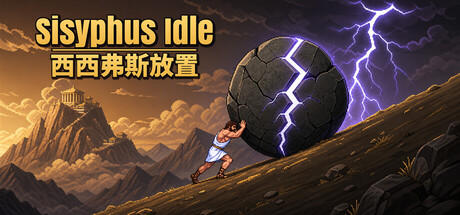 西西弗斯放置(Sisyphus Idle) In-game content | Some game assets are generated using AI. | Lazymangamestudio | - | Aug 11, 2026 | |
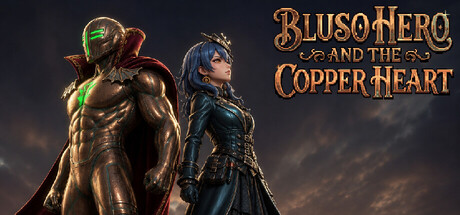 Bluso Hero and the Copper Heart Dev only | Some resources were created using AI for efficiency as a Solo Developer. | El Abrigo de Paulo | - | Aug 11, 2026 | |
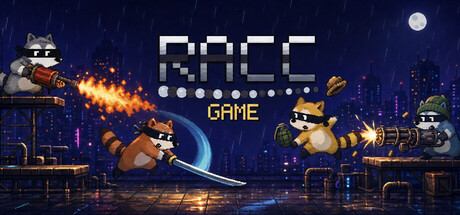 Racc Game In-game content art | Pre-generated AI was used for store text and five original rank-emblem images (Bronze, Silver, Gold, Diamond, and Grand Racc) shown in the ranked hub and marketing. The emblems were made from our own prompts with OpenAI Codex ImageGen, reviewed and processed by us, and use no third-party source art. The game generates no AI content during play. | Racc PG | - | Aug 11, 2026 | |
 The Day I Became a Werewolf Dev only | Generative AI was used during the development and publishing process. | Studio Nox | - | Aug 11, 2026 | |
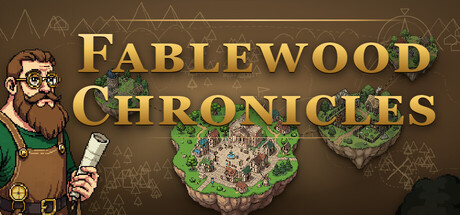 Fablewood Chronicles In-game content artcodetext | AI was used to generate code, art prototypes which were then handcrafted in Aseprite, CSS for UIs, and tedious copy stuffed in nooks and crannies to fill out the world. | Developesque | - | Aug 11, 2026 | |
 Loadout Rush In-game content text | Portions of the game's text content (item descriptions and English localization) and store page text were written with the assistance of a generative AI language model, under human direction with full review and editing. All artwork is hand-drawn by the developers, and the game does not use any live/runtime AI generation. | Basil Ciabatta Studio | - | Aug 11, 2026 | |
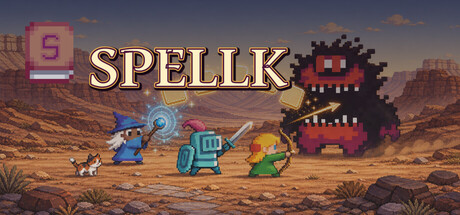 Spellk In-game content audioart | Spellk uses AI for some of it's music and art. The aim is to replace the AI elements with human made ones at some point; but that is not guaranteed. | bascorp | - | Aug 11, 2026 | |
 Frontier Protocol Dev only code | During development, as a solo developer, Claude Code was especially helpful for debugging, development and testing. There is no LLM usage within Frontier Protocol and no external connection is required to play Frontier Protocol. | William Radcliffe | - | Aug 11, 2026 | |
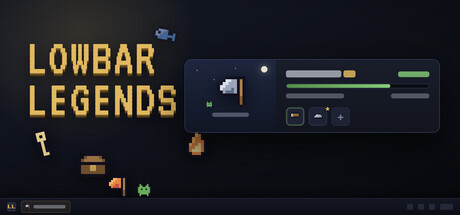 Lowbar Legends In-game content artaudiotextcode | AI tools are used to assist in development, including code, writing, art, and sound effects | Idleforge Games | - | Aug 11, 2026 | |
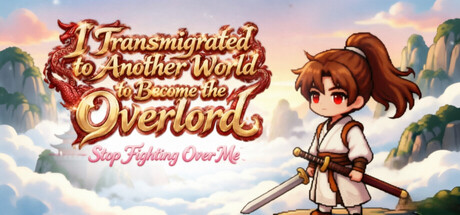 I Transmigrated to Another World to Become the Overlord ——Stop Fighting Over Me Live AI text | This game adopts generative AI technology to provide players with real-time interactive text dialogue with in-game NPCs. We have set strict content filtering rules to prevent the generation of inappropriate, illegal, pornographic or violent content. Players can report improper AI outputs through Steam's built-in marking tool. | SU RAN | - | Aug 11, 2026 | |
 Commit!!! In-game content textart | Portions of this game's content were created with generative AI assistance under human direction and review: in-game text (social feed posts, event copy), localization into 8 languages, and marketing materials including the trailer. All AI-assisted content was reviewed by the developer. The game does not generate AI content at runtime. | gand-tr | - | Aug 11, 2026 | |
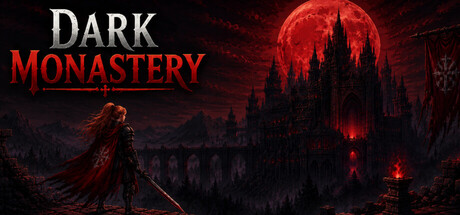 Dark Monastery In-game content art | Artwork, capsules for steam and some game UI screens background image in Options, Main Menu, Craft, Inventory | Torhonskyi Bohdan | - | Aug 11, 2026 | |
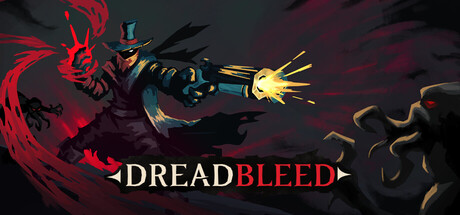 Dreadbleed In-game content arttext | All primary artwork in this game, including the main character and every enemy, was created by hand either drawn by the developer or by human artists. AI assistance was limited to a few secondary visual effects (light effects, explosions, blood/spray), produced with custom procedural drawing scripts written with the help of an AI coding assistant and then hand-edited and curated by the developer. Some in-game text translations may be pre-generated with AI-assisted localization and reviewed by the developer. No image, audio, or video generation models were used. No AI is used at runtime. | FxGames | - | Aug 11, 2026 | |
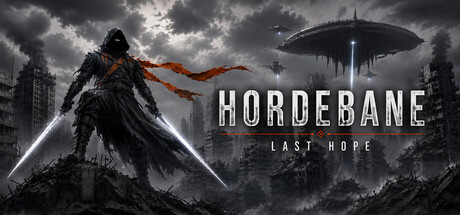 Hordebane: Last Hope In-game content audioart | The game's main soundtrack was created using generative AI. The game's promotional capsule artwork was also created with the assistance of generative AI. All other gameplay, programming, game design, pixel art, animations, visual effects, sound effects, UI, and game content were created by the developer. | Luparc Games | - | Aug 11, 2026 | |
 Click to Obsolete In-game content artaudio | AI was used to assist with code, art, and sfx. I have manually edited and polished all AI-assisted elements by hand to make them as unsloppy as I possibly can. If anything feels like slop, please let me know in the Community Discussions / Discord, and I'll do my best to fix it. Thanks! :) | Shaked Yarkony | - | Aug 11, 2026 | |
 Mochi In-game content art | Some visual assets, including certain item artwork, icons, and promotional images, were created or assisted using generative AI. All AI-generated content was reviewed, edited, and curated by the development team before being included in the game. | Levir Studio | - | Aug 11, 2026 | |
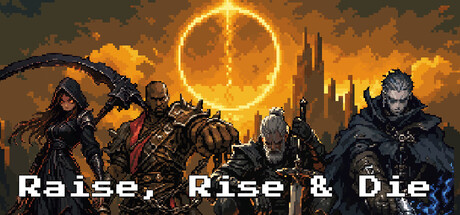 Raise, Rise & Die In-game content art | Character and environment art and animations are AI-generated as a starting point (PixelLab, ComfyUI), then reworked, corrected and integrated by hand by the solo developer. The same applies to store page and marketing artwork. All AI-assisted content is pre-generated and finalized before shipping — no content is generated at runtime on the player's machine. | Grimvault games | - | Aug 11, 2026 | |
 FRANKED! In-game content artaudio | Cover art, store page imagery and music were created with AI generation tools. All game design, writing and gameplay systems were created by the developer. | Endpaper | - | Aug 11, 2026 | |
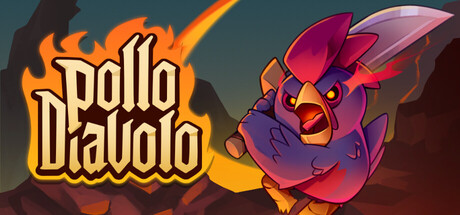 Pollo Diavolo In-game content text | We use generative AI for localization support. AI is not used for in-game content or gameplay. | Red-Squirg | - | Aug 11, 2026 | |
 Godheart Dev only codetext | AI was utilized to generate some references and provide consultations during the code development process. Additionally, AI assisted in translating and correcting grammatical errors, as English is not my native language.
I wanted to lie and say I didn’t use ai at all, but my conscience wouldn't let me. | Dagmar Games | - | Aug 11, 2026 | |
 时空大世界 In-game content arttextcode | This game was developed with the assistance of generative AI tools for certain content, including:
Some visual art assets (images/textures)
Some narrative and story text
Programming assistance
All AI-generated content has been reviewed, edited, and integrated by the developer to ensure final quality and stylistic consistency. | 冷漠乌鸦 | - | Aug 11, 2026 | |
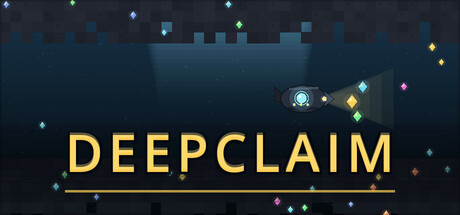 Deepclaim Live AI artaudiotext | Deepclaim was made by a solo developer working with an AI coding assistant (Anthropic's Claude). The AI assisted in writing the game's code, which draws all of the game's visuals procedurally at runtime (the game ships with no image files) and synthesizes all of its audio procedurally (no audio files). AI assistance was also used for some in-game text, the Steam store page description, and the store/marketing capsule images. All AI-assisted output was directed, reviewed, and edited by the developer. | chasethelightgames | - | Aug 10, 2026 | |
 Kubi Meguri In-game content art | This game uses generative AI tools to help create some of its visual assets, such as background art, characters, and the logo. All such assets were generated during development and were reviewed, curated, and hand-adjusted by the developer before being included in the game. No generative AI runs while you play, and no player input or personal data is ever sent to any AI service. | OBORO | - | Aug 10, 2026 | |
 Magnet to Planet Dev only art | AI was used only during early development for temporary placeholder assets. These materials are not intended to be included in the final shipped game.
The game does not use live-generated AI content during gameplay. | Magnet to Planet | - | Aug 10, 2026 | |
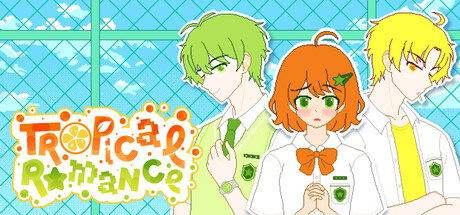 Tropical Romance In-game content arttext | Generative AI Usage
- Reference for some backgrounds and CG compositions
- Editing and proofreading of some text
- Assistance with English and Japanese localization
All final content was created, reviewed, and/or revised by the developer. | NewooGames | - | Aug 10, 2026 | |
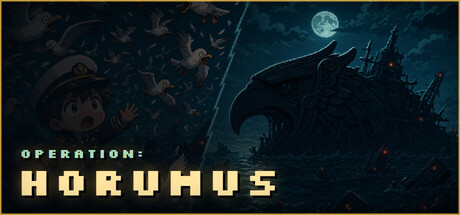 Operation: Horumus In-game content artaudiotextcode | Operation: Horumus is a "vibe coding" experiment. Most of the game's content — code, game design, pixel art, sound effects, procedural music, narrative writing, and all four language localizations (English, Korean, Japanese, Simplified Chinese) — was developed with extensive use of generative AI tools, under the developer's direction. Every creative and technical decision was made by the developer, and all AI-generated output was reviewed and curated before inclusion.
No AI is invoked during gameplay. The game runs entirely offline and makes no calls to external AI services.
This is a parody experiment, and the use of AI is part of the experiment itself. We disclose it here so you can decide whether that approach is interesting to you. | Park JongHwa | - | Aug 10, 2026 | |
 20 Trials to Heaven In-game content text | AI helped with some writing, troubleshooting, localization, and the Steam store page. All art, animation, music, sound effects, and level design were created entirely by me. I reviewed and edited everything AI assisted with, and several translations were also checked by native speakers. The game does not generate AI content during gameplay and does not connect to any external AI services. | Rodel Pacheco | - | Aug 8, 2026 | |
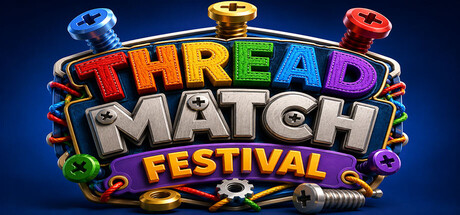 Thread Match Festival Store/marketing art | The Hero Capsule and main logo was created using AI tools only. The other assets of the game were not created using AI tools. | Tuga Studios | - | Aug 8, 2026 | |
 Dungeon Sookuma In-game content arttext | Generative AI tools were used to assist in creating and refining some pre-generated visual assets, narrative text, localization, and store/marketing artwork. All AI-assisted content was reviewed, edited, and curated by Plants Game. No content is generated during gameplay, and the game does not connect to external AI services. | 플랜츠게임 | - | Aug 8, 2026 | |
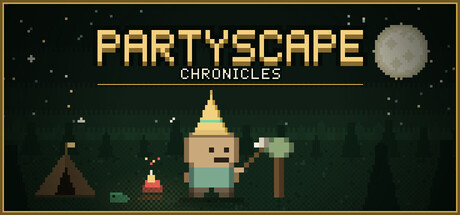 PartyScape Chronicles In-game content art | AI was used to generate graphical assets. | Xonzer! | - | Aug 8, 2026 | |
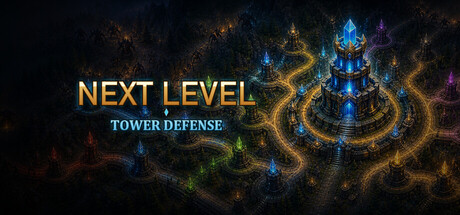 Next Level: Tower Defense In-game content artcode | This game uses generative artificial intelligence in its development.
Some visual assets — including character sprites, unit artwork, and related
game graphics — were created or assisted with generative AI tools and then
integrated into the game. AI was also used during development to assist with
programming and production workflows.
Generative AI is not used to create content live during gameplay. The game
does not connect to external AI services while you are playing. | Ronnie | - | Aug 8, 2026 | |
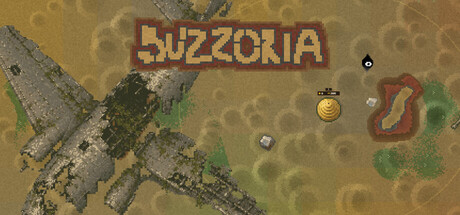 Buzzoria In-game content artaudio | Some visual assets and music in Buzzoria were created with the assistance of generative AI tools. | Andrew Bro | - | Aug 8, 2026 | |
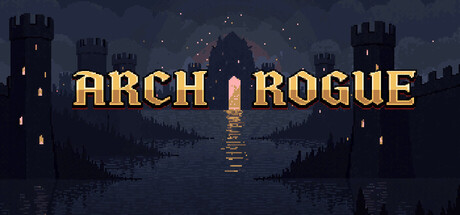 Arch Rogue In-game content arttextcode | Arch Rogue was developed with extensive use of generative AI. Most of the game's code was written with AI assistance. The pixel-art sprites, tiles, animations, and store artwork were created with AI image-generation tools and then curated and integrated by the developer. Dialogue, quest text, and lore were AI-generated from developer-designed prompts and story structure. All AI content is created during development, not at runtime — the game does not generate any content with AI at runtime. | Matti Rita-Kasari | - | Aug 8, 2026 | |
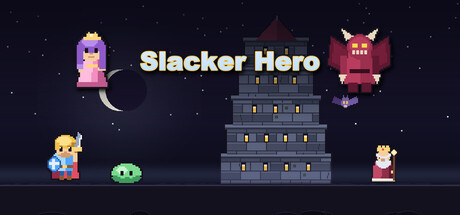 Slacker Hero In-game content arttext | This application uses AI tools in parts of its development process, including the creation of artwork used in the game and on the store page, the writing of the dialogue text shown by the characters, the tuning of behaviour algorithms, and the translation of the store page into multiple languages. All such output is generated and reviewed in advance before being incorporated into the product, and no generative AI runs during gameplay. | SQOOL | - | Aug 8, 2026 | |
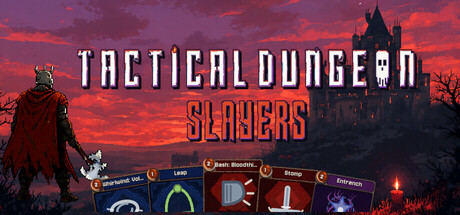 Tactical Dungeon Slayers In-game content artaudio | Portions of the game’s art assets, including environments, title artwork and several icons, were created and revised with AI tools. All background music in the game, including main menu music and combat soundtracks, is AI-generated. | Futurebun | - | Aug 8, 2026 | |
 Pin A Million In-game content audioart | AI-generated content in Pin a Million:
- Music: All in-game music tracks were created using generative AI (Suno).
- Icons: The icon artwork on Peg and Perk cards was generated using AI tools.
All on-board gameplay effects, animations, and visuals are hand-coded and rendered procedurally at runtime (no AI-generated content). | Whitebeard Interactive | - | Aug 8, 2026 | |
 Desktop Pal Live AI arttext | This game uses AI-generated content. The character artwork was pre-generated locally with an image model (Animagine XL 3.1) and manually curated by the developer. During gameplay, the mascot's chat replies (text only) are generated in real time by a bundled local language model (Google Gemma 3 via the Ollama runtime) running entirely on your PC. No internet connection is used and no conversation data leaves your device. | yidev | - | Aug 8, 2026 | |
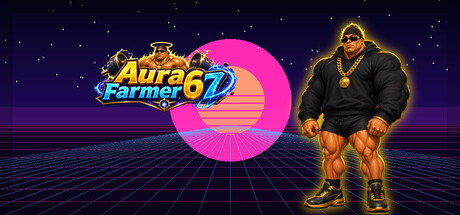 Aura Farmer 67 In-game content artaudio | All this game images and sounds are generated with the help of IA tools. | saBOR Gamedev | - | Aug 8, 2026 | |
 HR Hell In-game content art | This game uses generative AI to create some of its visual assets, including artwork, background imagery, and marketing graphics. All AI-generated images are reviewed and edited by a human before release. | playerboot | - | Aug 8, 2026 | |
 Pachinko Forge In-game content artaudio | Generative AI tools were used during development to assist with the creation and iteration of some 2D visual assets, UI elements, concept artwork, and selected audio assets. All AI-assisted content was reviewed, edited, and integrated by the developer. The game does not generate AI content during gameplay. | Cow Horse Studio | - | Aug 8, 2026 | |
 Breakfast Shop Legend In-game content artaudiocode | During development, this game used generative AI tools to assist in creating fixed assets. These outputs were produced during development, reviewed and selected by humans, and then packaged into the game. The game does not call any AI while it is running:
▎ - Code: Anthropic's Claude was used to assist in writing and refactoring the Flutter/Dart game code. All code was reviewed and tested by the developer before being included; no unreviewed AI output is executed automatically.
▎ - Art / Images: Leonardo AI was used to generate pixel-art assets, which were human-selected and edited before use.
▎ - Sound & Voice: ElevenLabs was used to generate sound effects and voice, which were human-selected before use. | kklaugh | - | Aug 8, 2026 | |
 Purrtopia In-game content text | We are a small two-person studio. We apologize for using generative AI to assist with the translation and for any inaccuracies that may be present. We used it to make the game available in this language. | Hotgaze | - | Aug 8, 2026 | |
 Eclipse Renegade In-game content arttext | Parts of this game's assets were produced with the help of generative AI tools, then reviewed and edited by the developer before being included.
This applies to:
- Character and background artwork, UI art, and store/marketing images
- Portions of the dialogue text
- Translation into English, Simplified Chinese, Traditional Chinese, Korean, and Spanish
The game does not generate any content while you play, and it never connects to an external AI service. Everything you see and hear ships with the build. | WhiteAge | - | Aug 8, 2026 | |
 A Wizard-Chess Tournament In-game content text | * Localization done with the help of generative AI | Stefan Badenhorst | - | Aug 8, 2026 | |
 Epsilon Hyperpunk In-game content audioart | As an indie dev, I leveraged AI to create this game. Some voices are AI-generated. Concept art was generated for inspiration and then built from scratch. | n8tus | - | Aug 8, 2026 | |
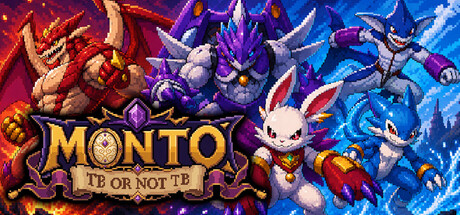 Monto: TB or not TB Store/marketing artcode | During the development, we used generative AI on our capsule image and code-completion AI agents such as Copilot and Codex. | d'Evo | - | Aug 8, 2026 | |
 Harvest Deadline In-game content art | Einige visuelle Elemente des Spiels wurden mithilfe generativer KI-Tools erstellt und anschließend vom Entwickler ausgewählt, bearbeitet und integriert. Während des Spielablaufs kommt keine generative KI zum Einsatz. | Deadline Forge | - | Aug 8, 2026 | |
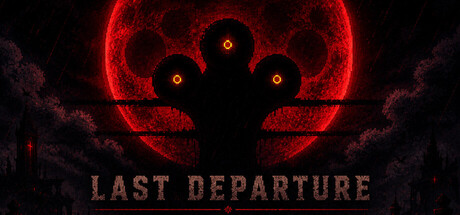 Last Departure Store/marketing artcode | The cinematic artworks were created using AI and are based on my own concept sketches. They were used to reinforce the emotional atmosphere and my vision of the game world, while the game itself is designed entirely in hand-drawn pixel art.
AI was used for programming | Nirmalan Rajakaruna (Raja Studios) | - | Aug 8, 2026 | |
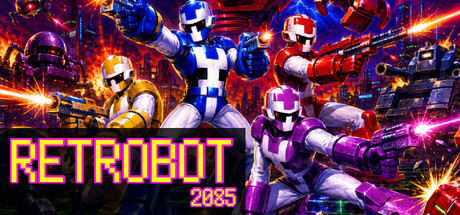 Retrobot: 2085 Store/marketing art | Key art for store page. | Supergonk | - | Aug 8, 2026 | |
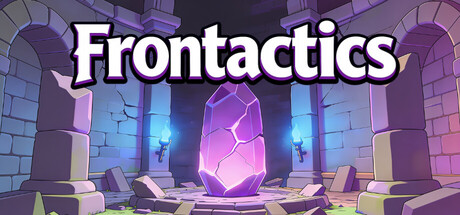 Frontactics In-game content arttext | Generative AI tools were used during development to assist with the refinement of certain visual assets and to improve the quality and consistency of translations. All AI-assisted content was reviewed and edited by the developer before being included in the final game. No generative AI is used to create content dynamically during gameplay. | Molba Studio | - | Aug 8, 2026 |


