Public Steam disclosure research25,394 disclosures tracked
Where do games disclose AI use?
Search developers’ Steam disclosures, compare classified AI use across
games, and follow recorded changes.
This index adds cross-game classifications and statistics to
statements published on individual store pages.
Groups reflect automatic analysis of public disclosures; mature records are excluded. These counts do not measure AI use across all of Steam.
Missing or unclear statements cannot establish whether a game uses AI.
Some visual assets in this game (such as illustrations, icons, and background images) were created with the assistance of generative AI tools. All AI-generated content was reviewed, edited, and curated by our development team before being included in the game.
Card face art, in-game icons, and some store artwork were generated with locally-run image-generation models (Qwen-Image), then curated and composited by the developer. No AI content is generated at runtime.
As a solo developer, I used generative AI tools to help create some of the game's icons, artwork, and written text, which I then reviewed and edited by hand. The game's design, code, and systems are my own work, and the world, its factions, and its story are built on lore I have developed across the Imperium Sine Fine saga. Nothing is AI-generated during gameplay.
1.Generative AI tools were used to assist in creating some in-game art assets.
2.Generative AI tools were used to assist in creating and debugging some in-game code.
Being a small 2 person team in a startup studio working on this project while juggling other responsibilities; we used AI to generate base artwork that we then modified. We strived to use a fantasy theme based on Cubism as an art style so we wouldnt be ripping a specific artist's work.
All Artwork in game has been edited to fit the game, there is no raw AI content present.
I’m a User Experience Designer by day, and making a game has been a childhood dream of mine. I used generative AI as part of my development process, including helping with code and creating visual assets. Every asset included in the final game was personally selected, refined, placed, and directed by me to match the game’s overall vision.
Some visual assets in this game (such as illustrations, icons, and background images) were created with the assistance of generative AI tools. All AI-generated content was reviewed, edited, and curated by our development team before being included in the game.
Some visual assets, concept art, character portraits, promotional images, and store-related materials may be created or assisted using generative AI tools. All AI-assisted content is reviewed and edited by the developer before use. The game does not use real-time AI generation during gameplay.
This game's art and music were created during development using generative AI tools. Specifically: the painted 2D illustrations — card art, event illustrations, and background images — were generated with AI image tools, and the background music tracks were produced with AI music tools. In every case the developer reviewed, selected, edited, and finalized the results, which ship as fixed image and audio files.
This game used AI tools to assist in generating some visual assets and code. All AI-generated content has been manually reviewed and edited by the developer to ensure quality.
Many of the art assets used at this stage are AI-generated placeholders, including most of the card artwork. These AI assets help depict the overall creative style and vision that will be achieved in the full release. A Kickstarter campaign will be dedicated to raising the funds to replace the AI placeholder art.
All of the sound design, music, text and game code is entirely human-created.
Bear with me. As a solo-creator I really want to first focus on the game complex logic and its user interface and features, which are crucial to me to give you the best possible experience I can. So this game includes a small number of artworks and music tracks generated using AI tools, which where still edited and refined by me before being included in the final build. I'm working hard to make the game even better at every release. Thank you!
This game may use pre-generated AI-assisted visual assets in some store/marketing materials and placeholder art. All such assets are reviewed and edited by the developer. The game does not use live generative AI during gameplay.
Some 2D art assets (e.g. icons, store capsules, background art) were created with the help of generative AI image tools and then curated and edited by the developer. No AI-generated content is produced live during gameplay.
Generative AI is used only to assist with localization and translation of game-related text. No gameplay, artwork, audio, or other player-facing content is generated by AI.
Some static art candidate assets were assisted by generative AI tools during development. Any such assets included in the game are manually reviewed, selected, edited, cleaned, style-matched, and checked before being shipped as fixed static game assets. The game does not use generative AI at runtime and does not generate text, images, audio, video, or other content in response to player input while the game is running.
This game uses generative AI during gameplay to create an original in-game character called a "Logos" for use by that player. Based on text entered or selected by the player, the AI generates a 2D illustration of the Logos in real time, along with its name, flavor text, and similar content. The generated Logos can be added to your deck and used to progress through the game.
The game also includes pre-generated AI content: enemy and event illustrations were created with Adobe Firefly during development. Generation is performed using cloud-based external AI services (Adobe Firefly for image generation, OpenAI for text generation).
The words entered by the player, generation conditions, and the data of the generated Logos are sent to and stored on our server. These records are used to provide the generation feature, review reported results, and investigate errors. A generated Logos is visible only to the player who created it and is not shared with other players.
Some information required for generation is sent from our server to external AI services. Data sent from our server to these services is not used to train or improve their models. Please do not enter any personal information, such as your name or contact details, or any confidential information you would not want third parties to know.
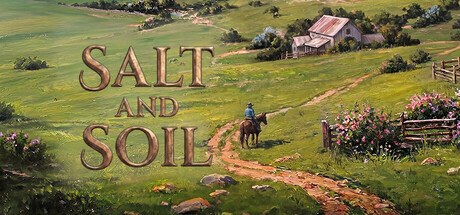
Salt and Soil uses generative AI during gameplay to create some Annual Family Council narrative text and structured choice outcomes based on the current campaign state. Generated council content is constrained by the game’s historical setting, family data, localization rules, and gameplay schema, then validated before it is shown to the player.
We used generative AI tools to assist in creating in-game background illustrations. All AI-generated assets were pre-rendered during development and do not generate content in real-time.
No game assets or gameplay content were generated using AI.
Localization into some supported languages was created with AI assistance and reviewed by the developers and community where possible.
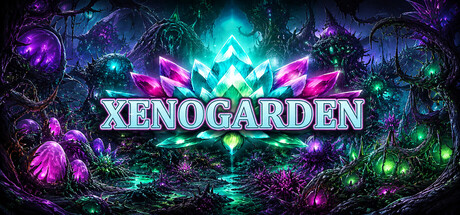
Generative AI-assisted tools were used as part of the development process for Xenogarden.
This includes support in creating and refining selected visual content such as concept art, artwork, textures, marketing materials and store page assets, as well as assistance with text, localization, sound/music ideas and creative drafts.
All content included in the game is pre-generated, selected, reviewed and curated. The game does not generate new AI content during gameplay and does not connect to external AI services during gameplay.
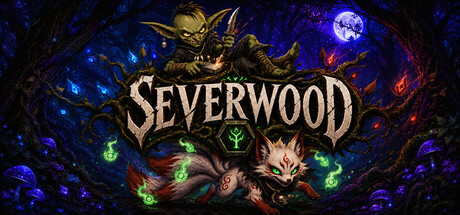
Severwood uses generative AI as part of its development. Many visual assets — including character art, backgrounds, and card illustrations — were created with the assistance of AI image-generation tools, then selected, edited, and assembled by the developer to fit the game's art direction. Some code was written with AI assistance, directed and reviewed by the developer. Game design, writing, planning, and systems are created and directed by the human developer. No AI-generated content is produced live during gameplay; all assets are fixed and were finalized during development.
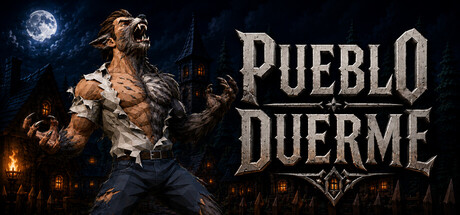
Pueblo Duerme uses generative AI during gameplay to create short in-game text chat messages for bot players in social deduction matches. The game includes local Qwen3 GGUF models that run on the player's PC through a local llama-server process, with Quality and Performance modes available in the settings menu. Player messages are not sent to an external AI service. The system is limited to gameplay dialogue and uses validation and fallback responses to keep messages within the game's rules.
This game uses pre-generated generative AI content to assist with select 2D artwork, UI elements, and/or marketing materials. This content was reviewed and, where necessary, edited by the developer. No content is generated live by AI during gameplay.
Some visual assets and promotional artwork were created or assisted using generative AI, then reviewed and refined by the developer. All gameplay systems, game design, programming, balance, and core content were created by the developer. No generative AI is used during gameplay.
We used generative AI tools during development to create game icons. All assets were reviewed and integrated manually. The game does not generate content in real-time.
Some creature sprites and artwork were created with the assistance of AI image generation tools (Pixellab) and subsequently edited and refined by hand. All game design, mechanics, and balance are human-made. Development tools with AI assistance were used for portions of the code. The game does not generate any content with AI at runtime.
This game was created with the assistance of generative AI tools for visual assets, music, and coding. All generated material was extensively edited, arranged, curated, and directed by the developer. The gameplay design, UI layout, visual style, and overall creative vision are the result of significant human authorship.
The game does not use AI to generate content for the game. Some of the game content was developed using AI, but the game itself does not use AI to generate any content.
Generative AI tools were used during development to assist with the creation and editing of some visual assets, background assets, character assets, code, and text. The game does not include live AI-generated content based on player input. All AI-assisted content has been reviewed, edited, and approved by the developer before inclusion. The game does not contain AI-generated adult-only content.
AI is used during our early Alpha development phase to create temporary placeholder art. The intent is to replace once the core game loop as been satisfied.
Generative AI technology is used in a supplementary capacity during the creation of some user interface assets.
Any such assets are replaced through our production pipeline by our art and development teams, ensuring they meet our quality standards and creative direction.
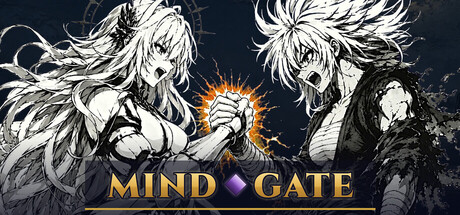
MindGate's content—including character illustrations, related store and promotional images, and in-game text—is created by the developer using generative AI tools. The developer directs, selects, edits, and finalizes every asset, and makes all gameplay design and balance decisions.
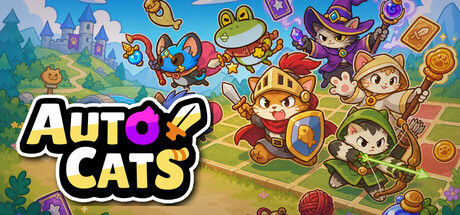
Auto Cats uses generative AI tools for some pre-generated visual and written content, including selected marketing artwork, concept-assisted item artwork, and some pre-written random event content.
Some visual assets in this game (such as illustrations, icons, and background images) were created with the assistance of generative AI tools. All AI-generated content was reviewed, edited, and curated by our development team before being included in the game.
Card face art, in-game icons, and some store artwork were generated with locally-run image-generation models (Qwen-Image), then curated and composited by the developer. No AI content is generated at runtime.
As a solo developer, I used generative AI tools to help create some of the game's icons, artwork, and written text, which I then reviewed and edited by hand. The game's design, code, and systems are my own work, and the world, its factions, and its story are built on lore I have developed across the Imperium Sine Fine saga. Nothing is AI-generated during gameplay.
1.Generative AI tools were used to assist in creating some in-game art assets.
2.Generative AI tools were used to assist in creating and debugging some in-game code.
Being a small 2 person team in a startup studio working on this project while juggling other responsibilities; we used AI to generate base artwork that we then modified. We strived to use a fantasy theme based on Cubism as an art style so we wouldnt be ripping a specific artist's work.
All Artwork in game has been edited to fit the game, there is no raw AI content present.
I’m a User Experience Designer by day, and making a game has been a childhood dream of mine. I used generative AI as part of my development process, including helping with code and creating visual assets. Every asset included in the final game was personally selected, refined, placed, and directed by me to match the game’s overall vision.
Some visual assets in this game (such as illustrations, icons, and background images) were created with the assistance of generative AI tools. All AI-generated content was reviewed, edited, and curated by our development team before being included in the game.
Some visual assets, concept art, character portraits, promotional images, and store-related materials may be created or assisted using generative AI tools. All AI-assisted content is reviewed and edited by the developer before use. The game does not use real-time AI generation during gameplay.
This game's art and music were created during development using generative AI tools. Specifically: the painted 2D illustrations — card art, event illustrations, and background images — were generated with AI image tools, and the background music tracks were produced with AI music tools. In every case the developer reviewed, selected, edited, and finalized the results, which ship as fixed image and audio files.
This game used AI tools to assist in generating some visual assets and code. All AI-generated content has been manually reviewed and edited by the developer to ensure quality.
Many of the art assets used at this stage are AI-generated placeholders, including most of the card artwork. These AI assets help depict the overall creative style and vision that will be achieved in the full release. A Kickstarter campaign will be dedicated to raising the funds to replace the AI placeholder art.
All of the sound design, music, text and game code is entirely human-created.
Bear with me. As a solo-creator I really want to first focus on the game complex logic and its user interface and features, which are crucial to me to give you the best possible experience I can. So this game includes a small number of artworks and music tracks generated using AI tools, which where still edited and refined by me before being included in the final build. I'm working hard to make the game even better at every release. Thank you!
This game may use pre-generated AI-assisted visual assets in some store/marketing materials and placeholder art. All such assets are reviewed and edited by the developer. The game does not use live generative AI during gameplay.
Some 2D art assets (e.g. icons, store capsules, background art) were created with the help of generative AI image tools and then curated and edited by the developer. No AI-generated content is produced live during gameplay.
Generative AI is used only to assist with localization and translation of game-related text. No gameplay, artwork, audio, or other player-facing content is generated by AI.
Some static art candidate assets were assisted by generative AI tools during development. Any such assets included in the game are manually reviewed, selected, edited, cleaned, style-matched, and checked before being shipped as fixed static game assets. The game does not use generative AI at runtime and does not generate text, images, audio, video, or other content in response to player input while the game is running.
This game uses generative AI during gameplay to create an original in-game character called a "Logos" for use by that player. Based on text entered or selected by the player, the AI generates a 2D illustration of the Logos in real time, along with its name, flavor text, and similar content. The generated Logos can be added to your deck and used to progress through the game.
The game also includes pre-generated AI content: enemy and event illustrations were created with Adobe Firefly during development. Generation is performed using cloud-based external AI services (Adobe Firefly for image generation, OpenAI for text generation).
The words entered by the player, generation conditions, and the data of the generated Logos are sent to and stored on our server. These records are used to provide the generation feature, review reported results, and investigate errors. A generated Logos is visible only to the player who created it and is not shared with other players.
Some information required for generation is sent from our server to external AI services. Data sent from our server to these services is not used to train or improve their models. Please do not enter any personal information, such as your name or contact details, or any confidential information you would not want third parties to know.
Salt and Soil uses generative AI during gameplay to create some Annual Family Council narrative text and structured choice outcomes based on the current campaign state. Generated council content is constrained by the game’s historical setting, family data, localization rules, and gameplay schema, then validated before it is shown to the player.
We used generative AI tools to assist in creating in-game background illustrations. All AI-generated assets were pre-rendered during development and do not generate content in real-time.
No game assets or gameplay content were generated using AI.
Localization into some supported languages was created with AI assistance and reviewed by the developers and community where possible.
Generative AI-assisted tools were used as part of the development process for Xenogarden.
This includes support in creating and refining selected visual content such as concept art, artwork, textures, marketing materials and store page assets, as well as assistance with text, localization, sound/music ideas and creative drafts.
All content included in the game is pre-generated, selected, reviewed and curated. The game does not generate new AI content during gameplay and does not connect to external AI services during gameplay.
Severwood uses generative AI as part of its development. Many visual assets — including character art, backgrounds, and card illustrations — were created with the assistance of AI image-generation tools, then selected, edited, and assembled by the developer to fit the game's art direction. Some code was written with AI assistance, directed and reviewed by the developer. Game design, writing, planning, and systems are created and directed by the human developer. No AI-generated content is produced live during gameplay; all assets are fixed and were finalized during development.
Pueblo Duerme uses generative AI during gameplay to create short in-game text chat messages for bot players in social deduction matches. The game includes local Qwen3 GGUF models that run on the player's PC through a local llama-server process, with Quality and Performance modes available in the settings menu. Player messages are not sent to an external AI service. The system is limited to gameplay dialogue and uses validation and fallback responses to keep messages within the game's rules.
This game uses pre-generated generative AI content to assist with select 2D artwork, UI elements, and/or marketing materials. This content was reviewed and, where necessary, edited by the developer. No content is generated live by AI during gameplay.
Some visual assets and promotional artwork were created or assisted using generative AI, then reviewed and refined by the developer. All gameplay systems, game design, programming, balance, and core content were created by the developer. No generative AI is used during gameplay.
We used generative AI tools during development to create game icons. All assets were reviewed and integrated manually. The game does not generate content in real-time.
Some creature sprites and artwork were created with the assistance of AI image generation tools (Pixellab) and subsequently edited and refined by hand. All game design, mechanics, and balance are human-made. Development tools with AI assistance were used for portions of the code. The game does not generate any content with AI at runtime.
This game was created with the assistance of generative AI tools for visual assets, music, and coding. All generated material was extensively edited, arranged, curated, and directed by the developer. The gameplay design, UI layout, visual style, and overall creative vision are the result of significant human authorship.
The game does not use AI to generate content for the game. Some of the game content was developed using AI, but the game itself does not use AI to generate any content.
Generative AI tools were used during development to assist with the creation and editing of some visual assets, background assets, character assets, code, and text. The game does not include live AI-generated content based on player input. All AI-assisted content has been reviewed, edited, and approved by the developer before inclusion. The game does not contain AI-generated adult-only content.
AI is used during our early Alpha development phase to create temporary placeholder art. The intent is to replace once the core game loop as been satisfied.
Generative AI technology is used in a supplementary capacity during the creation of some user interface assets.
Any such assets are replaced through our production pipeline by our art and development teams, ensuring they meet our quality standards and creative direction.
MindGate's content—including character illustrations, related store and promotional images, and in-game text—is created by the developer using generative AI tools. The developer directs, selects, edits, and finalizes every asset, and makes all gameplay design and balance decisions.
Auto Cats uses generative AI tools for some pre-generated visual and written content, including selected marketing artwork, concept-assisted item artwork, and some pre-written random event content.