








Disclosure
Some in-game voice lines and music were created with generative AI. No AI content is generated live during gameplay.
- Creator
- Shaktillar Games
- Reviews
- -
- Added
- Aug 4, 2026
Public Steam disclosure research 25,394 disclosures tracked
Search developers’ Steam disclosures, compare classified AI use across games, and follow recorded changes. This index adds cross-game classifications and statistics to statements published on individual store pages.
Code help, debugging and other development work.
Capsule art, trailers and promotional material.
Pre-made art, audio, writing and other game assets.
Interactive or runtime AI features disclosed by the developer.
Groups reflect automatic analysis of public disclosures; mature records are excluded. These counts do not measure AI use across all of Steam. Missing or unclear statements cannot establish whether a game uses AI.
Some in-game voice lines and music were created with generative AI. No AI content is generated live during gameplay.
Steam capsule art is made with the help of generative artificial intelligence.
Some of the content in this game was created using generative AI tools - this includes converting to seamless textures, some visual elements, localization (interface translations), as well as some sound effects and music. All AI-generated materials have been reviewed, edited and adapted by the game's creators.
AI tools were used only during the concept development stages. All final content was reviewed and edited by the development team. All artwork used on the Steam store page was created by freelance 2D artists.
Minor portions of visual assets were created with the assistance of generative AI. We are actively removing these assets from the game.
Generative AI tools (img2img / AI styling) were used to enhance and stylize original, hand-created base artwork and concept sketches into finalized high-fidelity assets.
Some pre-generated 2D artwork, character portraits, branding, and marketing assets were created using generative AI tools and subsequently selected, edited, and integrated by the developer. The game does not use live-generated AI content during gameplay.
During the development of El sonido de un sueño, generative AI tools were used as support for the creation and prototyping of some game assets, including 3D models, visual elements, music and programming assistance. All AI-generated or AI-assisted content was reviewed, edited, integrated and manually adjusted by the development team before being included in the game. The game does not use live generative AI during gameplay. No text, images, music, dialogue or narrative decisions are generated by AI while the player is playing.
AI has been used to help code and shape the games content including Codex and Claude code. A premium Suno account was used to create music for the game. Codex was used to help generate art and in-game assets. All lore, scripting, and general architecture was hand crafted by the author of the game.
Some icons were generated using AI.
Some images are maded with AI
Some in-game backgrounds and icons, as well as icons in the game preview thumbnails.
Game code and some sound effects were created using generative AI. All art and music were created by very talented people.
This game uses AI-generated audio content, including some music, sound, and voice elements.
Artificial intelligence was used to create certain user interface elements and to modify the Steam capsule. Although the background of the Steam capsule comes directly from the game, the image was modified using artificial intelligence.
The store page and in-game localized text have been translated using AI.
Pre-generated generative AI tools were used during development to assist in creating and editing some 2D visual assets, including backgrounds, character images, scene variations, and promotional artwork. AI tools were also used to assist with drafting, editing, and localization of some text. All final content was selected, reviewed, and edited by the developer before inclusion. No generative AI is used during gameplay, and players cannot generate content in the game.
Some of this game's assets were made with the assistance of generative AI tools and were reviewed, curated and hand-finished by the developer. No content is generated while you play.
The promotional pictures for the store were generated by AI, while there is no AI-generated content within the game.
Generative AI technology is used in a supplementary capacity during the creation of some user interface assets. Any such assets are replaced through our production pipeline by our art and development teams, ensuring they meet our quality standards and creative direction.
Code: I'm a solo developer and I use AI coding agents. The architecture, game design, systems, and direction are mine; the agents write code to my spec, under my review. That includes the UI, which agents build from my own designs and styles. 3D art: Made by a professional artist. No AI. Music and SFX: Currently placeholders, licensed from Ocular Sounds, who state their sounds are crafted from original source recordings by their in-house sound design team. To be replaced with commissioned work. Writing: Written by me. AI agents help me edit and apply corrections; I approve every word that ships. A professional writer will be brought on as development continues. Illustrations: Not in the game yet. They will be commissioned from professional artists.
localization
Artificial Intelligence was used primarily for generating Steam capsule artwork, specific gameplay sounds, and assistance with mathematical code functions. All AI-generated content was manually edited and reviewed throughout every stage of development.
This project is human-led and human-authored. The core concept, research direction, cultural framing, interactive decisions, visual judgement, source selection, and the final content of the work were all determined by me. AI was used as a supporting production tool, mainly for: debugging Unity and C# errors; suggesting code structure for prototype scripts; organising local folders and repository structure; searching for public references and technical resources; and drafting editable documentation outlines that I then reviewed and revised. AI was not used as an autonomous author. It did not decide the research direction, cultural interpretation, aesthetic intention, or final meaning of the work. AI-generated text and code were treated as working material - selected, edited, corrected, rejected, or rewritten. The personal reflection was written by me; no AI-generated text is presented as personal reflective writing.
Mars Directive features autonomous AI characters powered by Large Language Models. They don't just generate dialogue—they can observe their surroundings, reason about situations, make independent decisions, interact with the environment, and communicate naturally with both the player and each other. Their behavior is guided by character definitions, gameplay context, and behavioral rules to ensure a consistent gameplay experience.
Some of this game's content was created with generative AI tools and then reviewed and edited by the developer. This includes visual assets (2D art, 3D models and characters), some in-game text and localization, and some audio. No content is generated by AI during gameplay.
No AI was used in the game itself, only to generate marketing images and logos.
If I could. I wouldn't use ai for some of the art. But I can't afford artists or anything.
AI will be used for text correction and translations to other languages beyond initial announced.
Generative AI tools were used during the development of The Five Monks as follows: - Illustrations, icons, and in-game object art: initial images were generated with AI tools, then revised and finalized by hand by the development team. These edited assets ship with the game. - Creature and character concepts: AI outputs were used as visual reference only. The final in-game art was recreated from scratch by the development team to fit the game's art direction. - Store page text: portions were drafted with AI assistance and then edited by the team. The game's music was composed by the development team without generative AI.
Currently I am developing this game as a solo self-funded "indie dev" and games need a lot of assets to be fun. I currently have used free (Creative Commons Zero) assets for audio, and generative AI for some placeholders in the game. I am currently in the process of finding both audio and visual artists to replace the AI generated assets, it takes time and resources, but ultimately I want all the assets to be hand authored by humans.
Some sound effects, written content, and artwork were generated with AI and then manually edited and refined.
Some sound effects were created with AI tools, and a small number of background 3D assets were initially AI-generated, then manually optimized. Parts of the promotional artwork were made with AI assistance. Everything else, including all gameplay systems, the driving and economy mechanics, and the street-by-street recreation of Istanbul's historic peninsula, is hand-crafted by a solo developer.
Generative AI tools were used during development to assist in creating and refining some 2D pixel-art assets, animations, and localization text. All AI-assisted content was reviewed, edited, and integrated by the developer.
Generative AI tools were used throughout development to assist in creating and refining game code, 2D artwork, UI assets, audio, music, and written content, and Steam promotional materials. All AI-assisted content included in the released product is selected, reviewed, integrated, and tested by the developer. The game does not use generative AI at runtime and does not generate content or code during gameplay.
The game contains AI-generated assets.
Generative AI is used only during development to create and refine certain visual assets, including textures, icons, and UI elements. All generated materials are reviewed and edited by the developer when necessary before being added to the game. AI does not generate content during gameplay or process user data.
AI tools were used during development solely for asset optimization and text proofreading.
We used AI to translate the in-game text into other languages, and to write the store page description and translate it into other languages.
Generative AI was used for brainstorming concepts and ideas during the design process, as well as for creating a few 2D visual assets and posters within the game environment.
AI mainly used to generate images and icons. Some usage in automated testing.
Generative AI was used to assist in the creation of certain artwork, background music, sound effects, and translations. All AI-assisted content was reviewed, edited, and integrated by the developer. No content is generated by AI during gameplay.
This game was developed using generative AI during production. Generative AI was used to create the game's code, artwork, visual assets, user interface, music, sound effects, and text. All AI-generated content was reviewed, tested, curated, and integrated into the final game by the developer. The game does not generate AI content during gameplay.
Some objects, textures, images, and audio assets in this game were created or enhanced using generative artificial intelligence. All AI-generated content has been reviewed, edited, and integrated by the developer as part of the game's artistic vision.
This is a text-based game; the illustrative background images were created using a combination of AI technology and Photoshop, the character sprites were hand-drawn and colored using AI, and the music was composed and produced using AI tools.
Most of the art assets in this game are human-made, but there are some AI-generated portraits of African, Indian, and East Asian characters, since the (human-made) portrait packs used did not contain all ethnic groups represented in the game. All dialogue in the game is human-directed and edited, but some was AI-generated in order to flesh out the world with unique dialogue for every region and situation.
We used image generation for concept art, some 2D assets, promo materials, and voice acting for AI characters.
The visual and audio assets in Lv Down RPG were created with the assistance of generative AI tools during development. All assets were selected, reviewed, edited, and integrated by the developer. Game design, programming, systems, and balancing were created by the developer. No AI content is generated during gameplay.
AI tools (coding assistants) were used to help write portions of the game's source code during development. All art, music, and game content shipped in the product are hand-authored or procedurally generated by our own code; no generative AI is used to produce any assets, and no AI generates content at runtime. Basically, I write software for a living but I was not a video game dev, so I used some coding assistants to help me out with areas I was less familiar.
I am a solo developer. In the initial phase, I utilized AI tools to assist with generating partial concept designs, primarily to rapidly prototype and confirm the visual style. Every piece of final art you see in the game has been meticulously tweaked and optimized by my own hands to guarantee it aligns with the game's quality and aesthetic requirements.
| Title⇅ | Disclosure | Creator⇅ | Src | Reviews⇅ | Added↓ |
|---|---|---|---|---|---|
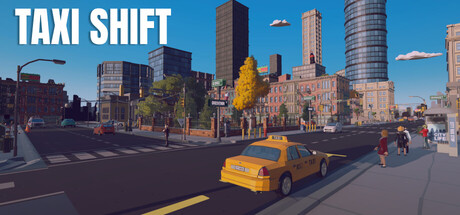 Taxi Shift In-game content audio | Some in-game voice lines and music were created with generative AI. No AI content is generated live during gameplay. | Shaktillar Games | - | Aug 4, 2026 | |
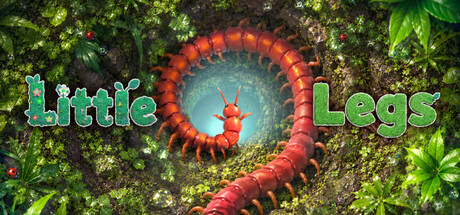 Little Legs Store/marketing art | Steam capsule art is made with the help of generative artificial intelligence. | Twenty Ninety Creative | - | Aug 4, 2026 | |
 Texas Oil Baron In-game content artaudiotext | Some of the content in this game was created using generative AI tools - this includes converting to seamless textures, some visual elements, localization (interface translations), as well as some sound effects and music. All AI-generated materials have been reviewed, edited and adapted by the game's creators. | Slabon Games | - | Aug 4, 2026 | |
 Deep Blue Sushi Dev only art | AI tools were used only during the concept development stages. All final content was reviewed and edited by the development team. All artwork used on the Steam store page was created by freelance 2D artists. | PaperPixel Games | 96 | Aug 3, 2026 | |
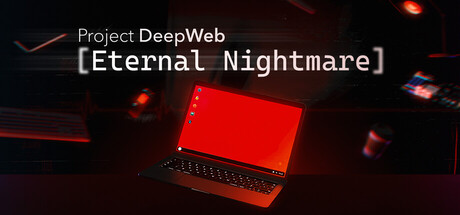 Project DeepWeb: Eternal Nightmare In-game content art | Minor portions of visual assets were created with the assistance of generative AI. We are actively removing these assets from the game. | NightCat Studios | 11 | Aug 3, 2026 | |
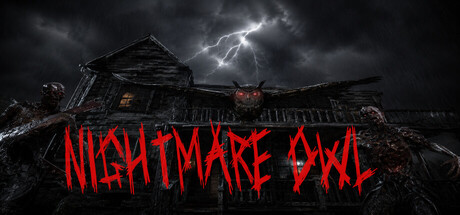 Nightmare Owl In-game content art | Generative AI tools (img2img / AI styling) were used to enhance and stylize original, hand-created base artwork and concept sketches into finalized high-fidelity assets. | Backbreaker games | - | Aug 3, 2026 | |
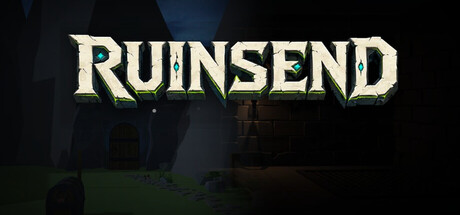 RuinsEnd Store/marketing art | Some pre-generated 2D artwork, character portraits, branding, and marketing assets were created using generative AI tools and subsequently selected, edited, and integrated by the developer. The game does not use live-generated AI content during gameplay. | Dungeon Builder Studios | - | Aug 2, 2026 | |
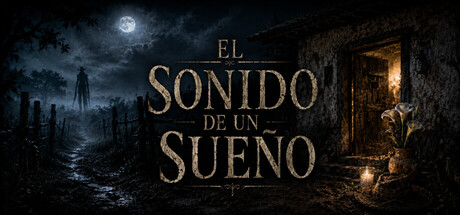 El sonido de un sueño In-game content artaudiocode | During the development of El sonido de un sueño, generative AI tools were used as support for the creation and prototyping of some game assets, including 3D models, visual elements, music and programming assistance. All AI-generated or AI-assisted content was reviewed, edited, integrated and manually adjusted by the development team before being included in the game.
The game does not use live generative AI during gameplay. No text, images, music, dialogue or narrative decisions are generated by AI while the player is playing. | Juan Carlos Rios Gamez | - | Aug 2, 2026 | |
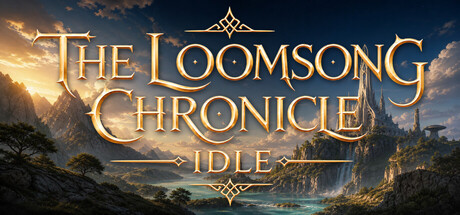 The Loomsong Chronicle Idle In-game content artaudiocode | AI has been used to help code and shape the games content including Codex and Claude code. A premium Suno account was used to create music for the game. Codex was used to help generate art and in-game assets. All lore, scripting, and general architecture was hand crafted by the author of the game. | Nitrocodon Dynamics | - | Aug 2, 2026 | |
 A Volta Dos Que Não Foram In-game content art | Some icons were generated using AI. | Dellamarque Productions | - | Aug 2, 2026 | |
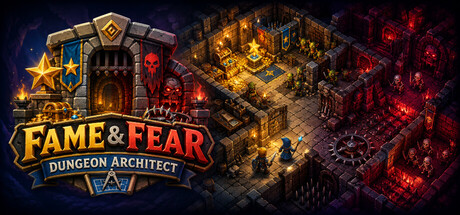 Fame & Fear: Dungeon Architect Unclear art | Some images are maded with AI | Wasdlab | - | Aug 2, 2026 | |
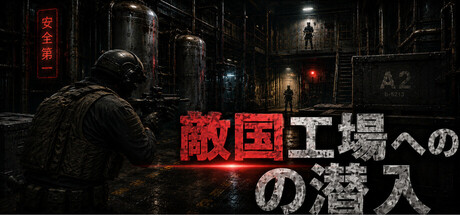 敵国工場への潜入 In-game content art | Some in-game backgrounds and icons, as well as icons in the game preview thumbnails. | Asaruto | - | Aug 2, 2026 | |
 Schizm In-game content codeaudio | Game code and some sound effects were created using generative AI. All art and music were created by very talented people. | Strombo Games | - | Aug 2, 2026 | |
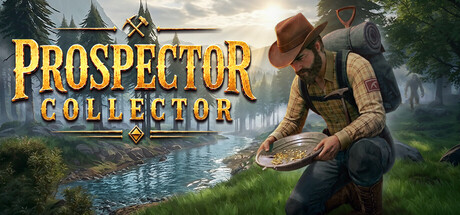 Prospector Collector In-game content audio | This game uses AI-generated audio content, including some music, sound, and voice elements. | Kevuru Games | - | Aug 2, 2026 | |
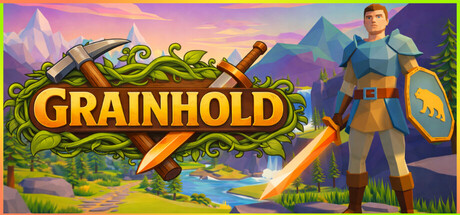 Grainhold Store/marketing art | Artificial intelligence was used to create certain user interface elements and to modify the Steam capsule. Although the background of the Steam capsule comes directly from the game, the image was modified using artificial intelligence. | CreakGames | - | Aug 2, 2026 | |
 RutMaker In-game content text | The store page and in-game localized text have been translated using AI. | 雷都打不醒 | - | Aug 2, 2026 | |
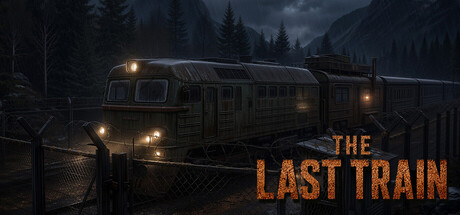 The Last Train: End of the Line In-game content arttext | Pre-generated generative AI tools were used during development to assist in creating and editing some 2D visual assets, including backgrounds, character images, scene variations, and promotional artwork. AI tools were also used to assist with drafting, editing, and localization of some text. All final content was selected, reviewed, and edited by the developer before inclusion. No generative AI is used during gameplay, and players cannot generate content in the game. | Ilya Binus | - | Aug 1, 2026 | |
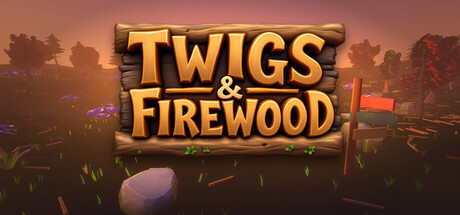 Twigs and Firewood In-game content art | Some of this game's assets were made with the assistance of generative AI tools and were reviewed, curated and hand-finished by the developer. No content is generated while you play. | Meridian Studios | - | Aug 1, 2026 | |
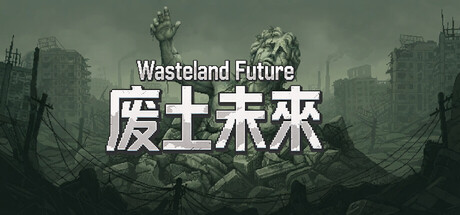 Wasteland Future Store/marketing art | The promotional pictures for the store were generated by AI, while there is no AI-generated content within the game. | 1029studio | - | Aug 1, 2026 | |
 ESCAPE FROM TOUHOU In-game content art | Generative AI technology is used in a supplementary capacity during the creation of some user interface assets.
Any such assets are replaced through our production pipeline by our art and development teams, ensuring they meet our quality standards and creative direction. | FIVE DUCK GAMES | - | Aug 1, 2026 | |
 Morancairn: The Silent Wake Dev only codetext | Code: I'm a solo developer and I use AI coding agents. The architecture, game design, systems, and direction are mine; the agents write code to my spec, under my review. That includes the UI, which agents build from my own designs and styles.
3D art: Made by a professional artist. No AI.
Music and SFX: Currently placeholders, licensed from Ocular Sounds, who state their sounds are crafted from original source recordings by their in-house sound design team. To be replaced with commissioned work.
Writing: Written by me. AI agents help me edit and apply corrections; I approve every word that ships. A professional writer will be brought on as development continues.
Illustrations: Not in the game yet. They will be commissioned from professional artists. | Aether Codex | - | Aug 1, 2026 | |
 Go West Together In-game content text | localization | MAD Studio | - | Aug 1, 2026 | |
 Bandidos em Brasilia In-game content artaudiocode | Artificial Intelligence was used primarily for generating Steam capsule artwork, specific gameplay sounds, and assistance with mathematical code functions. All AI-generated content was manually edited and reviewed throughout every stage of development. | EndrewA Studios | - | Aug 1, 2026 | |
 Kairos-与时偕行 Dev only codetext | This project is human-led and human-authored. The core concept, research direction, cultural framing, interactive decisions, visual judgement, source selection, and the final content of the work were all determined by me.
AI was used as a supporting production tool, mainly for: debugging Unity and C# errors; suggesting code structure for prototype scripts; organising local folders and repository structure; searching for public references and technical resources; and drafting editable documentation outlines that I then reviewed and revised.
AI was not used as an autonomous author. It did not decide the research direction, cultural interpretation, aesthetic intention, or final meaning of the work. AI-generated text and code were treated as working material - selected, edited, corrected, rejected, or rewritten. The personal reflection was written by me; no AI-generated text is presented as personal reflective writing. | Jiakang Lin | - | Aug 1, 2026 | |
 Mars Directive Live AI text | Mars Directive features autonomous AI characters powered by Large Language Models. They don't just generate dialogue—they can observe their surroundings, reason about situations, make independent decisions, interact with the environment, and communicate naturally with both the player and each other. Their behavior is guided by character definitions, gameplay context, and behavioral rules to ensure a consistent gameplay experience. | Blackdeep Technologies | - | Aug 1, 2026 | |
 Prowlers Shift In-game content arttextaudio | Some of this game's content was created with generative AI tools and then reviewed and edited by the developer. This includes visual assets (2D art, 3D models and characters), some in-game text and localization, and some audio. No content is generated by AI during gameplay. | Ironbeak Crow Games | - | Aug 1, 2026 | |
 Survive The Oasis Store/marketing art | No AI was used in the game itself, only to generate marketing images and logos. | DHG Game Studio | - | Aug 1, 2026 | |
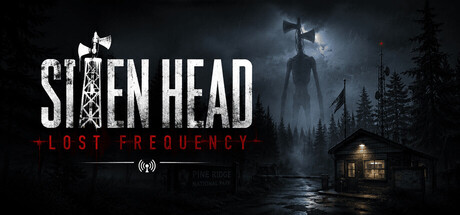 Siren Head: Lost Frequency Unclear art | If I could. I wouldn't use ai for some of the art. But I can't afford artists or anything. | Riley .B | - | Jul 31, 2026 | |
 Brew & Bottle In-game content text | AI will be used for text correction and translations to other languages beyond initial announced. | Bastosha | - | Jul 31, 2026 | |
 The Five Monks In-game content arttext | Generative AI tools were used during the development of The Five Monks as follows:
- Illustrations, icons, and in-game object art: initial images were generated with AI tools, then revised and finalized by hand by the development team. These edited assets ship with the game.
- Creature and character concepts: AI outputs were used as visual reference only. The final in-game art was recreated from scratch by the development team to fit the game's art direction.
- Store page text: portions were drafted with AI assistance and then edited by the team.
The game's music was composed by the development team without generative AI. | Mad Goblins | - | Jul 31, 2026 | |
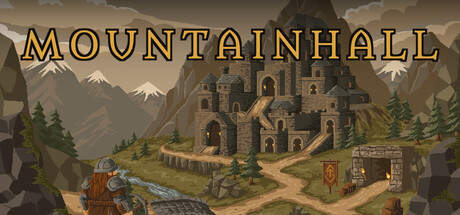 Mountainhall In-game content artaudio | Currently I am developing this game as a solo self-funded "indie dev" and games need a lot of assets to be fun. I currently have used free (Creative Commons Zero) assets for audio, and generative AI for some placeholders in the game. I am currently in the process of finding both audio and visual artists to replace the AI generated assets, it takes time and resources, but ultimately I want all the assets to be hand authored by humans. | Deepmountain Studios | - | Jul 31, 2026 | |
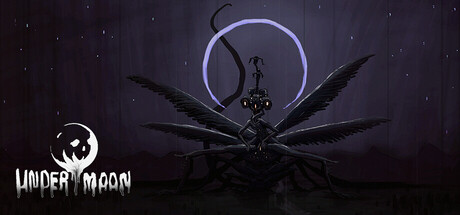 Undermoon In-game content audiotextart | Some sound effects, written content, and artwork were generated with AI and then manually edited and refined. | momorange | - | Jul 31, 2026 | |
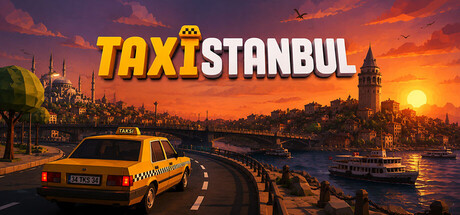 Taxistanbul: Istanbul Taxi Simulator In-game content audioart | Some sound effects were created with AI tools, and a small number of background 3D assets were initially AI-generated, then manually optimized. Parts of the promotional artwork were made with AI assistance. Everything else, including all gameplay systems, the driving and economy mechanics, and the street-by-street recreation of Istanbul's historic peninsula, is hand-crafted by a solo developer. | Osas Games | - | Jul 31, 2026 | |
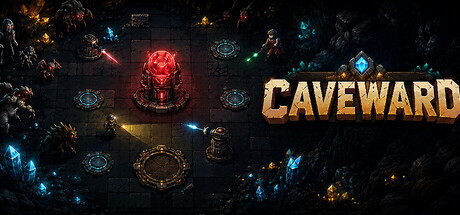 Caveward In-game content arttext | Generative AI tools were used during development to assist in creating and refining some 2D pixel-art assets, animations, and localization text. All AI-assisted content was reviewed, edited, and integrated by the developer. | J. Souza | - | Jul 31, 2026 | |
 Archive of Fate In-game content artaudiotextcode | Generative AI tools were used throughout development to assist in creating and refining game code, 2D artwork, UI assets, audio, music, and written content, and Steam promotional materials. All AI-assisted content included in the released product is selected, reviewed, integrated, and tested by the developer. The game does not use generative AI at runtime and does not generate content or code during gameplay. | whitefir | - | Jul 30, 2026 | |
 Pawcel: Bounce In-game content | The game contains AI-generated assets. | Bauta Studio | - | Jul 30, 2026 | |
 Industrial Mogul In-game content art | Generative AI is used only during development to create and refine certain visual assets, including textures, icons, and UI elements. All generated materials are reviewed and edited by the developer when necessary before being added to the game. AI does not generate content during gameplay or process user data. | codebooster | - | Jul 30, 2026 | |
 RV Life Sim Dev only arttext | AI tools were used during development solely for asset optimization and text proofreading. | Enes PASTIRMACI | - | Jul 30, 2026 | |
 忘れ物 In-game content text | We used AI to translate the in-game text into other languages, and to write the store page description and translate it into other languages. | to_teki | - | Jul 30, 2026 | |
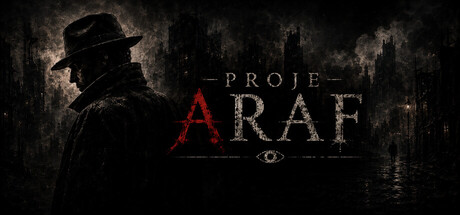 PROJE ARAF In-game content art | Generative AI was used for brainstorming concepts and ideas during the design process, as well as for creating a few 2D visual assets and posters within the game environment. | obscuradev | - | Jul 30, 2026 | |
 Rhodian Exodus In-game content art | AI mainly used to generate images and icons. Some usage in automated testing. | Kostas Kougios | - | Jul 30, 2026 | |
 Fire Vow: Dark Fantasy In-game content artaudiotext | Generative AI was used to assist in the creation of certain artwork, background music, sound effects, and translations. All AI-assisted content was reviewed, edited, and integrated by the developer. No content is generated by AI during gameplay. | untitled01 | - | Jul 30, 2026 | |
 Asteroid Station In-game content artaudiotextcode | This game was developed using generative AI during production. Generative AI was used to create the game's code, artwork, visual assets, user interface, music, sound effects, and text. All AI-generated content was reviewed, tested, curated, and integrated into the final game by the developer. The game does not generate AI content during gameplay. | Moosejaw Software | - | Jul 30, 2026 | |
 Sodyba In-game content artaudio | Some objects, textures, images, and audio assets in this game were created or enhanced using generative artificial intelligence. All AI-generated content has been reviewed, edited, and integrated by the developer as part of the game's artistic vision. | Auris Fields | - | Jul 30, 2026 | |
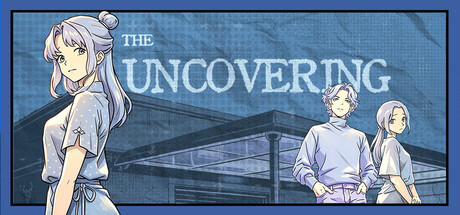 案件推演 In-game content artaudio | This is a text-based game; the illustrative background images were created using a combination of AI technology and Photoshop, the character sprites were hand-drawn and colored using AI, and the music was composed and produced using AI tools. | Ashcade Studio | - | Jul 30, 2026 | |
 Marque & Reprisal In-game content arttext | Most of the art assets in this game are human-made, but there are some AI-generated portraits of African, Indian, and East Asian characters, since the (human-made) portrait packs used did not contain all ethnic groups represented in the game.
All dialogue in the game is human-directed and edited, but some was AI-generated in order to flesh out the world with unique dialogue for every region and situation. | Iron Pagoda | - | Jul 30, 2026 | |
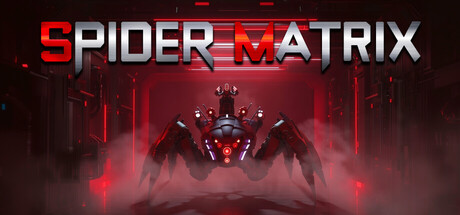 SpiderMatrix In-game content artaudiotext | We used image generation for concept art, some 2D assets, promo materials, and voice acting for AI characters. | Next Genium | - | Jul 30, 2026 | |
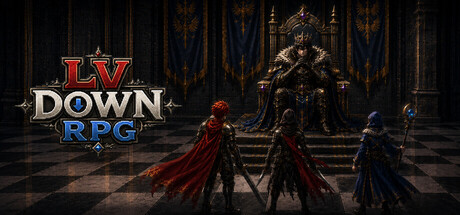 Lv Down RPG In-game content artaudio | The visual and audio assets in Lv Down RPG were created with the assistance of generative AI tools during development. All assets were selected, reviewed, edited, and integrated by the developer. Game design, programming, systems, and balancing were created by the developer. No AI content is generated during gameplay. | FlashForm | - | Jul 29, 2026 | |
 Depths of Providence Dev only code | AI tools (coding assistants) were used to help write portions of the game's source code during development. All art, music, and game content shipped in the product are hand-authored or procedurally generated by our own code; no generative AI is used to produce any assets, and no AI generates content at runtime.
Basically, I write software for a living but I was not a video game dev, so I used some coding assistants to help me out with areas I was less familiar. | Ryan Lutz | - | Jul 29, 2026 | |
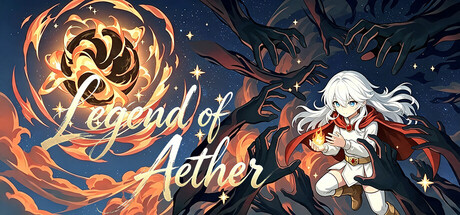 Legend of Aether Dev only art | I am a solo developer. In the initial phase, I utilized AI tools to assist with generating partial concept designs, primarily to rapidly prototype and confirm the visual style. Every piece of final art you see in the game has been meticulously tweaked and optimized by my own hands to guarantee it aligns with the game's quality and aesthetic requirements. | 伊奇游戏 | - | Jul 29, 2026 |


