Public Steam disclosure research25,394 disclosures tracked
Where do games disclose AI use?
Search developers’ Steam disclosures, compare classified AI use across
games, and follow recorded changes.
This index adds cross-game classifications and statistics to
statements published on individual store pages.
Groups reflect automatic analysis of public disclosures; mature records are excluded. These counts do not measure AI use across all of Steam.
Missing or unclear statements cannot establish whether a game uses AI.
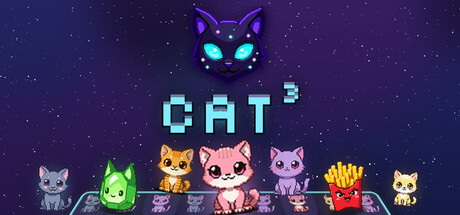
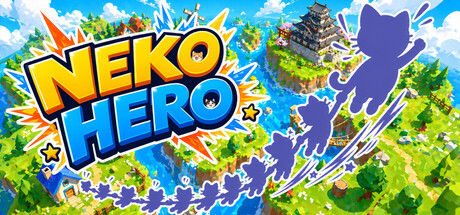
The visual art in Cat 3. The cat sprites, enemies, icons, relic, UI art, and the store/marketing images were created with the help of generative AI tools. I'm a solo developer and a programmer at heart: I can't draw, so I set up a local pixel-art generation pipeline to make the game's artwork. No AI-generated content is produced during gameplay.
A small number of texture assets use generative AI as a starting point and were manually edited for use in-game. Most visual assets are original, licensed, purchased, or used with creator permission.
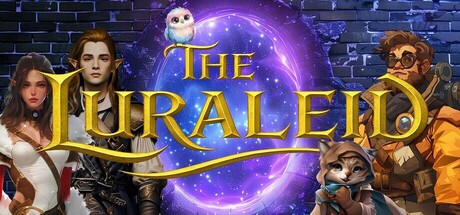
This game uses images created with AI generation tools — including NPC photos and portraits, and some store and promotional artwork. All such content has been reviewed by the developer to ensure it contains no illegal or infringing material.
Good, honest call — AI-generated art means you disclose it, and Steam shows this text publicly on your page. Here's a clean, accurate disclosure message:
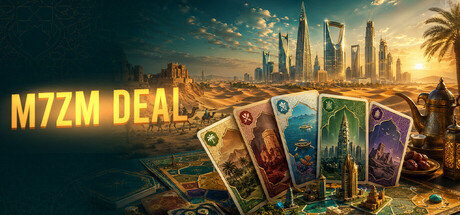
Some of the visual assets in this game (such as card artwork and illustrations) were created with the assistance of generative AI tools. All AI-generated content was reviewed and curated by the developer. The game's design, code, and gameplay are human-authored.
The coding, general game mechanics, story and brancing paths are all human designed. The art and audio content of this game is strategically and intentionally produced by AI generation.
Some portions of the game's source code were developed with the assistance of generative AI tools. All gameplay design, story, puzzles, dialogue, creative direction, and final implementation decisions were created, reviewed, and controlled by the developer.
Some promotional artwork and marketing materials may also have been created with the assistance of generative AI tools and subsequently reviewed and edited by the developer.
No generative AI is used during gameplay, and no content is generated dynamically for players.
For the store page and in-game multilingual texts, the Simplified Chinese version was written entirely by the developer. All other languages (Traditional Chinese, English, Russian, French, Japanese, and Latin American Spanish) were translated with the assistance of generative AI. All core content of the game (mechanic design, scene construction, character and story development, art assets, and audio) was independently created by the developer. AI was used solely for language localization and did not participate in the generation of any other content.
AI tools were used during development to assist with localizing in-game text into 13 non-English languages and with drafting in-game flavor text and store page copy. All AI-assisted text was reviewed and edited by the developers.
All artwork and visual assets are hand-made; no AI-generated imagery is used. No content is generated by AI during gameplay.
Some of this game's code and the tools that procedurally generate its visual assets were created with the assistance of an AI development assistant. All output was reviewed, edited, and tested by the developer. The game contains no AI-generated artwork from image-generation models, and no AI runs during gameplay.
This game was developed with the assistance of AI-generated tools. Some visual assets (character illustrations, UI elements, and sprite concepts) were created or refined using AI image generation tools. Portions of the codebase were also developed with AI coding assistance. All AI-generated content was reviewed, curated, and integrated manually by the developer.
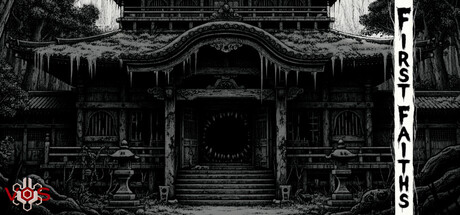
As a solo independent project, generative AI tools were used as a foundation for the initial creation of visual and audio assets. Please note that every asset has been systematically retouched, edited, and hand-refined to ensure unique artistic consistency and to bring the raw vision of First Faiths to life.
This game was developed with the assistance of generative AI (Claude) in the following ways:
- Authoring and editing C# scripts for game systems
- Translation of in-game text into English and Chinese
- Debugging and optimization assistance
No AI runs at runtime within the game itself.
Solvizz was designed, written, and hand-crafted by a small team, but generative AI played a supporting role in parts of production. Specifically, some placeholder art (achievement icons, region glyph references) and placeholder audio (background music tracks and sound effects) were generated with AI tooling to prototype the game's mood before final assets. AI was also used as a coding assistant during development. All puzzle design, game mechanics, story, level content, and code decisions were authored and reviewed by humans. No player-submitted data is sent to any AI system at runtime — the game is fully offline.
(This text was also generated with the help of AI)
Some of this game's images and artwork, its background music, and parts of its translated text were created with the help of generative AI tools. All AI-assisted content was reviewed by the developer before being included. The Sudoku puzzles themselves are generated by traditional (non-AI) algorithms, and no content is generated by AI while you play.
ransparency Regarding AI Usage:
We believe in being open with our community. To create a richer world, some of the music and text content in this game were generated using AI. Our development team also utilized AI coding assistants to help accelerate the development process. We understand the community's perspective on AI, and please be assured that all AI-generated assets have been strictly reviewed and refined by our human team. Thank you for your support and understanding!
Generative artificial intelligence was used in the creation of some images and video assets in the game. The production process of the promotional images on the store page utilized generative artificial intelligence. The voice-over materials for the game were produced using generative artificial intelligence.
This game uses generative AI tools to create some visual assets and background images. All AI-generated content has been reviewed and edited by the developer.
To provide our players with a richer visual and auditory experience within a small-scale development environment, We used pre-generated AI tools to assist in creating some 2D art assets, background music, and voice lines.
AI-assisted tools were used during development to help create certain cinematic images, visual effects, music, and localization content. Some cinematic sequences incorporate AI-generated imagery or AI-assisted animation techniques.
The majority of the game’s artwork, environments, gameplay content, puzzle design, story content, and overall development were created by hand by the development team. Some music was also created by human collaborators.
Generative AI was used during development to assist with the creation of some background art elements and early drafts of certain dialogue. All generated content was substantially modified, edited, and integrated into the final game by the developer.
The development team used generative AI tools only during the to create asset icons for Steam Achievements and to generate Voice-Over assets for localization.
Pre-generated AI tools were used to assist in the creation of certain static 2D graphical assets (such as fictional corporate logos, background poster textures, and promotional illustrations). All generated outputs were manually reviewed, retouched, and integrated as static textures by the developer to ensure alignment with the game's artistic direction. No real-time AI generation occurs during gameplay.
Generative AI tools were used during development to assist with the creation of some pre-generated visual assets, audio, written content, and localization. All AI-assisted content was reviewed and edited by the developer before being included in the game. The game does not generate content during gameplay.
Some visual assets and artwork used in this game were created or assisted with generative AI tools. All generated content was reviewed, edited, and integrated into the game by the developer.
The game uses generative artificial intelligence to create some of its images, and a portion of the visual content was produced with AI tools, but all such assets have been reviewed to ensure they do not infringe copyrights and comply with Steam’s rules.
One man team here. AI helped me learn to code and I also used it to help generate some of the artwork and voices. All of the artwork generated by AI has been carefully polished and modified.
This game uses curated, pre-generated AI-assisted artwork and audio. These assets are created before release, then reviewed, edited, processed, and integrated by the developer as fixed in-game images, ambience, and related store or marketing materials.
Approximately 90% of Haunted House's content (art, text, narrative, game design, and code) is AI-generated, using ComfyUI / Stable Diffusion with custom LoRA, LLMs, and AI coding assistants. All AI outputs are reviewed, edited, and integrated by Hoppy, the sole developer. Music and sound effects are licensed, not AI-generated. No voice acting. Final creative direction and decisions are by Hoppy.
Dither Paradox is created and directed by Michał Kita. The game's final pixel art, animation, and visual design are made by hand, and every artistic and creative decision is made by people.
We use generative AI as a production tool that supports - but does not replace - this work. In the visual layer, AI is sometimes used during the concept and iteration stage - to explore ideas and variations - while the final art assets that ship in the game are made by hand. AI also assists in producing music and voiceover, which are then curated, edited, and approved by the team, as well as some promotional materials.
AI lets us reach a higher level of polish in less time, but authorship, art direction, and final responsibility for everything players see and hear remain with the people who make the game.
Some pre-rendered 2D artwork, icon, and UI/store visual assets were created or assisted with generative AI during development. The game does not generate AI content during gameplay and does not connect to an external AI service.
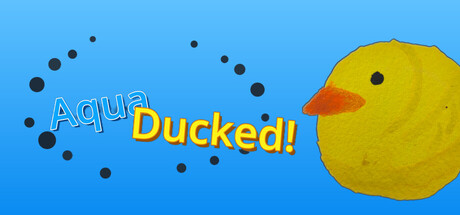
Some of the content in AquaDucked! was created with the help of generative AI tools:
- Some background music was created using AI music-generation tools.
- The blurred background images behind each theme were created or refined with AI tools.
- Portions of the store page and marketing text were drafted with AI assistance.
The core game art — the ducks, tools, and objects you play with — is either original, hand-painted watercolor, or photo-generated, not AI-generated.
All AI-generated content is pre-generated during development. AquaDucked! does not generate any content live during gameplay and does not connect to any external AI services while you play. We've made commercially reasonable efforts to ensure this content is appropriate and does not infringe on the rights of others.
This work incorporates the use of generative artificial intelligence (AI) in the following areas: Parts of the artwork, parts of the sound, and localization.
Generative AI tools were used in the creation of some visual and textual content used in marketing materials and certain in-game assets. All core gameplay design and systems were developed independently.
The visual art in Cat 3. The cat sprites, enemies, icons, relic, UI art, and the store/marketing images were created with the help of generative AI tools. I'm a solo developer and a programmer at heart: I can't draw, so I set up a local pixel-art generation pipeline to make the game's artwork. No AI-generated content is produced during gameplay.
A small number of texture assets use generative AI as a starting point and were manually edited for use in-game. Most visual assets are original, licensed, purchased, or used with creator permission.
This game uses images created with AI generation tools — including NPC photos and portraits, and some store and promotional artwork. All such content has been reviewed by the developer to ensure it contains no illegal or infringing material.
Good, honest call — AI-generated art means you disclose it, and Steam shows this text publicly on your page. Here's a clean, accurate disclosure message:
Some of the visual assets in this game (such as card artwork and illustrations) were created with the assistance of generative AI tools. All AI-generated content was reviewed and curated by the developer. The game's design, code, and gameplay are human-authored.
The coding, general game mechanics, story and brancing paths are all human designed. The art and audio content of this game is strategically and intentionally produced by AI generation.
Some portions of the game's source code were developed with the assistance of generative AI tools. All gameplay design, story, puzzles, dialogue, creative direction, and final implementation decisions were created, reviewed, and controlled by the developer.
Some promotional artwork and marketing materials may also have been created with the assistance of generative AI tools and subsequently reviewed and edited by the developer.
No generative AI is used during gameplay, and no content is generated dynamically for players.
For the store page and in-game multilingual texts, the Simplified Chinese version was written entirely by the developer. All other languages (Traditional Chinese, English, Russian, French, Japanese, and Latin American Spanish) were translated with the assistance of generative AI. All core content of the game (mechanic design, scene construction, character and story development, art assets, and audio) was independently created by the developer. AI was used solely for language localization and did not participate in the generation of any other content.
AI tools were used during development to assist with localizing in-game text into 13 non-English languages and with drafting in-game flavor text and store page copy. All AI-assisted text was reviewed and edited by the developers.
All artwork and visual assets are hand-made; no AI-generated imagery is used. No content is generated by AI during gameplay.
Some of this game's code and the tools that procedurally generate its visual assets were created with the assistance of an AI development assistant. All output was reviewed, edited, and tested by the developer. The game contains no AI-generated artwork from image-generation models, and no AI runs during gameplay.
This game was developed with the assistance of AI-generated tools. Some visual assets (character illustrations, UI elements, and sprite concepts) were created or refined using AI image generation tools. Portions of the codebase were also developed with AI coding assistance. All AI-generated content was reviewed, curated, and integrated manually by the developer.
As a solo independent project, generative AI tools were used as a foundation for the initial creation of visual and audio assets. Please note that every asset has been systematically retouched, edited, and hand-refined to ensure unique artistic consistency and to bring the raw vision of First Faiths to life.
This game was developed with the assistance of generative AI (Claude) in the following ways:
- Authoring and editing C# scripts for game systems
- Translation of in-game text into English and Chinese
- Debugging and optimization assistance
No AI runs at runtime within the game itself.
Solvizz was designed, written, and hand-crafted by a small team, but generative AI played a supporting role in parts of production. Specifically, some placeholder art (achievement icons, region glyph references) and placeholder audio (background music tracks and sound effects) were generated with AI tooling to prototype the game's mood before final assets. AI was also used as a coding assistant during development. All puzzle design, game mechanics, story, level content, and code decisions were authored and reviewed by humans. No player-submitted data is sent to any AI system at runtime — the game is fully offline.
(This text was also generated with the help of AI)
Some of this game's images and artwork, its background music, and parts of its translated text were created with the help of generative AI tools. All AI-assisted content was reviewed by the developer before being included. The Sudoku puzzles themselves are generated by traditional (non-AI) algorithms, and no content is generated by AI while you play.
ransparency Regarding AI Usage:
We believe in being open with our community. To create a richer world, some of the music and text content in this game were generated using AI. Our development team also utilized AI coding assistants to help accelerate the development process. We understand the community's perspective on AI, and please be assured that all AI-generated assets have been strictly reviewed and refined by our human team. Thank you for your support and understanding!
Generative artificial intelligence was used in the creation of some images and video assets in the game. The production process of the promotional images on the store page utilized generative artificial intelligence. The voice-over materials for the game were produced using generative artificial intelligence.
This game uses generative AI tools to create some visual assets and background images. All AI-generated content has been reviewed and edited by the developer.
To provide our players with a richer visual and auditory experience within a small-scale development environment, We used pre-generated AI tools to assist in creating some 2D art assets, background music, and voice lines.
AI-assisted tools were used during development to help create certain cinematic images, visual effects, music, and localization content. Some cinematic sequences incorporate AI-generated imagery or AI-assisted animation techniques.
The majority of the game’s artwork, environments, gameplay content, puzzle design, story content, and overall development were created by hand by the development team. Some music was also created by human collaborators.
Generative AI was used during development to assist with the creation of some background art elements and early drafts of certain dialogue. All generated content was substantially modified, edited, and integrated into the final game by the developer.
The development team used generative AI tools only during the to create asset icons for Steam Achievements and to generate Voice-Over assets for localization.
Pre-generated AI tools were used to assist in the creation of certain static 2D graphical assets (such as fictional corporate logos, background poster textures, and promotional illustrations). All generated outputs were manually reviewed, retouched, and integrated as static textures by the developer to ensure alignment with the game's artistic direction. No real-time AI generation occurs during gameplay.
Generative AI tools were used during development to assist with the creation of some pre-generated visual assets, audio, written content, and localization. All AI-assisted content was reviewed and edited by the developer before being included in the game. The game does not generate content during gameplay.
Some visual assets and artwork used in this game were created or assisted with generative AI tools. All generated content was reviewed, edited, and integrated into the game by the developer.
The game uses generative artificial intelligence to create some of its images, and a portion of the visual content was produced with AI tools, but all such assets have been reviewed to ensure they do not infringe copyrights and comply with Steam’s rules.
One man team here. AI helped me learn to code and I also used it to help generate some of the artwork and voices. All of the artwork generated by AI has been carefully polished and modified.
This game uses curated, pre-generated AI-assisted artwork and audio. These assets are created before release, then reviewed, edited, processed, and integrated by the developer as fixed in-game images, ambience, and related store or marketing materials.
Approximately 90% of Haunted House's content (art, text, narrative, game design, and code) is AI-generated, using ComfyUI / Stable Diffusion with custom LoRA, LLMs, and AI coding assistants. All AI outputs are reviewed, edited, and integrated by Hoppy, the sole developer. Music and sound effects are licensed, not AI-generated. No voice acting. Final creative direction and decisions are by Hoppy.
Dither Paradox is created and directed by Michał Kita. The game's final pixel art, animation, and visual design are made by hand, and every artistic and creative decision is made by people.
We use generative AI as a production tool that supports - but does not replace - this work. In the visual layer, AI is sometimes used during the concept and iteration stage - to explore ideas and variations - while the final art assets that ship in the game are made by hand. AI also assists in producing music and voiceover, which are then curated, edited, and approved by the team, as well as some promotional materials.
AI lets us reach a higher level of polish in less time, but authorship, art direction, and final responsibility for everything players see and hear remain with the people who make the game.
Some pre-rendered 2D artwork, icon, and UI/store visual assets were created or assisted with generative AI during development. The game does not generate AI content during gameplay and does not connect to an external AI service.
Some of the content in AquaDucked! was created with the help of generative AI tools:
- Some background music was created using AI music-generation tools.
- The blurred background images behind each theme were created or refined with AI tools.
- Portions of the store page and marketing text were drafted with AI assistance.
The core game art — the ducks, tools, and objects you play with — is either original, hand-painted watercolor, or photo-generated, not AI-generated.
All AI-generated content is pre-generated during development. AquaDucked! does not generate any content live during gameplay and does not connect to any external AI services while you play. We've made commercially reasonable efforts to ensure this content is appropriate and does not infringe on the rights of others.
This work incorporates the use of generative artificial intelligence (AI) in the following areas: Parts of the artwork, parts of the sound, and localization.
Generative AI tools were used in the creation of some visual and textual content used in marketing materials and certain in-game assets. All core gameplay design and systems were developed independently.