Public Steam disclosure research25,394 disclosures tracked
Where do games disclose AI use?
Search developers’ Steam disclosures, compare classified AI use across
games, and follow recorded changes.
This index adds cross-game classifications and statistics to
statements published on individual store pages.
Groups reflect automatic analysis of public disclosures; mature records are excluded. These counts do not measure AI use across all of Steam.
Missing or unclear statements cannot establish whether a game uses AI.
This game uses generative AI tools to assist in creating and optimizing some art assets, music/sound effects, and localization texts. All AI-generated content has been manually reviewed and edited to comply with platform policies and copyright standards.
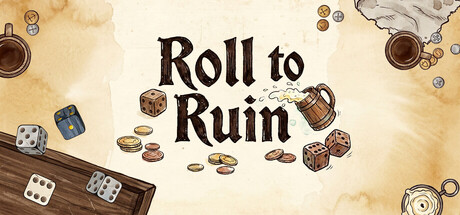
Some visual assets in this game — including dice textures, character portraits, scene backgrounds, and select UI decorative elements — were created with the assistance of generative AI, then manually curated, retouched, and color-graded before integration. All AI-generated content is pre-rendered static art; the game does not use real-time generation.
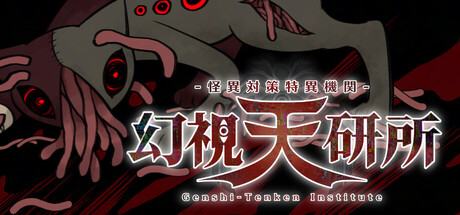
This game uses AI assistance as a support tool for efficient development.
Scope of AI Use
- Assistance with programming and code implementation
- Drafting and style adjustment for English localization
- Drafting and editing of some in-game text, including Observation Records in the Anomaly Codex, command reaction text, countermeasure procedures, and other text related to gameplay explanations and strategy
- Drafting, editing, and proofreading of general text such as social media announcements, descriptions, and notices
Scope Where AI Is Not Used
Character images, Anomaly images, background images, Steam capsule images, audio, and BGM are created by the developer or use licensed distributed assets.
No AI-generated assets are used for these materials.
Content Created and Managed by the Developer
The story, worldbuilding, characters, basic Anomaly concepts, and the folklore and supplementary materials related to the Anomalies are independently created by the developer.
Game design and various specifications are also determined by the developer.
For any content created with AI assistance, the final decision on whether to use the text, as well as quality control, is handled by the developer.
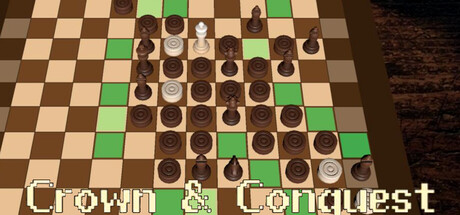
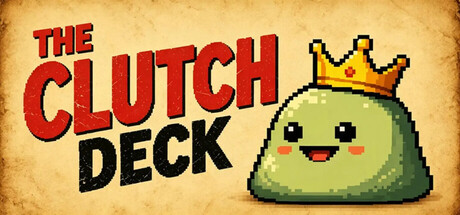
Some store-page and marketing imagery for Crown & Conquest (capsule art, icons) was created with the assistance of generative AI image tools. All gameplay, rules, audio, and in-game art are hand-authored, and the game does not use generative AI during gameplay.
Generative AI assisted with: English localization (AI-translated, developer-reviewed),
some store-page capsule art (generated programmatically), and store-page description text.
No AI runs live/at runtime in the game. Core code, game design and original in-game
sprite art were made by the developer.
Generative AI was used as an assistive tool for some parts of the following game development tasks:
(Background images, item images, coloring of character artwork, sound, code review, optimization, and localization text.)
The majority of this game's assets are human created. However during the development process, AI-based tools were used to assist further with selective content creation. The final product is highly reflective of the vision and creativity of the team.
The game's lessons and coach commentary were drafted with generative AI tools and then edited by the developer and written into the code. Nothing is generated live while you play. The game's actual analysis, such as equity, odds, and the grading of your decisions, is computed by the game's code, not by AI.
The game's 2D artwork was also created using generative AI image tools.
This game does not contain any real-time generative AI features. Some game assets, including but not limited to animation effects, videos, and similar materials, were created with the assistance of AI.
Some visual assets in this game were created with the assistance of generative AI tools, then edited and integrated by the developer.
The game does not use live generative AI to generate content during gameplay.
AI tools were used to assist with code development and some marketing visuals. All game design, writing, and gameplay mechanics were created by the developer. No AI-generated content is produced in real-time during gameplay.
This game uses AI-generated content, created during development and included as fixed, pre-generated assets in the shipped game (not generated live or dynamically during gameplay).
3D models: Unit, structure, and Titan models are generated using Meshy, an AI text/image-to-3D generation tool.
Music: The game's background soundtrack (16 tracks) is generated using Suno, an AI music generation tool.
During production we use generative AI in one narrow way: internal placeholders. Rough concept sketches and scratch voice lines hold a spot while the real assets are being made. Every placeholder is flagged in-engine, and none of it ships in the game players buy — the release version contains no generative AI content. Testers in early builds may spot flagged placeholders; that's what the flags are for. All art, writing, and voice work in the finished game is made by people. We know even placeholder use is a fair thing to question, so where we do use these tools, we aim for ones that license their training data and compensate the creators behind it.
Some music and assets in this game were created with generative AI tools, then manually reworked and adapted by the developer. The game design, code and integration are the developer's own work.
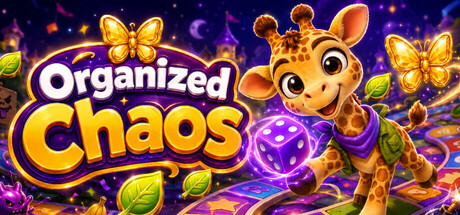
Some visual assets used in Organized Chaos were created with the assistance of generative artificial intelligence tools, including character art, item icons, environmental props, and promotional/game UI visuals. These assets were reviewed, selected, edited, and implemented by the developer to match the game’s intended style, readability, and gameplay needs.
This game uses pre-generated AI-assisted artwork during development, including some character illustrations, item icons, background images, and store/marketing assets. All AI-assisted assets are reviewed, selected, and edited by the development team before being included in the game. The game does not use live generative AI during gameplay and does not connect to external AI services.
Generative AI was used to assist in creating certain visual assets and concept art. All AI-generated content was reviewed, edited, and integrated by the developer into the final game.
The creative direction and design of this game are the work of the developer. All code, copywriting, artwork, background images, and non-Chinese translations were AI-assisted.
"Generative AI tools were utilized during the pre-production and development phases to assist in creating certain 2D visual assets and concept art. These assets were pre-generated, reviewed, and integrated into the game files prior to launch. No AI content is generated dynamically or in real-time by the game software itself. All final assets have been checked to ensure they adhere to proper copyright regulations."
Some art, music, and 3D assets in this game were created with the help of generative AI tools. Every AI-generated asset was carefully reviewed, refined, and hand-curated by the developer to fit the game's art direction and tone. The game does not use any live-generated (runtime) AI content.
Some visual assets, including characters, environments, objects, and backgrounds, were produced with the help of generative AI tools during development, then curated, edited, cleaned up, and integrated manually under human art direction to achieve a consistent visual style.
This game uses generative AI during development to assist in creating and refining certain content, including artwork, text, dialogue, and other game assets. All AI-generated content has been reviewed, edited, and approved by the development team before being included in the game. The game does not generate AI content during gameplay.
LLMs were used during development as coding assistants and to help write the game's text and translations. No AI-generated images, audio, or video ship as assets, and no AI model runs during play.
Generative AI was used as a development assistance tool for this game.
It was used to support coding, development tools for difficulty adjustment, concept and idea generation, research, localization, advice, bug detection, image creation, texture generation, and mesh generation.
Action & Automation is not only how the game plays, it is how the game was made.
As the game’s sole human developer, game director, and system architect, I designed the core gameplay systems, software architecture, worldbuilding, narrative framework, story design, and gameplay balance. That is the Action.
For the Automation, I deliberately pushed generative AI throughout the production pipeline, with quality and player experience as the only limits. Following my direction and specifications, AI produced much of the code, artwork, animation, VFX, and UI, and was used for text polishing and localization.
No generative AI model or external AI service runs during gameplay. The game requires no AI account, API key, subscription, or token credits. Any apparent AI thinking or reasoning is scripted or driven by conventional game AI systems.
Human-designed. AI-produced. That is Action & Automation.
We use generative AI to help create this game. It's part of what lets a small team build a game like this. We believe in being transparent about the tools we use, but they're only tools. Every part of this game is reviewed, refined, and curated by our team to meet our creative vision and quality standards, and we hope you'll enjoy the game for the experience it delivers.
Some artwork and visual assets in this game were created with the assistance of generative AI tools during development.
No AI content is generated during gameplay.
Some of the images in the game were generated using AI during the prototype stage. Such assets may be present in the game up until the release of the demo (inclusive). During the development process, we gradually get rid of generated assets and replace them with hand-made ones. By the time of the official release, all generated content will be removed. This is a normal process for developing an indie game.
Generative artificial intelligence was employed during pre-production and development to create concept art, historical background illustrations, and compose the soundtrack. Additionally, AI was used to generate initial base meshes for select 3D models, which were then fully refined, textured, and optimized manually by the development team.
Generative AI was used as an assistive tool in the development of this game. It was used to help create some in-game icon images and to assist with programming code.
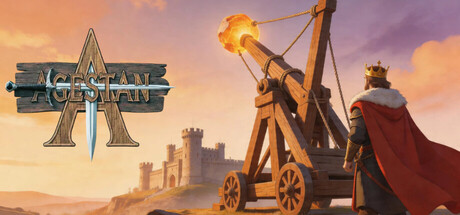
The basic concepts and raw assets for the characters and buildings in our 2D game, 'Agestan,' were created using AI tools. However, all AI-generated visuals have been significantly modified, manually refined, and hand-edited by the developer to ensure high quality and consistency with the game's unique art style. Additionally, AI tools were utilized for the promotional video, with the necessary editing performed by our team.
During the development process, I may use procedural- and AI-based tools to assist with content creation. In all such cases, the final product reflects the creativity and expression of myself.
Because I am a dev team of 1, yes, I have used AI specifically for working on multiplayer code - that's an area of coding I'm just not up to speed on. The in-game code is all me though. As for art, having 10 years experience in game-dev GFX, that's me - 99% of it. I'm highly proficient in using the tools of the trade )Pshop, Blender, 3d MAx etc), but yes, I have used some highly modified bits and pieces for the landing screen and outros, but everything in-game (100%) is me. The SFX, music and voice acting, me too... for my sins. I'm no Mozart or Lawrence Olivier, but, yakknow... it's passable :)
AI has been used to generate some graphics, music, and translations.
As the story of this game may suggest, I understand (and even share) most of the criticisms regarding AI, but it is also a tool that has enabled small creators like myself to achieve bigger things that would have been difficult without it.
Everything is AI generated... I built my own Agentic AI harness, and then used it to build this game (as well as generating images, soundtrack, and 1000s of lines of text content etc)... I'm not a developer, I'm a Functional/UX/Graphic Designer that finally found a tool that could help me build my dream games... I wouldn't consider the game "vibe coded", it has been months of obsessive iterations to ensure the functionality and user experience is of the highest level, which was 100% designed and directed by me, using Agentic AI to build to order. It's far from a "one-shot" prompt hope and prayer... and I think you'll be surprised when you see it.
This game employs AI-generated materials to enhance overall development efficiency. Every asset has been manually reviewed, checked, and revised by our team.
This game uses AI-generated artwork for character portraits and encounter illustrations. All other content — game design, code, writing, and audio — is human-created.
This game uses generative AI tools to assist in creating and optimizing some art assets, music/sound effects, and localization texts. All AI-generated content has been manually reviewed and edited to comply with platform policies and copyright standards.
Some visual assets in this game — including dice textures, character portraits, scene backgrounds, and select UI decorative elements — were created with the assistance of generative AI, then manually curated, retouched, and color-graded before integration. All AI-generated content is pre-rendered static art; the game does not use real-time generation.
This game uses AI assistance as a support tool for efficient development.
Scope of AI Use
- Assistance with programming and code implementation
- Drafting and style adjustment for English localization
- Drafting and editing of some in-game text, including Observation Records in the Anomaly Codex, command reaction text, countermeasure procedures, and other text related to gameplay explanations and strategy
- Drafting, editing, and proofreading of general text such as social media announcements, descriptions, and notices
Scope Where AI Is Not Used
Character images, Anomaly images, background images, Steam capsule images, audio, and BGM are created by the developer or use licensed distributed assets.
No AI-generated assets are used for these materials.
Content Created and Managed by the Developer
The story, worldbuilding, characters, basic Anomaly concepts, and the folklore and supplementary materials related to the Anomalies are independently created by the developer.
Game design and various specifications are also determined by the developer.
For any content created with AI assistance, the final decision on whether to use the text, as well as quality control, is handled by the developer.
Some store-page and marketing imagery for Crown & Conquest (capsule art, icons) was created with the assistance of generative AI image tools. All gameplay, rules, audio, and in-game art are hand-authored, and the game does not use generative AI during gameplay.
Generative AI assisted with: English localization (AI-translated, developer-reviewed),
some store-page capsule art (generated programmatically), and store-page description text.
No AI runs live/at runtime in the game. Core code, game design and original in-game
sprite art were made by the developer.
Generative AI was used as an assistive tool for some parts of the following game development tasks:
(Background images, item images, coloring of character artwork, sound, code review, optimization, and localization text.)
The majority of this game's assets are human created. However during the development process, AI-based tools were used to assist further with selective content creation. The final product is highly reflective of the vision and creativity of the team.
The game's lessons and coach commentary were drafted with generative AI tools and then edited by the developer and written into the code. Nothing is generated live while you play. The game's actual analysis, such as equity, odds, and the grading of your decisions, is computed by the game's code, not by AI.
The game's 2D artwork was also created using generative AI image tools.
This game does not contain any real-time generative AI features. Some game assets, including but not limited to animation effects, videos, and similar materials, were created with the assistance of AI.
Some visual assets in this game were created with the assistance of generative AI tools, then edited and integrated by the developer.
The game does not use live generative AI to generate content during gameplay.
AI tools were used to assist with code development and some marketing visuals. All game design, writing, and gameplay mechanics were created by the developer. No AI-generated content is produced in real-time during gameplay.
This game uses AI-generated content, created during development and included as fixed, pre-generated assets in the shipped game (not generated live or dynamically during gameplay).
3D models: Unit, structure, and Titan models are generated using Meshy, an AI text/image-to-3D generation tool.
Music: The game's background soundtrack (16 tracks) is generated using Suno, an AI music generation tool.
During production we use generative AI in one narrow way: internal placeholders. Rough concept sketches and scratch voice lines hold a spot while the real assets are being made. Every placeholder is flagged in-engine, and none of it ships in the game players buy — the release version contains no generative AI content. Testers in early builds may spot flagged placeholders; that's what the flags are for. All art, writing, and voice work in the finished game is made by people. We know even placeholder use is a fair thing to question, so where we do use these tools, we aim for ones that license their training data and compensate the creators behind it.
Some music and assets in this game were created with generative AI tools, then manually reworked and adapted by the developer. The game design, code and integration are the developer's own work.
Some visual assets used in Organized Chaos were created with the assistance of generative artificial intelligence tools, including character art, item icons, environmental props, and promotional/game UI visuals. These assets were reviewed, selected, edited, and implemented by the developer to match the game’s intended style, readability, and gameplay needs.
This game uses pre-generated AI-assisted artwork during development, including some character illustrations, item icons, background images, and store/marketing assets. All AI-assisted assets are reviewed, selected, and edited by the development team before being included in the game. The game does not use live generative AI during gameplay and does not connect to external AI services.
Generative AI was used to assist in creating certain visual assets and concept art. All AI-generated content was reviewed, edited, and integrated by the developer into the final game.
The creative direction and design of this game are the work of the developer. All code, copywriting, artwork, background images, and non-Chinese translations were AI-assisted.
"Generative AI tools were utilized during the pre-production and development phases to assist in creating certain 2D visual assets and concept art. These assets were pre-generated, reviewed, and integrated into the game files prior to launch. No AI content is generated dynamically or in real-time by the game software itself. All final assets have been checked to ensure they adhere to proper copyright regulations."
Some art, music, and 3D assets in this game were created with the help of generative AI tools. Every AI-generated asset was carefully reviewed, refined, and hand-curated by the developer to fit the game's art direction and tone. The game does not use any live-generated (runtime) AI content.
Some visual assets, including characters, environments, objects, and backgrounds, were produced with the help of generative AI tools during development, then curated, edited, cleaned up, and integrated manually under human art direction to achieve a consistent visual style.
This game uses generative AI during development to assist in creating and refining certain content, including artwork, text, dialogue, and other game assets. All AI-generated content has been reviewed, edited, and approved by the development team before being included in the game. The game does not generate AI content during gameplay.
LLMs were used during development as coding assistants and to help write the game's text and translations. No AI-generated images, audio, or video ship as assets, and no AI model runs during play.
Generative AI was used as a development assistance tool for this game.
It was used to support coding, development tools for difficulty adjustment, concept and idea generation, research, localization, advice, bug detection, image creation, texture generation, and mesh generation.
Action & Automation is not only how the game plays, it is how the game was made.
As the game’s sole human developer, game director, and system architect, I designed the core gameplay systems, software architecture, worldbuilding, narrative framework, story design, and gameplay balance. That is the Action.
For the Automation, I deliberately pushed generative AI throughout the production pipeline, with quality and player experience as the only limits. Following my direction and specifications, AI produced much of the code, artwork, animation, VFX, and UI, and was used for text polishing and localization.
No generative AI model or external AI service runs during gameplay. The game requires no AI account, API key, subscription, or token credits. Any apparent AI thinking or reasoning is scripted or driven by conventional game AI systems.
Human-designed. AI-produced. That is Action & Automation.
We use generative AI to help create this game. It's part of what lets a small team build a game like this. We believe in being transparent about the tools we use, but they're only tools. Every part of this game is reviewed, refined, and curated by our team to meet our creative vision and quality standards, and we hope you'll enjoy the game for the experience it delivers.
Some artwork and visual assets in this game were created with the assistance of generative AI tools during development.
No AI content is generated during gameplay.
Some of the images in the game were generated using AI during the prototype stage. Such assets may be present in the game up until the release of the demo (inclusive). During the development process, we gradually get rid of generated assets and replace them with hand-made ones. By the time of the official release, all generated content will be removed. This is a normal process for developing an indie game.
Generative artificial intelligence was employed during pre-production and development to create concept art, historical background illustrations, and compose the soundtrack. Additionally, AI was used to generate initial base meshes for select 3D models, which were then fully refined, textured, and optimized manually by the development team.
Generative AI was used as an assistive tool in the development of this game. It was used to help create some in-game icon images and to assist with programming code.
The basic concepts and raw assets for the characters and buildings in our 2D game, 'Agestan,' were created using AI tools. However, all AI-generated visuals have been significantly modified, manually refined, and hand-edited by the developer to ensure high quality and consistency with the game's unique art style. Additionally, AI tools were utilized for the promotional video, with the necessary editing performed by our team.
During the development process, I may use procedural- and AI-based tools to assist with content creation. In all such cases, the final product reflects the creativity and expression of myself.
Because I am a dev team of 1, yes, I have used AI specifically for working on multiplayer code - that's an area of coding I'm just not up to speed on. The in-game code is all me though. As for art, having 10 years experience in game-dev GFX, that's me - 99% of it. I'm highly proficient in using the tools of the trade )Pshop, Blender, 3d MAx etc), but yes, I have used some highly modified bits and pieces for the landing screen and outros, but everything in-game (100%) is me. The SFX, music and voice acting, me too... for my sins. I'm no Mozart or Lawrence Olivier, but, yakknow... it's passable :)
AI has been used to generate some graphics, music, and translations.
As the story of this game may suggest, I understand (and even share) most of the criticisms regarding AI, but it is also a tool that has enabled small creators like myself to achieve bigger things that would have been difficult without it.
Everything is AI generated... I built my own Agentic AI harness, and then used it to build this game (as well as generating images, soundtrack, and 1000s of lines of text content etc)... I'm not a developer, I'm a Functional/UX/Graphic Designer that finally found a tool that could help me build my dream games... I wouldn't consider the game "vibe coded", it has been months of obsessive iterations to ensure the functionality and user experience is of the highest level, which was 100% designed and directed by me, using Agentic AI to build to order. It's far from a "one-shot" prompt hope and prayer... and I think you'll be surprised when you see it.
This game employs AI-generated materials to enhance overall development efficiency. Every asset has been manually reviewed, checked, and revised by our team.
This game uses AI-generated artwork for character portraits and encounter illustrations. All other content — game design, code, writing, and audio — is human-created.