Public Steam disclosure research25,394 disclosures tracked
Where do games disclose AI use?
Search developers’ Steam disclosures, compare classified AI use across
games, and follow recorded changes.
This index adds cross-game classifications and statistics to
statements published on individual store pages.
Groups reflect automatic analysis of public disclosures; mature records are excluded. These counts do not measure AI use across all of Steam.
Missing or unclear statements cannot establish whether a game uses AI.
We used generative AI tools (such as Claude) during development to assist with creating certain in-game assets, textures, or text elements. All AI-generated content has been reviewed, selected, and integrated by human creators into the final game.
Generative AI tools were used to assist in the creation of certain pre-generated 2D artwork and visual assets during development. AI-assisted artwork is reviewed, edited, and integrated by the development team to maintain the game's intended visual style and quality. No generative AI content is created live during gameplay
The store page and library artwork (capsule images, library hero, and the game
logo) were created using a generative AI image tool, then cropped, colour-corrected
and composited by hand to meet Steam's asset specifications.
No AI-generated content ships inside the game itself. All in-game visuals, audio,
shaders and level layout are generated procedurally by the game's own code, or
hand-written.
AI Disclosure
WinterCore is a solo-developed game created over four years. Generative AI was used during development to create a small number of visual assets and selected promotional artwork. All AI-generated assets were subsequently edited, refined, and adapted by the developer to fit WinterCore’s art direction and overall visual style.
The game’s core design, programming, story, gameplay, and final implementation were created by the developer. The project also includes licensed assets and creative works from independent artists and creators, who are credited accordingly.
We use AI tools as part of our developer workflow, in some cases for generative textures, 2D or 3D placeholders, in other cases for actual designs to be used in the game, this can also be a mix of both.
AI-assisted development tools were used during production to help write game code, in-game text, and the English localization. All AI-assisted content was reviewed and tested by the developer.
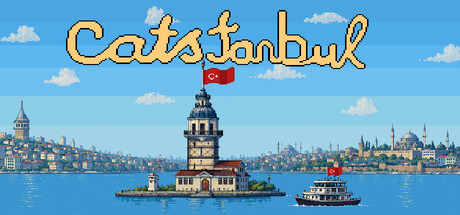
During the visual development process, I used generative AI tools (Leonardo AI, ChatGPT, etc.) to generate initial concept art and ideas. Using these concepts as a foundation, I manually redrew and refined every pixel in Aseprite, split them into layers for parallax effects, and converted them into functional game assets for Unity.
— Esra Soner (Catstanbul's Developer)
Parts of this game were made with the help of generative AI tools. AI assistance was used for the source code, the in-game and store text, the store and library artwork, and the music and sound effects. Everything generated was reviewed and edited by the developer before it shipped. Nothing is generated while you play: the game ships fixed assets and makes no calls to any AI service.
Generative AI tools were used during development to assist with early visual concepts, selected promotional artwork, and development support. All AI-assisted materials included in the final product were reviewed, edited, and integrated by the developer. The game does not generate AI content during gameplay and does not send player input to external generative AI services.
Generative AI tools were used during development to assist with programming, debugging, and selected visual and marketing assets. All AI-assisted code and content were reviewed, tested, and edited by the developer. No content is generated during gameplay.
This game was developed with the assistance of generative AI tools. AI was used during development to help write and refactor portions of the game's code, and to assist with design iteration. Some in-game assets (such as placeholder art, sound effects, or text) may have been created or refined with AI assistance. All AI-assisted content was reviewed and edited by the developer before inclusion. The game does not generate any content using AI at runtime, and no live AI features are present in the released product.
Brainrot Fire uses generative AI to assist with translating in-game text and interface content into multiple languages, helping us support a wider range of players around the world.
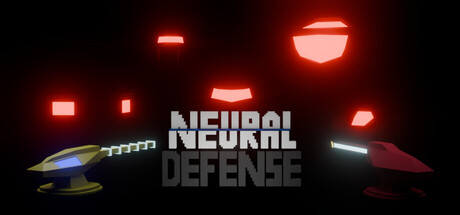
Neural Defense was developed by a five-person indie team using a combination of hand-crafted work and generative AI tools. Generative AI was used during development to assist with music composition, concept art, portions of the game's code, and the editing and expansion of some narrative text. All final in-game assets — including 3D models, textures, and visual art seen during gameplay — were hand-crafted by the studio's artists. No content or code is generated live during gameplay; everything was created, reviewed, and finalized by the team prior to release.
Generative AI was used during the development of this game. AI-assisted tools were used to create or assist with visual assets, UI elements, backgrounds, in-game text, localization, and portions of the game's code and development process. Music used in the game was not generated by AI.
All AI-assisted content was created during development. The game does not use generative AI to create content in real time during gameplay.
We used an AI diffusion tool in Krita to help create the background for the small capsule shown in search results. Our artist then worked over it with several extra layers, a bit like matte painting. For now, it's a placeholder until our artist finishes the hand-painted version of the small capsule.
The logo and the other capsule images were already hand-painted by our artist. The in-game portraits were also drawn by another artist on our team.
We have a devlog on our website about how we made the capsule artwork and hero portraits, and we'll share the full process on the Steam Community soon too.
The playtest build also includes a few placeholder assets made with AI tools in Krita. Our new UI artist is working on a new UI, so we'll be replacing those placeholders soon. As mentioned above, the hero portraits are also hand-drawn by our artist.
Generative AI tools were used during development to assist in creating a limited number of in-game UI design elements and texture assets. Generative AI is not used to create content dynamically during gameplay.
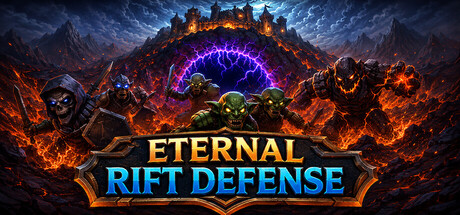
Eternal Rift Defense uses AI-assisted tools during development to help generate and refine certain code, audio, visual assets, and design elements. All AI-assisted content is reviewed, modified, and validated by the developers to ensure quality, security, and consistency with the game’s design.
Generative AI tools were used during development to assist with the creation and iteration of some visual assets and promotional artwork. All final assets are curated, reviewed and further edited or iterated on by the developer. AI-assisted development tools are also used for programming. No AI-generated content is created during gameplay.
During the development process, we may use procedural and AI-based tools to assist with content creation. In all such cases, the final product reflects the creativity and expression of our own development team.
AI-assistive tools were used for development support, including prototyping, coding, testing, documentation, and workflows; all player-facing creative content such as Art, UI, VFX, music, voice acting, and marketing materials was created by human developers and artists.
We used generative AI to create artwork for this store page and for promotional
materials. All generated material was reviewed and adjusted
by humans before use. No content is generated by AI during gameplay.
This game was developed by a single developer. Generative AI was used in the creation of character animation, UI icons, music, and sound effects, and for coding assistance during development. The story, writing, character design direction, and all creative decisions were made entirely by the developer. No content is generated by AI during gameplay.
Generative AI was used during development to assist with the creation of some visual and promotional assets, including artwork used on the Steam store page and marketing materials. All AI-assisted content was reviewed and curated by the developer. No generative AI is used during gameplay.
The store artwork (capsules and key art) was generated with an image model and then composed, cropped and combined with our own logo by hand. The game's ambient background music tracks were generated with an AI music tool and edited afterwards.
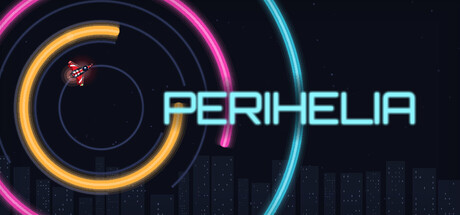
The soundtrack of PERIHELIA was created with the assistance of generative AI music tools. All tracks were curated, edited and integrated by hand, and each ships with a hand-authored beatmap. All other content — art, code, visual effects — is authored directly and drawn procedurally, with no AI involvement.
All code, game design, maps, and audio behavior were created using AI. AI tools were also used for in-game character 3D models (subsequently hand-optimized and rigged), main menu background videos, store trailer cinematic shots, and store artwork (logo and capsule backgrounds). All content is based on the game's own original characters.
Generative AI was used during development to assist with visual concept exploration and the creation of certain pre-generated art assets. No generative AI content is generated during gameplay.
Generative AI tools were used during development to assist with artwork refinement and programming. All character designs were originally hand-drawn by the developer, with AI used only for selected improvements and post-processing. AI was also used as a coding assistant. No AI-generated content is created live during gameplay.
Some of the 2D artwork used for this game's branding and store page - including the app icon and the key art - was created with the help of generative AI image tools, then cropped, edited and finalized by hand. No AI-generated content is produced while you play: all gameplay, 3D models, animation and audio come from licensed or hand-authored assets.
All pre-rendered visual artwork was created using generative AI under developer direction. This includes environment backgrounds, interface and menu artwork, branding, icons, and promotional/title-card images.
Generative AI tools were used during development to assist with the creation and iteration of some pre-generated 2D pixel-art assets and promotional imagery. All AI-assisted content was reviewed and selected before being included in the game.
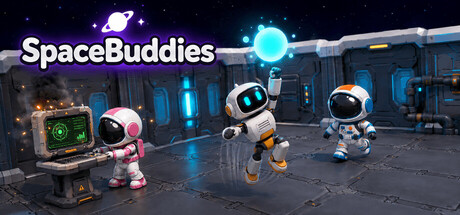
SpaceBuddies uses generative AI tools during development to create pre-rendered content included in the game and on this store page. AI was used to help produce some 3D models (Rodin), marketing/game imagery (ChatGPT), sound effects (Eleven Labs), and background music (Suno). All AI-generated assets were reviewed and edited by the development team before release.
This game does not use generative AI to create content during gameplay, and it does not connect to third-party AI services while you play.
AI was used during development, particularly to assist in creating and refining some artwork and audio assets. All content was reviewed, selected, improved upon, and integrated manually. This game does not generate AI content during gameplay.
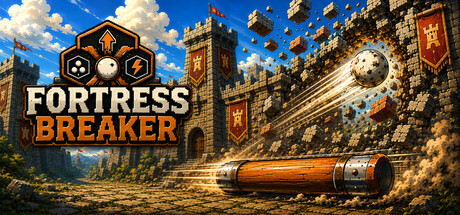
I'm not a good artist or audio producer but using current tools lets me deliver what I think is a fun game that I wouldn't be able to deliver at anywhere near the same quality without them. Fortress Breaker is still very much a one person project, just one with great tools.
We used generative AI tools (such as Claude) during development to assist with creating certain in-game assets, textures, or text elements. All AI-generated content has been reviewed, selected, and integrated by human creators into the final game.
Generative AI tools were used to assist in the creation of certain pre-generated 2D artwork and visual assets during development. AI-assisted artwork is reviewed, edited, and integrated by the development team to maintain the game's intended visual style and quality. No generative AI content is created live during gameplay
The store page and library artwork (capsule images, library hero, and the game
logo) were created using a generative AI image tool, then cropped, colour-corrected
and composited by hand to meet Steam's asset specifications.
No AI-generated content ships inside the game itself. All in-game visuals, audio,
shaders and level layout are generated procedurally by the game's own code, or
hand-written.
AI Disclosure
WinterCore is a solo-developed game created over four years. Generative AI was used during development to create a small number of visual assets and selected promotional artwork. All AI-generated assets were subsequently edited, refined, and adapted by the developer to fit WinterCore’s art direction and overall visual style.
The game’s core design, programming, story, gameplay, and final implementation were created by the developer. The project also includes licensed assets and creative works from independent artists and creators, who are credited accordingly.
We use AI tools as part of our developer workflow, in some cases for generative textures, 2D or 3D placeholders, in other cases for actual designs to be used in the game, this can also be a mix of both.
AI-assisted development tools were used during production to help write game code, in-game text, and the English localization. All AI-assisted content was reviewed and tested by the developer.
During the visual development process, I used generative AI tools (Leonardo AI, ChatGPT, etc.) to generate initial concept art and ideas. Using these concepts as a foundation, I manually redrew and refined every pixel in Aseprite, split them into layers for parallax effects, and converted them into functional game assets for Unity.
— Esra Soner (Catstanbul's Developer)
Parts of this game were made with the help of generative AI tools. AI assistance was used for the source code, the in-game and store text, the store and library artwork, and the music and sound effects. Everything generated was reviewed and edited by the developer before it shipped. Nothing is generated while you play: the game ships fixed assets and makes no calls to any AI service.
Generative AI tools were used during development to assist with early visual concepts, selected promotional artwork, and development support. All AI-assisted materials included in the final product were reviewed, edited, and integrated by the developer. The game does not generate AI content during gameplay and does not send player input to external generative AI services.
Generative AI tools were used during development to assist with programming, debugging, and selected visual and marketing assets. All AI-assisted code and content were reviewed, tested, and edited by the developer. No content is generated during gameplay.
This game was developed with the assistance of generative AI tools. AI was used during development to help write and refactor portions of the game's code, and to assist with design iteration. Some in-game assets (such as placeholder art, sound effects, or text) may have been created or refined with AI assistance. All AI-assisted content was reviewed and edited by the developer before inclusion. The game does not generate any content using AI at runtime, and no live AI features are present in the released product.
Brainrot Fire uses generative AI to assist with translating in-game text and interface content into multiple languages, helping us support a wider range of players around the world.
Neural Defense was developed by a five-person indie team using a combination of hand-crafted work and generative AI tools. Generative AI was used during development to assist with music composition, concept art, portions of the game's code, and the editing and expansion of some narrative text. All final in-game assets — including 3D models, textures, and visual art seen during gameplay — were hand-crafted by the studio's artists. No content or code is generated live during gameplay; everything was created, reviewed, and finalized by the team prior to release.
Generative AI was used during the development of this game. AI-assisted tools were used to create or assist with visual assets, UI elements, backgrounds, in-game text, localization, and portions of the game's code and development process. Music used in the game was not generated by AI.
All AI-assisted content was created during development. The game does not use generative AI to create content in real time during gameplay.
We used an AI diffusion tool in Krita to help create the background for the small capsule shown in search results. Our artist then worked over it with several extra layers, a bit like matte painting. For now, it's a placeholder until our artist finishes the hand-painted version of the small capsule.
The logo and the other capsule images were already hand-painted by our artist. The in-game portraits were also drawn by another artist on our team.
We have a devlog on our website about how we made the capsule artwork and hero portraits, and we'll share the full process on the Steam Community soon too.
The playtest build also includes a few placeholder assets made with AI tools in Krita. Our new UI artist is working on a new UI, so we'll be replacing those placeholders soon. As mentioned above, the hero portraits are also hand-drawn by our artist.
Generative AI tools were used during development to assist in creating a limited number of in-game UI design elements and texture assets. Generative AI is not used to create content dynamically during gameplay.
Eternal Rift Defense uses AI-assisted tools during development to help generate and refine certain code, audio, visual assets, and design elements. All AI-assisted content is reviewed, modified, and validated by the developers to ensure quality, security, and consistency with the game’s design.
Generative AI tools were used during development to assist with the creation and iteration of some visual assets and promotional artwork. All final assets are curated, reviewed and further edited or iterated on by the developer. AI-assisted development tools are also used for programming. No AI-generated content is created during gameplay.
During the development process, we may use procedural and AI-based tools to assist with content creation. In all such cases, the final product reflects the creativity and expression of our own development team.
AI-assistive tools were used for development support, including prototyping, coding, testing, documentation, and workflows; all player-facing creative content such as Art, UI, VFX, music, voice acting, and marketing materials was created by human developers and artists.
We used generative AI to create artwork for this store page and for promotional
materials. All generated material was reviewed and adjusted
by humans before use. No content is generated by AI during gameplay.
This game was developed by a single developer. Generative AI was used in the creation of character animation, UI icons, music, and sound effects, and for coding assistance during development. The story, writing, character design direction, and all creative decisions were made entirely by the developer. No content is generated by AI during gameplay.
Generative AI was used during development to assist with the creation of some visual and promotional assets, including artwork used on the Steam store page and marketing materials. All AI-assisted content was reviewed and curated by the developer. No generative AI is used during gameplay.
The store artwork (capsules and key art) was generated with an image model and then composed, cropped and combined with our own logo by hand. The game's ambient background music tracks were generated with an AI music tool and edited afterwards.
The soundtrack of PERIHELIA was created with the assistance of generative AI music tools. All tracks were curated, edited and integrated by hand, and each ships with a hand-authored beatmap. All other content — art, code, visual effects — is authored directly and drawn procedurally, with no AI involvement.
All code, game design, maps, and audio behavior were created using AI. AI tools were also used for in-game character 3D models (subsequently hand-optimized and rigged), main menu background videos, store trailer cinematic shots, and store artwork (logo and capsule backgrounds). All content is based on the game's own original characters.
Generative AI was used during development to assist with visual concept exploration and the creation of certain pre-generated art assets. No generative AI content is generated during gameplay.
Generative AI tools were used during development to assist with artwork refinement and programming. All character designs were originally hand-drawn by the developer, with AI used only for selected improvements and post-processing. AI was also used as a coding assistant. No AI-generated content is created live during gameplay.
Some of the 2D artwork used for this game's branding and store page - including the app icon and the key art - was created with the help of generative AI image tools, then cropped, edited and finalized by hand. No AI-generated content is produced while you play: all gameplay, 3D models, animation and audio come from licensed or hand-authored assets.
All pre-rendered visual artwork was created using generative AI under developer direction. This includes environment backgrounds, interface and menu artwork, branding, icons, and promotional/title-card images.
Generative AI tools were used during development to assist with the creation and iteration of some pre-generated 2D pixel-art assets and promotional imagery. All AI-assisted content was reviewed and selected before being included in the game.
SpaceBuddies uses generative AI tools during development to create pre-rendered content included in the game and on this store page. AI was used to help produce some 3D models (Rodin), marketing/game imagery (ChatGPT), sound effects (Eleven Labs), and background music (Suno). All AI-generated assets were reviewed and edited by the development team before release.
This game does not use generative AI to create content during gameplay, and it does not connect to third-party AI services while you play.
AI was used during development, particularly to assist in creating and refining some artwork and audio assets. All content was reviewed, selected, improved upon, and integrated manually. This game does not generate AI content during gameplay.
I'm not a good artist or audio producer but using current tools lets me deliver what I think is a fun game that I wouldn't be able to deliver at anywhere near the same quality without them. Fortress Breaker is still very much a one person project, just one with great tools.