








Disclosure
Pixellab was used to generate some art assets. Claude code was used for backend development.
- Creator
- Brett Patsky
- Reviews
- -
- Added
- Aug 4, 2026
Public Steam disclosure research 25,394 disclosures tracked
Search developers’ Steam disclosures, compare classified AI use across games, and follow recorded changes. This index adds cross-game classifications and statistics to statements published on individual store pages.
Code help, debugging and other development work.
Capsule art, trailers and promotional material.
Pre-made art, audio, writing and other game assets.
Interactive or runtime AI features disclosed by the developer.
Groups reflect automatic analysis of public disclosures; mature records are excluded. These counts do not measure AI use across all of Steam. Missing or unclear statements cannot establish whether a game uses AI.
Pixellab was used to generate some art assets. Claude code was used for backend development.
this game is fully developed by AI, art is generated by AI as well
This game uses pre-generated AI-assisted content. The base concepts, 3D geometry, textures, and some source animation data for the male and female player characters were created with Tencent Hunyuan 3D Studio. The development team subsequently performed extensive manual editing and integration, including topology and rigging adjustments, animation processing, hand replacement, material work, and technical review. No content is generated by AI during
Loot Survivors is made by one person. I use generative AI as a production tool so that a solo developer can deliver the quality and the update pace players expect. It helps me with things like concept art and texture work, UI icons, and item and flavor text. Every generated asset is reviewed, edited, and hand-integrated by me — AI output is a starting point, never a finished asset. The game's design, systems, balance, and code direction are my own work. Nothing is generated while you play. All content ships inside the build.
This game uses AI generated images.
Some of the content in this game was created using generative AI tools - this includes converting to seamless textures, some visual elements, localization (interface translations), as well as some sound effects and music. All AI-generated materials have been reviewed, edited and adapted by the game's creators.
Pre-generated generative AI tools were used during production to create or assist with 2D artwork, animation assets, music, and sound effects. All AI-assisted content is selected, edited as needed, and integrated by the developer. The game does not generate content during gameplay.
Some of this game's art assets (character, enemy, boss, and environment artwork) and its music were produced with the assistance of generative AI tools. All AI-assisted material was curated, edited, composited, and integrated into the game by hand by the developer. No AI-generated content is created live during gameplay.
Some pre-generated visual and narrative elements included in Ashfire Keep were created or assisted using generative AI tools under the developer's creative direction. This includes the Ashfire Keep logo, selected HUD mockups and edited derivatives used in the final interface, and narrative text that was reviewed, corrected, and approved by the developer. The game does not generate AI content at runtime, does not connect to generative AI services during gameplay, and does not send player data to AI services. All other visual and audio assets are commercially licensed third-party assets.
Some 2D art assets in this game (such as item and relic icons) were created with the assistance of generative AI image tools. All AI-assisted assets are reviewed and edited by the developer before being included in the game. No AI content is generated during gameplay.
Generative AI was used during development to assist with some visual assets, text and localization, and code. All AI-assisted content included in the game and its marketing materials was reviewed and edited by the developer. The game does not generate AI content during gameplay and does not connect to external AI services.
Generative AI was used to assist with the creation of some visual content.
The game’s store page uses some AI-generated artwork, but the game itself does not contain any AI-generated images.
Certain visual assets in the game are created with the assistance of generative artificial intelligence tools. These assets are reviewed, edited, and integrated by the developers to ensure they meet quality standards and remain consistent with the overall artistic direction of the game.
Some of the art assets in Battle of Plans were produced with AI-assisted tools. Specifically, a number of 3D props (weapon models) were created using AI-assisted 3D generation and then manually retopologized, re-textured and integrated by our team, and some promotional/store images were created with AI image tools. Every AI-assisted asset was reviewed by a human before it shipped. Localization into languages other than Turkish and English was produced with machine translation. The game does not generate any content while you play: there is no AI chat, no AI-generated dialogue, and no runtime asset generation. Player chat is written by players and filtered server-side.
Some visual assets (character sprites, portraits, marketing art) and some audio were created with the assistance of generative AI tools (PixelLab, Midjourney), then curated and edited by the developer. All game design, code, and writing are human-made. The game does not generate AI content at runtime.
Some of this game's assets were made with the assistance of generative AI tools and were reviewed, curated and hand-finished by the developer. No content is generated while you play.
Used to assist with the codebase that runs this game.
Generative AI technology is used in a supplementary capacity during the creation of some user interface assets. Any such assets are replaced through our production pipeline by our art and development teams, ensuring they meet our quality standards and creative direction.
AI was used to create character art, splashes, and maps. Includes additional music and codes.
Icons, Background Images
Generative AI tools assisted with portions of development, including some player-facing UI, tutorial and campaign text, and implementation code. All output was reviewed and edited by the developer. The game does not generate AI content while running. Maps and terrain are generated using deterministic procedural algorithms and public-domain geographic data. Audio uses licensed recordings and conventional synthesis/editing, not generative AI.
Generative AI tools were used to create most of the game’s 2D artwork, including sprites and animations for enemies, the player character, towers, relics, and other gameplay elements, as well as promotional materials. All generated assets were reviewed, edited, refined, and integrated by the developer to maintain a consistent visual direction. All AI-assisted content is pre-generated; no content is generated using AI during gameplay.
Some 2D artwork, including character, enemy, map, user-interface, icon, and visual-effect source images, was created with the assistance of generative AI tools during development. Every shipped asset is selected, edited, integrated, and reviewed by the development team for visual consistency, gameplay readability, and rights compliance. The game does not generate content with AI while it is running and does not send player prompts to an AI service.
Some store visuals were created with artificial intelligence.
Store Assets; Game Graphics
Portions of the game's written content (interface text, in-game help, Russian/English localization) and store page texts were created with the assistance of AI tools, directed, reviewed and edited by the developer. All graphics are hand-coded procedural visuals and all audio is procedurally synthesized in code — no AI-generated images or audio are included.
AI was used to assist in code and the music is AI generated for now, however the shitty art is all home made!
Used for generating image information such as game covers and UI.
During development, some in-game surface textures (e.g. ground/terrain tile materials) were created with the assistance of generative AI image tools and then hand-edited and integrated into the game as static assets. All such content is pre-generated and fixed at ship time; the game does not generate any content live at runtime. We have reviewed this content to ensure we have the appropriate rights to use it and that it does not infringe on the rights of others.
OpenAI tools were used during development for coding assistance and for creating or editing some visual/video assets. All shipped content was reviewed/edited by the developer. The game does not include live-generated AI content.
Generative AI was used as a supporting tool for localization in some languages. All AI-assisted translations were reviewed and edited by the development team. No AI-generated content is created in real time during gameplay.
Johnny Jagung uses generative AI across much of its content. The visual art (character, enemy, boss, and UI artwork), music, sound effects, in-game text, and Indonesian translation were all created with the help of generative AI tools, then reviewed, curated, and assembled into the game by the developer — for instance, character art is hand-edited, composited, and animated from generated source images. All AI-generated content is created during development; the game does not generate anything live while you play.
This game uses AI-generated voice acting. All character voices were synthesized with ElevenLabs using original text prompts and original scripts written for this game. No real person's voice was cloned, recorded, or used as source material. Some creature and ambient sound effects are also AI-generated. All audio is pre-generated and ships with the game; nothing is generated at runtime.
Generative AI Tools where used in the creation of store assets.
Some of the game's visual assets — both 2D and 3D — are built from AI-generated drafts that our artists rework and refine by hand into their final form. Localization was drafted with AI tools and edited by the team. The final look, content, and quality of every element of the game are defined and approved by humans.
Generative AI tools were used during the development of The Five Monks as follows: - Illustrations, icons, and in-game object art: initial images were generated with AI tools, then revised and finalized by hand by the development team. These edited assets ship with the game. - Creature and character concepts: AI outputs were used as visual reference only. The final in-game art was recreated from scratch by the development team to fit the game's art direction. - Store page text: portions were drafted with AI assistance and then edited by the team. The game's music was composed by the development team without generative AI.
AI tools were used during development to assist in the creation of some pre-generated content included in the game. All such content was reviewed, curated, and edited by the developer before inclusion. Some 2D sprites, icons, and key art were created with the assistance of generative AI tools. Music and sound effects were also created with the assistance of AI audio tools. Localization for languages other than English was produced with AI assistance and reviewed by the developer. The game does not use generative AI at runtime and does not generate any live AI content during gameplay.
Some sound effects, written content, and artwork were generated with AI and then manually edited and refined.
Generative AI tools were used during development to assist in creating and refining some 2D pixel-art assets, animations, and localization text. All AI-assisted content was reviewed, edited, and integrated by the developer.
Generative AI was used during development to create some of the pre-generated images included in the game. All AI-generated content is created in advance and included as static game assets. The game does not generate AI content during gameplay.
Some of the placeholder art currently in Tiny Chef was generated with AI tools while the game is in development. It is temporary and is being replaced with final artwork drawn by a human artist.
AI makes game better visual effect and gameplay logic.
All content was created using AI.
This game was developed with the assistance of generative AI tools. Generative AI tools assisted with the creation of skill icons, terrain textures, some in-game 3D assets and visual effects, and translated localization text. All final assets and translations included in the game were selected, edited, and reviewed by the developer before integration. The game does not use any AI features that generate images, text, audio, or other content in real time in response to player input.
Pre-generated AI content: Some of the game's 2D illustrations — world and game-mode cover art, story-scene illustrations, character portraits, and store/promotional images — were created with the assistance of generative AI image tools. Every image was prompted, curated, selected and edited by the developer. Portions of the game's source code were written with the assistance of an AI coding tool, always under direct human direction, review and testing. Gameplay sprites, user interface, and fonts come from licensed third-party asset packs or were made by hand. The game does NOT generate any content with AI at runtime: all content is fixed at development time, and no player data is sent to any AI service.
Generative AI was used to assist with the creation of code-based 3D geometry built in Three.js, as well as some sound assets included in the game. These assets are reviewed, adjusted, and integrated by the developer, and may be revised or replaced throughout development.
Two-Dye has been developed with the assistance of AI tools that has helped with Graphical assets, sounds and localization.
During the process of production, generative AI may be used in following processes: coding and debugging, production of conceptual art of game assets, production of rough models of game assets, production of simple animation effects, restoration of image, audio or video quality, localization and translation. All AI generated game assets that appear directly in game are revised and finalized by real human artists.
Generative AI was used during game development to create images and musical accompaniment.
| Title⇅ | Disclosure | Creator⇅ | Src | Reviews⇅ | Added↓ |
|---|---|---|---|---|---|
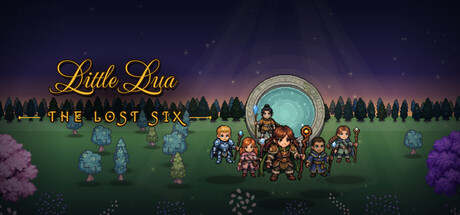 Little Lua & The Lost Six In-game content artcode | Pixellab was used to generate some art assets. Claude code was used for backend development. | Brett Patsky | - | Aug 4, 2026 | |
 100+ Bored Games In-game content art | this game is fully developed by AI, art is generated by AI as well | AQ | - | Aug 4, 2026 | |
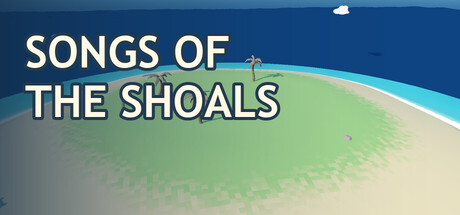 Songs of the Shoals In-game content artcode | This game uses pre-generated AI-assisted content. The base concepts, 3D geometry, textures, and some source animation data for the male and female player characters were created with Tencent Hunyuan 3D Studio. The development team subsequently performed extensive manual editing and integration, including topology and rigging adjustments, animation processing, hand replacement, material work, and technical review. No content is generated by AI during | Luyu Games | - | Aug 4, 2026 | |
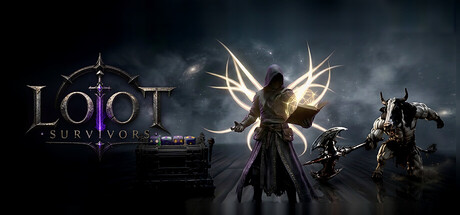 Loot Survivors In-game content arttext | Loot Survivors is made by one person.
I use generative AI as a production tool so that a solo developer can deliver the quality and the update pace players expect. It helps me with things like concept art and texture work, UI icons, and item and flavor text.
Every generated asset is reviewed, edited, and hand-integrated by me — AI output is a starting point, never a finished asset. The game's design, systems, balance, and code direction are my own work.
Nothing is generated while you play. All content ships inside the build. | Banana | - | Aug 4, 2026 | |
 Elemental Wizard Unclear art | This game uses AI generated images. | LPD | - | Aug 4, 2026 | |
 Texas Oil Baron In-game content artaudiotext | Some of the content in this game was created using generative AI tools - this includes converting to seamless textures, some visual elements, localization (interface translations), as well as some sound effects and music. All AI-generated materials have been reviewed, edited and adapted by the game's creators. | Slabon Games | - | Aug 4, 2026 | |
 Escape the Umbra In-game content artaudio | Pre-generated generative AI tools were used during production to create or assist with 2D artwork, animation assets, music, and sound effects. All AI-assisted content is selected, edited as needed, and integrated by the developer. The game does not generate content during gameplay. | Tyborg | - | Aug 4, 2026 | |
 Filthy Fly: Horde Survivor In-game content artaudio | Some of this game's art assets (character, enemy, boss, and environment artwork) and
its music were produced with the assistance of generative AI tools. All AI-assisted
material was curated, edited, composited, and integrated into the game by hand by the
developer. No AI-generated content is created live during gameplay. | KORDE Works LLC | - | Aug 2, 2026 | |
 Ashfire Keep In-game content arttext | Some pre-generated visual and narrative elements included in Ashfire Keep were created or assisted using generative AI tools under the developer's creative direction. This includes the Ashfire Keep logo, selected HUD mockups and edited derivatives used in the final interface, and narrative text that was reviewed, corrected, and approved by the developer. The game does not generate AI content at runtime, does not connect to generative AI services during gameplay, and does not send player data to AI services. All other visual and audio assets are commercially licensed third-party assets. | Khimea Games | - | Aug 2, 2026 | |
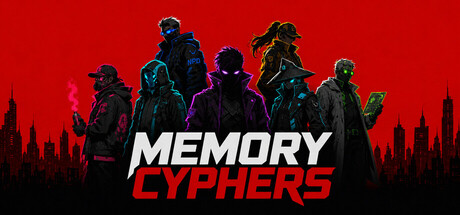 Memory Cyphers In-game content art | Some 2D art assets in this game (such as item and relic icons) were created with the assistance of generative AI image tools. All AI-assisted assets are reviewed and edited by the developer before being included in the game. No AI content is generated during gameplay. | Brain Soda Games | - | Aug 2, 2026 | |
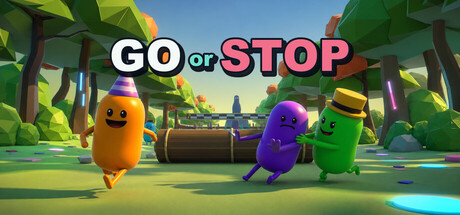 GO or STOP In-game content arttextcode | Generative AI was used during development to assist with some visual assets, text and localization, and code. All AI-assisted content included in the game and its marketing materials was reviewed and edited by the developer. The game does not generate AI content during gameplay and does not connect to external AI services. | lee09lee26 | - | Aug 2, 2026 | |
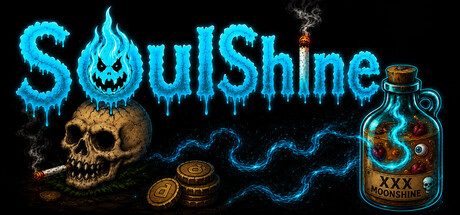 Soul Shine Unclear art | Generative AI was used to assist with the creation of some visual content. | House Of Stupid | - | Aug 2, 2026 | |
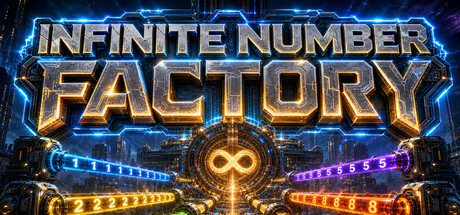 无限数字工厂 Store/marketing art | The game’s store page uses some AI-generated artwork, but the game itself does not contain any AI-generated images. | Starchase Games | - | Aug 2, 2026 | |
 Speedway Club Manager 26 In-game content art | Certain visual assets in the game are created with the assistance of generative artificial intelligence tools. These assets are reviewed, edited, and integrated by the developers to ensure they meet quality standards and remain consistent with the overall artistic direction of the game. | Marcin Dopierała | - | Aug 2, 2026 | |
 Battle Of Plans In-game content arttext | Some of the art assets in Battle of Plans were produced with AI-assisted
tools. Specifically, a number of 3D props (weapon models) were created using
AI-assisted 3D generation and then manually retopologized, re-textured and
integrated by our team, and some promotional/store images were created with
AI image tools. Every AI-assisted asset was reviewed by a human before it
shipped.
Localization into languages other than Turkish and English was produced with
machine translation.
The game does not generate any content while you play: there is no AI chat,
no AI-generated dialogue, and no runtime asset generation. Player chat is
written by players and filtered server-side. | Battle Of Plans | - | Aug 1, 2026 | |
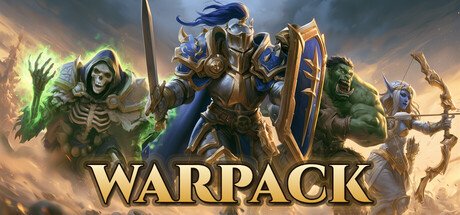 Warpack In-game content artaudio | Some visual assets (character sprites, portraits, marketing art) and some audio were created with the assistance of generative AI tools (PixelLab, Midjourney), then curated and edited by the developer. All game design, code, and writing are human-made. The game does not generate AI content at runtime. | N1ghtmare Studios | - | Aug 1, 2026 | |
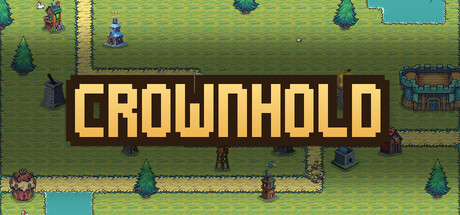 Crownhold In-game content art | Some of this game's assets were made with the assistance of generative AI tools and were reviewed, curated and hand-finished by the developer. No content is generated while you play. | Meridian Studios | - | Aug 1, 2026 | |
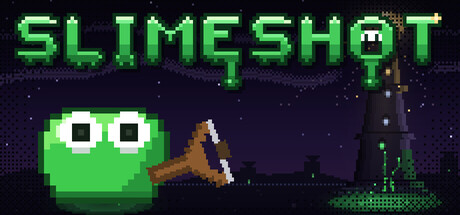 Slimeshot Dev only code | Used to assist with the codebase that runs this game. | devoidsloth | - | Aug 1, 2026 | |
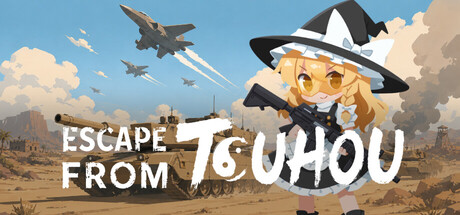 ESCAPE FROM TOUHOU In-game content art | Generative AI technology is used in a supplementary capacity during the creation of some user interface assets.
Any such assets are replaced through our production pipeline by our art and development teams, ensuring they meet our quality standards and creative direction. | FIVE DUCK GAMES | - | Aug 1, 2026 | |
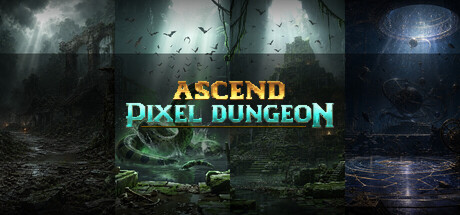 Ascend Pixel Dungeon In-game content artaudiocode | AI was used to create character art, splashes, and maps. Includes additional music and codes. | Heaven's door | - | Aug 1, 2026 | |
 KN Tower Unclear art | Icons, Background Images | Kricom Network | - | Aug 1, 2026 | |
 Palisade In-game content textcode | Generative AI tools assisted with portions of development, including some player-facing UI, tutorial and campaign text, and implementation code.
All output was reviewed and edited by the developer. The game does not generate AI content while running.
Maps and terrain are generated using deterministic procedural algorithms and public-domain geographic data. Audio uses licensed recordings and conventional synthesis/editing, not generative AI. | Aulot Games | - | Aug 1, 2026 | |
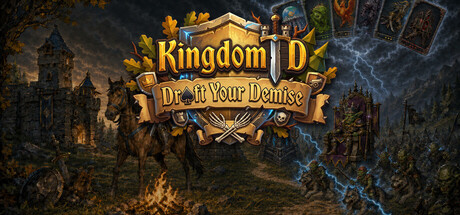 KingdomTD: Draft Your Demise In-game content art | Generative AI tools were used to create most of the game’s 2D artwork, including sprites and animations for enemies, the player character, towers, relics, and other gameplay elements, as well as promotional materials.
All generated assets were reviewed, edited, refined, and integrated by the developer to maintain a consistent visual direction.
All AI-assisted content is pre-generated; no content is generated using AI during gameplay. | GreatColtini Industries | - | Aug 1, 2026 | |
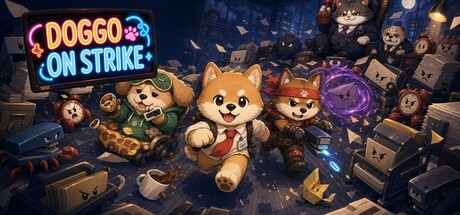 小狗不上班 In-game content art | Some 2D artwork, including character, enemy, map, user-interface, icon, and visual-effect source images, was created with the assistance of generative AI tools during development. Every shipped asset is selected, edited, integrated, and reviewed by the development team for visual consistency, gameplay readability, and rights compliance. The game does not generate content with AI while it is running and does not send player prompts to an AI service. | Medui Studio | - | Aug 1, 2026 | |
 Everybody Loves a Good Hole Store/marketing art | Some store visuals were created with artificial intelligence. | Roovel Studio | - | Aug 1, 2026 | |
 MapCity Store/marketing art | Store Assets; Game Graphics | Permadyn Interactive | - | Aug 1, 2026 | |
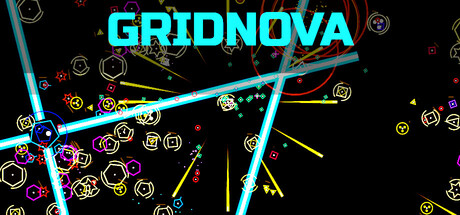 GRIDNOVA In-game content text | Portions of the game's written content (interface text, in-game help, Russian/English localization) and store page texts were created with the assistance of AI tools, directed, reviewed and edited by the developer. All graphics are hand-coded procedural visuals and all audio is procedurally synthesized in code — no AI-generated images or audio are included. | Mokcemka Games | - | Aug 1, 2026 | |
 Warlockle In-game content artaudio | AI was used to assist in code and the music is AI generated for now, however the shitty art is all home made! | Andr335b | - | Aug 1, 2026 | |
 赛博神话:悟空 Store/marketing art | Used for generating image information such as game covers and UI. | CyberMoonStudio | - | Aug 1, 2026 | |
 Forts & Castles In-game content art | During development, some in-game surface textures (e.g. ground/terrain tile materials) were created with the assistance of generative AI image tools and then hand-edited and integrated into the game as static assets. All such content is pre-generated and fixed at ship time; the game does not generate any content live at runtime. We have reviewed this content to ensure we have the appropriate rights to use it and that it does not infringe on the rights of others. | Thomas Silveri | - | Aug 1, 2026 | |
 BallsCommander In-game content art | OpenAI tools were used during development for coding assistance and for creating or editing some visual/video assets. All shipped content was reviewed/edited by the developer. The game does not include live-generated AI content. | TobselGames | - | Aug 1, 2026 | |
 Lockey In-game content text | Generative AI was used as a supporting tool for localization in some languages. All AI-assisted translations were reviewed and edited by the development team. No AI-generated content is created in real time during gameplay. | SLIP4RS | 24 | Aug 1, 2026 | |
 Corny Johnny In-game content artaudiotext | Johnny Jagung uses generative AI across much of its content. The visual art (character, enemy, boss, and UI artwork), music, sound effects, in-game text, and Indonesian translation were all created with the help of generative AI tools, then reviewed, curated, and assembled into the game by the developer — for instance, character art is hand-edited, composited, and animated from generated source images. All AI-generated content is created during development; the game does not generate anything live while you play. | DozBroz Studio | - | Aug 1, 2026 | |
 Bloodlust & Harmony In-game content audio | This game uses AI-generated voice acting. All character voices were synthesized with ElevenLabs using original text prompts and original scripts written for this game. No real person's voice was cloned, recorded, or used as source material. Some creature and ambient sound effects are also AI-generated. All audio is pre-generated and ships with the game; nothing is generated at runtime. | Cyber Mouse | - | Aug 1, 2026 | |
 Jack's, 2's & 8's Store/marketing art | Generative AI Tools where used in the creation of store assets. | What To Do!? Games | - | Aug 1, 2026 | |
 PuppetOFF In-game content arttext | Some of the game's visual assets — both 2D and 3D — are built from AI-generated drafts that our artists rework and refine by hand into their final form. Localization was drafted with AI tools and edited by the team. The final look, content, and quality of every element of the game are defined and approved by humans. | Feral Node Games | - | Aug 1, 2026 | |
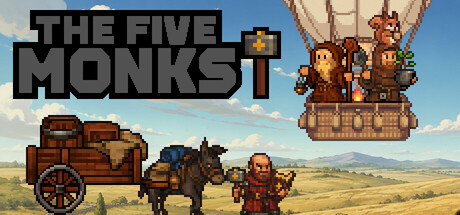 The Five Monks In-game content arttext | Generative AI tools were used during the development of The Five Monks as follows:
- Illustrations, icons, and in-game object art: initial images were generated with AI tools, then revised and finalized by hand by the development team. These edited assets ship with the game.
- Creature and character concepts: AI outputs were used as visual reference only. The final in-game art was recreated from scratch by the development team to fit the game's art direction.
- Store page text: portions were drafted with AI assistance and then edited by the team.
The game's music was composed by the development team without generative AI. | Mad Goblins | - | Jul 31, 2026 | |
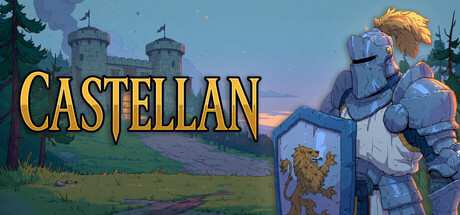 Castellan In-game content artaudiotext | AI tools were used during development to assist in the creation of some pre-generated content included in the game. All such content was reviewed, curated, and edited by the developer before inclusion. Some 2D sprites, icons, and key art were created with the assistance of generative AI tools. Music and sound effects were also created with the assistance of AI audio tools. Localization for languages other than English was produced with AI assistance and reviewed by the developer. The game does not use generative AI at runtime and does not generate any live AI content during gameplay. | Bozalt Games | - | Jul 31, 2026 | |
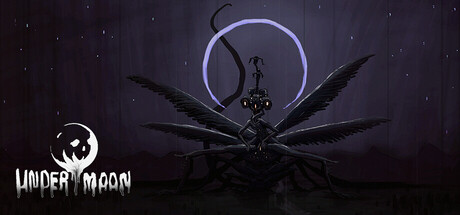 Undermoon In-game content audiotextart | Some sound effects, written content, and artwork were generated with AI and then manually edited and refined. | momorange | - | Jul 31, 2026 | |
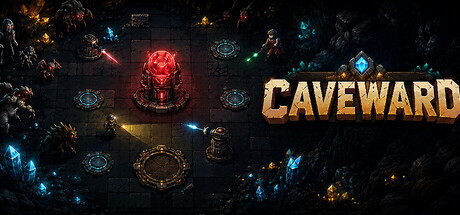 Caveward In-game content arttext | Generative AI tools were used during development to assist in creating and refining some 2D pixel-art assets, animations, and localization text. All AI-assisted content was reviewed, edited, and integrated by the developer. | J. Souza | - | Jul 31, 2026 | |
 SHKSHK In-game content art | Generative AI was used during development to create some of the pre-generated images included in the game. All AI-generated content is created in advance and included as static game assets. The game does not generate AI content during gameplay. | JWG | - | Jul 31, 2026 | |
 Tiny Chef In-game content art | Some of the placeholder art currently in Tiny Chef was generated with AI tools while the game is in development. It is temporary and is being replaced with final artwork drawn by a human artist. | Brydon Creative Inc. | - | Jul 30, 2026 | |
 NEON FORTRESS Unclear | AI makes game better visual effect and gameplay logic. | tangcq | - | Jul 30, 2026 | |
 Oh No! I’m Surrounded by Polygons! In-game content artaudiocodetext | All content was created using AI. | mex | - | Jul 30, 2026 | |
 BRAWLZERK In-game content arttext | This game was developed with the assistance of generative AI tools.
Generative AI tools assisted with the creation of skill icons, terrain textures, some in-game 3D assets and visual effects, and translated localization text. All final assets and translations included in the game were selected, edited, and reviewed by the developer before integration.
The game does not use any AI features that generate images, text, audio, or other content in real time in response to player input. | Reforbli | - | Jul 30, 2026 | |
 Apocalipsis Survivor In-game content artcode | Pre-generated AI content:
Some of the game's 2D illustrations — world and game-mode cover art, story-scene illustrations, character portraits, and store/promotional images — were created with the assistance of generative AI image tools. Every image was prompted, curated, selected and edited by the developer.
Portions of the game's source code were written with the assistance of an AI coding tool, always under direct human direction, review and testing.
Gameplay sprites, user interface, and fonts come from licensed third-party asset packs or were made by hand.
The game does NOT generate any content with AI at runtime: all content is fixed at development time, and no player data is sent to any AI service. | TomDev | - | Jul 30, 2026 | |
 Agon Protocol In-game content artaudio | Generative AI was used to assist with the creation of code-based 3D geometry built in Three.js, as well as some sound assets included in the game. These assets are reviewed, adjusted, and integrated by the developer, and may be revised or replaced throughout development. | Atrimn | - | Jul 30, 2026 | |
 Two-Dye In-game content artaudiotext | Two-Dye has been developed with the assistance of AI tools that has helped with Graphical assets, sounds and localization. | Smidd Games | - | Jul 30, 2026 | |
 星塔游戈 Celestial Sentinel In-game content artaudiocodetext | During the process of production, generative AI may be used in following processes: coding and debugging, production of conceptual art of game assets, production of rough models of game assets, production of simple animation effects, restoration of image, audio or video quality, localization and translation. All AI generated game assets that appear directly in game are revised and finalized by real human artists. | 野象游戏工作室 Elephas Game Studio | - | Jul 30, 2026 | |
 Topdeck Duel In-game content artaudio | Generative AI was used during game development to create images and musical accompaniment. | One Ink Studio | - | Jul 30, 2026 |


