Public Steam disclosure research25,497 disclosures tracked
Where do games disclose AI use?
Search developers’ Steam disclosures, compare classified AI use across
games, and follow recorded changes.
This index adds cross-game classifications and statistics to
statements published on individual store pages.
Groups reflect automatic analysis of public disclosures; mature records are excluded. These counts do not measure AI use across all of Steam.
Missing or unclear statements cannot establish whether a game uses AI.
As a solo developer, I leverage generative AI tools to efficiently create visual assets and UI elements. Much like an automated tool helps a single craftsman, this technology allows me to bring my vision to life independently, maintaining full creative control over the game's mechanics, logic, and design.
Generative AI tools were used during development to help create some of the game's artwork, including zombie character sprites, hammer icons, achievement icons. All AI-assisted artwork was reviewed and selected by the developer before being included in the final game. The store page description was also written with the assistance of an AI writing tool.
Some pre-rendered visual and audio assets were created with the assistance of generative AI tools during development. All such content was reviewed, edited, and finalized by the developer before shipping. The game does not use AI to generate content during gameplay.
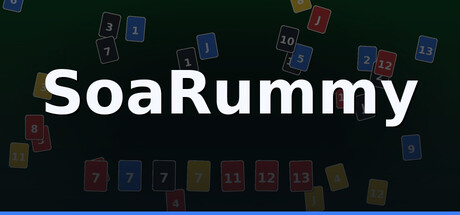
Part of this game's written content was drafted with generative AI tools — some of the in-game text and the English and Japanese localisations — and was then reviewed and edited by the developer. All of it is pre-generated: the game calls no AI model at runtime, nothing is created live by AI while you play, and the computer-controlled opponents are a hand-written, rule-based system. In-game art is original procedural drawing or licensed third-party assets (a third-party icon library under CC BY 3.0); music is licensed from Kevin MacLeod (CC BY 3.0); sound effects are CC0; and the store capsule images are drawn procedurally inside the engine. Full asset credits are shown in the game's "Assets & License" screen.
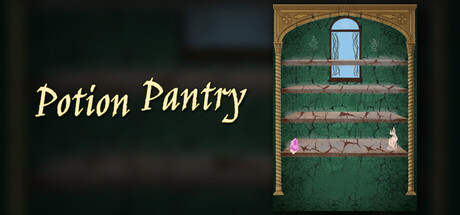
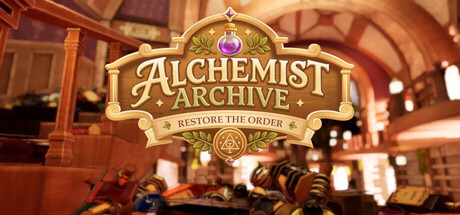
Potion Pantry contains limited pre-generated content created with AI assistance during development. OpenAI Codex assisted with portions of the puzzle clue and narrative writing used in Chapters 2–6. Rogue Andromeda reviewed and approved the resulting campaign content and retains final creative control. OpenAI's image-generation tool also created two ingredient icons, Iron Kettle and Wooden Ladle, which the developer explicitly reviewed and approved for use. The remaining displayed artwork is human-created or commercially licensed, including pantry artwork assembled by Rogue Andromeda and PONETI ingredient icons licensed through the Unity Asset Store. Music, sound effects, and the Keeper voice performance are human-made; no audio waveform, performance, or composition was generated by AI. Development provenance, prompts where applicable, approvals, hashes, licenses, and source records are retained by Rogue Andromeda LLC.
AI tools were used during development to help with my terrible code, and to create the game’s splash screen, icon, Steam capsule artwork, and various store and marketing images. Although, I did draw up the references with my own big hands.
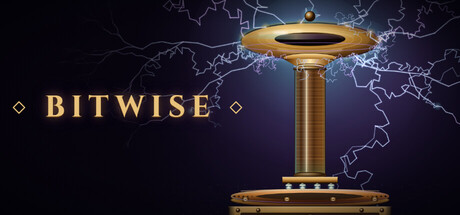
BitWise was made by a single developer with AI assistance, under the developer's direction and review. It contains no AI-generated images or voices: the game draws all of its art and synthesizes all of its sound with its own code. Nothing is generated by AI while you play.
Part of the artwork in this game was generated using AI image tools and then edited by us. Being a tiny team, those tools are what made this project possible.
Generative AI tools were used during development to create pre-generated artwork
and visual assets used in the game and its Steam store materials.
All AI-generated assets included in the final game were reviewed and selected by
the developer before use.
No generative AI content is created during gameplay, and the game does not connect
to any external AI services.
This game uses generative AI in the creation of some visual assets, including character illustrations, backgrounds, and promotional artwork. These assets were selected, adjusted, and integrated into the game and store materials by the developer. The game does not generate content in real time during gameplay, and no player input or personal data is sent to external AI services.
Meeting the World (Aira) uses generative AI to create conversations and optional synthesized speech during gameplay. Depending on the enabled features, AI can also select predefined character actions and influence conversational emotion, autonomous behaviour and long-term understanding.
The Windows build includes a local Gemma 4 e2b chat model. Players may optionally configure their own external AI provider. Local speech synthesis uses CosyVoice3 with a bundled reference voice or a voice reference selected by the player.
AI responses may be inaccurate or inappropriate and should not be treated as professional advice.
During development we use AI-based tools to assist with content creation, including modelling, voice lines, music and translations. All of it is reviewed by the team to ensure the final product stays true to our own vision.
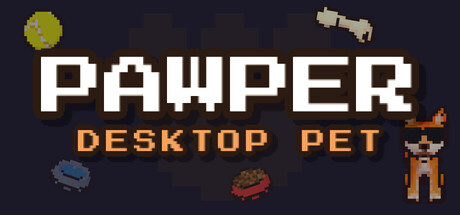
I'm a solo developer and I'm not a 3D modeler. Generative AI is what made Pawper possible at all: the in-game items and the game's icons were created with AI 3D tools, and I assembled the store capsules by hand from those elements. Sound effects and music are mostly licensed or hand-made. Nothing is generated by AI while the game is running.
Generative AI tools were used during development to assist in creating and refining some of the visual assets used in the game. All AI-assisted content was reviewed and edited by the developer before being included in the final game. No AI-generated content is created during gameplay.
Generative AI tools were used to assist with some of the game's translations and localization. The AI-generated translations were reviewed and edited before being included in the game.
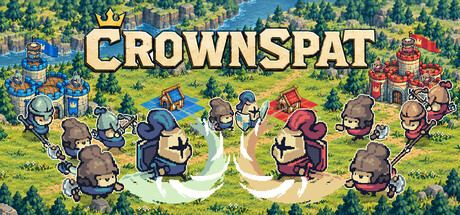
Generative AI tools were used during development to help create some visual assets and localized text, including Steam store artwork and achievement icons. This content is prepared in advance and included as fixed assets and text. Crownspat does not use generative AI to create content during gameplay and does not connect to external AI services.
During development, generative AI is used to explore visual concepts and create prototype. Also used on Translation. Textures, animations, and 3D models are created manually. The game does not generate AI content during gameplay.
Generative AI tools were used during development to create some visual assets, including character skins and store artwork. These assets were reviewed and edited by the developer. The game does not generate AI content during gameplay or connect to a third-party AI service during gameplay.
Generative AI tools were used during development to assist with parts of concept art, character drafts, draft store assets, localization drafts, and operational copy drafts. All AI-assisted content was manually reviewed, edited, integrated, and approved by the development team before being included in the game or store page.
The game does not use generative AI at runtime to create dialogue, story content, images, audio, or other player-facing content.
During the development of our game, pre-generated AI tools were used to assist with asset creation. We utilized Gemini 3.1 Pro to generate UI illustrations and localized text, and Suno AI to create the background music. All AI-assisted assets have been human-reviewed, edited, and integrated into the final build. The game does not contain any live-generated AI content.
Generative AI was used to create a limited number of pre-generated assets, including labels and artwork for some small in-game props, such as fish food products, as well as some customer voice lines, such as “Thank you” and “Have a nice day.” No AI-generated content is created during gameplay.
Eldritch Tricks was not dealt by human hands alone: we lean on procedural and AI-assisted tools during development to help draft what you see and hear. Every card that reaches the table is chosen, shaped, and finished by the Iron Tower Press team, and the game you play is ours.
No major content was directly created with AI. No graphic assets (store page or in game) were created with AI. Only used to help with creating shaders, database scripts, animations, and some balancing/debugging.
Pre-generated content only, nothing is generated while you play. All image motifs (130 modifier cards, 44 enemy portraits, 24 dice, 5 items, 7 set emblems, the title logo) were generated with Google's Gemini image model from written prompts and then hand-reduced to the game's palette and pixel size. Music: the fight track was generated with Suno, the title, boss and shop tracks with Eleven Music (ElevenLabs). Thirteen sound effects (boss entrance, curse, win, loss, dice shaking, dice landing, clicks, coins) were generated with ElevenLabs Sound Generation; all remaining sounds are synthesized in code. Rules, code, texts and translations were written by the developer, with AI assistance during development.
Generative AI was used during development to assist with programming and to create most of the game's visual assets. The player character artwork was created without generative AI.
Generative AI was used during development to create pre-made content: concept and reference images, character sprites, textures and UI graphics (OpenAI image generation), the game logo (Google Gemini), some 3D model drafts (Tripo) and sound effects (ElevenLabs). All AI-generated material was selected, edited, modelled and integrated by the developer in Blender and Unity. The game does not generate any content with AI while you play and does not connect to AI services.
Generative AI tools were used during development to assist with selected text content and localization. All AI-assisted content was reviewed and edited by the developer before inclusion. The game does not generate AI content during gameplay.
Part of the game's artwork - backgrounds, character illustrations, and CG images - was created with the assistance of generative AI tools, and some background music tracks and character voice lines were produced using AI music and AI speech generation services. All AI-assisted assets were reviewed and selected by the developer. The story, characters, and writing were authored by the developer. The game also includes an optional runtime AI dialogue feature that runs on a local model bundled with the game, fully offline; it generates short character replies only and cannot change the story or endings.
As a solo developer, I leverage generative AI tools to efficiently create visual assets and UI elements. Much like an automated tool helps a single craftsman, this technology allows me to bring my vision to life independently, maintaining full creative control over the game's mechanics, logic, and design.
Generative AI tools were used during development to help create some of the game's artwork, including zombie character sprites, hammer icons, achievement icons. All AI-assisted artwork was reviewed and selected by the developer before being included in the final game. The store page description was also written with the assistance of an AI writing tool.
Some pre-rendered visual and audio assets were created with the assistance of generative AI tools during development. All such content was reviewed, edited, and finalized by the developer before shipping. The game does not use AI to generate content during gameplay.
Part of this game's written content was drafted with generative AI tools — some of the in-game text and the English and Japanese localisations — and was then reviewed and edited by the developer. All of it is pre-generated: the game calls no AI model at runtime, nothing is created live by AI while you play, and the computer-controlled opponents are a hand-written, rule-based system. In-game art is original procedural drawing or licensed third-party assets (a third-party icon library under CC BY 3.0); music is licensed from Kevin MacLeod (CC BY 3.0); sound effects are CC0; and the store capsule images are drawn procedurally inside the engine. Full asset credits are shown in the game's "Assets & License" screen.
Potion Pantry contains limited pre-generated content created with AI assistance during development. OpenAI Codex assisted with portions of the puzzle clue and narrative writing used in Chapters 2–6. Rogue Andromeda reviewed and approved the resulting campaign content and retains final creative control. OpenAI's image-generation tool also created two ingredient icons, Iron Kettle and Wooden Ladle, which the developer explicitly reviewed and approved for use. The remaining displayed artwork is human-created or commercially licensed, including pantry artwork assembled by Rogue Andromeda and PONETI ingredient icons licensed through the Unity Asset Store. Music, sound effects, and the Keeper voice performance are human-made; no audio waveform, performance, or composition was generated by AI. Development provenance, prompts where applicable, approvals, hashes, licenses, and source records are retained by Rogue Andromeda LLC.
AI tools were used during development to help with my terrible code, and to create the game’s splash screen, icon, Steam capsule artwork, and various store and marketing images. Although, I did draw up the references with my own big hands.
BitWise was made by a single developer with AI assistance, under the developer's direction and review. It contains no AI-generated images or voices: the game draws all of its art and synthesizes all of its sound with its own code. Nothing is generated by AI while you play.
Part of the artwork in this game was generated using AI image tools and then edited by us. Being a tiny team, those tools are what made this project possible.
Generative AI tools were used during development to create pre-generated artwork
and visual assets used in the game and its Steam store materials.
All AI-generated assets included in the final game were reviewed and selected by
the developer before use.
No generative AI content is created during gameplay, and the game does not connect
to any external AI services.
This game uses generative AI in the creation of some visual assets, including character illustrations, backgrounds, and promotional artwork. These assets were selected, adjusted, and integrated into the game and store materials by the developer. The game does not generate content in real time during gameplay, and no player input or personal data is sent to external AI services.
Meeting the World (Aira) uses generative AI to create conversations and optional synthesized speech during gameplay. Depending on the enabled features, AI can also select predefined character actions and influence conversational emotion, autonomous behaviour and long-term understanding.
The Windows build includes a local Gemma 4 e2b chat model. Players may optionally configure their own external AI provider. Local speech synthesis uses CosyVoice3 with a bundled reference voice or a voice reference selected by the player.
AI responses may be inaccurate or inappropriate and should not be treated as professional advice.
During development we use AI-based tools to assist with content creation, including modelling, voice lines, music and translations. All of it is reviewed by the team to ensure the final product stays true to our own vision.
I'm a solo developer and I'm not a 3D modeler. Generative AI is what made Pawper possible at all: the in-game items and the game's icons were created with AI 3D tools, and I assembled the store capsules by hand from those elements. Sound effects and music are mostly licensed or hand-made. Nothing is generated by AI while the game is running.
Generative AI tools were used during development to assist in creating and refining some of the visual assets used in the game. All AI-assisted content was reviewed and edited by the developer before being included in the final game. No AI-generated content is created during gameplay.
Generative AI tools were used to assist with some of the game's translations and localization. The AI-generated translations were reviewed and edited before being included in the game.
Generative AI tools were used during development to help create some visual assets and localized text, including Steam store artwork and achievement icons. This content is prepared in advance and included as fixed assets and text. Crownspat does not use generative AI to create content during gameplay and does not connect to external AI services.
During development, generative AI is used to explore visual concepts and create prototype. Also used on Translation. Textures, animations, and 3D models are created manually. The game does not generate AI content during gameplay.
Generative AI tools were used during development to create some visual assets, including character skins and store artwork. These assets were reviewed and edited by the developer. The game does not generate AI content during gameplay or connect to a third-party AI service during gameplay.
Generative AI tools were used during development to assist with parts of concept art, character drafts, draft store assets, localization drafts, and operational copy drafts. All AI-assisted content was manually reviewed, edited, integrated, and approved by the development team before being included in the game or store page.
The game does not use generative AI at runtime to create dialogue, story content, images, audio, or other player-facing content.
During the development of our game, pre-generated AI tools were used to assist with asset creation. We utilized Gemini 3.1 Pro to generate UI illustrations and localized text, and Suno AI to create the background music. All AI-assisted assets have been human-reviewed, edited, and integrated into the final build. The game does not contain any live-generated AI content.
Generative AI was used to create a limited number of pre-generated assets, including labels and artwork for some small in-game props, such as fish food products, as well as some customer voice lines, such as “Thank you” and “Have a nice day.” No AI-generated content is created during gameplay.
Eldritch Tricks was not dealt by human hands alone: we lean on procedural and AI-assisted tools during development to help draft what you see and hear. Every card that reaches the table is chosen, shaped, and finished by the Iron Tower Press team, and the game you play is ours.
No major content was directly created with AI. No graphic assets (store page or in game) were created with AI. Only used to help with creating shaders, database scripts, animations, and some balancing/debugging.
Pre-generated content only, nothing is generated while you play. All image motifs (130 modifier cards, 44 enemy portraits, 24 dice, 5 items, 7 set emblems, the title logo) were generated with Google's Gemini image model from written prompts and then hand-reduced to the game's palette and pixel size. Music: the fight track was generated with Suno, the title, boss and shop tracks with Eleven Music (ElevenLabs). Thirteen sound effects (boss entrance, curse, win, loss, dice shaking, dice landing, clicks, coins) were generated with ElevenLabs Sound Generation; all remaining sounds are synthesized in code. Rules, code, texts and translations were written by the developer, with AI assistance during development.
Generative AI was used during development to assist with programming and to create most of the game's visual assets. The player character artwork was created without generative AI.
Generative AI was used during development to create pre-made content: concept and reference images, character sprites, textures and UI graphics (OpenAI image generation), the game logo (Google Gemini), some 3D model drafts (Tripo) and sound effects (ElevenLabs). All AI-generated material was selected, edited, modelled and integrated by the developer in Blender and Unity. The game does not generate any content with AI while you play and does not connect to AI services.
Generative AI tools were used during development to assist with selected text content and localization. All AI-assisted content was reviewed and edited by the developer before inclusion. The game does not generate AI content during gameplay.
Part of the game's artwork - backgrounds, character illustrations, and CG images - was created with the assistance of generative AI tools, and some background music tracks and character voice lines were produced using AI music and AI speech generation services. All AI-assisted assets were reviewed and selected by the developer. The story, characters, and writing were authored by the developer. The game also includes an optional runtime AI dialogue feature that runs on a local model bundled with the game, fully offline; it generates short character replies only and cannot change the story or endings.