Public Steam disclosure research25,497 disclosures tracked
Where do games disclose AI use?
Search developers’ Steam disclosures, compare classified AI use across
games, and follow recorded changes.
This index adds cross-game classifications and statistics to
statements published on individual store pages.
Groups reflect automatic analysis of public disclosures; mature records are excluded. These counts do not measure AI use across all of Steam.
Missing or unclear statements cannot establish whether a game uses AI.
Generative AI tools were used to assist with programming, debugging, and improving written content.
However, the developer remained fully responsible for the game's design, direction, overall programming, integration, testing, and all final decisions.
Promotional materials and store page artwork were created with the help of generative AI and then reviewed and edited by the developer. No generative AI is used during gameplay or connects to external AI services.
Generative AI tools were used during development to create most of the game's code and assist with localization, including some store-page text. All AI-assisted outputs were manually reviewed, edited, tested, and integrated by the developer. No artwork, character designs, animations, music, sound effects, or other visual or audio assets were generated using AI. The game does not use live-generated AI during gameplay.
Some promotional and store page artwork was created with the assistance of generative AI tools. All in-game art, audio, and text is human-authored. Nothing is generated by AI while you play.
Generative AI may have been used to assist in creating artwork for this game's store page and promotional materials. All AI-assisted content was created under human direction and is the result of a human-led artistic and creative process.
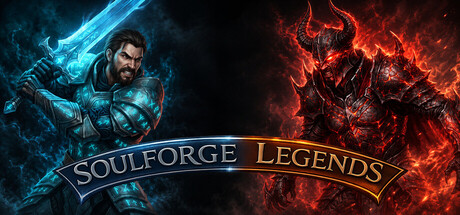
Some of the art in SoulForge Legends was created with the help of generative AI tools. All of it was generated during development, then reviewed, edited and assembled by hand before shipping. Nothing is generated live while you play, and the game never sends your input to an AI service.
This game uses a bundled on-device AI model to estimate body-shape parameters from a player-selected full-body photo and apply them to a predefined 3D character mesh. The photo is processed locally and is not sent to an external AI service. Photo-based appearance projection is handled separately as user-provided character customization and is not open-ended AI image generation.
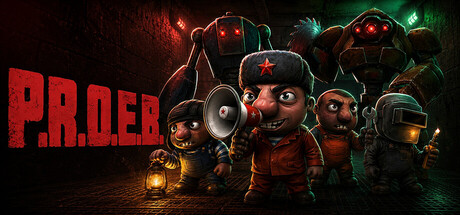
We use AI tools only to demonstrate the game's feel, for marketing materials, and to optimise development. 3D models, UI, characters, robot enemies, the main soundtrack and other key elements of the game are lovingly crafted by our team.
Yes, we're not the fastest indie developers in the world. But we're working hard for you! ^_^
Generative AI tools were used during development to create and refine some pre-generated visual assets, including concept art, character and environment models, textures, animations, UI artwork, icons, visual effects, and selected store or marketing images. All such assets were reviewed and edited by the developer. The game does not generate AI content during gameplay and does not connect to external AI services while running.
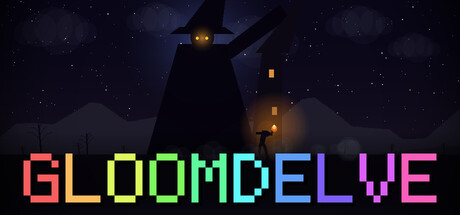
GloomDelve's visuals, audio, and dungeons are generated procedurally by hand-written code; calculated geometry, synthesized sound, and deterministic seed-based level generation, not by generative AI. Generative AI tools were used during development to assist with translating the interface into non-English languages. The game generates no content at runtime and connects to no AI service while you play. Every run is produced by the same deterministic procedural systems.
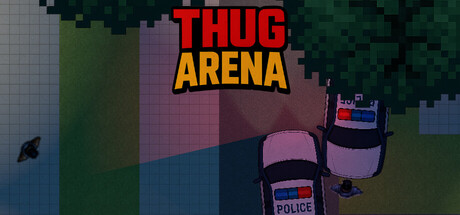
Thug Arena was made with the use of AI and LLMs to generate many of the graphical assets. The game was made by two brothers in our spare time, and none of us are artists or can afford to pay artists for this game. We have used AI creatively to get to a style we liked for the game including most but not all assets, such as trees, buildings, pedestrians and weapons.
During the development of the game, generative AI tools were used to create some decorative props and certain sound effects. All AI-generated content was reviewed, edited, and manually integrated by the developer to ensure consistency with the game's artistic style and quality standards. Artificial intelligence was not used to generate gameplay code or core gameplay mechanics.
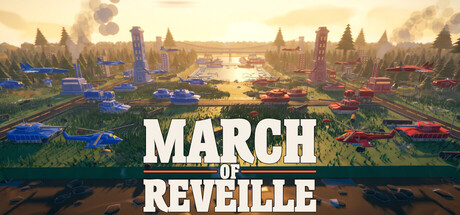
Some non-gameplay assets in March of Reveille were made with the help of generative AI tools.
Music — composed using AI music generation.
Store page and marketing artwork — the key art on this page began as renders captured in-engine from the game's own 3D models, terrain and units, then restyled using AI image editing. It depicts the actual game.
All 3D models, environments, unit designs, UI and game design are the developer's own work, built from scratch in Blender and Godot.
Generative AI was used to assist in creating certain promotional and store page artwork. All AI-generated content was reviewed, edited, and refined by the developer. No generative AI is used during gameplay.
Some visual assets in the game were created with the assistance of generative AI tools and then curated and edited by the developer: certain environment textures, the loading splash image, several 3D prop models, some UI icons, and store page artwork. All AI-assisted content is pre-rendered and shipped with the game — the game does not generate any content at runtime, and AI is not used in gameplay, chat, or any live systems.
Generative AI was used to assist in creating certain promotional and store page artwork. All AI-generated content was reviewed, edited, and refined by the developer. No generative AI is used during gameplay.
Generative AI was used to assist in creating certain promotional and store page artwork. All AI-generated content was reviewed, edited, and refined by the developer. No generative AI is used during gameplay.
Generative AI was used to assist in creating certain promotional and store page artwork. All AI-generated content was reviewed, edited, and refined by the developer. No generative AI is used during gameplay.
Emergence uses generative AI as a development tool. It has been used to assist in the creation of certain visual assets (illustrations, icons, and concept art), text, and to help with software development and feature prototyping.
All content included in the game is reviewed, edited, approved, and ultimately authored by the developer. Generative AI is not used to create player-facing content during gameplay unless explicitly stated in the game's feature descriptions.
Some pre-created content in SPELLSTEEL was developed with the assistance of generative AI as part of a human-directed creative process. SPELLSTEEL does not use generative AI to generate gameplay content or player-facing content in real time.
Some desk doodle or promotional art assets may have been created with AI-assisted tools and edited by the developer before being included in the game. No real-time generative AI is used during gameplay.
We used generative AI to assist with drafting in-game text and localization into supported languages.and no content is generated by AI during gameplay.
To create a better context and focus on the essential parts of the game, we used AI to help create some background art. After AI generated these images, our artists still had to refine them to ensure the style of the background.
The only AI assistance we used was for brainstorming and polishing the wording of the Steam store page description/marketing copy. AI was not used to generate visual assets or in-game content
AI tools were used only during the concept development stages. All final content was reviewed and edited by the development team. All artwork used on the Steam store page was created by freelance 2D artists.
Some visual assets and UI elements were created with the assistance of AI tools during development.
When you are trapped inside a machine, you must use the machine's tools.
We are sorry. It was the only way to reach you.
Some 2D art assets in this game (such as item and relic icons) were created with the assistance of generative AI image tools. All AI-assisted assets are reviewed and edited by the developer before being included in the game. No AI content is generated during gameplay.
Some questions and answers in our quiz game are generated using AI. Additionally, we utilized pre-generated AI images included in the capsules and for in-game assets.
Generative AI was used during development to assist with some visual assets, text and localization, and code. All AI-assisted content included in the game and its marketing materials was reviewed and edited by the developer. The game does not generate AI content during gameplay and does not connect to external AI services.
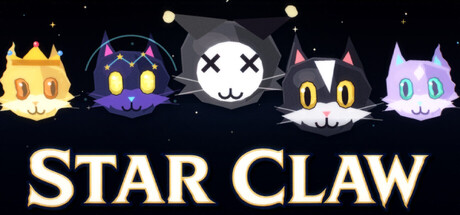
Generative AI was used during development to assist in creating selected pre-rendered visual assets, including character and boss artwork. These assets were reviewed, edited, animated, and integrated by the developer. Star Claw does not generate content using AI while the game is running.
Portions of the game's artwork and promotional graphics were created with the assistance of generative AI and then reviewed, edited, and integrated by the developer. No live AI-generated content is produced during gameplay.
Pre-generated content. Character portraits, spell and keyword icons, and store artwork were produced using AI image generation tools, then selected, edited and assembled by the developer. Some in-game text was drafted with AI assistance and edited by the developer. Music and sound effects are licensed from human creators. No content is generated live while the game is running.
AI-assisted tools were used during development to help produce some 2D art assets (character and enemy artwork, UI icons), sound effects, voice lines, and supporting code. All AI-assisted content was created before release and reviewed by the development team. The game does not generate any content or code in real time during gameplay, and it does not connect to any external AI service while playing.
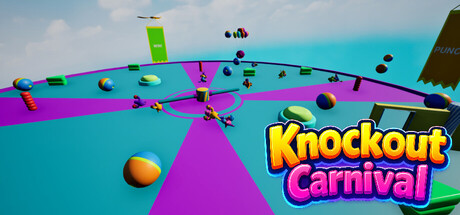
Knockout Carnival contains pre-generated AI-assisted artwork used for a limited selection of character icons, profile icons, emotes, sprays, and a chest icon. No AI content is generated during gameplay.
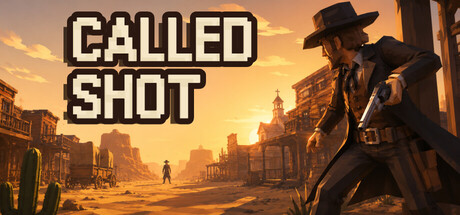
As a solo developer, I use generative image AI to assist in creating Called Shot's 2D artwork — specifically the card illustrations and the store page key art (capsule images). No content is generated by AI in real time during gameplay. All AI-assisted art is created in advance during development, then reviewed and revised before being included in the game. The in-game 3D models and environment art are not AI-generated.
Some of the art assets in Battle of Plans were produced with AI-assisted
tools. Specifically, a number of 3D props (weapon models) were created using
AI-assisted 3D generation and then manually retopologized, re-textured and
integrated by our team, and some promotional/store images were created with
AI image tools. Every AI-assisted asset was reviewed by a human before it
shipped.
Localization into languages other than Turkish and English was produced with
machine translation.
The game does not generate any content while you play: there is no AI chat,
no AI-generated dialogue, and no runtime asset generation. Player chat is
written by players and filtered server-side.
AI-assisted tools are becoming part of modern game development, and we believe in being transparent about how we use them. Aviator combines AI-assisted workflows with human creative direction, design, review, and final decision-making throughout development.
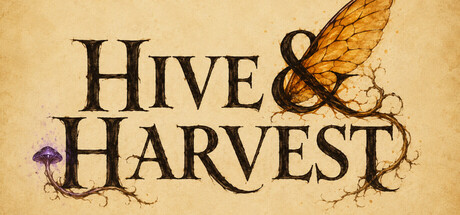
Most of the art for Hive & Harvest has been initially generated by AI models, which has then been manually edited to achieve the desired tessellation look.
Coding of the game involved AI models for the purpose of quality control.
Generative AI tools were used to assist with programming, debugging, and improving written content.
However, the developer remained fully responsible for the game's design, direction, overall programming, integration, testing, and all final decisions.
Promotional materials and store page artwork were created with the help of generative AI and then reviewed and edited by the developer. No generative AI is used during gameplay or connects to external AI services.
Generative AI tools were used during development to create most of the game's code and assist with localization, including some store-page text. All AI-assisted outputs were manually reviewed, edited, tested, and integrated by the developer. No artwork, character designs, animations, music, sound effects, or other visual or audio assets were generated using AI. The game does not use live-generated AI during gameplay.
Some promotional and store page artwork was created with the assistance of generative AI tools. All in-game art, audio, and text is human-authored. Nothing is generated by AI while you play.
Generative AI may have been used to assist in creating artwork for this game's store page and promotional materials. All AI-assisted content was created under human direction and is the result of a human-led artistic and creative process.
Some of the art in SoulForge Legends was created with the help of generative AI tools. All of it was generated during development, then reviewed, edited and assembled by hand before shipping. Nothing is generated live while you play, and the game never sends your input to an AI service.
This game uses a bundled on-device AI model to estimate body-shape parameters from a player-selected full-body photo and apply them to a predefined 3D character mesh. The photo is processed locally and is not sent to an external AI service. Photo-based appearance projection is handled separately as user-provided character customization and is not open-ended AI image generation.
We use AI tools only to demonstrate the game's feel, for marketing materials, and to optimise development. 3D models, UI, characters, robot enemies, the main soundtrack and other key elements of the game are lovingly crafted by our team.
Yes, we're not the fastest indie developers in the world. But we're working hard for you! ^_^
Generative AI tools were used during development to create and refine some pre-generated visual assets, including concept art, character and environment models, textures, animations, UI artwork, icons, visual effects, and selected store or marketing images. All such assets were reviewed and edited by the developer. The game does not generate AI content during gameplay and does not connect to external AI services while running.
GloomDelve's visuals, audio, and dungeons are generated procedurally by hand-written code; calculated geometry, synthesized sound, and deterministic seed-based level generation, not by generative AI. Generative AI tools were used during development to assist with translating the interface into non-English languages. The game generates no content at runtime and connects to no AI service while you play. Every run is produced by the same deterministic procedural systems.
Thug Arena was made with the use of AI and LLMs to generate many of the graphical assets. The game was made by two brothers in our spare time, and none of us are artists or can afford to pay artists for this game. We have used AI creatively to get to a style we liked for the game including most but not all assets, such as trees, buildings, pedestrians and weapons.
During the development of the game, generative AI tools were used to create some decorative props and certain sound effects. All AI-generated content was reviewed, edited, and manually integrated by the developer to ensure consistency with the game's artistic style and quality standards. Artificial intelligence was not used to generate gameplay code or core gameplay mechanics.
Some non-gameplay assets in March of Reveille were made with the help of generative AI tools.
Music — composed using AI music generation.
Store page and marketing artwork — the key art on this page began as renders captured in-engine from the game's own 3D models, terrain and units, then restyled using AI image editing. It depicts the actual game.
All 3D models, environments, unit designs, UI and game design are the developer's own work, built from scratch in Blender and Godot.
Generative AI was used to assist in creating certain promotional and store page artwork. All AI-generated content was reviewed, edited, and refined by the developer. No generative AI is used during gameplay.
Some visual assets in the game were created with the assistance of generative AI tools and then curated and edited by the developer: certain environment textures, the loading splash image, several 3D prop models, some UI icons, and store page artwork. All AI-assisted content is pre-rendered and shipped with the game — the game does not generate any content at runtime, and AI is not used in gameplay, chat, or any live systems.
Generative AI was used to assist in creating certain promotional and store page artwork. All AI-generated content was reviewed, edited, and refined by the developer. No generative AI is used during gameplay.
Generative AI was used to assist in creating certain promotional and store page artwork. All AI-generated content was reviewed, edited, and refined by the developer. No generative AI is used during gameplay.
Generative AI was used to assist in creating certain promotional and store page artwork. All AI-generated content was reviewed, edited, and refined by the developer. No generative AI is used during gameplay.
Emergence uses generative AI as a development tool. It has been used to assist in the creation of certain visual assets (illustrations, icons, and concept art), text, and to help with software development and feature prototyping.
All content included in the game is reviewed, edited, approved, and ultimately authored by the developer. Generative AI is not used to create player-facing content during gameplay unless explicitly stated in the game's feature descriptions.
Some pre-created content in SPELLSTEEL was developed with the assistance of generative AI as part of a human-directed creative process. SPELLSTEEL does not use generative AI to generate gameplay content or player-facing content in real time.
Some desk doodle or promotional art assets may have been created with AI-assisted tools and edited by the developer before being included in the game. No real-time generative AI is used during gameplay.
We used generative AI to assist with drafting in-game text and localization into supported languages.and no content is generated by AI during gameplay.
To create a better context and focus on the essential parts of the game, we used AI to help create some background art. After AI generated these images, our artists still had to refine them to ensure the style of the background.
The only AI assistance we used was for brainstorming and polishing the wording of the Steam store page description/marketing copy. AI was not used to generate visual assets or in-game content
AI tools were used only during the concept development stages. All final content was reviewed and edited by the development team. All artwork used on the Steam store page was created by freelance 2D artists.
Some visual assets and UI elements were created with the assistance of AI tools during development.
When you are trapped inside a machine, you must use the machine's tools.
We are sorry. It was the only way to reach you.
Some 2D art assets in this game (such as item and relic icons) were created with the assistance of generative AI image tools. All AI-assisted assets are reviewed and edited by the developer before being included in the game. No AI content is generated during gameplay.
Some questions and answers in our quiz game are generated using AI. Additionally, we utilized pre-generated AI images included in the capsules and for in-game assets.
Generative AI was used during development to assist with some visual assets, text and localization, and code. All AI-assisted content included in the game and its marketing materials was reviewed and edited by the developer. The game does not generate AI content during gameplay and does not connect to external AI services.
Generative AI was used during development to assist in creating selected pre-rendered visual assets, including character and boss artwork. These assets were reviewed, edited, animated, and integrated by the developer. Star Claw does not generate content using AI while the game is running.
Portions of the game's artwork and promotional graphics were created with the assistance of generative AI and then reviewed, edited, and integrated by the developer. No live AI-generated content is produced during gameplay.
Pre-generated content. Character portraits, spell and keyword icons, and store artwork were produced using AI image generation tools, then selected, edited and assembled by the developer. Some in-game text was drafted with AI assistance and edited by the developer. Music and sound effects are licensed from human creators. No content is generated live while the game is running.
AI-assisted tools were used during development to help produce some 2D art assets (character and enemy artwork, UI icons), sound effects, voice lines, and supporting code. All AI-assisted content was created before release and reviewed by the development team. The game does not generate any content or code in real time during gameplay, and it does not connect to any external AI service while playing.
Knockout Carnival contains pre-generated AI-assisted artwork used for a limited selection of character icons, profile icons, emotes, sprays, and a chest icon. No AI content is generated during gameplay.
As a solo developer, I use generative image AI to assist in creating Called Shot's 2D artwork — specifically the card illustrations and the store page key art (capsule images). No content is generated by AI in real time during gameplay. All AI-assisted art is created in advance during development, then reviewed and revised before being included in the game. The in-game 3D models and environment art are not AI-generated.
Some of the art assets in Battle of Plans were produced with AI-assisted
tools. Specifically, a number of 3D props (weapon models) were created using
AI-assisted 3D generation and then manually retopologized, re-textured and
integrated by our team, and some promotional/store images were created with
AI image tools. Every AI-assisted asset was reviewed by a human before it
shipped.
Localization into languages other than Turkish and English was produced with
machine translation.
The game does not generate any content while you play: there is no AI chat,
no AI-generated dialogue, and no runtime asset generation. Player chat is
written by players and filtered server-side.
AI-assisted tools are becoming part of modern game development, and we believe in being transparent about how we use them. Aviator combines AI-assisted workflows with human creative direction, design, review, and final decision-making throughout development.
Most of the art for Hive & Harvest has been initially generated by AI models, which has then been manually edited to achieve the desired tessellation look.
Coding of the game involved AI models for the purpose of quality control.