








Disclosure
Art and graphical assets were handcrafted for 2017 mobile version of Yakko Tako and AI was used to upscale and improve the quality of the assets.
- Creator
- moimart
- Reviews
- -
- Added
- Sep 10, 2026
Public Steam disclosure research 25,497 disclosures tracked
Search developers’ Steam disclosures, compare classified AI use across games, and follow recorded changes. This index adds cross-game classifications and statistics to statements published on individual store pages.
Code help, debugging and other development work.
Capsule art, trailers and promotional material.
Pre-made art, audio, writing and other game assets.
Interactive or runtime AI features disclosed by the developer.
Groups reflect automatic analysis of public disclosures; mature records are excluded. These counts do not measure AI use across all of Steam. Missing or unclear statements cannot establish whether a game uses AI.
Art and graphical assets were handcrafted for 2017 mobile version of Yakko Tako and AI was used to upscale and improve the quality of the assets.
We used AI as a “support tool” in the creation of in-store visuals and certain in-game UI elements. We use AI solely as a support tool. We never leave the entire process to AI for any task.
AI technologies were used for localization proofreading and generating select illustrative graphic assets to supplement text descriptions.
Some of the artwork for this game was created with generative AI image tools and then edited by hand: the store page capsule images, the application icon, the studio logo, and the lobby board art. The store text was written in Korean and translated into the other six supported languages with the help of AI. The gameplay visuals are rendered in Unity, and all 2,478 stages are hand-authored data whose solutions are verified by a solver. No generative AI runs while you are playing.
All supported languages are localized. English and Hungarian were translated manually, while all other languages were produced with AI assistance.
Pre-generated AI tools were used for in-game character voice dubbing (such as voicemails and phone calls) as well as textures for interior framed pictures and props. All assets have been thoroughly reviewed to ensure there are no copyright infringements or unlawful elements.
INK ABYSS WALKER was crafted by a single indie developer. During development, AI tools were used as an assist to produce quick, early drafts of some illustrations and text — helping an ink-soaked idea take shape as images and words more efficiently. The core gameplay, worldbuilding, card and number balance, narrative, and overall tone, however, were all led, iterated and finalised by hand by the developer. AI is a tool that helps an idea move faster — not the author of it. Everything you see was selected, refined and re-crafted by a person, to keep faith with the game's ink-wash spirit. Thank you to every walker who carries the lamp onward.
The games code is made by AI, but everything else is made by the creator (story, models, design, animations, some textures and other stuff) and some assets are made by real people NOT AI (credits are in the end of the game)
This game uses generative AI tools in the creation of artwork. This includes store page capsule images and logos, some in-game image assets, and marketing and Steam Community materials. All AI-generated output is reviewed internally before use. No content is generated by AI during gameplay.
UI assisted modification of a few textures; Created some sound effects using the UI;
As this game was developed by a single developer, AI was used to a minimal extent in the creation of some visual assets.
This game contains pre-rendered AI-generated content: some sound effects and store page artwork were created with generative AI tools, then reviewed and edited by the developer. No content is generated by AI in real time during gameplay.
Some of the graphics used in the game were generated with the assistance of generative AI
Generative AI tools (such as Gemini) were used during development to assist in creating graphic design elements for in-game parody VHS cover art and store page graphic assets. All AI-generated artwork was manually curated, edited, and formatted into final 3D texture maps for the game's assets.
Some of the text in this product was drafted with generative AI and then edited by the developer: parts of this store page description and some in-game text. Parts of the source code were also written with AI coding assistance and reviewed by hand. The art, 3D models, animation and audio in this game are not AI-generated, and no generative AI runs while you play.
Generative AI was used during development to create some character, environment, and prop models, as well as music, sound effects, character voiceovers, and UI assets. These AI-generated assets were subsequently edited and refined by the development team before being integrated into the game.
Generative AI tools were used during development to assist with the creation of a limited number of graphical assets and promotional materials. The selected content was reviewed, adapted, and integrated by the development team. The game does not use live-generated AI, and no content is generated while playing.
Generating base images and materials for certain environmental textures (such as doors and labels), which are then manually edited, dithered, and color-crushed to fit the game's low-poly PSX aesthetic. Generating video clips, audio, and visual concepts for the television broadcasts (like the in-game cooking shows) that play on CRT monitors throughout the world.
The only generative AI is inside of the store page, and in the logo of the game, everything else uses real assets by real artists
We used generative AI tools during development in the following ways: 3D character models: The models for the supernatural guests (Nightmare, Goblin, Vampire, Devil), the merchant Djinn, and the trapped travelers were generated using AI tools (Meshy AI, with concept images from Google Gemini image models), then rigged, animated, retextured, lit, and integrated by hand in Unity. Store artwork: The capsule key art was created with AI image generation tools and composed by hand. Code: Portions of the game's source code were written with AI coding assistance and reviewed by the developer. All AI-generated content was created by the developer using licensed tools, and all final assets were manually edited, integrated, and tested. No AI-generated content is produced live during gameplay — everything shipped in the game is pre-made and fixed.
This game uses AI-assisted tools during the development process to support the solo developer's workflow: - 2D Art & Textures: Some background textures, UI elements, and concept art references were initially drafted using AI tools, followed by extensive manual repainting, editing, and refinement. All character designs, 3D models, are fully crafted and hand-painted by human artists. The story context is designed by myself. - Audio: Certain background music tracks and ambient prototypes were generated with AI assistance. Character voice acting in story and core themes are produced by human creators. No real-time (live-generated) AI is used during runtime.
Since I'm working on the game by oneself, I use AI for some 3D models and some instruments (synthesizers, pads) in the music tracks.
Parts of the artwork were created with generative AI tools and then retouched by hand: several background illustrations, the title logo, and the store page capsule images. Text outside Japanese — the in-game English and the store page translations — was produced with the help of AI. Nothing is generated by AI while the game is running.
The game executable and in‑game assets contain no AI‑generated content. AI‑generated material is limited exclusively to the store page capsule artwork used on Steam.
Some visuals and audio were generated using AI.
it was created with AI assistance
이 게임의 일부 아트 에셋(물고기 등 3D 모델, 로고, 일부 UI)은 생성형 AI 도구의 도움을 받아 제작, 가공 했습니다. 음악은 로열티 프리 음원을 사용했습니다.
During our creative processes, we may use modern digital tools that include AI-based features to assist with content creation, such as language translation or voice acting. This helps us stay innovative without losing sight of what makes our games truly unique, while ensuring the final product preserves the distinctive style and quality our development team strives for.
AI Breakdown Source code: 100% Graphics: 60% Sound: 50% Effects: 100%
Generative AI tools were used during development to assist in the creation and refinement of some music and sound effects.
AI was used for some translations, music, and visual assets. The game does not create AI-generated content during gameplay, and AI was not used to write the game’s code.
Generative AI was used as a supplementary tool in the translation process for certain system languages in this title. AI was utilized to help improve translation efficiency and quality. However, all final translations are reviewed and edited by the development team before being implemented. All translated text is reviewed by human editors to ensure it is accurate, appropriate, and of high quality.
I started this project completely from scratch and have spent a lot of time developing and refining it. Claude Code AI was used to help me with certain tasks, such as implementing the save system, menus, and scoring system. However, the AI did not build the game for me. I was responsible for the overall development, design, integration, testing, debugging, and all the decisions made throughout the project. The entire project was developed in Unreal Engine 5.8, primarily using C++ with a few Blueprints. Despite what you may sometimes hear, using AI does not mean that the work is done for you. It can be a useful tool, but you still need to understand what you are doing, integrate the code into your project, fix issues, test everything, and spend many hours making the final result work properly.
Store promotional art and some in‑game model and texture assets are created using generative AI.
AI tools were used to help create some in game assets. In all such cases, the final product reflects our team’s craft and creative vision.
Generative AI tools were used to create store graphical assets, promotional images, capsule artwork, and in-game card visual assets. AI was not used to generate live in-game content.
You used ChatGPT-generated images for the logo, menu backgrounds and store capsules.
AI-assisted tools were used in the creation and refinement of the Steam page capsule artwork, as well as for selected UI elements.
AI has been used to help develop the game's cover art.
Some game assets — including weapon/UI icons, character voice lines, and key art — were created with the assistance of generative AI tools. All AI-generated content was reviewed and edited by the development team.
Artificial intelligence was used to generate artwork for the game's Steam page and the game's logo, as well as to translate and improve the game's dialogue. No AI-generated artwork was used in the game itself.
Blitz Jong uses generative AI for part of its art and audio: the selectable player avatars, the home screen key art, the background music, animations, and some of the optional voice packs for call announcements.
AI has been used to help develop the game's cover art.
Program code, UI text, the thirteen-language interface localization and store page copy were produced with the assistance of generative AI tools. The character model was hand-made by a 3D artist; environment models, music and sound effects come from credited human authors and licensed asset packs; all screenshots and promotional images are rendered in-engine. No AI-generated imagery or audio is included.
3D character and prop models, their textures, and pre-rendered cutscene video clips were created with generative AI tools. Character voice lines were synthesized with AI text-to-speech. Dialogue and story text were written with AI assistance. All AI-generated content is pre-rendered; nothing is generated during gameplay.
AI has been used to help develop the game's cover art.
Some graphics, illustrations, and text used in the game were pre-generated with the help of generative AI during development and were subsequently reviewed, selected, and edited by the developer. No content is generated by AI during gameplay.
Generative AI is used to create some of the 3D model assets in this game.
Generative AI tools were used to assist in the creation of some pre-generated visual assets, character elements, voice-over, music, localization and promotional text. Some of these assets were further edited and refined by the developer before being included in the final game.
All final visuals of the game are created and finalized by our art team. AI-assisted tools are used only during the early concept and ideation stages. All visual assets in the final version are manually created, refined, and finalized by our artists.
| Title⇅ | Disclosure | Creator⇅ | Src | Reviews⇅ | Added↓ |
|---|---|---|---|---|---|
 Yakko Tako Royale In-game content art | Art and graphical assets were handcrafted for 2017 mobile version of Yakko Tako and AI was used to upscale and improve the quality of the assets. | moimart | - | Sep 10, 2026 | |
 CarCrash.Tube: Car Crash Simulator In-game content art | We used AI as a “support tool” in the creation of in-store visuals and certain in-game UI elements. We use AI solely as a support tool. We never leave the entire process to AI for any task. | Queen | - | Sep 10, 2026 | |
 The Dangerous Viewer | 위험한 시청자 In-game content textart | AI technologies were used for localization proofreading and generating select illustrative graphic assets to supplement text descriptions. | DeepDarkSpot | - | Sep 10, 2026 | |
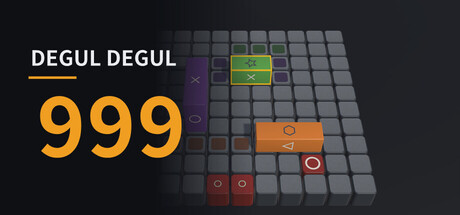 DEGUL DEGUL 999 In-game content arttext | Some of the artwork for this game was created with generative AI image tools and then edited by hand: the store page capsule images, the application icon, the studio logo, and the lobby board art.
The store text was written in Korean and translated into the other six supported languages with the help of AI.
The gameplay visuals are rendered in Unity, and all 2,478 stages are hand-authored data whose solutions are verified by a solver. No generative AI runs while you are playing. | STUDIO ODD-I | - | Sep 10, 2026 | |
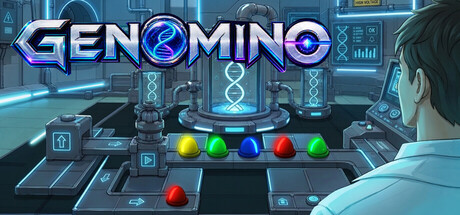 Genomino In-game content text | All supported languages are localized. English and Hungarian were translated manually, while all other languages were produced with AI assistance. | Nailed Games | - | Sep 10, 2026 | |
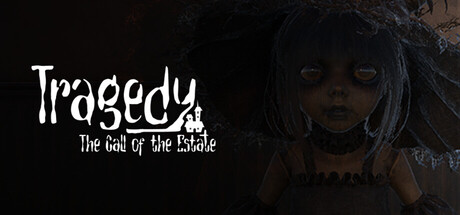 Tragedy : The Call of the Estate In-game content audioart | Pre-generated AI tools were used for in-game character voice dubbing (such as voicemails and phone calls) as well as textures for interior framed pictures and props. All assets have been thoroughly reviewed to ensure there are no copyright infringements or unlawful elements. | HighRavel | - | Sep 10, 2026 | |
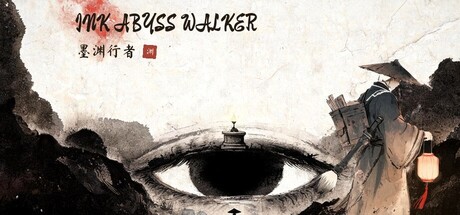 墨渊行者 INK ABYSS WALKER Dev only arttext | INK ABYSS WALKER was crafted by a single indie developer. During development, AI tools were used as an assist to produce quick, early drafts of some illustrations and text — helping an ink-soaked idea take shape as images and words more efficiently. The core gameplay, worldbuilding, card and number balance, narrative, and overall tone, however, were all led, iterated and finalised by hand by the developer. AI is a tool that helps an idea move faster — not the author of it. Everything you see was selected, refined and re-crafted by a person, to keep faith with the game's ink-wash spirit. Thank you to every walker who carries the lamp onward. | YukiMio Studio | - | Sep 10, 2026 | |
 MaskloZoophic Sessions Dev only code | The games code is made by AI, but everything else is made by the creator (story, models, design, animations, some textures and other stuff) and some assets are made by real people NOT AI (credits are in the end of the game) | Fabian Martinez | - | Sep 10, 2026 | |
 Azalea In-game content art | This game uses generative AI tools in the creation of artwork. This includes store page capsule images and logos, some in-game image assets, and marketing and Steam Community materials. All AI-generated output is reviewed internally before use. No content is generated by AI during gameplay. | RedGinkgo Games | - | Sep 10, 2026 | |
 Dreamland Pavilion In-game content artaudio | UI assisted modification of a few textures;
Created some sound effects using the UI; | 危途旅行团TravellersOnHazard | - | Sep 10, 2026 | |
 Game Market Mayhem In-game content art | As this game was developed by a single developer, AI was used to a minimal extent in the creation of some visual assets. | Poisonic Studio | - | Sep 10, 2026 | |
 Realm of Five Spirits In-game content audioart | This game contains pre-rendered AI-generated content: some sound effects and store page artwork were created with generative AI tools, then reviewed and edited by the developer. No content is generated by AI in real time during gameplay. | QX START | - | Sep 10, 2026 | |
 Tidy Up! Retro Shop In-game content art | Some of the graphics used in the game were generated with the assistance of generative AI | Traum Axis | - | Sep 10, 2026 | |
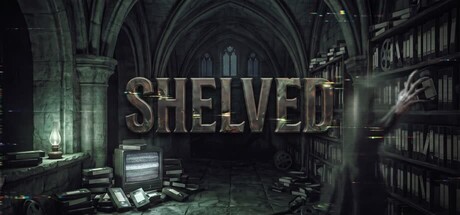 Shelved In-game content art | Generative AI tools (such as Gemini) were used during development to assist in creating graphic design elements for in-game parody VHS cover art and store page graphic assets. All AI-generated artwork was manually curated, edited, and formatted into final 3D texture maps for the game's assets. | Wet Toast Studio | - | Sep 10, 2026 | |
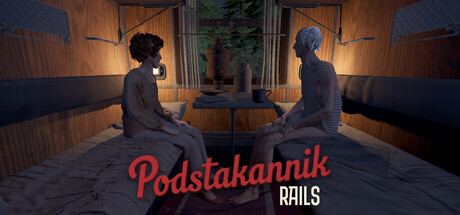 Podstakannik Rails In-game content textcode | Some of the text in this product was drafted with generative AI and then edited by the developer: parts of this store page description and some in-game text. Parts of the source code were also written with AI coding assistance and reviewed by hand.
The art, 3D models, animation and audio in this game are not AI-generated, and no generative AI runs while you play. | Bobeek Games | - | Sep 10, 2026 | |
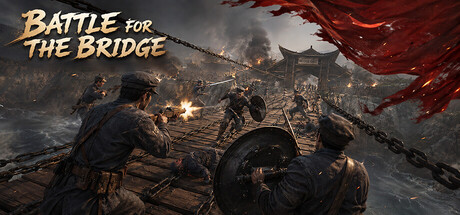 夺桥之战 In-game content artaudiotext | Generative AI was used during development to create some character, environment, and prop models, as well as music, sound effects, character voiceovers, and UI assets. These AI-generated assets were subsequently edited and refined by the development team before being integrated into the game. | 烩设计 | - | Sep 10, 2026 | |
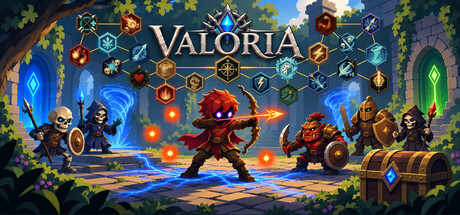 Valoria Store/marketing art | Generative AI tools were used during development to assist with the creation of a limited number of graphical assets and promotional materials. The selected content was reviewed, adapted, and integrated by the development team. The game does not use live-generated AI, and no content is generated while playing. | Shijou Dev | - | Sep 10, 2026 | |
 HitPsycho In-game content artaudio | Generating base images and materials for certain environmental textures (such as doors and labels), which are then manually edited, dithered, and color-crushed to fit the game's low-poly PSX aesthetic.
Generating video clips, audio, and visual concepts for the television broadcasts (like the in-game cooking shows) that play on CRT monitors throughout the world. | Retroboi64 | - | Sep 10, 2026 | |
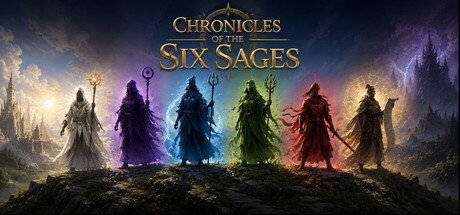 Chronicles of the Six Sages Store/marketing art | The only generative AI is inside of the store page, and in the logo of the game, everything else uses real assets by real artists | Golden Mouthed Studios | - | Sep 10, 2026 | |
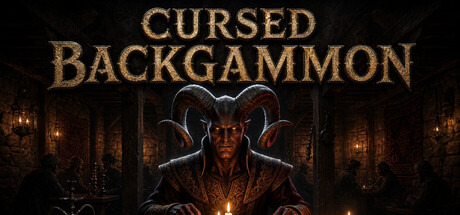 Cursed Backgammon In-game content artcode | We used generative AI tools during development in the following ways:
3D character models: The models for the supernatural guests (Nightmare, Goblin, Vampire, Devil), the merchant Djinn, and the trapped travelers were generated using AI tools (Meshy AI, with concept images from Google Gemini image models), then rigged, animated, retextured, lit, and integrated by hand in Unity.
Store artwork: The capsule key art was created with AI image generation tools and composed by hand.
Code: Portions of the game's source code were written with AI coding assistance and reviewed by the developer.
All AI-generated content was created by the developer using licensed tools, and all final assets were manually edited, integrated, and tested. No AI-generated content is produced live during gameplay — everything shipped in the game is pre-made and fixed. | Msadberk Games | - | Sep 10, 2026 | |
 LUMINA: Echoes of Astalia In-game content artaudio | This game uses AI-assisted tools during the development process to support the solo developer's workflow:
- 2D Art & Textures: Some background textures, UI elements, and concept art references were initially drafted using AI tools, followed by extensive manual repainting, editing, and refinement. All character designs, 3D models, are fully crafted and hand-painted by human artists. The story context is designed by myself.
- Audio: Certain background music tracks and ambient prototypes were generated with AI assistance. Character voice acting in story and core themes are produced by human creators.
No real-time (live-generated) AI is used during runtime. | Integrix Works | - | Sep 10, 2026 | |
 ClusterForce In-game content artaudio | Since I'm working on the game by oneself, I use AI for some 3D models and some instruments (synthesizers, pads) in the music tracks. | Team ClusterForce | - | Sep 10, 2026 | |
 TOKYO WANTED In-game content arttext | Parts of the artwork were created with generative AI tools and then retouched by hand: several background illustrations, the title logo, and the store page capsule images.
Text outside Japanese — the in-game English and the store page translations — was produced with the help of AI.
Nothing is generated by AI while the game is running. | STUDIO FRONTIER | - | Sep 10, 2026 | |
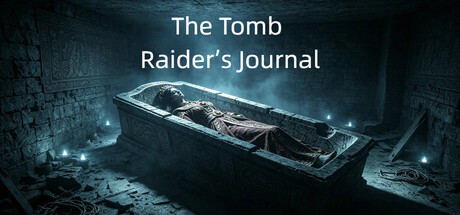 The Tomb Raider’s Journal Store/marketing art | The game executable and in‑game assets contain no AI‑generated content. AI‑generated material is limited exclusively to the store page capsule artwork used on Steam. | XTGame | - | Sep 10, 2026 | |
 BackroomsVR:Zero Unclear artaudio | Some visuals and audio were generated using AI. | Unbridled Moon | - | Sep 10, 2026 | |
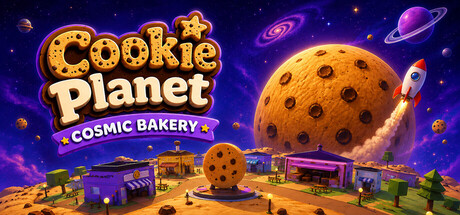 cookie planet: cosmic bakery Unclear | it was created with AI assistance | Luka Yeaman | - | Sep 10, 2026 | |
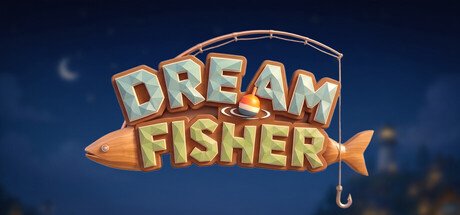 DreamFisher In-game content art | 이 게임의 일부 아트 에셋(물고기 등 3D 모델, 로고, 일부 UI)은 생성형 AI 도구의 도움을 받아 제작, 가공 했습니다. 음악은 로열티 프리 음원을 사용했습니다. | KGNF | - | Sep 10, 2026 | |
 Red Timewarp: Beyond Reality Unclear audiotext | During our creative processes, we may use modern digital tools that include AI-based features to assist with content creation, such as language translation or voice acting. This helps us stay innovative without losing sight of what makes our games truly unique, while ensuring the final product preserves the distinctive style and quality our development team strives for. | Magic Pixel Kft. | - | Sep 10, 2026 | |
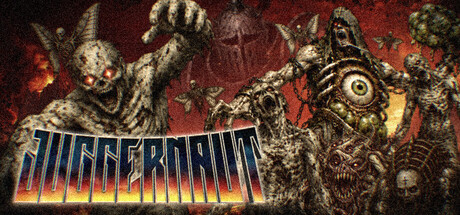 Juggernaut Unclear codeartaudio | AI Breakdown
Source code: 100%
Graphics: 60%
Sound: 50%
Effects: 100% | MAGES. Inc. | - | Sep 10, 2026 | |
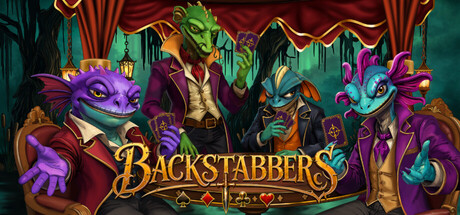 Backstabbers In-game content audio | Generative AI tools were used during development to assist in the creation and refinement of some music and sound effects. | RedCollar Studio | - | Sep 10, 2026 | |
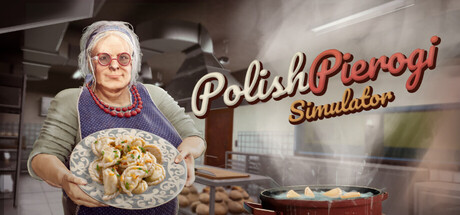 Polish Pierogi In-game content textaudioart | AI was used for some translations, music, and visual assets. The game does not create AI-generated content during gameplay, and AI was not used to write the game’s code. | Babuszka Games | - | Sep 10, 2026 | |
 Yu-Gi-Oh! Tag Force GX In-game content text | Generative AI was used as a supplementary tool in the translation process for certain system languages in this title.
AI was utilized to help improve translation efficiency and quality. However, all final translations are reviewed and edited by the development team before being implemented.
All translated text is reviewed by human editors to ensure it is accurate, appropriate, and of high quality. | Matrix Corporation | - | Sep 10, 2026 | |
 PotionsTidy Dev only code | I started this project completely from scratch and have spent a lot of time developing and refining it.
Claude Code AI was used to help me with certain tasks, such as implementing the save system, menus, and scoring system. However, the AI did not build the game for me. I was responsible for the overall development, design, integration, testing, debugging, and all the decisions made throughout the project.
The entire project was developed in Unreal Engine 5.8, primarily using C++ with a few Blueprints.
Despite what you may sometimes hear, using AI does not mean that the work is done for you. It can be a useful tool, but you still need to understand what you are doing, integrate the code into your project, fix issues, test everything, and spend many hours making the final result work properly. | Olivier RAYON | - | Sep 9, 2026 | |
 FPV Sky - Drone Simulator art | Store promotional art and some in‑game model and texture assets are created using generative AI. | TLSoul | - | Sep 9, 2026 | |
 Solar Imperium In-game content artaudiotext | AI tools were used to help create some in game assets. In all such cases, the final product reflects our team’s craft and creative vision. | Node One Digital | - | Sep 9, 2026 | |
 Croak Party In-game content art | Generative AI tools were used to create store graphical assets, promotional images, capsule artwork, and in-game card visual assets. AI was not used to generate live in-game content. | Nullspect Games | - | Sep 9, 2026 | |
 Golazo Store/marketing art | You used ChatGPT-generated images for the logo, menu backgrounds and store capsules. | Softlookup | - | Sep 9, 2026 | |
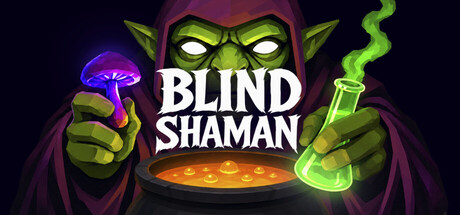 Blind Shaman Store/marketing art | AI-assisted tools were used in the creation and refinement of the Steam page capsule artwork, as well as for selected UI elements. | Nightforge Games | - | Sep 9, 2026 | |
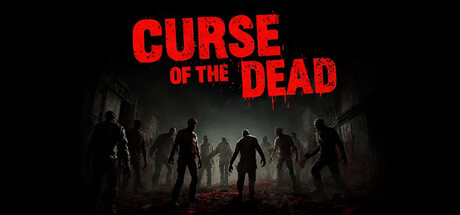 Curse of the Dead Store/marketing art | AI has been used to help develop the game's cover art. | Hard Shark Games | - | Sep 9, 2026 | |
 SPEARHEAD In-game content artaudio | Some game assets — including weapon/UI icons, character voice lines, and key art — were created with the
assistance of generative AI tools. All AI-generated content was reviewed and edited by the development team. | greenlightstudio | - | Sep 9, 2026 | |
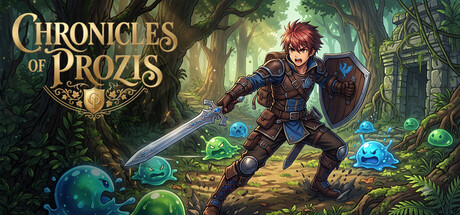 Chronicles of Prozis In-game content arttext | Artificial intelligence was used to generate artwork for the game's Steam page and the game's logo, as well as to translate and improve the game's dialogue. No AI-generated artwork was used in the game itself. | DGIANN Games | - | Sep 9, 2026 | |
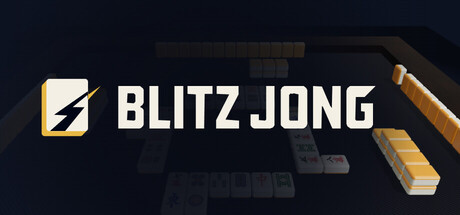 Blitz Jong In-game content artaudio | Blitz Jong uses generative AI for part of its art and audio: the selectable player avatars, the home screen key art, the background music, animations, and some of the optional voice packs for call announcements. | MarcoHard LLC | - | Sep 9, 2026 | |
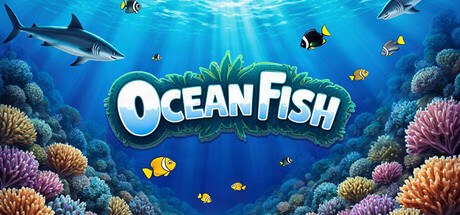 Ocean Fish Store/marketing art | AI has been used to help develop the game's cover art. | Hard Shark Games | - | Sep 9, 2026 | |
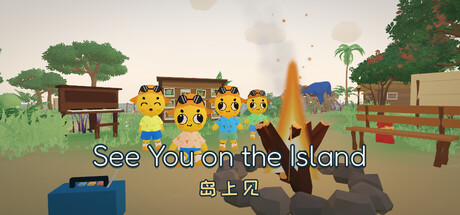 See You on the Island Store/marketing codetext | Program code, UI text, the thirteen-language interface localization and store page copy were produced with the assistance of generative AI tools. The character model was hand-made by a 3D artist; environment models, music and sound effects come from credited human authors and licensed asset packs; all screenshots and promotional images are rendered in-engine. No AI-generated imagery or audio is included. | Boatboat Games | - | Sep 9, 2026 | |
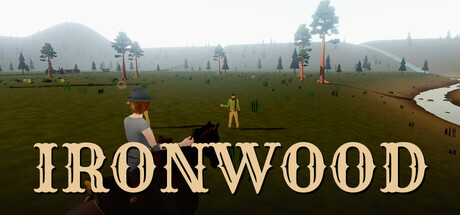 IRONWOOD In-game content artaudiotext | 3D character and prop models, their textures, and pre-rendered cutscene video clips were created with generative AI tools. Character voice lines were synthesized with AI text-to-speech. Dialogue and story text were written with AI assistance. All AI-generated content is pre-rendered; nothing is generated during gameplay. | GameQ Labs | - | Sep 9, 2026 | |
 Alone in the Blizzard Store/marketing art | AI has been used to help develop the game's cover art. | Hard Shark Games | - | Sep 9, 2026 | |
 Realm & Renown In-game content arttext | Some graphics, illustrations, and text used in the game were pre-generated with the help of generative AI during development and were subsequently reviewed, selected, and edited by the developer. No content is generated by AI during gameplay. | Apokus | - | Sep 9, 2026 | |
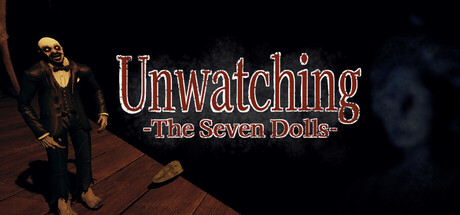 Unwatching -The Seven Dolls- In-game content art | Generative AI is used to create some of the 3D model assets in this game. | Makishiba Games | - | Sep 9, 2026 | |
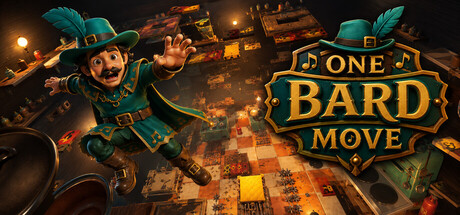 One Bard Move In-game content artaudiotext | Generative AI tools were used to assist in the creation of some pre-generated visual assets, character elements, voice-over, music, localization and promotional text. Some of these assets were further edited and refined by the developer before being included in the final game. | Syserino | - | Sep 9, 2026 | |
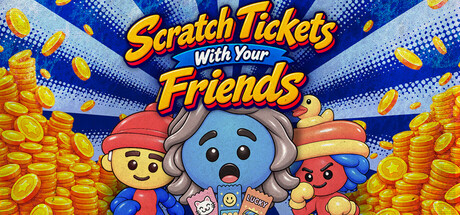 Scratch Tickets With Your Friends 🎰 Dev only art | All final visuals of the game are created and finalized by our art team. AI-assisted tools are used only during the early concept and ideation stages. All visual assets in the final version are manually created, refined, and finalized by our artists. | Yet Another Publisher | - | Sep 9, 2026 |


