Public Steam disclosure research25,497 disclosures tracked
Where do games disclose AI use?
Search developers’ Steam disclosures, compare classified AI use across
games, and follow recorded changes.
This index adds cross-game classifications and statistics to
statements published on individual store pages.
Groups reflect automatic analysis of public disclosures; mature records are excluded. These counts do not measure AI use across all of Steam.
Missing or unclear statements cannot establish whether a game uses AI.
Some development and marketing materials may have been assisted by generative AI during pre-production (concept exploration, references, and drafts). The game does not generate content in real time during gameplay.
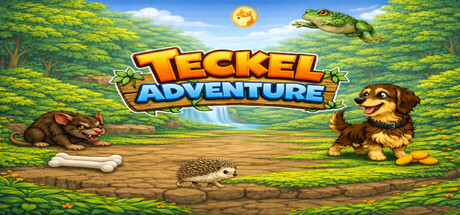
Some promotional or artistic visual assets in Teckel Adventure were initially generated with the help of AI tools and then edited or integrated by the developer.
No content is generated by AI during gameplay. All gameplay systems and interactive content are fully predefined.
Some in-game icons originated as AI-generated concept drafts and were subsequently heavily modified, refined, and finalized by the developer before being included in the final game.
This game uses generative artificial intelligence to power dynamic NPC dialogue during gameplay. NPCs can respond to player input using AI-generated text, creating unique conversations.
AI tools were also used during development to assist with creating certain assets such as character concepts and dialogue. All generated content is reviewed and integrated by the developer.
The game may connect to external AI services to generate dialogue responses during gameplay.
AI-generated responses are moderated and filtered to prevent inappropriate or harmful content.
Some pre-generated content in the game and store materials was created with the assistance of generative AI during development. All final content was reviewed, edited, and integrated by the developer. The game does not use live-generated AI during gameplay
This game utilizes generative AI tools to assist in the development process.
Illustrations: AI generation tools (such as Midjourney) were used to create and refine certain 2D graphic assets, including character illustrations and UI elements.
Dialogue: Text-generation AI models were utilized as assistive tools to draft and polish character dialogue and in-game scripts.
All AI-generated content has been heavily edited and directed by the developer to fit the game's original vision and world.
Some temporary art and sound assets were created with the assistance of AI. These are placeholder assets used to help prototype the game and will be replaced with original content in future updates.
Mystic Grove uses generative AI in a limited supporting role for certain pre-rendered content, including music and some 2D visual assets such as skill images, spec node images, and related artwork. The core game itself — including gameplay systems, programming, combat, level design, map creation, and overall development — is solely created by the developer. Mystic Grove does not use live-generated AI content during gameplay.
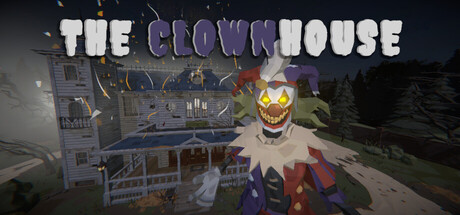
Some scripts, documentation, and marketing texts in The Clownhouse were created with the assistance of AI-based tools. All AI-generated content has been reviewed, edited, and approved by the development team to ensure quality and consistency with the game's vision.
No AI-generated art, sound, music, or voice acting is used in this game. All visual assets, audio, and core creative content were made by humans.
Artificial Intelligence tools (LLMs) were used strictly and exclusively to assist in the translation of interface texts and menus into multiple languages, allowing the game to be accessible to more people. Everything else in the game: art, 3D models, textures, sounds, music, game design, and programming, was 100% created by humans, with absolutely no AI generation.
I use AI tools to assist with code generation, brainstorming, and text proofreading during development. Additionally, generative AI is used to create some of the texture assets used in the game.
Some non-core gameplay code and development assistance were generated with the help of generative AI tools during development. All gameplay design, final implementation, and creative decisions were reviewed and integrated by the developer.
We use generative AI tools to create and enhance various in-game assets, including environmental textures and marketing materials such as store banners. This helps us achieve a higher level of visual detail and atmosphere in the game world.
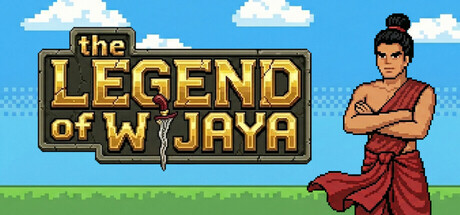
The Legend of Wijaya utilizes pre-generated AI tools strictly as an assistive foundation for a minor portion of background environmental assets and foundational music tracks. All AI-assisted content is heavily manually edited, polished, and arranged by the developer to ensure it strictly matches the handcrafted pixel-art aesthetic and historical tone of the game.
"Developed in Godot with a focus on precision and hand-crafted systems. To maintain absolute control over the game’s quality and vision, generative AI was used for less than 10% of development, limited strictly to early-stage conceptual ideation for visual assets. Every final in-game asset has been manually hand-drawn, and 100% of the game’s code—including the massive 3,000+ line player controller—is hand-written. This ensures the tight, responsive gameplay essential for a high-stakes Metoridvania."
The store promotional images were generated using AI with manual modifications. Some in-game upgrade icons were generated using AI and then manually refined. Most of the game's multilingual translations were created using AI.
We use AI tools as a support system for our small development team to enhance the quality and balance of the game. Specifically:
Balancing & Math: We use AI to help calculate and balance the game ecosystem (drop rates, damage scaling, and economy).
Concepting: AI is used to generate reference images and mood boards to inspire our artists. The final in-game visual assets are hand-crafted or manually refined based on these concepts.
Drafting: AI assists in drafting initial marketing copy and lore structures, which are then finalized by our writers.
Our core development is currently taking place in Unreal Engine 5.7. We are utilizing its full suite of tools, including the new AI features that assist us with Blueprint scripting and setting up cinematics in the Movie Render Queue.
Overall, we treat AI strictly as an assistive tool rather than relying on it to fully generate assets from scratch. Since our game is deeply rooted in folklore, it demands highly specific characteristics and a precise visual identity for the characters, which AI alone cannot accurately reproduce.
We use generative AI tools to enhance the visual quality of our in-game cutscenes and to create some of the marketing assets featured on our Steam store page. All AI-generated content has been carefully curated and edited by our development team to ensure it meets our creative standards and respects all legal requirements.
This game uses generative artificial intelligence tools as support in certain creative processes, including visual and/or production elements.
All final content has been supervised, edited, and directed by the developer to ensure artistic and narrative coherence.
Some development and marketing materials may have been assisted by generative AI during pre-production (concept exploration, references, and drafts). The game does not generate content in real time during gameplay.
Some promotional or artistic visual assets in Teckel Adventure were initially generated with the help of AI tools and then edited or integrated by the developer.
No content is generated by AI during gameplay. All gameplay systems and interactive content are fully predefined.
Some in-game icons originated as AI-generated concept drafts and were subsequently heavily modified, refined, and finalized by the developer before being included in the final game.
This game uses generative artificial intelligence to power dynamic NPC dialogue during gameplay. NPCs can respond to player input using AI-generated text, creating unique conversations.
AI tools were also used during development to assist with creating certain assets such as character concepts and dialogue. All generated content is reviewed and integrated by the developer.
The game may connect to external AI services to generate dialogue responses during gameplay.
AI-generated responses are moderated and filtered to prevent inappropriate or harmful content.
Some pre-generated content in the game and store materials was created with the assistance of generative AI during development. All final content was reviewed, edited, and integrated by the developer. The game does not use live-generated AI during gameplay
This game utilizes generative AI tools to assist in the development process.
Illustrations: AI generation tools (such as Midjourney) were used to create and refine certain 2D graphic assets, including character illustrations and UI elements.
Dialogue: Text-generation AI models were utilized as assistive tools to draft and polish character dialogue and in-game scripts.
All AI-generated content has been heavily edited and directed by the developer to fit the game's original vision and world.
Some temporary art and sound assets were created with the assistance of AI. These are placeholder assets used to help prototype the game and will be replaced with original content in future updates.
Mystic Grove uses generative AI in a limited supporting role for certain pre-rendered content, including music and some 2D visual assets such as skill images, spec node images, and related artwork. The core game itself — including gameplay systems, programming, combat, level design, map creation, and overall development — is solely created by the developer. Mystic Grove does not use live-generated AI content during gameplay.
Some scripts, documentation, and marketing texts in The Clownhouse were created with the assistance of AI-based tools. All AI-generated content has been reviewed, edited, and approved by the development team to ensure quality and consistency with the game's vision.
No AI-generated art, sound, music, or voice acting is used in this game. All visual assets, audio, and core creative content were made by humans.
Artificial Intelligence tools (LLMs) were used strictly and exclusively to assist in the translation of interface texts and menus into multiple languages, allowing the game to be accessible to more people. Everything else in the game: art, 3D models, textures, sounds, music, game design, and programming, was 100% created by humans, with absolutely no AI generation.
I use AI tools to assist with code generation, brainstorming, and text proofreading during development. Additionally, generative AI is used to create some of the texture assets used in the game.
Some non-core gameplay code and development assistance were generated with the help of generative AI tools during development. All gameplay design, final implementation, and creative decisions were reviewed and integrated by the developer.
We use generative AI tools to create and enhance various in-game assets, including environmental textures and marketing materials such as store banners. This helps us achieve a higher level of visual detail and atmosphere in the game world.
The Legend of Wijaya utilizes pre-generated AI tools strictly as an assistive foundation for a minor portion of background environmental assets and foundational music tracks. All AI-assisted content is heavily manually edited, polished, and arranged by the developer to ensure it strictly matches the handcrafted pixel-art aesthetic and historical tone of the game.
"Developed in Godot with a focus on precision and hand-crafted systems. To maintain absolute control over the game’s quality and vision, generative AI was used for less than 10% of development, limited strictly to early-stage conceptual ideation for visual assets. Every final in-game asset has been manually hand-drawn, and 100% of the game’s code—including the massive 3,000+ line player controller—is hand-written. This ensures the tight, responsive gameplay essential for a high-stakes Metoridvania."
The store promotional images were generated using AI with manual modifications. Some in-game upgrade icons were generated using AI and then manually refined. Most of the game's multilingual translations were created using AI.
We use AI tools as a support system for our small development team to enhance the quality and balance of the game. Specifically:
Balancing & Math: We use AI to help calculate and balance the game ecosystem (drop rates, damage scaling, and economy).
Concepting: AI is used to generate reference images and mood boards to inspire our artists. The final in-game visual assets are hand-crafted or manually refined based on these concepts.
Drafting: AI assists in drafting initial marketing copy and lore structures, which are then finalized by our writers.
Our core development is currently taking place in Unreal Engine 5.7. We are utilizing its full suite of tools, including the new AI features that assist us with Blueprint scripting and setting up cinematics in the Movie Render Queue.
Overall, we treat AI strictly as an assistive tool rather than relying on it to fully generate assets from scratch. Since our game is deeply rooted in folklore, it demands highly specific characteristics and a precise visual identity for the characters, which AI alone cannot accurately reproduce.
We use generative AI tools to enhance the visual quality of our in-game cutscenes and to create some of the marketing assets featured on our Steam store page. All AI-generated content has been carefully curated and edited by our development team to ensure it meets our creative standards and respects all legal requirements.
This game uses generative artificial intelligence tools as support in certain creative processes, including visual and/or production elements.
All final content has been supervised, edited, and directed by the developer to ensure artistic and narrative coherence.