Public Steam disclosure research25,497 disclosures tracked
Where do games disclose AI use?
Search developers’ Steam disclosures, compare classified AI use across
games, and follow recorded changes.
This index adds cross-game classifications and statistics to
statements published on individual store pages.
Groups reflect automatic analysis of public disclosures; mature records are excluded. These counts do not measure AI use across all of Steam.
Missing or unclear statements cannot establish whether a game uses AI.
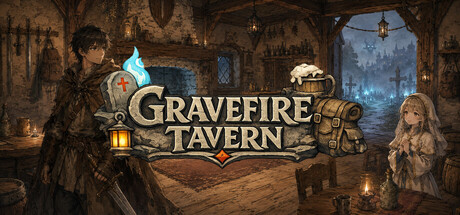
This game contains pre-generated 2D artwork and source code created with ChatGPT during development. All game source code was generated with ChatGPT, then reviewed, tested, debugged, and integrated by the developer. The artwork was generated from original prompts written for Gravefire Tavern, then reviewed, selected, edited, composited, cropped, and integrated by the developer. No generative AI runs during gameplay, and no player input is sent to an AI service.
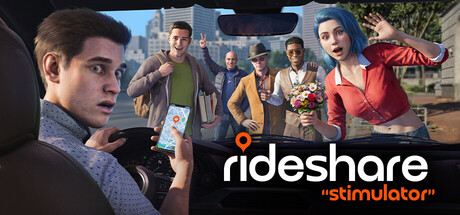
The main Campaign story, characters, and dialogue are written by a team of human writers. AI tools are used for voice generation and some localization.
The optional Free Ride mode includes AI-generated passenger missions and localized dialogue. Free Ride mode is separate from the main Campaign and can be skipped by players who prefer to experience only human-written narrative content.
The game also includes a mix of radio stations featuring human-made music and AI-generated music. Stations containing AI-generated music are clearly labeled as such in the game.
Generative AI tools were used during the development of this game and in the creation of some of its visual, audio, and technical content.
AI was used to create and refine the background, logo, and related visual elements.
AI-assisted tools were used to create and prepare some of the sound effects.
AI-powered coding tools were used for code generation, autocomplete, and development assistance.
AI-generated designs were selected, edited, and enhanced for use in some of the game's visual content.
Some visuals were selected from AI-generated designs and subsequently enhanced and upscaled.
All AI-generated or AI-assisted content was reviewed, selected, edited, and adapted by the developer before being used in the game.
This game uses an open-source language model (Qwen2.5) bundled with the game to generate real-time NPC dialogue and ambient chatter entirely offline on the player's own machine via llama.cpp. No external server, no third-party API, and no internet connection are required. Players can toggle this feature on or off. The model runs locally using the player's CPU — no data is uploaded, collected, stored, or used for training.
Generative AI is used to assist with research or as rough internal placeholders. No AI-generated art, animation, music, text, or in-game live generation is used. All game content is created, shaped, reviewed, and approved by our team.
Generative AI was used to create artwork, and some sound effects. All generated content was tested automatically and reviewed by human.
Background Music, and some sound effects are licensed from third-party libraries and are not AI-generated.
No AI content is generated during gameplay. The game does not connect to an external AI service during gameplay, and all shipped content is finalized and static.
This game may include content created with the assistance of generative artificial intelligence, including artwork, music, sound, narrative, or other assets. The use of generative AI may change over the course of development and future updates, including the introduction of further AI-generated content.
This game utilized generative AI tools during development to assist with the following aspects:
Generation and optimization of certain code snippets;
Creation and processing of some sound effects;
Machine translation and localization assistance for in-game text and UI strings.
Important note: All visual art assets in the game (including characters, environments, props, UI elements, icons, animations, etc.) are exclusively created by human artists and were not generated by any AI tools.
All AI-generated content (code, sound, translation) has been manually reviewed, revised, and tested to ensure quality, stylistic consistency, and compliance with applicable regulations. AI is not used for real-time generation of player-facing content; all released content is finalized prior to launch.
This game uses generative AI to assist with some translations. All AI-assisted translations were reviewed, edited, and approved by the developer before being included in the game.
The text on this game's Steam store page was drafted with the help of generative AI and then edited by the developer. All in-game art, models, sounds and the game's logo are made by hand. No AI-generated content is produced while the game is running.
Artificial intelligence was used to assist with interface localization and adaptation of in-game textures.
There was a time when people used Google Translate, and terrible localization for many languages was common. Times have changed, progress does not stand still. Today, new and more advanced tools have emerged, and people now use them instead of outdated ones.
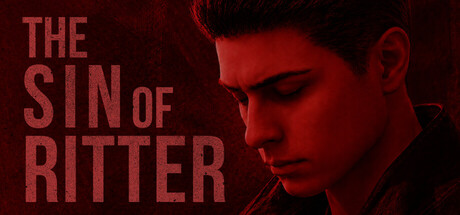
During the development of The Sin of Ritter, generative AI tools were used as support in the content creation process. These tools assisted with the production of voice acting in different languages, the translation and localization of the game's text, as well as the creation of some textures used in the composition of the environments.
This game uses a few assets purchased from FAB which may or may not contain AI-generated content. I have personally done my best to scrub AI out of those few purchased assets. There are also two images and two short instrumentals, and that's it.
We integrate artificial intelligence solely as a creative assistance tool during pre-production and artistic exploration phases.
Specifically, we use image generators to produce preliminary concept art, explore different visual directions, and accelerate iteration on our graphic ideas.
AI serves only as a source of inspiration, while the entire final content is fully created, curated, and refined by our human team.
Generated images are never used as-is in the final product.
Every visual element in the game (textures, characters, environments, illustrations, etc.) is recreated, retouched, painted, recomposed, or manually validated by our artists to ensure:
originality of the content,
respect for copyright,
artistic consistency,
and compliance with Steam/Valve guidelines.
AI does not contribute to the generation of final assets, 3D models, animations, sounds, or any other elements directly integrated into the game.
Its role is strictly limited to providing visual references, aesthetic guidance, and starting points to help our team work more efficiently.
This approach allows us to maintain a strong and authentic artistic identity while benefiting from a more fluid, inspiring, and innovative creation process — directly reflected in the quality, coherence, and originality of our game.
We use AI as a technical tool to support our human developers. While all of our 3D game models, environments, and core game art are hand-crafted by our artists, we use AI to assist with 2D rendering and localization. For 2D promotional art, AI is used to composite, light, and polish images based strictly on our original in-game assets. We also utilize AI-assisted translation pipelines to help localize our massive world into multiple languages for our global community.
Yayoi Kaihatsu, the developer, takes full responsibility for the use of generative AI in this work.
If any issues arise regarding the use of generative AI in this work, please contact the representative of Yayoi Kaihatsu via the Steam Community or other channels.
Generative AI is used in this work according to the following policy:
・Code generation and tool operations related to game development
・Translation of text used on the store page and in-game (original source is Japanese)
Generative AI was used to translate some in-game text, such as the interface and the contents of letters, and to generate some of the music used in the game.
I have used generative AI tools to assist in the creation of the character Elara's artwork for the capsule and for the in-game voiceover. All other aspects of the game are entirely handmade. No generative AI is used during gameplay.
AI tools were used as part of the game's visual production and post-production workflow.
The game's 3D assets, environments, characters, animations, and scenes are created and rendered by the developer. AI is primarily used to upscale lower-resolution renders to higher resolutions, helping reduce rendering time while maintaining the desired visual quality.
In some cinematic sequences, AI-assisted tools are also used as part of the production process. Additionally, AI may be used for certain visual corrections, modifications, or minor fixes to rendered images instead of re-rendering an entire scene.
AI is therefore used as a supporting tool in the development and post-production process, while the overall artistic direction, 3D production, scene creation, rendering, and final implementation are handled by the developer.
Generative AI tools were used to assist in creating select 2D artwork for this game illustrations for collectible cards, artwork for the card battle/arena scene, and the game's logo and store capsule art. All AI-assisted artwork was selected, edited, and finalized by the development team before inclusion. Generative AI was not used to create the 3D open-world environment, or other gameplay systems/mechanics. This is for the demo build, and some or all AI-assisted art may be replaced with original human-made artwork in the full release.
This game uses generative AI for some of its assets, specifically: character art and scene backgrounds, UI icons, the main menu motion visual, and part of the soundtrack. All story text is written by the developer; AI was used only for formatting and validation. Every AI-generated asset was manually reviewed, edited, and integrated before shipping.
A solo dev made this game. Some of the art was created or refined with AI tools; the design, code, UI, music (using fruit loops), writing, and everything the game actually does are hand-built.
This game uses generative AI in two ways.
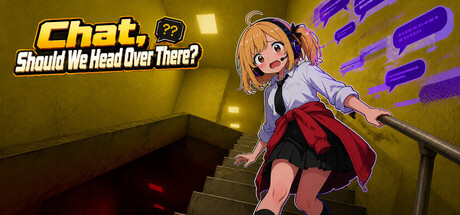
Live-generated: The streamer character "Sia" reacts to the messages you type in real time. Her lines are generated during play by a large language model through an external AI service, so they are not pre-written. If the service is unavailable, the game falls back to pre-written lines and remains fully playable.
Pre-rendered: Some in-game artwork (item icons, character and creature sprites, textures) and some sound effects were produced with AI generation tools and then edited by the developer before shipping.
"Generative AI tools were used during development to assist in creating a portion of the art, background assets, and UI icons. All AI-generated content was reviewed and manually refined by our team."
AI-assisted tools were used during development to help create and refine some visual assets, text, and audio content. All AI-assisted content was reviewed, edited, and curated by the developer before being included in the game. The game does not generate AI content dynamically during gameplay.
AI tools were used during development solely to assist with coding, including identifying and fixing bugs and making minor code corrections and improvements. AI does not generate any content for players during gameplay.
We used AI tools (such as ChatGPT) to assist with game descriptions, promotional materials, and conceptual design. No AI is used in real-time gameplay or for generating assets during gameplay. All in-game content is manually crafted or pre-created.
Generative AI was used during development to assist with editing and reviewing some narrative text and with localization. AI-assisted text was reviewed and edited manually by the developer before being included in the game. No AI-generated content is created live during gameplay.
AI tools were used during development to assist with the creation of certain 2D visual assets. Specifically, AI was used to generate some images used on the Steam store page and to assist in creating character portrait artwork used in the game. These AI-generated assets were reviewed and incorporated into the final game by the development team.
AI was utilized as a supplementary tool for the creation of some art and promotional imagery. The core game experience is entirely hand-crafted using the Godot engine with original and licensed assets. All AI-generated marketing materials underwent human curation and post-processing to ensure visual consistency with the actual gameplay and compliance with platform guidelines.
During development, generative AI was used to create initial drafts for some in-game 2D icons, which were then manually retouched. Generative AI was also used to remix original melodies composed and whistled by the developer into background music.
This game contains pre-generated 2D artwork and source code created with ChatGPT during development. All game source code was generated with ChatGPT, then reviewed, tested, debugged, and integrated by the developer. The artwork was generated from original prompts written for Gravefire Tavern, then reviewed, selected, edited, composited, cropped, and integrated by the developer. No generative AI runs during gameplay, and no player input is sent to an AI service.
The main Campaign story, characters, and dialogue are written by a team of human writers. AI tools are used for voice generation and some localization.
The optional Free Ride mode includes AI-generated passenger missions and localized dialogue. Free Ride mode is separate from the main Campaign and can be skipped by players who prefer to experience only human-written narrative content.
The game also includes a mix of radio stations featuring human-made music and AI-generated music. Stations containing AI-generated music are clearly labeled as such in the game.
Generative AI tools were used during the development of this game and in the creation of some of its visual, audio, and technical content.
AI was used to create and refine the background, logo, and related visual elements.
AI-assisted tools were used to create and prepare some of the sound effects.
AI-powered coding tools were used for code generation, autocomplete, and development assistance.
AI-generated designs were selected, edited, and enhanced for use in some of the game's visual content.
Some visuals were selected from AI-generated designs and subsequently enhanced and upscaled.
All AI-generated or AI-assisted content was reviewed, selected, edited, and adapted by the developer before being used in the game.
This game uses an open-source language model (Qwen2.5) bundled with the game to generate real-time NPC dialogue and ambient chatter entirely offline on the player's own machine via llama.cpp. No external server, no third-party API, and no internet connection are required. Players can toggle this feature on or off. The model runs locally using the player's CPU — no data is uploaded, collected, stored, or used for training.
Generative AI is used to assist with research or as rough internal placeholders. No AI-generated art, animation, music, text, or in-game live generation is used. All game content is created, shaped, reviewed, and approved by our team.
Generative AI was used to create artwork, and some sound effects. All generated content was tested automatically and reviewed by human.
Background Music, and some sound effects are licensed from third-party libraries and are not AI-generated.
No AI content is generated during gameplay. The game does not connect to an external AI service during gameplay, and all shipped content is finalized and static.
This game may include content created with the assistance of generative artificial intelligence, including artwork, music, sound, narrative, or other assets. The use of generative AI may change over the course of development and future updates, including the introduction of further AI-generated content.
This game utilized generative AI tools during development to assist with the following aspects:
Generation and optimization of certain code snippets;
Creation and processing of some sound effects;
Machine translation and localization assistance for in-game text and UI strings.
Important note: All visual art assets in the game (including characters, environments, props, UI elements, icons, animations, etc.) are exclusively created by human artists and were not generated by any AI tools.
All AI-generated content (code, sound, translation) has been manually reviewed, revised, and tested to ensure quality, stylistic consistency, and compliance with applicable regulations. AI is not used for real-time generation of player-facing content; all released content is finalized prior to launch.
This game uses generative AI to assist with some translations. All AI-assisted translations were reviewed, edited, and approved by the developer before being included in the game.
The text on this game's Steam store page was drafted with the help of generative AI and then edited by the developer. All in-game art, models, sounds and the game's logo are made by hand. No AI-generated content is produced while the game is running.
Artificial intelligence was used to assist with interface localization and adaptation of in-game textures.
There was a time when people used Google Translate, and terrible localization for many languages was common. Times have changed, progress does not stand still. Today, new and more advanced tools have emerged, and people now use them instead of outdated ones.
During the development of The Sin of Ritter, generative AI tools were used as support in the content creation process. These tools assisted with the production of voice acting in different languages, the translation and localization of the game's text, as well as the creation of some textures used in the composition of the environments.
This game uses a few assets purchased from FAB which may or may not contain AI-generated content. I have personally done my best to scrub AI out of those few purchased assets. There are also two images and two short instrumentals, and that's it.
We integrate artificial intelligence solely as a creative assistance tool during pre-production and artistic exploration phases.
Specifically, we use image generators to produce preliminary concept art, explore different visual directions, and accelerate iteration on our graphic ideas.
AI serves only as a source of inspiration, while the entire final content is fully created, curated, and refined by our human team.
Generated images are never used as-is in the final product.
Every visual element in the game (textures, characters, environments, illustrations, etc.) is recreated, retouched, painted, recomposed, or manually validated by our artists to ensure:
originality of the content,
respect for copyright,
artistic consistency,
and compliance with Steam/Valve guidelines.
AI does not contribute to the generation of final assets, 3D models, animations, sounds, or any other elements directly integrated into the game.
Its role is strictly limited to providing visual references, aesthetic guidance, and starting points to help our team work more efficiently.
This approach allows us to maintain a strong and authentic artistic identity while benefiting from a more fluid, inspiring, and innovative creation process — directly reflected in the quality, coherence, and originality of our game.
We use AI as a technical tool to support our human developers. While all of our 3D game models, environments, and core game art are hand-crafted by our artists, we use AI to assist with 2D rendering and localization. For 2D promotional art, AI is used to composite, light, and polish images based strictly on our original in-game assets. We also utilize AI-assisted translation pipelines to help localize our massive world into multiple languages for our global community.
Yayoi Kaihatsu, the developer, takes full responsibility for the use of generative AI in this work.
If any issues arise regarding the use of generative AI in this work, please contact the representative of Yayoi Kaihatsu via the Steam Community or other channels.
Generative AI is used in this work according to the following policy:
・Code generation and tool operations related to game development
・Translation of text used on the store page and in-game (original source is Japanese)
Generative AI was used to translate some in-game text, such as the interface and the contents of letters, and to generate some of the music used in the game.
I have used generative AI tools to assist in the creation of the character Elara's artwork for the capsule and for the in-game voiceover. All other aspects of the game are entirely handmade. No generative AI is used during gameplay.
AI tools were used as part of the game's visual production and post-production workflow.
The game's 3D assets, environments, characters, animations, and scenes are created and rendered by the developer. AI is primarily used to upscale lower-resolution renders to higher resolutions, helping reduce rendering time while maintaining the desired visual quality.
In some cinematic sequences, AI-assisted tools are also used as part of the production process. Additionally, AI may be used for certain visual corrections, modifications, or minor fixes to rendered images instead of re-rendering an entire scene.
AI is therefore used as a supporting tool in the development and post-production process, while the overall artistic direction, 3D production, scene creation, rendering, and final implementation are handled by the developer.
Generative AI tools were used to assist in creating select 2D artwork for this game illustrations for collectible cards, artwork for the card battle/arena scene, and the game's logo and store capsule art. All AI-assisted artwork was selected, edited, and finalized by the development team before inclusion. Generative AI was not used to create the 3D open-world environment, or other gameplay systems/mechanics. This is for the demo build, and some or all AI-assisted art may be replaced with original human-made artwork in the full release.
This game uses generative AI for some of its assets, specifically: character art and scene backgrounds, UI icons, the main menu motion visual, and part of the soundtrack. All story text is written by the developer; AI was used only for formatting and validation. Every AI-generated asset was manually reviewed, edited, and integrated before shipping.
A solo dev made this game. Some of the art was created or refined with AI tools; the design, code, UI, music (using fruit loops), writing, and everything the game actually does are hand-built.
This game uses generative AI in two ways.
Live-generated: The streamer character "Sia" reacts to the messages you type in real time. Her lines are generated during play by a large language model through an external AI service, so they are not pre-written. If the service is unavailable, the game falls back to pre-written lines and remains fully playable.
Pre-rendered: Some in-game artwork (item icons, character and creature sprites, textures) and some sound effects were produced with AI generation tools and then edited by the developer before shipping.
"Generative AI tools were used during development to assist in creating a portion of the art, background assets, and UI icons. All AI-generated content was reviewed and manually refined by our team."
AI-assisted tools were used during development to help create and refine some visual assets, text, and audio content. All AI-assisted content was reviewed, edited, and curated by the developer before being included in the game. The game does not generate AI content dynamically during gameplay.
AI tools were used during development solely to assist with coding, including identifying and fixing bugs and making minor code corrections and improvements. AI does not generate any content for players during gameplay.
We used AI tools (such as ChatGPT) to assist with game descriptions, promotional materials, and conceptual design. No AI is used in real-time gameplay or for generating assets during gameplay. All in-game content is manually crafted or pre-created.
Generative AI was used during development to assist with editing and reviewing some narrative text and with localization. AI-assisted text was reviewed and edited manually by the developer before being included in the game. No AI-generated content is created live during gameplay.
AI tools were used during development to assist with the creation of certain 2D visual assets. Specifically, AI was used to generate some images used on the Steam store page and to assist in creating character portrait artwork used in the game. These AI-generated assets were reviewed and incorporated into the final game by the development team.
AI was utilized as a supplementary tool for the creation of some art and promotional imagery. The core game experience is entirely hand-crafted using the Godot engine with original and licensed assets. All AI-generated marketing materials underwent human curation and post-processing to ensure visual consistency with the actual gameplay and compliance with platform guidelines.
During development, generative AI was used to create initial drafts for some in-game 2D icons, which were then manually retouched. Generative AI was also used to remix original melodies composed and whistled by the developer into background music.