Public Steam disclosure research25,508 disclosures tracked
Where do games disclose AI use?
Search developers’ Steam disclosures, compare classified AI use across
games, and follow recorded changes.
This index adds cross-game classifications and statistics to
statements published on individual store pages.
Groups reflect automatic analysis of public disclosures; mature records are excluded. These counts do not measure AI use across all of Steam.
Missing or unclear statements cannot establish whether a game uses AI.
Generative AI tools were used during development to assist with the creation and iteration of some 2D visual assets, UI elements, concept artwork, and selected audio assets. All AI-assisted content was reviewed, edited, and integrated by the developer. The game does not generate AI content during gameplay.
We are a small two-person studio. We apologize for using generative AI to assist with the translation and for any inaccuracies that may be present. We used it to make the game available in this language.
BattleDeck uses AI tools in the following areas:
Artwork, audio and as a development assistant during coding. All AI generated content has been reviewed and refined by the developer.
Some of the background music in Aquora was produced using a generative audio tool. Those tracks are placeholder. They are being replaced with commissioned
original music, and any remaining generated audio will be phased out of the game over time.
All visual art in Aquora is procedurally generated by the developer's own custom tooling, drawn from hand-authored colour palettes, explicit shape instructions
and seeded random number generation. No image generation model is involved at any point in the art pipeline, and no AI generated images appear in the game.
Generative AI tools were used during development to create portions of the game’s artwork,sound and localization. Each AI-assisted asset was reviewed, edited, palette-matched, and curated by the developer.
AI tools were used during development to help compose the soundtrack, draw the pixel art, and draft text (including localization and this store page), all under human direction — every piece was reviewed, curated, and approved by the developer. All content is fixed at build time; the game contains no live or runtime AI generation.
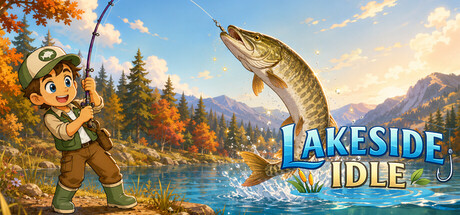
One More Fishing contains selected pre-generated content created or refined with generative AI tools during development. This includes selected in-game artwork and UI assets, selected Steam store and marketing artwork, audio assets such as music, ambience, sound effects and selected character voice lines, plus assistance with narrative and quest drafting and localization. All shipped content is selected, edited and integrated before release.
The game does not use live-generated AI. It does not contact generative AI services while running and does not send player prompts or player data to such services. At runtime it only loads, selects, animates, processes and mixes fixed content prepared before shipping.
Generative AI was used throughout nearly every aspect of this game's development and production. AI and a human developer formed an unholy union of sound and mind (a merge, if you will) to birth this production.
No generative AI runs during gameplay. Its contributions were created during development.
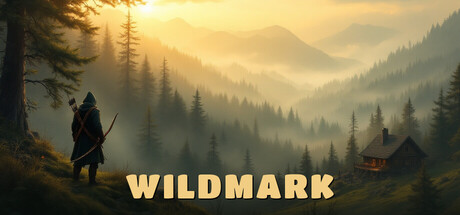
Wildmark was made by one person. The story and all of its dialogue are my own, written by me. But without a studio's budget to commission artists, composers, and voice actors, I used generative AI tools to help create much of what you see. Nothing ships as a raw, untouched generation: every asset was hand-directed, chosen, refined, and assembled to fit a single cohesive, hand-crafted style and world, and reviewed by me to make sure it belonged. In the end, what matters is whether the game is enjoyable and worth your time, not which tools helped build it.
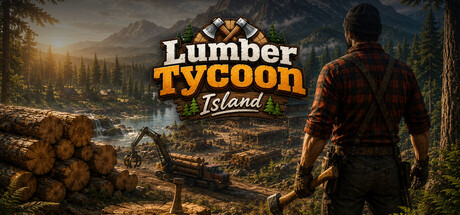
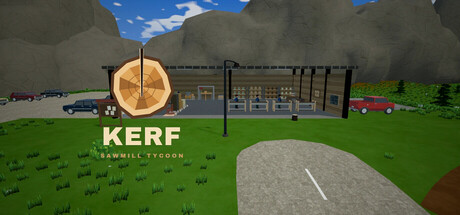
Kerf - Sawmill Tycoon was made almost entirely with AI tools. The developer directed the work, chose what went into the game and approved every result, but did not model, rig or write code by hand. What that means for the content that ships in the game:
- Code: written by an AI coding assistant.
- Characters: generated by an AI 3D tool from AI-generated reference images, then rigged and set up in the game by the AI assistant.
- Other 3D models: some came from an AI 3D tool - a vehicle and environment props such as rocks, mountains and bushes. The rest, including the valley, the buildings, the machines and the trees, were built in 3D software by the AI assistant writing scripts.
- Animation: all character animation was generated with an AI motion tool.
- Music: all of the in-game music was generated with an AI music tool.
- Sound: some sound effects were generated with an AI sound tool; the rest were sourced from sound libraries by the developer.
- Text: the in-game text was written with AI assistance, and the translations from English and Polish into the other 13 supported languages were made with AI.
Everything was reviewed and approved by the developer before release.
No content is generated by AI while the game is running. The Twitch integration only displays messages typed by real viewers.
Some visual assets were created with the help of generative AI and then hand-finished: the store capsule/key art and a short promotional video are AI-assisted, and a small set of in-game background and decoration art (tile textures, decals) started from AI-generated images that were manually edited and integrated. All game code, game design, writing and gameplay systems are human-made. Screenshots on this page show real gameplay. The game does not generate any content with AI at runtime.
Some visual assets in this demo are AI-generated placeholders, used temporarily due to budget constraints as a solo developer. These are planned to be replaced with final hand-crafted art before the game's full release.
This game includes optional local AI features:
Text Generation: A local language model periodically generates in-game short story events based on the player's typing activity.
Image Generation: A local image generation model may probabilistically generate illustrations for the corresponding story when a story event is triggered.
The AI features are purely an advanced option; whether you use them or not does not affect the core gameplay experience.
Generative AI tools were used as development assistants for portions of game code, UI text, localization, and the preparation of some store-page copy and marketing layouts. All results were reviewed and edited by the developer. No generative AI is used during gameplay, and the game does not connect to external AI services.
Some artwork used in Salty was created with the assistance of generative AI tools, including store page capsule art, marketing images, and certain in-game visual assets. All game design, code, systems, and gameplay are authored by the developer. No AI content is generated during gameplay.
This game uses generative AI for the following content. All of it was generated during development and shipped with the game; no content is generated at runtime.
- Music and sound effects (2 theme songs, in-game BGM, SFX): Suno
- Graphics (character art, backgrounds, event CGs, store page images): OpenAI
- Extra scenarios, concept and writing: OpenAI, Claude Code
- English text (translation of the main story and extras): Claude Code, OpenAI
- Game implementation (engine, game code): Claude Code
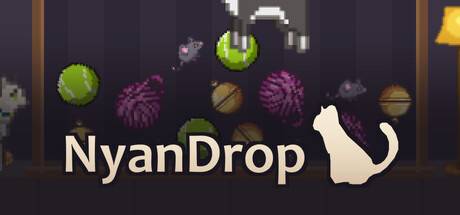
NyanDrop uses AI tools in parts of its development process, including the creation of some of the pixel artwork used in the game and on the store page, the sound effects and music, and the writing and translation of text shown in the game and on the store page. All such output is generated and reviewed in advance before being incorporated into the product, and no generative AI runs during gameplay.
Some store page artwork was created with the assistance of generative AI and manually reviewed and edited. All in-game content and gameplay systems are made by the developer.
Generative AI was used during pre-production to create early concept sketches, used purely as visual inspiration and reference. None of these initial AI-generated images appear in the final game, all art assets were subsequently created and replaced by the development team. Generative AI tools were also used to assist with writing portions of the game's code and with translating the game's text into other languages. In all cases, all output was reviewed, tested, and approved by human developers before being used in the final product.
Generative AI tools were used as production assistance for portions of the game's 2D artwork, character voices, and localization. All such content is pre-generated and manually reviewed before release. The game does not generate content with AI during play.
Generative AI tools were used to assist with programming, debugging, and improving written content.
However, the developer remained fully responsible for the game's design, direction, overall programming, integration, testing, and all final decisions.
Promotional materials and store page artwork were created with the help of generative AI and then reviewed and edited by the developer. No generative AI is used during gameplay or connects to external AI services.
Some of this game's assets were made with the assistance of generative AI tools and were reviewed, curated and hand-finished by the developer. No content is generated while you play.
This game was developed with the assistance of generative AI tools for coding support and some visual asset creation.
All content was reviewed and finalized by the developer.
No generative AI is used during gameplay.
Rip N Ship uses generative AI for some original artwork in its fictional Oddkin card collection. This artwork was generated during development, then selected, edited, and incorporated into the game by the developer. Streamer Mode chat is scripted/simulated and is not generated by AI during gameplay.
Some of this game's localized text was translated with AI assistance. All translated content has been manually reviewed and proofread to ensure quality and accuracy, and does not contain any illegal or infringing material.
Generative AI tools were used during development to assist with programming tasks and to generate some reference assets and 3D models. All AI-generated content was reviewed, modified, and integrated by the developers.
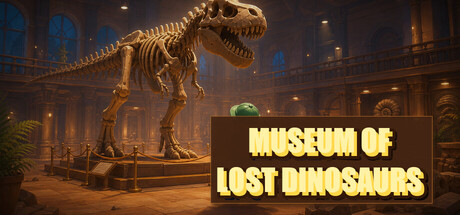
Some Steam store, library, icon, and marketing images for this game were created with generative AI and then reviewed and edited for the dinosaur museum theme. The game does not use real-time generative AI during gameplay.
Generative AI tools were used to assist in creating and refining some promotional artwork for the Steam store page and related marketing materials. All AI-assisted assets were reviewed and edited by the developer. No generative AI content is used in the game itself, and no content is generated during gameplay.
Generative AI assisted with selected 2D art, promotional assets,. All content was manually reviewed, edited, and integrated. The game does not generate AI content at runtime.
Generative AI tools were used during development to assist with the creation and iteration of some 2D visual assets, UI elements, concept artwork, and selected audio assets. All AI-assisted content was reviewed, edited, and integrated by the developer. The game does not generate AI content during gameplay.
We are a small two-person studio. We apologize for using generative AI to assist with the translation and for any inaccuracies that may be present. We used it to make the game available in this language.
BattleDeck uses AI tools in the following areas:
Artwork, audio and as a development assistant during coding. All AI generated content has been reviewed and refined by the developer.
Some of the background music in Aquora was produced using a generative audio tool. Those tracks are placeholder. They are being replaced with commissioned
original music, and any remaining generated audio will be phased out of the game over time.
All visual art in Aquora is procedurally generated by the developer's own custom tooling, drawn from hand-authored colour palettes, explicit shape instructions
and seeded random number generation. No image generation model is involved at any point in the art pipeline, and no AI generated images appear in the game.
Generative AI tools were used during development to create portions of the game’s artwork,sound and localization. Each AI-assisted asset was reviewed, edited, palette-matched, and curated by the developer.
AI tools were used during development to help compose the soundtrack, draw the pixel art, and draft text (including localization and this store page), all under human direction — every piece was reviewed, curated, and approved by the developer. All content is fixed at build time; the game contains no live or runtime AI generation.
One More Fishing contains selected pre-generated content created or refined with generative AI tools during development. This includes selected in-game artwork and UI assets, selected Steam store and marketing artwork, audio assets such as music, ambience, sound effects and selected character voice lines, plus assistance with narrative and quest drafting and localization. All shipped content is selected, edited and integrated before release.
The game does not use live-generated AI. It does not contact generative AI services while running and does not send player prompts or player data to such services. At runtime it only loads, selects, animates, processes and mixes fixed content prepared before shipping.
Generative AI was used throughout nearly every aspect of this game's development and production. AI and a human developer formed an unholy union of sound and mind (a merge, if you will) to birth this production.
No generative AI runs during gameplay. Its contributions were created during development.
Wildmark was made by one person. The story and all of its dialogue are my own, written by me. But without a studio's budget to commission artists, composers, and voice actors, I used generative AI tools to help create much of what you see. Nothing ships as a raw, untouched generation: every asset was hand-directed, chosen, refined, and assembled to fit a single cohesive, hand-crafted style and world, and reviewed by me to make sure it belonged. In the end, what matters is whether the game is enjoyable and worth your time, not which tools helped build it.
Kerf - Sawmill Tycoon was made almost entirely with AI tools. The developer directed the work, chose what went into the game and approved every result, but did not model, rig or write code by hand. What that means for the content that ships in the game:
- Code: written by an AI coding assistant.
- Characters: generated by an AI 3D tool from AI-generated reference images, then rigged and set up in the game by the AI assistant.
- Other 3D models: some came from an AI 3D tool - a vehicle and environment props such as rocks, mountains and bushes. The rest, including the valley, the buildings, the machines and the trees, were built in 3D software by the AI assistant writing scripts.
- Animation: all character animation was generated with an AI motion tool.
- Music: all of the in-game music was generated with an AI music tool.
- Sound: some sound effects were generated with an AI sound tool; the rest were sourced from sound libraries by the developer.
- Text: the in-game text was written with AI assistance, and the translations from English and Polish into the other 13 supported languages were made with AI.
Everything was reviewed and approved by the developer before release.
No content is generated by AI while the game is running. The Twitch integration only displays messages typed by real viewers.
Some visual assets were created with the help of generative AI and then hand-finished: the store capsule/key art and a short promotional video are AI-assisted, and a small set of in-game background and decoration art (tile textures, decals) started from AI-generated images that were manually edited and integrated. All game code, game design, writing and gameplay systems are human-made. Screenshots on this page show real gameplay. The game does not generate any content with AI at runtime.
Some visual assets in this demo are AI-generated placeholders, used temporarily due to budget constraints as a solo developer. These are planned to be replaced with final hand-crafted art before the game's full release.
This game includes optional local AI features:
Text Generation: A local language model periodically generates in-game short story events based on the player's typing activity.
Image Generation: A local image generation model may probabilistically generate illustrations for the corresponding story when a story event is triggered.
The AI features are purely an advanced option; whether you use them or not does not affect the core gameplay experience.
Generative AI tools were used as development assistants for portions of game code, UI text, localization, and the preparation of some store-page copy and marketing layouts. All results were reviewed and edited by the developer. No generative AI is used during gameplay, and the game does not connect to external AI services.
Some artwork used in Salty was created with the assistance of generative AI tools, including store page capsule art, marketing images, and certain in-game visual assets. All game design, code, systems, and gameplay are authored by the developer. No AI content is generated during gameplay.
This game uses generative AI for the following content. All of it was generated during development and shipped with the game; no content is generated at runtime.
- Music and sound effects (2 theme songs, in-game BGM, SFX): Suno
- Graphics (character art, backgrounds, event CGs, store page images): OpenAI
- Extra scenarios, concept and writing: OpenAI, Claude Code
- English text (translation of the main story and extras): Claude Code, OpenAI
- Game implementation (engine, game code): Claude Code
NyanDrop uses AI tools in parts of its development process, including the creation of some of the pixel artwork used in the game and on the store page, the sound effects and music, and the writing and translation of text shown in the game and on the store page. All such output is generated and reviewed in advance before being incorporated into the product, and no generative AI runs during gameplay.
Some store page artwork was created with the assistance of generative AI and manually reviewed and edited. All in-game content and gameplay systems are made by the developer.
Generative AI was used during pre-production to create early concept sketches, used purely as visual inspiration and reference. None of these initial AI-generated images appear in the final game, all art assets were subsequently created and replaced by the development team. Generative AI tools were also used to assist with writing portions of the game's code and with translating the game's text into other languages. In all cases, all output was reviewed, tested, and approved by human developers before being used in the final product.
Generative AI tools were used as production assistance for portions of the game's 2D artwork, character voices, and localization. All such content is pre-generated and manually reviewed before release. The game does not generate content with AI during play.
Generative AI tools were used to assist with programming, debugging, and improving written content.
However, the developer remained fully responsible for the game's design, direction, overall programming, integration, testing, and all final decisions.
Promotional materials and store page artwork were created with the help of generative AI and then reviewed and edited by the developer. No generative AI is used during gameplay or connects to external AI services.
Some of this game's assets were made with the assistance of generative AI tools and were reviewed, curated and hand-finished by the developer. No content is generated while you play.
This game was developed with the assistance of generative AI tools for coding support and some visual asset creation.
All content was reviewed and finalized by the developer.
No generative AI is used during gameplay.
Rip N Ship uses generative AI for some original artwork in its fictional Oddkin card collection. This artwork was generated during development, then selected, edited, and incorporated into the game by the developer. Streamer Mode chat is scripted/simulated and is not generated by AI during gameplay.
Some of this game's localized text was translated with AI assistance. All translated content has been manually reviewed and proofread to ensure quality and accuracy, and does not contain any illegal or infringing material.
Generative AI tools were used during development to assist with programming tasks and to generate some reference assets and 3D models. All AI-generated content was reviewed, modified, and integrated by the developers.
Some Steam store, library, icon, and marketing images for this game were created with generative AI and then reviewed and edited for the dinosaur museum theme. The game does not use real-time generative AI during gameplay.
Generative AI tools were used to assist in creating and refining some promotional artwork for the Steam store page and related marketing materials. All AI-assisted assets were reviewed and edited by the developer. No generative AI content is used in the game itself, and no content is generated during gameplay.
Generative AI assisted with selected 2D art, promotional assets,. All content was manually reviewed, edited, and integrated. The game does not generate AI content at runtime.