Public Steam disclosure research25,497 disclosures tracked
Where do games disclose AI use?
Search developers’ Steam disclosures, compare classified AI use across
games, and follow recorded changes.
This index adds cross-game classifications and statistics to
statements published on individual store pages.
Groups reflect automatic analysis of public disclosures; mature records are excluded. These counts do not measure AI use across all of Steam.
Missing or unclear statements cannot establish whether a game uses AI.
We use Generative AI technology in some assets to assist with texture creation and initial modeling drafts. Crucially, all AI-generated content in this game is generated based on the development team's own primary/original work, followed by rigorous review and editing. All final artistic work and decisions are strictly managed within the team to ensure originality and quality.
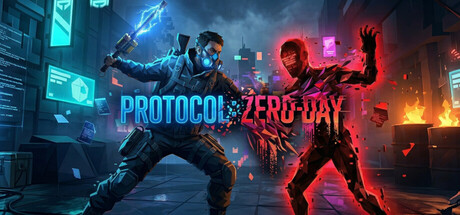
Generative AI tools were utilized during the pre-production and development phases to assist a solo developer in establishing the visual concepts, background art, and base textures for the cyber-apocalyptic world. All AI-generated base assets were subsequently reviewed, heavily curated, and manually integrated into the game engine to ensure they perfectly match the strict artistic direction and gameplay requirements of PROTOCOL: Zero-day.
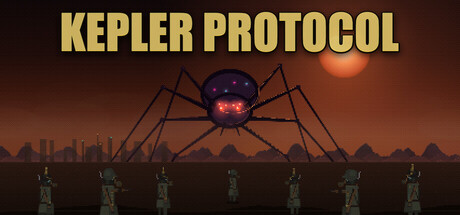
AI tools were used during development to assist with asset creation (pixel art sprites, terrain textures, localization drafts) and game design iteration. All AI-generated content was reviewed, edited and curated by the developer.
Some parts of development used AI-assisted workflows, including asset creation, image processing/background removal, voice work, and localization of in-game/help text into multiple languages.
Generative AI was used to create the 2D promotional artwork for the Steam store page (including the capsule images, library assets, and marketing GIFs). The AI generated these marketing assets using screenshots of actual in-game pixel art as a direct reference to ensure an accurate representation of the gameplay.
This game uses generative artificial intelligence tools during parts of its development process. AI assistance was used in a limited capacity for implementing certain minor systems and supporting the coding workflow, representing a small portion of the overall codebase.
In addition, some visual assets and UI elements were created or enhanced using AI-generated imagery, often combined with manual editing and integration to fit the game’s style and design.
This game was developed with AI collaboration. Visual assets including unit sprites, tile textures, and promotional artwork were created with the assistance of generative AI. Game code was developed with AI pair programming. All AI-generated content was reviewed, curated, and refined by the developer. No AI content is produced dynamically during gameplay — all assets and code are pre-made and shipped with the game.
This product uses AI tools to assist in generating code, art assets, and other content. All AI-generated materials have been significantly edited, modified, and polished by human developers to ensure originality, quality, and compliance with copyright regulations.
As a solo developer, I’ve used AI-assisted tools to create some of the game’s assets. My goal is to replace these with fully hand-drawn artwork created by a professional artist.
The background music in this game was created using generative AI (Suno AI). Every audio track has been personally reviewed and edited by the developer. Furthermore, all content is used in full compliance with the commercial usage rights provided by the tool's official licensing.
A few images have been generated, where it make sense that the AI in the game would use generic stock photos, but the overwhelming majority of art is handmade.
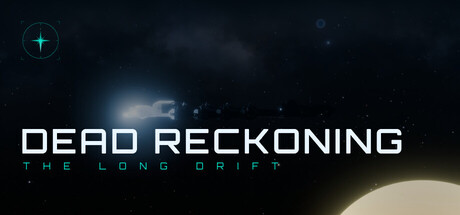
Dead Reckoning is written, and designed by one person. I want to be precise about where AI tools do and don't appear in it.
Creative content — no generative AI. All writing, narrative, and design is mine. I've worked as a technical writer for twelve years; the game's voice is my own. All art and visual assets are hand-made or licensed from named human artists. All music and sound effects are licensed from named human creators (public domain / Creative Commons) — none of it is AI-generated. This is a hard line and I intend to keep it.
Development & release tooling — where AI assists. I use AI in the engineering and release pipeline only, never to author the game itself:
- Coding assistance while writing the game's GDScript.
- An automated QA/test harness that plays the simulation thousands of times to catch crashes and balance regressions.
- Assistance in building linters (Valve YAML sheets) that check the project's text.
- Drafting and summarizing the release notes (patch notes) from the project's changelog.
None of this creates any of the writing, art, audio, or design inside the game.
Localization. The four translations (German, French, Italian, Spanish) are machine-translated by DeepL from my English source, with automated guards that fall back to English wherever a translation would break. This is an accessibility vs. quality decision, and I decided on the former. Proper localizations are planned and will be contracted out if the budget allows.
Music tracks were generated using Suno AI. All other game content (code, visuals, UI,
localization) was created by the developer. No AI-generated content is used in real-time
during gameplay.
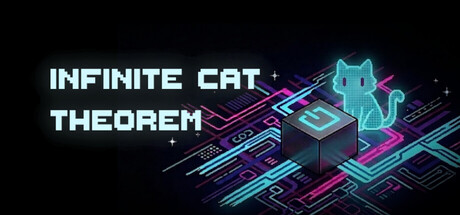
I’m a solo developer and I use my own cat photography in the game. Some of those photos were transformed into in-game card art with generative AI. Both my original photography and the card art based on it are included in the game. Voice lines in the intro cinematic were also generated with AI. Generative AI is also used when generating stylized weapon & power-up cards. Final assets were selected and edited by the developer.
Voice synthesis. All informant dialogue is voiced using Google Cloud Text-to-Speech. Each of the 27 informants has a distinct voice selected to reflect their regional background.
Story illustrations. Discovery images were generated using AI image generation and curated by the developer.
Game content. Story text, discovery descriptions, and informant dialogue were drafted with AI assistance and edited by the developer.
No AI-generated content is produced live during gameplay. All content is pre-rendered and reviewed before shipping.
The following content is created with generative AI: character portraits, background music, and cover/promo material (hand-made in-game screenshots edited/overpainted with AI-assisted tools). All other content (code, game mechanics, driving physics, 3D assets, sound effects, text, track design, gameplay) is hand-made without AI generation.
AI tools were used only during development for tasks such as code assistance and partial media creation (e.g., some music elements).
No AI systems run in the game itself, and AI does not affect gameplay or player experience
Some store and library marketing images were created with AI-assisted image generation. The game’s code, gameplay systems, balancing, ship behavior, upgrade systems, and implementation were developed by the developer.
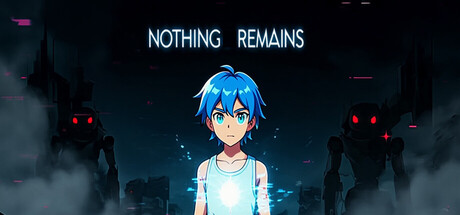
Some store and promotional artwork for Nothing Remains has been created or enhanced using AI-assisted tools. All gameplay systems, mechanics, and in-game content are fully original and developed without the use of generative AI.
This game uses AI-generated audio for select in-game dialogue, designed to achieve a synthetic, machine-like sound aesthetic. Certain in-game artwork, including hint posters and environmental paintings, was also created with AI generation tools.
Building a game of this scale as a solo indie developer is a gigantic quest. To bring this vision to life, I utilized AI to help manage the immense development load.
I have used AI to help create placeholder assets as visual guides to get the final look and feel, some initial base assets that have since been modified to be game-ready, and, in some rare cases, game elements that did not require further polishing. I have worked hard to ensure the overall quality is as high as possible, given the limitations with funding, personnel and time.
What wasn't made with AI:
The core game design, idea and execution. Some of the game code, performance optimizations, final polishing, and most final assets. Additionally, some of the development tools, such as the terrain optimizer/generator, targeting, turret, and explosion systems, have been under development as personal hobby projects for nearly a decade. The game was completely visualized, balanced, play tested, and designed by people (the fun part).
What is heavily AI-generated:
Audio: The audio concepts and prompts were written by me, generated using AI algorithms, and then manually polished where needed. Real human work was required to orchestrate, mix, time, and fit these audio clips seamlessly into the game.
Some textures: In a few rare cases, a generated texture was used "as-is" and did not require any additional post-processing or optimization of any kind (excluding cropping or some basic photoshopping).
Some content in this game was created with the assistance of generative AI tools. This includes parts of the intro cinematic, background music, and a small number of visual assets. All AI-assisted content has been reviewed, edited, and integrated by the developer to ensure quality and consistency with the overall game experience.
A small number of visual elements in this game have been created using generative artificial intelligence. These AI-generated images are limited to a few specific artworks, while the vast majority of visuals, as well as all gameplay, story, and mechanics, are crafted by professional artists and staff.
We use Generative AI technology in some assets to assist with texture creation and initial modeling drafts. Crucially, all AI-generated content in this game is generated based on the development team's own primary/original work, followed by rigorous review and editing. All final artistic work and decisions are strictly managed within the team to ensure originality and quality.
Generative AI tools were utilized during the pre-production and development phases to assist a solo developer in establishing the visual concepts, background art, and base textures for the cyber-apocalyptic world. All AI-generated base assets were subsequently reviewed, heavily curated, and manually integrated into the game engine to ensure they perfectly match the strict artistic direction and gameplay requirements of PROTOCOL: Zero-day.
AI tools were used during development to assist with asset creation (pixel art sprites, terrain textures, localization drafts) and game design iteration. All AI-generated content was reviewed, edited and curated by the developer.
Some parts of development used AI-assisted workflows, including asset creation, image processing/background removal, voice work, and localization of in-game/help text into multiple languages.
Generative AI was used to create the 2D promotional artwork for the Steam store page (including the capsule images, library assets, and marketing GIFs). The AI generated these marketing assets using screenshots of actual in-game pixel art as a direct reference to ensure an accurate representation of the gameplay.
This game uses generative artificial intelligence tools during parts of its development process. AI assistance was used in a limited capacity for implementing certain minor systems and supporting the coding workflow, representing a small portion of the overall codebase.
In addition, some visual assets and UI elements were created or enhanced using AI-generated imagery, often combined with manual editing and integration to fit the game’s style and design.
This game was developed with AI collaboration. Visual assets including unit sprites, tile textures, and promotional artwork were created with the assistance of generative AI. Game code was developed with AI pair programming. All AI-generated content was reviewed, curated, and refined by the developer. No AI content is produced dynamically during gameplay — all assets and code are pre-made and shipped with the game.
This product uses AI tools to assist in generating code, art assets, and other content. All AI-generated materials have been significantly edited, modified, and polished by human developers to ensure originality, quality, and compliance with copyright regulations.
As a solo developer, I’ve used AI-assisted tools to create some of the game’s assets. My goal is to replace these with fully hand-drawn artwork created by a professional artist.
The background music in this game was created using generative AI (Suno AI). Every audio track has been personally reviewed and edited by the developer. Furthermore, all content is used in full compliance with the commercial usage rights provided by the tool's official licensing.
A few images have been generated, where it make sense that the AI in the game would use generic stock photos, but the overwhelming majority of art is handmade.
Dead Reckoning is written, and designed by one person. I want to be precise about where AI tools do and don't appear in it.
Creative content — no generative AI. All writing, narrative, and design is mine. I've worked as a technical writer for twelve years; the game's voice is my own. All art and visual assets are hand-made or licensed from named human artists. All music and sound effects are licensed from named human creators (public domain / Creative Commons) — none of it is AI-generated. This is a hard line and I intend to keep it.
Development & release tooling — where AI assists. I use AI in the engineering and release pipeline only, never to author the game itself:
- Coding assistance while writing the game's GDScript.
- An automated QA/test harness that plays the simulation thousands of times to catch crashes and balance regressions.
- Assistance in building linters (Valve YAML sheets) that check the project's text.
- Drafting and summarizing the release notes (patch notes) from the project's changelog.
None of this creates any of the writing, art, audio, or design inside the game.
Localization. The four translations (German, French, Italian, Spanish) are machine-translated by DeepL from my English source, with automated guards that fall back to English wherever a translation would break. This is an accessibility vs. quality decision, and I decided on the former. Proper localizations are planned and will be contracted out if the budget allows.
Music tracks were generated using Suno AI. All other game content (code, visuals, UI,
localization) was created by the developer. No AI-generated content is used in real-time
during gameplay.
I’m a solo developer and I use my own cat photography in the game. Some of those photos were transformed into in-game card art with generative AI. Both my original photography and the card art based on it are included in the game. Voice lines in the intro cinematic were also generated with AI. Generative AI is also used when generating stylized weapon & power-up cards. Final assets were selected and edited by the developer.
Voice synthesis. All informant dialogue is voiced using Google Cloud Text-to-Speech. Each of the 27 informants has a distinct voice selected to reflect their regional background.
Story illustrations. Discovery images were generated using AI image generation and curated by the developer.
Game content. Story text, discovery descriptions, and informant dialogue were drafted with AI assistance and edited by the developer.
No AI-generated content is produced live during gameplay. All content is pre-rendered and reviewed before shipping.
The following content is created with generative AI: character portraits, background music, and cover/promo material (hand-made in-game screenshots edited/overpainted with AI-assisted tools). All other content (code, game mechanics, driving physics, 3D assets, sound effects, text, track design, gameplay) is hand-made without AI generation.
AI tools were used only during development for tasks such as code assistance and partial media creation (e.g., some music elements).
No AI systems run in the game itself, and AI does not affect gameplay or player experience
Some store and library marketing images were created with AI-assisted image generation. The game’s code, gameplay systems, balancing, ship behavior, upgrade systems, and implementation were developed by the developer.
Some store and promotional artwork for Nothing Remains has been created or enhanced using AI-assisted tools. All gameplay systems, mechanics, and in-game content are fully original and developed without the use of generative AI.
This game uses AI-generated audio for select in-game dialogue, designed to achieve a synthetic, machine-like sound aesthetic. Certain in-game artwork, including hint posters and environmental paintings, was also created with AI generation tools.
Building a game of this scale as a solo indie developer is a gigantic quest. To bring this vision to life, I utilized AI to help manage the immense development load.
I have used AI to help create placeholder assets as visual guides to get the final look and feel, some initial base assets that have since been modified to be game-ready, and, in some rare cases, game elements that did not require further polishing. I have worked hard to ensure the overall quality is as high as possible, given the limitations with funding, personnel and time.
What wasn't made with AI:
The core game design, idea and execution. Some of the game code, performance optimizations, final polishing, and most final assets. Additionally, some of the development tools, such as the terrain optimizer/generator, targeting, turret, and explosion systems, have been under development as personal hobby projects for nearly a decade. The game was completely visualized, balanced, play tested, and designed by people (the fun part).
What is heavily AI-generated:
Audio: The audio concepts and prompts were written by me, generated using AI algorithms, and then manually polished where needed. Real human work was required to orchestrate, mix, time, and fit these audio clips seamlessly into the game.
Some textures: In a few rare cases, a generated texture was used "as-is" and did not require any additional post-processing or optimization of any kind (excluding cropping or some basic photoshopping).
Some content in this game was created with the assistance of generative AI tools. This includes parts of the intro cinematic, background music, and a small number of visual assets. All AI-assisted content has been reviewed, edited, and integrated by the developer to ensure quality and consistency with the overall game experience.
A small number of visual elements in this game have been created using generative artificial intelligence. These AI-generated images are limited to a few specific artworks, while the vast majority of visuals, as well as all gameplay, story, and mechanics, are crafted by professional artists and staff.