Public Steam disclosure research25,497 disclosures tracked
Where do games disclose AI use?
Search developers’ Steam disclosures, compare classified AI use across
games, and follow recorded changes.
This index adds cross-game classifications and statistics to
statements published on individual store pages.
Groups reflect automatic analysis of public disclosures; mature records are excluded. These counts do not measure AI use across all of Steam.
Missing or unclear statements cannot establish whether a game uses AI.
Generative AI was used during development as a supporting tool for parts of the music, selected visual assets, some voice-over lines, portions of the code, and the editing or localization of selected text. The game's concept, design, story, and creative direction are the developer's original work. All AI-assisted content was reviewed and edited as needed by the developer. The game does not use generative AI or generate new AI content during gameplay.
This game uses generative AI to create its 2D artwork, including character and avatar portraits, monster and pet illustrations, item and equipment icons, location banners, and store/marketing assets.
All AI-generated art was created during development, then hand-reviewed, curated, and edited by the developer before being included in the game.
No AI content is generated live at runtime — everything players see ships as fixed, pre-made assets. The game's design, writing, code, and balancing are human-made.
Generative AI tools were used during development to create and manually refine some illustrations, store page artwork, and music tracks, as well as to assist with text preparation and localization. The game does not generate any AI content in real time.
Generative AI tools were used during development to create and refine some pre-generated visual assets, including character illustrations, office environments, decorative objects, and promotional artwork. All generated materials were manually selected, edited, integrated, and reviewed by the developer. The game does not generate any AI content while running.
Some pre-generated 3D art assets and textures were created with generative AI tools during development. These assets are reviewed, selected, adjusted, and integrated by the developer before inclusion. The game does not provide player-facing real-time generative AI features.
AI tools were used to assist in drafting some written text (in-game lore entries and store page descriptions); all such text was reviewed and edited by the developer. All artwork, animation, music, and sound effects are human-created licensed assets. The game does not use AI to generate any content at runtime.
Some visual assets and portions of the game's development were created with the assistance of generative AI. AI was used as a creative and productivity tool during development, with all generated content reviewed, edited, and integrated by the solo developer.
Generative AI was used during development for certain text descriptions and for a limited number of illustrative assets. These visuals were subsequently reworked by the game’s artist for consistency with the game’s final style. No generative AI is used during gameplay.
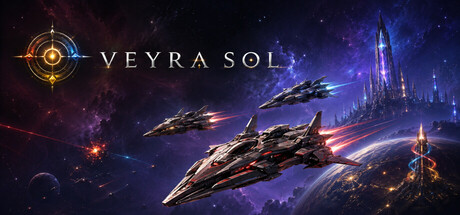
Veyrasol uses generative AI tools as part of its art pipeline. Both 3D models and 2D artwork used in the game (illustrations, backgrounds, UI and unit icons), as well as store page and marketing graphics such as capsule images and banners, were created with the help of generative AI tools and then reviewed, edited and assembled by the developer. Generative AI tools were also used to help write parts of the marketing website and store page copy. The core game (engine, server logic, real-time combat, and systems) is hand-coded by the developer, and no content is generated by AI at runtime during play.
AI Used to Generate SOME Game Aspects such as backend simulations and Graphical Textures. ALL AI Usage is Pre-Rendered and approved by Development team before being built into the game.
The story and game design are an original creation of the developer.
AI was used as a tool to produce certain fixed visuals (store page, logo, illustrations),
in order to faithfully represent the game's artistic vision.
No content is AI-generated during gameplay.
Turbo Era Boss uses generative AI as part of its indie production workflow. Some pre-rendered visual assets, store capsule artwork, promotional/community images, and draft text/localization may be created or refined with AI-assisted tools. The game does not use live generative AI during gameplay. All AI-assisted material is reviewed, edited, and approved by Team76 before publication, and we avoid real team logos, real sponsors, driver likenesses, and other protected branding.
GridIron Grit is made with love, for us hardcore football sim fans, but AI did much of the heavy lifting.
AI helped me bring my dream game to life, writing code and generating game assets.
The game itself uses no generative AI within.
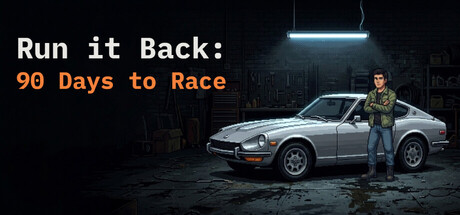
Run It Back: 90 Days to Race is developed solo. Illustrating the game's scenes, key art, and character art by hand wasn't feasible working alone, so AI image-generation tools are used as part of the art pipeline — some pieces generated directly from text prompts, others produced by restyling real photographic references into the game's illustrated art style. All AI-assisted artwork was selected and curated by the developer. No AI-generated content is created live during gameplay.
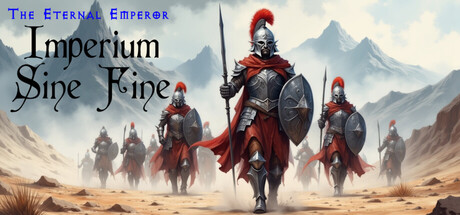
As a solo developer, I used generative AI tools to help create some of the game's icons, artwork, and written text, which I then reviewed and edited by hand. The game's design, code, and systems are my own work, and the world, its factions, and its story are built on lore I have developed across the Imperium Sine Fine saga. Nothing is AI-generated during gameplay.
Generative AI tools were used to assist with initial translations of localization texts and as a starting point for a limited number of visual concepts. All AI-assisted translations were manually reviewed and edited. The visual concepts were substantially reworked and adapted by the developer to match the game’s original art style before being included in the final game.
During the development of this game, AI tools were used solely as a coding assistance aid — primarily to help identify and fix minor bugs, and to assist with small code corrections and improvements. AI was not used to generate any content experienced by the player, including visual assets, audio, narrative or in-game text. All artwork, sound, and written content presented to the player are original and human-created. The AI usage disclosed here is limited to development-side coding assistance and does not appear as generated content within the final player-facing experience.
Some visual assets, concept art, character portraits, promotional images, and store-related materials may be created or assisted using generative AI tools. All AI-assisted content is reviewed and edited by the developer before use. The game does not use real-time AI generation during gameplay.
This game was developed with the assistance of generative AI. AI was used to help create code, written content, and some visual assets under the developer's direction. All AI-generated content is reviewed and integrated by the developer. The game does not use live generative AI during gameplay.
To Raise a King was made by one person working with AI collaborators. AI tools were used in the following ways during development, and every AI output shipped in the game was reviewed, curated, edited, and approved by the developer before inclusion.
Source code. Written in collaboration with Anthropic's Claude, with the developer directing architecture, reviewing every change, and testing behavior.
Character and scene illustrations. Generated locally with the FLUX.2 image model running in ComfyUI. Prompts, reference images, layered compositions, and final selections were all authored and curated by the developer.
Voice acting. Voices were produced with ElevenLabs. The developer cast each role, wrote each line, directed the delivery through iteration, and hand-picked the takes shipped in the game.
Music and sound. Music and select sound effects were produced with ElevenLabs' music generation. Tracks were selected, edited, and placed by the developer.
Writing and design. Story beats, dialogue, and system design were developed collaboratively with Claude, with the developer as the final author.
The developer confirms they hold or have licensed the rights to use these tools' outputs commercially, and has taken reasonable steps to ensure no infringing or unlawful content was produced.
Some of Purrgeist's visual assets (such as backgrounds and base artwork) and some marketing materials were created with the help of generative AI tools (e.g., Google Gemini) as a starting point, then reviewed, edited, and reworked into pixel art by the developer. This is pre-generated content — the game does not generate any AI content while you play, and everything is human-reviewed.
We use AI-generated or AI-assisted content for some announcement and promotional materials, including announcement screenshots, trailers, GIFs, and game icons.
The final release version of the game will not use AI-generated content.
This game uses generative AI tools (including Canva AI) to create some visual assets, such as the logo, menu backgrounds, and promotional artwork. In-game text localization into multiple languages was produced with AI assistance and reviewed by the development team. The trailer's background music was created using a generative AI music tool, licensed for commercial use. No content is generated by AI during gameplay, and the game does not connect to any external AI service.
Some in-game visual assets (character portraits, icons, and interface art) were created with generative AI tools under commercial licenses, with direction and curation by the developer. Background music is licensed separately (Kevin MacLeod, CC BY 4.0). The game does not generate new art or text during gameplay.
Some of this game's assets were produced with the help of generative AI during development: 2D art and illustrations, background music and sound effects, and machine-assisted translation of the in-game text into additional languages. All such assets were reviewed by the developer and are included as fixed content. No content is generated at runtime.
AI writing tools were used to assist in drafting store page descriptions and marketing copy. All game content, code, artwork, and audio were created without generative AI.
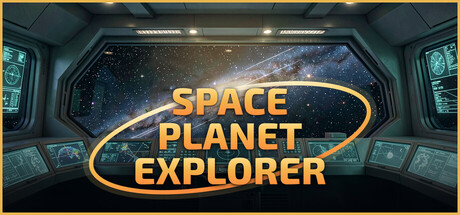
Space Planet Explorer uses generative AI to create assets that ship with the game, including planet surface textures, cinematic sequences, voice narration, and music. All of this content was generated during development — no AI content is generated live during gameplay. Planet visuals are AI-generated interpretations based on real scientific data, not actual NASA photography.
No game assets or gameplay content were generated using AI.
Localization into some supported languages was created with AI assistance and reviewed by the developers and community where possible.
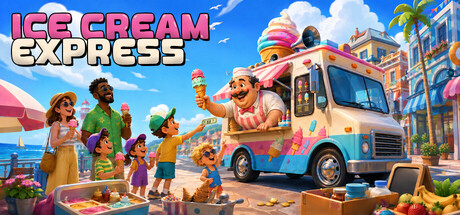
Ice Cream Express uses generative AI-assisted artwork in some packaging visuals for in-game products/items. Generative AI is not used in any other part of the game, and we are working to remove these AI-assisted visuals before the full release.
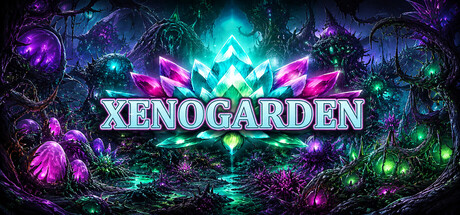
Generative AI-assisted tools were used as part of the development process for Xenogarden.
This includes support in creating and refining selected visual content such as concept art, artwork, textures, marketing materials and store page assets, as well as assistance with text, localization, sound/music ideas and creative drafts.
All content included in the game is pre-generated, selected, reviewed and curated. The game does not generate new AI content during gameplay and does not connect to external AI services during gameplay.
Pre-rendered AI-assisted promotional artwork and marketing assets may be used for the store page and promotional materials. No generative AI content is created live during gameplay.
Generative AI was used during development as a supporting tool for parts of the music, selected visual assets, some voice-over lines, portions of the code, and the editing or localization of selected text. The game's concept, design, story, and creative direction are the developer's original work. All AI-assisted content was reviewed and edited as needed by the developer. The game does not use generative AI or generate new AI content during gameplay.
This game uses generative AI to create its 2D artwork, including character and avatar portraits, monster and pet illustrations, item and equipment icons, location banners, and store/marketing assets.
All AI-generated art was created during development, then hand-reviewed, curated, and edited by the developer before being included in the game.
No AI content is generated live at runtime — everything players see ships as fixed, pre-made assets. The game's design, writing, code, and balancing are human-made.
Generative AI tools were used during development to create and manually refine some illustrations, store page artwork, and music tracks, as well as to assist with text preparation and localization. The game does not generate any AI content in real time.
Generative AI tools were used during development to create and refine some pre-generated visual assets, including character illustrations, office environments, decorative objects, and promotional artwork. All generated materials were manually selected, edited, integrated, and reviewed by the developer. The game does not generate any AI content while running.
Some pre-generated 3D art assets and textures were created with generative AI tools during development. These assets are reviewed, selected, adjusted, and integrated by the developer before inclusion. The game does not provide player-facing real-time generative AI features.
AI tools were used to assist in drafting some written text (in-game lore entries and store page descriptions); all such text was reviewed and edited by the developer. All artwork, animation, music, and sound effects are human-created licensed assets. The game does not use AI to generate any content at runtime.
Some visual assets and portions of the game's development were created with the assistance of generative AI. AI was used as a creative and productivity tool during development, with all generated content reviewed, edited, and integrated by the solo developer.
Generative AI was used during development for certain text descriptions and for a limited number of illustrative assets. These visuals were subsequently reworked by the game’s artist for consistency with the game’s final style. No generative AI is used during gameplay.
Veyrasol uses generative AI tools as part of its art pipeline. Both 3D models and 2D artwork used in the game (illustrations, backgrounds, UI and unit icons), as well as store page and marketing graphics such as capsule images and banners, were created with the help of generative AI tools and then reviewed, edited and assembled by the developer. Generative AI tools were also used to help write parts of the marketing website and store page copy. The core game (engine, server logic, real-time combat, and systems) is hand-coded by the developer, and no content is generated by AI at runtime during play.
AI Used to Generate SOME Game Aspects such as backend simulations and Graphical Textures. ALL AI Usage is Pre-Rendered and approved by Development team before being built into the game.
The story and game design are an original creation of the developer.
AI was used as a tool to produce certain fixed visuals (store page, logo, illustrations),
in order to faithfully represent the game's artistic vision.
No content is AI-generated during gameplay.
Turbo Era Boss uses generative AI as part of its indie production workflow. Some pre-rendered visual assets, store capsule artwork, promotional/community images, and draft text/localization may be created or refined with AI-assisted tools. The game does not use live generative AI during gameplay. All AI-assisted material is reviewed, edited, and approved by Team76 before publication, and we avoid real team logos, real sponsors, driver likenesses, and other protected branding.
GridIron Grit is made with love, for us hardcore football sim fans, but AI did much of the heavy lifting.
AI helped me bring my dream game to life, writing code and generating game assets.
The game itself uses no generative AI within.
Run It Back: 90 Days to Race is developed solo. Illustrating the game's scenes, key art, and character art by hand wasn't feasible working alone, so AI image-generation tools are used as part of the art pipeline — some pieces generated directly from text prompts, others produced by restyling real photographic references into the game's illustrated art style. All AI-assisted artwork was selected and curated by the developer. No AI-generated content is created live during gameplay.
As a solo developer, I used generative AI tools to help create some of the game's icons, artwork, and written text, which I then reviewed and edited by hand. The game's design, code, and systems are my own work, and the world, its factions, and its story are built on lore I have developed across the Imperium Sine Fine saga. Nothing is AI-generated during gameplay.
Generative AI tools were used to assist with initial translations of localization texts and as a starting point for a limited number of visual concepts. All AI-assisted translations were manually reviewed and edited. The visual concepts were substantially reworked and adapted by the developer to match the game’s original art style before being included in the final game.
During the development of this game, AI tools were used solely as a coding assistance aid — primarily to help identify and fix minor bugs, and to assist with small code corrections and improvements. AI was not used to generate any content experienced by the player, including visual assets, audio, narrative or in-game text. All artwork, sound, and written content presented to the player are original and human-created. The AI usage disclosed here is limited to development-side coding assistance and does not appear as generated content within the final player-facing experience.
Some visual assets, concept art, character portraits, promotional images, and store-related materials may be created or assisted using generative AI tools. All AI-assisted content is reviewed and edited by the developer before use. The game does not use real-time AI generation during gameplay.
This game was developed with the assistance of generative AI. AI was used to help create code, written content, and some visual assets under the developer's direction. All AI-generated content is reviewed and integrated by the developer. The game does not use live generative AI during gameplay.
To Raise a King was made by one person working with AI collaborators. AI tools were used in the following ways during development, and every AI output shipped in the game was reviewed, curated, edited, and approved by the developer before inclusion.
Source code. Written in collaboration with Anthropic's Claude, with the developer directing architecture, reviewing every change, and testing behavior.
Character and scene illustrations. Generated locally with the FLUX.2 image model running in ComfyUI. Prompts, reference images, layered compositions, and final selections were all authored and curated by the developer.
Voice acting. Voices were produced with ElevenLabs. The developer cast each role, wrote each line, directed the delivery through iteration, and hand-picked the takes shipped in the game.
Music and sound. Music and select sound effects were produced with ElevenLabs' music generation. Tracks were selected, edited, and placed by the developer.
Writing and design. Story beats, dialogue, and system design were developed collaboratively with Claude, with the developer as the final author.
The developer confirms they hold or have licensed the rights to use these tools' outputs commercially, and has taken reasonable steps to ensure no infringing or unlawful content was produced.
Some of Purrgeist's visual assets (such as backgrounds and base artwork) and some marketing materials were created with the help of generative AI tools (e.g., Google Gemini) as a starting point, then reviewed, edited, and reworked into pixel art by the developer. This is pre-generated content — the game does not generate any AI content while you play, and everything is human-reviewed.
We use AI-generated or AI-assisted content for some announcement and promotional materials, including announcement screenshots, trailers, GIFs, and game icons.
The final release version of the game will not use AI-generated content.
This game uses generative AI tools (including Canva AI) to create some visual assets, such as the logo, menu backgrounds, and promotional artwork. In-game text localization into multiple languages was produced with AI assistance and reviewed by the development team. The trailer's background music was created using a generative AI music tool, licensed for commercial use. No content is generated by AI during gameplay, and the game does not connect to any external AI service.
Some in-game visual assets (character portraits, icons, and interface art) were created with generative AI tools under commercial licenses, with direction and curation by the developer. Background music is licensed separately (Kevin MacLeod, CC BY 4.0). The game does not generate new art or text during gameplay.
Some of this game's assets were produced with the help of generative AI during development: 2D art and illustrations, background music and sound effects, and machine-assisted translation of the in-game text into additional languages. All such assets were reviewed by the developer and are included as fixed content. No content is generated at runtime.
AI writing tools were used to assist in drafting store page descriptions and marketing copy. All game content, code, artwork, and audio were created without generative AI.
Space Planet Explorer uses generative AI to create assets that ship with the game, including planet surface textures, cinematic sequences, voice narration, and music. All of this content was generated during development — no AI content is generated live during gameplay. Planet visuals are AI-generated interpretations based on real scientific data, not actual NASA photography.
No game assets or gameplay content were generated using AI.
Localization into some supported languages was created with AI assistance and reviewed by the developers and community where possible.
Ice Cream Express uses generative AI-assisted artwork in some packaging visuals for in-game products/items. Generative AI is not used in any other part of the game, and we are working to remove these AI-assisted visuals before the full release.
Generative AI-assisted tools were used as part of the development process for Xenogarden.
This includes support in creating and refining selected visual content such as concept art, artwork, textures, marketing materials and store page assets, as well as assistance with text, localization, sound/music ideas and creative drafts.
All content included in the game is pre-generated, selected, reviewed and curated. The game does not generate new AI content during gameplay and does not connect to external AI services during gameplay.
Pre-rendered AI-assisted promotional artwork and marketing assets may be used for the store page and promotional materials. No generative AI content is created live during gameplay.