Public Steam disclosure research25,497 disclosures tracked
Where do games disclose AI use?
Search developers’ Steam disclosures, compare classified AI use across
games, and follow recorded changes.
This index adds cross-game classifications and statistics to
statements published on individual store pages.
Groups reflect automatic analysis of public disclosures; mature records are excluded. These counts do not measure AI use across all of Steam.
Missing or unclear statements cannot establish whether a game uses AI.
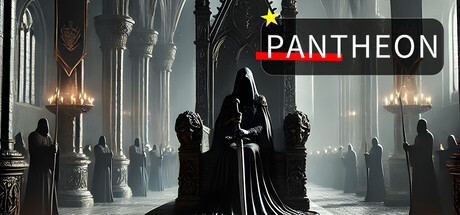
Some background art in Pantheon is AI-assisted. The characters, story, and all core creative elements are original.
Due to limited funds, AI backgrounds are used for now. With future income, they will be gradually replaced with hand-drawn art.
Thank you for your understanding and support.
📝 AI Generation Transparency (Steam Store Page)
1. Real-Time Narrative Gameplay (LLM):
The core of the game is powered by an advanced Large Language Model (AI) that generates kidnappers' responses in real-time. Unlike traditional games, your dialogues are not limited to pre-written choices. The AI interprets your arguments, your tone, and your creativity to offer unique and unpredictable reactions. We have implemented strict moderation filters to ensure that all interactions remain within the satirical framework of the game and fully comply with Steam’s community guidelines.
2. Pre-Production Creative Assistance:
We utilized AI-generative image tools for artistic exploration and concept art during the initial design phases. This allowed us to define the game's "moonshot" and vibrant aesthetic.Important Note: All final visual assets (interfaces, characters, environments) have been retouched, finalized, or recreated by our human team to ensure total artistic consistency and full respect for intellectual property.
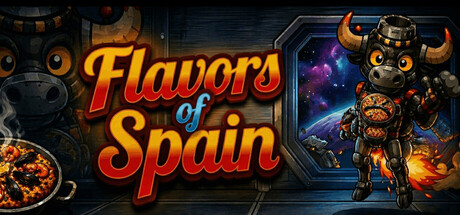
The code, mechanics, and gameplay of 'Sabor de España' do not use generative Artificial Intelligence. However, some promotional graphic elements displayed exclusively on the Steam store page (such as store headers, promotional banners, and base logo designs) have been created or refined with the assistance of AI image generation tools.
This is a solo-developed project created with limited time and resources. Some assets (such as visuals or audio) were partially generated or assisted using AI tools to make development feasible.
All such content has been manually reviewed and adjusted to fit the game's atmosphere and design.
Some shipped artwork and written content were created or assisted with generative AI tools during development. The game does not generate AI content during gameplay and does not connect to external AI services while you play.
AI coding tools were used during development to assist with writing game code and store page text. All game content (gameplay, visuals, audio, level design) was created and reviewed by the developer. No AI generates content at runtime.
This game uses generative AI to dynamically adapt dialogue and narration during gameplay.
Text is generated locally on the player’s device to adjust tone, emotion, and phrasing based on player choices and character traits. This system enhances variation and replayability while keeping the core story structure intact. No external services are required during gameplay.
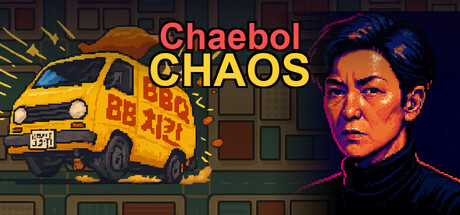
Some of the 2D artwork in Chaebol Chaos — including character portraits and certain environment illustrations — was created with the assistance of generative AI image tools during development. Every AI-generated asset was reviewed, edited, and approved by our team before being included in the game. No generative AI is used at runtime; the game ships as a static offline experience with no network-dependent content generation.
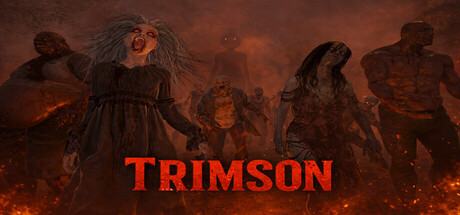
Generative AI is used in limited areas of TRIMSON. Character voice lines are created using Deep Voice Pro, a Unity Asset Store asset. Selected in-game icons are based on original artwork created by the developer's daughter, with AI tools used only for editing and refinement. The cover artwork was originally created by the developer, with AI tools used only for editing and refinement.
TRIMSON also uses licensed music assets from Cplomedia purchased through the Unity Asset Store. Some of these licensed music assets contain AI-generated content.
No other content in TRIMSON uses generative AI.
This game is created by a solo developer. Generative AI tools were utilized to enhance the music, sound effects, and localization for a better atmosphere and overall experience. All AI-assisted content has been personally reviewed and finalized by the developer. All visual assets and the narrative are entirely handcrafted.
Some visual assets (illustrations and portraits) and the music were created with the help of AI tools. The game code was developed with AI-assisted programming. All content was reviewed, curated, and approved by the developer.
Some visual assets used in the game’s store page and promotional materials were created with the assistance of generative AI tools. All gameplay content, writing, and narrative design are created by the developer.
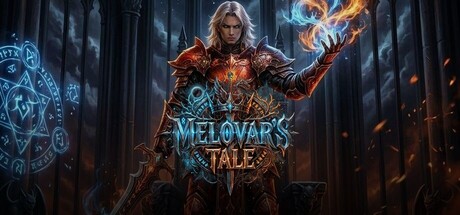
A lot of the artwork in Melovar's Tale, including the card, relic and character illustrations were created with the assistance of AI tools. All AI Generated items were reviewed, curated, and refined to ensure they meet the game visual and thematic standards. There isn't any AI content generated live during the game.
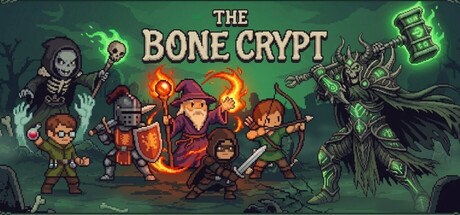
The core concepts, rules, and gameplay mechanics of The Bone Yard are entirely my own original creation. Because this is a solo passion project, I utilized generative AI as a development assistant to help bring my vision to life. AI tools were used to help brainstorm visual design elements, which I then curated and integrated into the game. I also used AI to assist with coding and text localization. The heart of the game, how it plays, how it feels, is 100% USDA Prime Human.
Some store imagery (capsule art) was created with AI image generation tools. Game text translations for non-English/Turkish languages were assisted by AI translation, with manual review
As a solo developer, I utilize generative AI tools to assist in creating base 3D assets, environmental props, and certain 2D visual elements to streamline the development process. Additionally, AI is used to support the initial localization of game text, which is then manually reviewed and refined to ensure accuracy and cultural relevance. Every AI-assisted asset and text is carefully hand-edited to fit the game's specific art style and technical standards.
This game does not use generative AI to produce in-game content. All gameplay systems, player generation, simulation, and narrative content are built on authored procedural logic.
Some CG artwork, visual assets, and audio assets in this game were created with the assistance of AI generation tools and then manually refined and integrated by the developer.
I’m a good programmer, but a terrible artist. So some of the images were created with the help of AI. By the time of release, I’ll try to remove all AI-generated images from the Steam page and from some textures in the game.
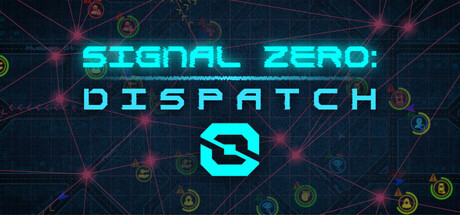
As a solo developer with a limited budget, I am currently using Generative AI text-to-speech tools to create the voice-overs, 911 calls, and radio communications in the game. A dispatch simulator requires a massive amount of audio, and using AI allows me to populate the game with necessary placeholder dialogue during active development. My ultimate goal, as the game grows and funding allows, is to replace these AI placeholders with real human voice actors in future updates.
The game's narrative videos (including surveillance footage, dashcam recordings, interrogation replays, crime scene reconstructions, atmospheric establishing shots, etc.) are created using AI video generation tools such as Seedance 2.0 and Jimeng. Character sprites, character portraits, and scene backgrounds are generated using AI image tools banana2 and image2.
All AI-generated content has been manually curated, edited, and adjusted by developers before being integrated into the game, with full reviews conducted for copyright and compliance.
The screenplay, dialogue, level design, reasoning logic, programming code, and UI are all originally created by human developers. No AI models are invoked nor external AI services connected during gameplay.
Some of the artworks, sounds and localizations in the game have been partially or entirely generated with the help of AI.
We strongly believe AI will help videogames reach new heights, not kill jobs nor creativity.
I utilized generative artificial intelligence (AI) tools during the development of this game. The specific applications are as follows:
Art & Visual Assets: Generative AI was used to create a portion of the in-game images, textures, and visual concept art. All such assets were subsequently refined and optimized manually.
Music & Sound Effects: Certain background music and audio assets were generated using AI tools to enhance the overall auditory experience.
Programming & Development: AI-generated code snippets were integrated into the development process, and AI tools were utilized to assist in code optimization and troubleshooting of game logic.
To further enrich the unique world and atmosphere of this game, we utilized AI technology to assist in creating the background artwork and soundtrack.
AI was primarily used as a sketching tool to draft initial ideas. All final assets implemented in the game underwent detailed retouching and careful direction by the developer, meticulously polished to seamlessly blend into the game's distinct vibe.
We utilize generative artificial intelligence during our development process strictly as an art-assistance tool. Unlockable player avatars, profile badges, and chat emotes were created or conceptualized using AI image generators.
As a solo developer, I’ve used AI-assisted tools to create some of the game’s assets. My goal is to replace these with fully hand-drawn artwork created by a professional artist.
We occasionally used generative AI as an assistive tool to refine certain visual assets, enhance texture resolutions, and process minor audio elements. These tools were used sparingly to support our production workflow, and all final content has been manually reviewed and polished by our team to ensure it meets our quality and legal standards.
AI generated content was used during development for concept art, promotional graphics, marketing materials, and placeholder assets.
The game does not use live AI generated content during gameplay.
One developer. AI tools helped with images and text because some things are bigger than one pair of hands. Everything you see reflects my own creative decisions.
AI tools assisted with game design documentation, initial draft text content, and development planning. The initial AI-generated in-game texts have been replaced with hand-written translations (German complete; English replacement in progress). All in-game content is reviewed and curated by the developer. No AI is used during gameplay.
Dead Reckoning is written, and designed by one person. I want to be precise about where AI tools do and don't appear in it.
Creative content — no generative AI. All writing, narrative, and design is mine. I've worked as a technical writer for twelve years; the game's voice is my own. All art and visual assets are hand-made or licensed from named human artists. All music and sound effects are licensed from named human creators (public domain / Creative Commons) — none of it is AI-generated. This is a hard line and I intend to keep it.
Development & release tooling — where AI assists. I use AI in the engineering and release pipeline only, never to author the game itself:
- Coding assistance while writing the game's GDScript.
- An automated QA/test harness that plays the simulation thousands of times to catch crashes and balance regressions.
- Assistance in building linters (Valve YAML sheets) that check the project's text.
- Drafting and summarizing the release notes (patch notes) from the project's changelog.
None of this creates any of the writing, art, audio, or design inside the game.
Localization. The four translations (German, French, Italian, Spanish) are machine-translated by DeepL from my English source, with automated guards that fall back to English wherever a translation would break. This is an accessibility vs. quality decision, and I decided on the former. Proper localizations are planned and will be contracted out if the budget allows.
Some parts of the game content were created with the assistance of artificial intelligence.
AI tools were used during the writing process of certain cases to support idea generation and narrative structuring. All content was reviewed, edited, and finalized by the developer.
Additionally, some visual assets found in the in-game gallery were generated using AI-based tools and curated to match the game's style and atmosphere.
This game includes some pre-generated visual assets created or assisted with generative AI (including certain promotional images on the Steam store page and library).
All AI-generated content is static and was reviewed and edited by the development team before release.
The game does not generate AI content in real time during gameplay and does not connect to external AI services while playing.
Artificial intelligence tools were used during the development of this game.
AI-assisted tools were utilized in certain parts of the coding process and for generating some visual assets.
All AI-generated content has been reviewed, modified, and integrated by the developer to ensure consistency and quality.
Some background art in Pantheon is AI-assisted. The characters, story, and all core creative elements are original.
Due to limited funds, AI backgrounds are used for now. With future income, they will be gradually replaced with hand-drawn art.
Thank you for your understanding and support.
📝 AI Generation Transparency (Steam Store Page)
1. Real-Time Narrative Gameplay (LLM):
The core of the game is powered by an advanced Large Language Model (AI) that generates kidnappers' responses in real-time. Unlike traditional games, your dialogues are not limited to pre-written choices. The AI interprets your arguments, your tone, and your creativity to offer unique and unpredictable reactions. We have implemented strict moderation filters to ensure that all interactions remain within the satirical framework of the game and fully comply with Steam’s community guidelines.
2. Pre-Production Creative Assistance:
We utilized AI-generative image tools for artistic exploration and concept art during the initial design phases. This allowed us to define the game's "moonshot" and vibrant aesthetic.Important Note: All final visual assets (interfaces, characters, environments) have been retouched, finalized, or recreated by our human team to ensure total artistic consistency and full respect for intellectual property.
The code, mechanics, and gameplay of 'Sabor de España' do not use generative Artificial Intelligence. However, some promotional graphic elements displayed exclusively on the Steam store page (such as store headers, promotional banners, and base logo designs) have been created or refined with the assistance of AI image generation tools.
This is a solo-developed project created with limited time and resources. Some assets (such as visuals or audio) were partially generated or assisted using AI tools to make development feasible.
All such content has been manually reviewed and adjusted to fit the game's atmosphere and design.
Some shipped artwork and written content were created or assisted with generative AI tools during development. The game does not generate AI content during gameplay and does not connect to external AI services while you play.
AI coding tools were used during development to assist with writing game code and store page text. All game content (gameplay, visuals, audio, level design) was created and reviewed by the developer. No AI generates content at runtime.
This game uses generative AI to dynamically adapt dialogue and narration during gameplay.
Text is generated locally on the player’s device to adjust tone, emotion, and phrasing based on player choices and character traits. This system enhances variation and replayability while keeping the core story structure intact. No external services are required during gameplay.
Some of the 2D artwork in Chaebol Chaos — including character portraits and certain environment illustrations — was created with the assistance of generative AI image tools during development. Every AI-generated asset was reviewed, edited, and approved by our team before being included in the game. No generative AI is used at runtime; the game ships as a static offline experience with no network-dependent content generation.
Generative AI is used in limited areas of TRIMSON. Character voice lines are created using Deep Voice Pro, a Unity Asset Store asset. Selected in-game icons are based on original artwork created by the developer's daughter, with AI tools used only for editing and refinement. The cover artwork was originally created by the developer, with AI tools used only for editing and refinement.
TRIMSON also uses licensed music assets from Cplomedia purchased through the Unity Asset Store. Some of these licensed music assets contain AI-generated content.
No other content in TRIMSON uses generative AI.
This game is created by a solo developer. Generative AI tools were utilized to enhance the music, sound effects, and localization for a better atmosphere and overall experience. All AI-assisted content has been personally reviewed and finalized by the developer. All visual assets and the narrative are entirely handcrafted.
Some visual assets (illustrations and portraits) and the music were created with the help of AI tools. The game code was developed with AI-assisted programming. All content was reviewed, curated, and approved by the developer.
Some visual assets used in the game’s store page and promotional materials were created with the assistance of generative AI tools. All gameplay content, writing, and narrative design are created by the developer.
A lot of the artwork in Melovar's Tale, including the card, relic and character illustrations were created with the assistance of AI tools. All AI Generated items were reviewed, curated, and refined to ensure they meet the game visual and thematic standards. There isn't any AI content generated live during the game.
The core concepts, rules, and gameplay mechanics of The Bone Yard are entirely my own original creation. Because this is a solo passion project, I utilized generative AI as a development assistant to help bring my vision to life. AI tools were used to help brainstorm visual design elements, which I then curated and integrated into the game. I also used AI to assist with coding and text localization. The heart of the game, how it plays, how it feels, is 100% USDA Prime Human.
Some store imagery (capsule art) was created with AI image generation tools. Game text translations for non-English/Turkish languages were assisted by AI translation, with manual review
As a solo developer, I utilize generative AI tools to assist in creating base 3D assets, environmental props, and certain 2D visual elements to streamline the development process. Additionally, AI is used to support the initial localization of game text, which is then manually reviewed and refined to ensure accuracy and cultural relevance. Every AI-assisted asset and text is carefully hand-edited to fit the game's specific art style and technical standards.
This game does not use generative AI to produce in-game content. All gameplay systems, player generation, simulation, and narrative content are built on authored procedural logic.
Some CG artwork, visual assets, and audio assets in this game were created with the assistance of AI generation tools and then manually refined and integrated by the developer.
I’m a good programmer, but a terrible artist. So some of the images were created with the help of AI. By the time of release, I’ll try to remove all AI-generated images from the Steam page and from some textures in the game.
As a solo developer with a limited budget, I am currently using Generative AI text-to-speech tools to create the voice-overs, 911 calls, and radio communications in the game. A dispatch simulator requires a massive amount of audio, and using AI allows me to populate the game with necessary placeholder dialogue during active development. My ultimate goal, as the game grows and funding allows, is to replace these AI placeholders with real human voice actors in future updates.
The game's narrative videos (including surveillance footage, dashcam recordings, interrogation replays, crime scene reconstructions, atmospheric establishing shots, etc.) are created using AI video generation tools such as Seedance 2.0 and Jimeng. Character sprites, character portraits, and scene backgrounds are generated using AI image tools banana2 and image2.
All AI-generated content has been manually curated, edited, and adjusted by developers before being integrated into the game, with full reviews conducted for copyright and compliance.
The screenplay, dialogue, level design, reasoning logic, programming code, and UI are all originally created by human developers. No AI models are invoked nor external AI services connected during gameplay.
Some of the artworks, sounds and localizations in the game have been partially or entirely generated with the help of AI.
We strongly believe AI will help videogames reach new heights, not kill jobs nor creativity.
I utilized generative artificial intelligence (AI) tools during the development of this game. The specific applications are as follows:
Art & Visual Assets: Generative AI was used to create a portion of the in-game images, textures, and visual concept art. All such assets were subsequently refined and optimized manually.
Music & Sound Effects: Certain background music and audio assets were generated using AI tools to enhance the overall auditory experience.
Programming & Development: AI-generated code snippets were integrated into the development process, and AI tools were utilized to assist in code optimization and troubleshooting of game logic.
To further enrich the unique world and atmosphere of this game, we utilized AI technology to assist in creating the background artwork and soundtrack.
AI was primarily used as a sketching tool to draft initial ideas. All final assets implemented in the game underwent detailed retouching and careful direction by the developer, meticulously polished to seamlessly blend into the game's distinct vibe.
We utilize generative artificial intelligence during our development process strictly as an art-assistance tool. Unlockable player avatars, profile badges, and chat emotes were created or conceptualized using AI image generators.
As a solo developer, I’ve used AI-assisted tools to create some of the game’s assets. My goal is to replace these with fully hand-drawn artwork created by a professional artist.
We occasionally used generative AI as an assistive tool to refine certain visual assets, enhance texture resolutions, and process minor audio elements. These tools were used sparingly to support our production workflow, and all final content has been manually reviewed and polished by our team to ensure it meets our quality and legal standards.
AI generated content was used during development for concept art, promotional graphics, marketing materials, and placeholder assets.
The game does not use live AI generated content during gameplay.
One developer. AI tools helped with images and text because some things are bigger than one pair of hands. Everything you see reflects my own creative decisions.
AI tools assisted with game design documentation, initial draft text content, and development planning. The initial AI-generated in-game texts have been replaced with hand-written translations (German complete; English replacement in progress). All in-game content is reviewed and curated by the developer. No AI is used during gameplay.
Dead Reckoning is written, and designed by one person. I want to be precise about where AI tools do and don't appear in it.
Creative content — no generative AI. All writing, narrative, and design is mine. I've worked as a technical writer for twelve years; the game's voice is my own. All art and visual assets are hand-made or licensed from named human artists. All music and sound effects are licensed from named human creators (public domain / Creative Commons) — none of it is AI-generated. This is a hard line and I intend to keep it.
Development & release tooling — where AI assists. I use AI in the engineering and release pipeline only, never to author the game itself:
- Coding assistance while writing the game's GDScript.
- An automated QA/test harness that plays the simulation thousands of times to catch crashes and balance regressions.
- Assistance in building linters (Valve YAML sheets) that check the project's text.
- Drafting and summarizing the release notes (patch notes) from the project's changelog.
None of this creates any of the writing, art, audio, or design inside the game.
Localization. The four translations (German, French, Italian, Spanish) are machine-translated by DeepL from my English source, with automated guards that fall back to English wherever a translation would break. This is an accessibility vs. quality decision, and I decided on the former. Proper localizations are planned and will be contracted out if the budget allows.
Some parts of the game content were created with the assistance of artificial intelligence.
AI tools were used during the writing process of certain cases to support idea generation and narrative structuring. All content was reviewed, edited, and finalized by the developer.
Additionally, some visual assets found in the in-game gallery were generated using AI-based tools and curated to match the game's style and atmosphere.
This game includes some pre-generated visual assets created or assisted with generative AI (including certain promotional images on the Steam store page and library).
All AI-generated content is static and was reviewed and edited by the development team before release.
The game does not generate AI content in real time during gameplay and does not connect to external AI services while playing.
Artificial intelligence tools were used during the development of this game.
AI-assisted tools were utilized in certain parts of the coding process and for generating some visual assets.
All AI-generated content has been reviewed, modified, and integrated by the developer to ensure consistency and quality.