Public Steam disclosure research25,508 disclosures tracked
Where do games disclose AI use?
Search developers’ Steam disclosures, compare classified AI use across
games, and follow recorded changes.
This index adds cross-game classifications and statistics to
statements published on individual store pages.
Groups reflect automatic analysis of public disclosures; mature records are excluded. These counts do not measure AI use across all of Steam.
Missing or unclear statements cannot establish whether a game uses AI.
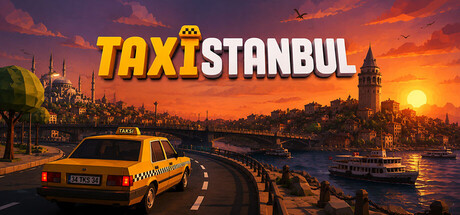
Some sound effects were created with AI tools, and a small number of background 3D assets were initially AI-generated, then manually optimized. Parts of the promotional artwork were made with AI assistance. Everything else, including all gameplay systems, the driving and economy mechanics, and the street-by-street recreation of Istanbul's historic peninsula, is hand-crafted by a solo developer.
Generative AI tools were used during development to assist in creating and refining some 2D pixel-art assets, animations, and localization text. All AI-assisted content was reviewed, edited, and integrated by the developer.
Generative AI was used during development to create some of the pre-generated images included in the game. All AI-generated content is created in advance and included as static game assets. The game does not generate AI content during gameplay.
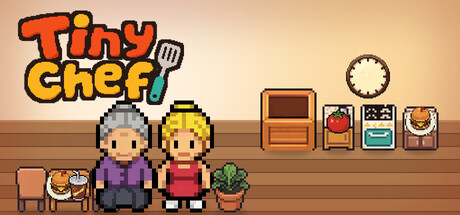
Some of the placeholder art currently in Tiny Chef was generated with AI tools while the game is in development. It is temporary and is being replaced with final artwork drawn by a human artist.
Generative AI was used in creating pre-rendered SVG assets for the app's UI, logo, and Steam store capsules, along with informational text for the breathing patterns and "Knowledge" section, which was carefully researched and reviewed for accuracy.
The characters in Conversation Simulator are played live by an AI language model that runs entirely on your computer — no cloud AI service is involved. All character dialogue and end-of-session feedback is generated locally during play. A built-in safety policy that cannot be disabled keeps generated content within a PG/PG-13 boundary: no sexual content, no content involving minors, no impersonation of real people, no voice cloning, and no claims to be a real therapist, doctor, or lawyer. Self-harm and crisis topics are intercepted and answered with a resource message instead of AI-generated content.
Some icons and pictures in the game or store page are generated using AI. During gameplay AI does not render anything. AI items are pre-rendered and hard-coded into the game.
AI tools were used to assist in creating some promotional artwork and supporting language localization. All outputs were reviewed and edited by the developer before use. The game does not use AI to generate gameplay or in-game content.
Generative AI was used in the game for (a) Generating dialogs and translations (b) Generating game backgrounds, character art and tiles etc (c) Generating Music.
Art Assets: We use generative AI tools to assist in the creation of store page assets (capsules).
Localization: We use AI-powered tools to assist in translating and localizing game text into various languages.
Background Music (BGM): Some in-game background music tracks were generated using AI tools.
Localization: The game's text localization (translations into various languages) was produced or assisted by AI.
All AI-generated content was reviewed and curated by the developer before inclusion in the game.
Some of the 2D artwork for this game was created with the assistance of
generative AI image tools. This includes the Steam store page capsule and
library images, the game logo, and some small 2D product icons used in-game.
All AI-generated output was manually reviewed, edited and composited by the
developer before use. All 3D models, environments, gameplay systems and code
were created without generative AI. No content is generated by AI while the
game is running.
During development, generative AI was used to assist with creating placeholder artwork, text, and portions of the game's code. All AI-generated content was reviewed, edited, and integrated by the development team, and we confirm that the final content does not knowingly infringe the intellectual property rights of others.
Some store page promotional artwork may include AI generated or AI-assisted elements. These materials are limited to store/marketing presentation assets and are not part of the gameplay content.
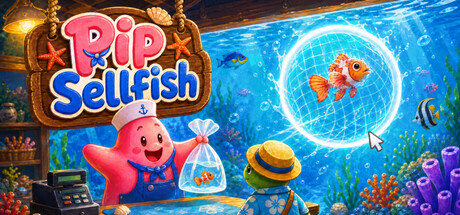
Pip Sellfish is made by one person. I used generative AI tools during development to help create some of the game's assets, such as artwork and music, every asset was hand-picked and integrated by me. No AI is used at runtime: nothing is generated while you play.
AI was used for some translations, music, and visual assets. The game does not create AI-generated content during gameplay, and AI was not used to write the game’s code.
Generative AI is used solely to assist with localization and translation work. The game does not use AI-generated art, audio, or real-time in-game content.
Some of this game's visual assets (logo, promotional and store page images, character/enemy) were created with the aid of generative AI tools during development. All generated content was reviewed, curated and refined manually by the developer. The game does not use generative AI in real time during gameplay: all assets are pre-generated and static.
To streamline the creative workflow, this game incorporates AI-assisted tools. AI was employed for initial code prototyping and some asset creation; however, every aspect of the game has been extensively reviewed, modified, and refined to ensure high-quality performance and consistency.
本游戏在开发过程中使用了生成式人工智能工具辅助制作预生成内容。
游戏中绝大部分美术素材,包括角色形象、角色序列帧动画、战斗场景背景、用户界面图形、物品与武器图标以及部分视觉特效,使用AI图像生成功能制作。所有生成图片均在加入游戏前经过开发者人工筛选,并根据实际需要进行裁切、缩放、色彩调整、组合、动画帧整理、局部修正和游戏内适配。
开发过程中也使用了 AI 编程辅助工具,帮助编写、整理、重构和排查部分程序代码。所有 AI 辅助代码均由开发者人工审阅、修改、整合和测试后才会加入游戏。
本游戏运行时不会连接生成式 AI 服务,也不会根据玩家输入实时生成图片、文本、音频、代码或其他内容。玩家无法通过游戏生成、上传、分享或导出 AI 内容。
The developer used generative AI tools during development to help create some art assets (such as character portraits, sprites, and background art) and marketing materials (store capsules and trailers), and to assist with text localization. All AI-assisted content was reviewed and edited by the developer. The game itself does not generate any content in real time and does not connect to AI services during gameplay.
The development of The Rug Racket used generative AI tools to assist in creating some of the content included in the game, such as art assets, as well as in the creation of the game's store page and marketing materials. All AI-assisted content was reviewed by the development team prior to release.
Some visual assets were created with the assistance of generative AI and were subsequently reviewed, refined, and integrated into the game by the developer. Compadesk does not use live-generated AI during gameplay.
Dieses Spiel enthält vorab erstellte Inhalte, die teilweise mit Unterstützung generativer KI-Tools erstellt wurden. Dazu können einzelne Grafiken, Icons, Textentwürfe, Beschreibungen, Dialoge oder Lokalisierungstexte gehören. Alle KI-unterstützten Inhalte wurden vom Entwickler geprüft, ausgewählt und bei Bedarf manuell überarbeitet, damit sie zum Stil, zur Handlung und zur Qualität des Spiels passen. Während des Spielens werden keine neuen Inhalte durch KI generiert.
Some art and audio assets in Cozy Airways were created with the help of generative AI tools during development. All AI-assisted content was reviewed, edited and approved by our team. The game does not generate any AI content live during gameplay.
SnapQuest uses live-generated AI as part of its core photo-scanning mechanic. When a player captures or selects a photo, a vision-language model analyzes the image and generates structured card content, including a card name, description, category, and gameplay attributes. The card artwork uses the player's submitted photo rather than an AI-generated replacement image. Generated results vary depending on the submitted photo.
Generative AI was used to assist with drafting and localizing text for the Steam store page. All AI-assisted text was reviewed and edited by the development team. No generative AI content is used within the game itself.
This game was created by a solo developer with substantial help from generative AI tools. Every output was reviewed by hand.
Code: Claude Opus 4.8, Claude Fable 5.0
Writing & translation: Claude Opus 4.8, Gemini Pro 3.1
Graphics: Gemini Nano Banana 2
Music: Claude Opus 4.8
Video: Gemini Omni
Some visual assets in the game were created with the assistance of generative AI tools. All gameplay systems, mechanics, and interactive content were developed by the team.
Generative AI tools were used during development to assist with selected pre-generated visual assets, promotional artwork, store-page materials, text, and code. All AI-assisted content was reviewed and edited by the developer before inclusion. The game does not generate AI content while running.
AI was used to troubleshoot code and to draft isolated sections of the codebase, which I then finalized.
All graphics, UI, and music are made without AI.
AI was used for initial translation from English into other languages. Many translations were then reviewed and edited by native speakers.
Some sound effects were created with AI tools, and a small number of background 3D assets were initially AI-generated, then manually optimized. Parts of the promotional artwork were made with AI assistance. Everything else, including all gameplay systems, the driving and economy mechanics, and the street-by-street recreation of Istanbul's historic peninsula, is hand-crafted by a solo developer.
Generative AI tools were used during development to assist in creating and refining some 2D pixel-art assets, animations, and localization text. All AI-assisted content was reviewed, edited, and integrated by the developer.
Generative AI was used during development to create some of the pre-generated images included in the game. All AI-generated content is created in advance and included as static game assets. The game does not generate AI content during gameplay.
Some of the placeholder art currently in Tiny Chef was generated with AI tools while the game is in development. It is temporary and is being replaced with final artwork drawn by a human artist.
Generative AI was used in creating pre-rendered SVG assets for the app's UI, logo, and Steam store capsules, along with informational text for the breathing patterns and "Knowledge" section, which was carefully researched and reviewed for accuracy.
The characters in Conversation Simulator are played live by an AI language model that runs entirely on your computer — no cloud AI service is involved. All character dialogue and end-of-session feedback is generated locally during play. A built-in safety policy that cannot be disabled keeps generated content within a PG/PG-13 boundary: no sexual content, no content involving minors, no impersonation of real people, no voice cloning, and no claims to be a real therapist, doctor, or lawyer. Self-harm and crisis topics are intercepted and answered with a resource message instead of AI-generated content.
Some icons and pictures in the game or store page are generated using AI. During gameplay AI does not render anything. AI items are pre-rendered and hard-coded into the game.
AI tools were used to assist in creating some promotional artwork and supporting language localization. All outputs were reviewed and edited by the developer before use. The game does not use AI to generate gameplay or in-game content.
Generative AI was used in the game for (a) Generating dialogs and translations (b) Generating game backgrounds, character art and tiles etc (c) Generating Music.
Art Assets: We use generative AI tools to assist in the creation of store page assets (capsules).
Localization: We use AI-powered tools to assist in translating and localizing game text into various languages.
Background Music (BGM): Some in-game background music tracks were generated using AI tools.
Localization: The game's text localization (translations into various languages) was produced or assisted by AI.
All AI-generated content was reviewed and curated by the developer before inclusion in the game.
Some of the 2D artwork for this game was created with the assistance of
generative AI image tools. This includes the Steam store page capsule and
library images, the game logo, and some small 2D product icons used in-game.
All AI-generated output was manually reviewed, edited and composited by the
developer before use. All 3D models, environments, gameplay systems and code
were created without generative AI. No content is generated by AI while the
game is running.
During development, generative AI was used to assist with creating placeholder artwork, text, and portions of the game's code. All AI-generated content was reviewed, edited, and integrated by the development team, and we confirm that the final content does not knowingly infringe the intellectual property rights of others.
Some store page promotional artwork may include AI generated or AI-assisted elements. These materials are limited to store/marketing presentation assets and are not part of the gameplay content.
Pip Sellfish is made by one person. I used generative AI tools during development to help create some of the game's assets, such as artwork and music, every asset was hand-picked and integrated by me. No AI is used at runtime: nothing is generated while you play.
AI was used for some translations, music, and visual assets. The game does not create AI-generated content during gameplay, and AI was not used to write the game’s code.
Generative AI is used solely to assist with localization and translation work. The game does not use AI-generated art, audio, or real-time in-game content.
Some of this game's visual assets (logo, promotional and store page images, character/enemy) were created with the aid of generative AI tools during development. All generated content was reviewed, curated and refined manually by the developer. The game does not use generative AI in real time during gameplay: all assets are pre-generated and static.
To streamline the creative workflow, this game incorporates AI-assisted tools. AI was employed for initial code prototyping and some asset creation; however, every aspect of the game has been extensively reviewed, modified, and refined to ensure high-quality performance and consistency.
本游戏在开发过程中使用了生成式人工智能工具辅助制作预生成内容。
游戏中绝大部分美术素材,包括角色形象、角色序列帧动画、战斗场景背景、用户界面图形、物品与武器图标以及部分视觉特效,使用AI图像生成功能制作。所有生成图片均在加入游戏前经过开发者人工筛选,并根据实际需要进行裁切、缩放、色彩调整、组合、动画帧整理、局部修正和游戏内适配。
开发过程中也使用了 AI 编程辅助工具,帮助编写、整理、重构和排查部分程序代码。所有 AI 辅助代码均由开发者人工审阅、修改、整合和测试后才会加入游戏。
本游戏运行时不会连接生成式 AI 服务,也不会根据玩家输入实时生成图片、文本、音频、代码或其他内容。玩家无法通过游戏生成、上传、分享或导出 AI 内容。
The developer used generative AI tools during development to help create some art assets (such as character portraits, sprites, and background art) and marketing materials (store capsules and trailers), and to assist with text localization. All AI-assisted content was reviewed and edited by the developer. The game itself does not generate any content in real time and does not connect to AI services during gameplay.
The development of The Rug Racket used generative AI tools to assist in creating some of the content included in the game, such as art assets, as well as in the creation of the game's store page and marketing materials. All AI-assisted content was reviewed by the development team prior to release.
Some visual assets were created with the assistance of generative AI and were subsequently reviewed, refined, and integrated into the game by the developer. Compadesk does not use live-generated AI during gameplay.
Dieses Spiel enthält vorab erstellte Inhalte, die teilweise mit Unterstützung generativer KI-Tools erstellt wurden. Dazu können einzelne Grafiken, Icons, Textentwürfe, Beschreibungen, Dialoge oder Lokalisierungstexte gehören. Alle KI-unterstützten Inhalte wurden vom Entwickler geprüft, ausgewählt und bei Bedarf manuell überarbeitet, damit sie zum Stil, zur Handlung und zur Qualität des Spiels passen. Während des Spielens werden keine neuen Inhalte durch KI generiert.
Some art and audio assets in Cozy Airways were created with the help of generative AI tools during development. All AI-assisted content was reviewed, edited and approved by our team. The game does not generate any AI content live during gameplay.
SnapQuest uses live-generated AI as part of its core photo-scanning mechanic. When a player captures or selects a photo, a vision-language model analyzes the image and generates structured card content, including a card name, description, category, and gameplay attributes. The card artwork uses the player's submitted photo rather than an AI-generated replacement image. Generated results vary depending on the submitted photo.
Generative AI was used to assist with drafting and localizing text for the Steam store page. All AI-assisted text was reviewed and edited by the development team. No generative AI content is used within the game itself.
This game was created by a solo developer with substantial help from generative AI tools. Every output was reviewed by hand.
Code: Claude Opus 4.8, Claude Fable 5.0
Writing & translation: Claude Opus 4.8, Gemini Pro 3.1
Graphics: Gemini Nano Banana 2
Music: Claude Opus 4.8
Video: Gemini Omni
Some visual assets in the game were created with the assistance of generative AI tools. All gameplay systems, mechanics, and interactive content were developed by the team.
Generative AI tools were used during development to assist with selected pre-generated visual assets, promotional artwork, store-page materials, text, and code. All AI-assisted content was reviewed and edited by the developer before inclusion. The game does not generate AI content while running.
AI was used to troubleshoot code and to draft isolated sections of the codebase, which I then finalized.
All graphics, UI, and music are made without AI.
AI was used for initial translation from English into other languages. Many translations were then reviewed and edited by native speakers.